Let’s talk about sperm volume without awkward coughs, locker-room myths, or miracle pills that promise to turn your reproductive system into a garden hose. When people search for ways to increase sperm volume, they usually mean one of two things: they want more semen during ejaculation, or they want healthier sperm for fertility. Those are related, but they are not exactly the same thing.
Semen is the fluid released during ejaculation. Sperm are the microscopic reproductive cells inside that fluid. A person can have a larger semen volume but still have a low sperm count, poor motility, or other fertility issues. In other words, volume is only one piece of the puzzle. Bigger is not automatically betterbiology is annoyingly detail-oriented like that.
The good news? Many habits that support normal semen volume also support better overall reproductive health. Hydration, nutrition, sleep, exercise, avoiding tobacco, limiting heavy alcohol, and checking for medical causes can all matter. The even better news? You do not need a secret supplement from a website with flames in the logo.
This guide breaks the topic into three realistic, science-informed strategies: improving daily habits, eating and training for sperm health, and knowing when low volume may signal something medical. The goal is not to chase cartoonish results. The goal is to support normal semen production, protect fertility, and understand what your body may be trying to say.
First: What Is a Normal Sperm or Semen Volume?
Before trying to increase sperm volume, it helps to know what “low” actually means. A semen analysis typically measures semen volume, sperm count, concentration, motility, morphology, pH, and other factors. Normal semen volume is often listed around 1.5 milliliters or higher, though labs may use slightly different reference ranges.
That means a small-looking amount is not always abnormal. Semen is measured in milliliters, not movie special effects. If your volume seems lower than usual once or twice, it may simply reflect recent ejaculation, dehydration, stress, poor sleep, illness, or incomplete collection during a test. But if volume is consistently very low, especially with fertility concerns, it is worth getting checked.
Low semen volume may be linked to issues such as retrograde ejaculation, hormonal problems, prostate or seminal vesicle conditions, medication effects, diabetes-related nerve changes, previous pelvic surgery, obstruction, or infection. That sounds dramatic, but it is also why guessing is not the best strategy. A semen analysis is simple, useful, and far more reliable than staring at the ceiling afterward and trying to estimate milliliters like a human measuring cup.
Way 1: Hydrate, Sleep, and Time Ejaculation Wisely
Drink Enough WaterBut Do Not Overdo It
Semen is mostly fluid, so hydration can influence how much fluid your body has available. If you are dehydrated, your body prioritizes important jobs like blood pressure, temperature control, and keeping you from feeling like a raisin. Reproductive fluids are not first in line.
A practical approach is simple: drink water consistently throughout the day. Your urine should generally be pale yellow, not dark amber. Add more fluids when you sweat, exercise, drink alcohol, fly, work outdoors, or live in a hot climate. You do not need to chug gallons of water. Overhydration is not a fertility hack; it is just a way to visit the bathroom with suspicious frequency.
For many men, improving hydration helps semen look less thick and may support a more normal volume. It will not magically solve infertility, but it is one of the easiest foundations to fix.
Give Your Body Time Between Ejaculations
Ejaculation frequency affects semen volume. If you ejaculate several times in a short period, the amount of fluid released each time may be lower. This is normal. The system is not broken; it is just not a vending machine with unlimited inventory.
For semen testing, clinics commonly recommend avoiding ejaculation for about 2 to 7 days before collection. This helps standardize the sample and gives sperm count and semen volume time to rebound. For everyday life, a short break of one to three days may make semen volume appear higher for some men.
However, longer abstinence is not always better. Very long gaps may increase volume, but sperm quality can be affected by storage time. If you are trying to conceive, regular sex every couple of days during the fertile window is usually more useful than saving up for one dramatic performance. Fertility is teamwork, timing, and biologynot a final boss battle.
Sleep Like It MattersBecause It Does
Sleep affects hormones, stress regulation, metabolism, and recovery. Poor sleep can disrupt testosterone rhythms and increase stress hormones, both of which may affect reproductive health. Aim for a consistent sleep schedule, a dark room, limited late-night screen exposure, and enough time in bed to wake up like a human instead of a haunted raccoon.
If you snore heavily, wake up choking, or feel exhausted despite a full night in bed, consider discussing sleep apnea with a healthcare professional. Sleep apnea is associated with lower energy, hormone changes, and general health problems. Fixing sleep may not sound as exciting as a supplement bottle, but it is often more powerful.
Way 2: Eat, Exercise, and Avoid Sperm-Sabotaging Habits
Build a Fertility-Friendly Plate
There is no single “sperm volume food” that works like a cheat code. But dietary patterns matter. Research on male fertility often points toward diets rich in fruits, vegetables, whole grains, nuts, legumes, seafood, poultry, and healthy fats. This is similar to a Mediterranean-style eating pattern.
These foods supply nutrients involved in sperm production and antioxidant defense, including zinc, selenium, folate, vitamin C, vitamin E, omega-3 fatty acids, and polyphenols. Antioxidants are important because oxidative stress can damage sperm cells. Think of antioxidants as the body’s cleanup crew; they do not wear tiny helmets, but they do help reduce cellular stress.
Good choices include:
- Oysters, beef, pumpkin seeds, and beans for zinc
- Eggs, tuna, sardines, Brazil nuts, and whole grains for selenium
- Leafy greens, lentils, oranges, and avocados for folate
- Salmon, sardines, walnuts, and chia seeds for omega-3 fats
- Berries, citrus, tomatoes, peppers, and broccoli for antioxidants
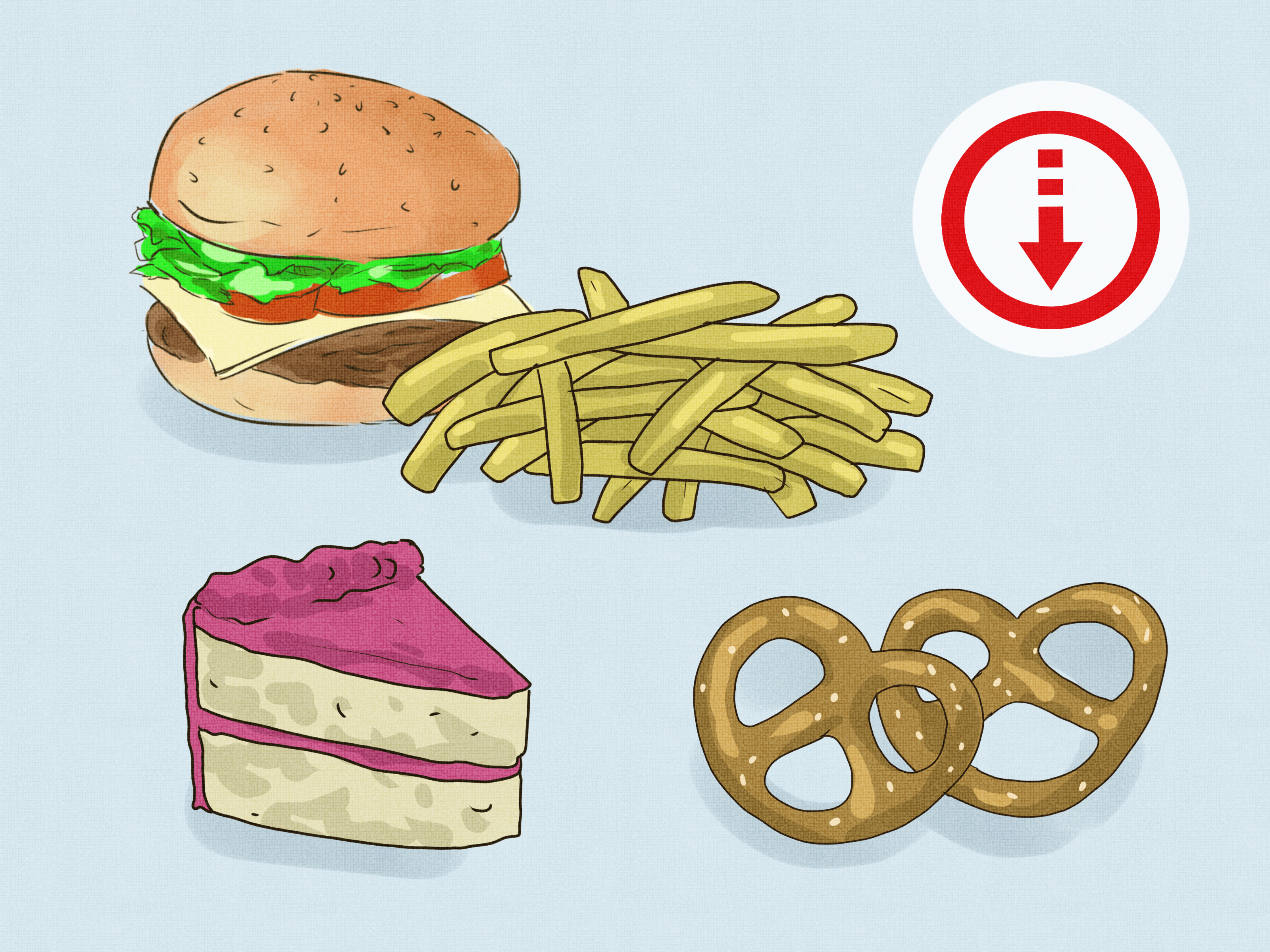
On the flip side, diets high in ultra-processed foods, trans fats, excessive added sugar, and heavy fried foods may be less supportive of semen quality. You do not need to become a monk who only eats steamed kale under moonlight. Start with upgrades: swap soda for water, add a vegetable to lunch, choose fish once or twice a week, and stop calling chips “potatoes with personality.”
Exercise Regularly, But Avoid Overheating
Moderate exercise supports blood flow, weight management, insulin sensitivity, mood, and hormone balance. All of these can influence sperm health. Walking, cycling in moderation, resistance training, swimming, and recreational sports can be helpful.
But sperm production is temperature-sensitive. The testicles sit outside the body for a reason: they prefer cooler conditions. Frequent hot tubs, saunas, very hot baths, tight heat-trapping underwear, and placing a hot laptop on the lap for long periods may work against sperm production. Your laptop is for spreadsheets, not slow-roasting your future swimmers.
If you cycle often, make sure your bike fit is comfortable and take breaks during long rides. Cycling is not automatically bad, but pressure, heat, and prolonged sitting can irritate the area for some men. Balance matters.
Quit Smoking and Limit Heavy Drinking
Smoking is linked with poorer sperm parameters, including lower count and reduced semen quality. If you smoke cigarettes, vape nicotine, or use tobacco products, quitting is one of the strongest reproductive-health moves you can make. It also improves heart, lung, and vascular health, which are deeply connected to sexual health.
Heavy alcohol use can also affect testosterone, sperm production, liver function, sleep, and sexual performance. Moderate drinking may not have the same effect for everyone, but if your goal is to increase sperm volume and support fertility, cutting back is smart.
Cannabis and other recreational drugs may also affect sperm concentration, motility, hormones, or sexual function in some studies. The science is still developing, but if you are actively trying to conceive, consider reducing or avoiding cannabis for several months. Sperm development takes time, so today’s habits may show up in semen quality later.
Be Careful With Testosterone and “Male Enhancement” Supplements
This is important: taking testosterone can reduce or even shut down sperm production. Many men assume testosterone therapy will improve fertility because testosterone is associated with masculinity. The body, however, enjoys irony. External testosterone can signal the brain to reduce hormones that tell the testicles to make sperm.
Do not start testosterone, anabolic steroids, or hormone-boosting products if you are trying to conceive unless you are working with a qualified clinician who understands male fertility. Some over-the-counter “volume boosters” are poorly regulated and may contain hidden ingredients, exaggerated claims, or doses that are not appropriate for you.
If you suspect low testosterone, get tested properly. Symptoms like low libido, fatigue, mood changes, or poor erections can have many causes, including stress, poor sleep, obesity, depression, thyroid issues, medication side effects, or relationship stress. The answer is not always “add testosterone and hope for fireworks.”
Way 3: Check for Medical Causes of Low Semen Volume
When Low Volume Is More Than a Lifestyle Issue
If semen volume is consistently low, lifestyle changes may helpbut they may not fix the root cause. Low volume can happen when semen goes backward into the bladder instead of out through the penis, a condition called retrograde ejaculation. This may cause “dry orgasm” or very little fluid during climax. It can happen after certain surgeries, with diabetes-related nerve problems, spinal conditions, or some medications.
Other possible causes include blockage in the reproductive tract, low androgen levels, prostate or seminal vesicle problems, infection, inflammation, or incomplete ejaculation. Some men also produce a low-volume sample during testing because they miss part of the collection. Yes, the collection cup has one job, and it demands accuracy.
Get a Semen Analysis If Fertility Matters
If you and a partner have been trying to conceive for 12 months without successor 6 months if the female partner is 35 or olderit is reasonable to seek evaluation. A semen analysis is usually one of the first tests because it is relatively simple and gives valuable information.
A good semen analysis does not only measure volume. It looks at total sperm count, concentration, movement, shape, pH, liquefaction, and sometimes white blood cells. If the first result is abnormal, doctors often repeat the test because semen quality naturally varies from sample to sample.
Do not panic over one bad result. Fever, stress, recent illness, medication changes, poor sleep, heat exposure, and timing can all affect results. A repeat test and medical review can help separate a temporary dip from a real problem.
Talk to the Right Specialist
For persistent low semen volume, low sperm count, pain, blood in semen, trouble ejaculating, fertility concerns, or symptoms of low testosterone, consider seeing a urologistideally one who focuses on male fertility or reproductive medicine.
A clinician may review your medical history, medications, surgeries, sexual function, hormone levels, testicular size, varicocele risk, and possible signs of obstruction. In some cases, treating a varicocele, changing a medication, managing diabetes, treating infection, addressing hormonal issues, or correcting retrograde ejaculation may improve fertility options.
The key is not to treat every low-volume episode like a crisis, but also not to ignore a persistent pattern. Your reproductive system is not trying to embarrass you. It may be giving you useful data.
Common Myths About Increasing Sperm Volume
Myth 1: More Semen Always Means Better Fertility
Not necessarily. Fertility depends on sperm count, motility, morphology, DNA integrity, timing, ovulation, partner health, and other factors. Semen volume matters, but it is not the entire report card.
Myth 2: Supplements Work Overnight
Sperm development takes time. Lifestyle changes may need several months to show measurable effects. Any product promising huge results in 24 hours is probably selling fantasy with a barcode.
Myth 3: Long Abstinence Is the Best Strategy
A few days of abstinence may increase semen volume, especially before testing, but very long abstinence may not improve sperm quality. If trying to conceive, regular timing around ovulation is more useful than extreme saving.
Myth 4: Testosterone Boosters Improve Sperm
External testosterone can suppress sperm production. Men who want children should discuss fertility-safe options with a healthcare professional before using testosterone therapy, anabolic steroids, or hormone products.
A Practical 30-Day Plan to Support Normal Semen Volume
If you want a simple plan, start here:
- Week 1: Improve hydration. Drink water consistently, reduce heavy alcohol, and track sleep.
- Week 2: Upgrade meals. Add fruit, vegetables, nuts, legumes, eggs, seafood, or lean proteins.
- Week 3: Exercise 3 to 5 times per week. Mix walking, strength training, and mobility work.
- Week 4: Reduce heat exposure. Avoid hot tubs, tight heat-trapping clothing, and laptop heat on the lap.
At the same time, avoid smoking, reduce recreational drugs, review medications with your doctor if needed, and do not start testosterone or “enhancement” pills without medical advice.
If volume remains very low, if you have fertility concerns, or if you notice pain, blood, dry orgasms, urinary symptoms, or erectile issues, schedule a medical evaluation. Lifestyle can do a lot, but it cannot unblock a duct, reverse a medication side effect, or diagnose retrograde ejaculation by vibes alone.
Real-Life Experience: What Actually Helps Men Stay Consistent
Many men approach this topic with a mix of curiosity, anxiety, and internet-fueled expectations. One common experience is noticing that semen volume changes from day to day. After a few days of good sleep and hydration, volume may seem higher. After several ejaculations in a short period, a stressful week, a night of heavy drinking, or a sweaty workout with no water, volume may look lower. That fluctuation is often normal.
The first practical lesson is to stop judging reproductive health from a single moment. A one-time low-volume ejaculation does not automatically mean infertility. Bodies are variable. Semen production is affected by timing, fluids, arousal, collection completeness, and general health. The more useful pattern is what happens repeatedly over weeks or months.
Men who improve their habits often report that the biggest change is not only volume, but confidence. Drinking enough water, eating better, exercising regularly, and sleeping more can improve energy and sexual performance. Those changes may not feel glamorous, but they are sustainable. A man who walks daily, eats protein and vegetables, cuts back on alcohol, and sleeps seven to eight hours is doing more for his reproductive system than the man who buys three mystery capsules and hopes the label is honest.
Another experience is that quitting smoking or reducing nicotine can be difficult but rewarding. Many men do not connect smoking with sperm health until they start researching fertility. Once they understand that reproductive health is connected to blood vessels, hormones, oxidative stress, and cellular function, quitting becomes less abstract. It is no longer just “good for health someday.” It becomes part of a real goal.
Couples trying to conceive often discover that male fertility testing is emotionally awkward at first, then surprisingly relieving. A semen analysis can feel intimidating, but it gives answers. Instead of guessing, couples can make decisions. If results are normal, anxiety may drop. If results are abnormal, the couple can move toward treatment, repeat testing, or specialist care. Information is not the enemy; uncertainty is usually worse.
A useful mindset is to treat sperm health like training for a race. You do not become fit from one salad, one workout, or one heroic gallon of water. You improve through repeated behaviors. Sperm production also takes time, so give changes several months before expecting dramatic results. Track habits, not just outcomes. Did you sleep well? Did you hydrate? Did you avoid heat? Did you exercise? Did you skip cigarettes? These are the daily votes that matter.
Finally, it helps to keep humor in the process. Reproductive health can feel serious because it is personal, but shame does not improve sperm quality. If anything, stress makes the journey harder. Talk openly with your partner. Ask your doctor direct questions. Ignore miracle claims. Your body is not a machine, and it does not need punishment. It needs consistent care, smart timing, and medical support when something seems off.
Conclusion
Increasing sperm volume naturally is less about chasing wild promises and more about supporting normal semen production. The three best strategies are straightforward: hydrate and time ejaculation wisely, build a fertility-friendly lifestyle, and check for medical causes when low volume is persistent.
Drink enough water, sleep well, exercise, eat nutrient-rich foods, avoid smoking, limit heavy alcohol, reduce overheating, and be careful with testosterone or unregulated supplements. If fertility is the goal, remember that semen volume is only one part of the bigger picture. Sperm count, movement, shape, timing, and partner factors all matter.
Most importantly, do not let embarrassment stop you from getting help. A semen analysis and a conversation with a healthcare professional can provide clarity quickly. Your reproductive health deserves facts, not panicand definitely not a suspicious bottle called “Mega Alpha Ocean Thunder.”
Note: This article is for educational purposes only and is not a substitute for medical advice, diagnosis, or treatment. Anyone with persistent low semen volume, fertility concerns, pain, blood in semen, dry orgasms, or sexual health changes should consult a qualified healthcare professional.