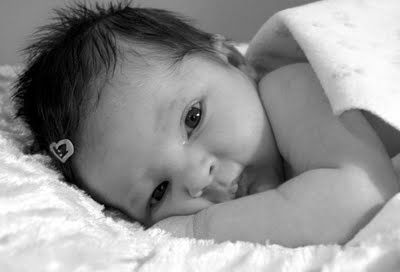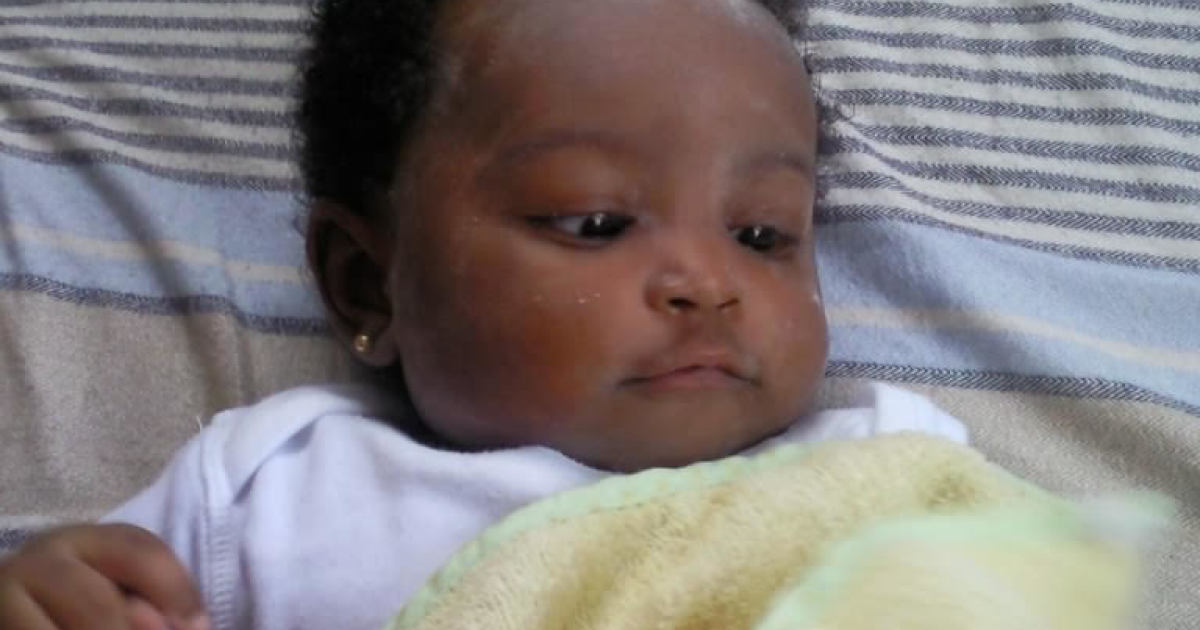
Every family has one photo that should probably be kept in a velvet-lined vault: the baby picture. You know the one. Maybe you were sitting in a sink like a confused potato. Maybe you had one curl standing straight up like it was receiving radio signals from Mars. Maybe you looked like a wise tiny accountant who had already seen the tax code and found it disappointing.
The question “Pandas, what did you look like as a baby?” sounds simple, but it opens a surprisingly deep drawer of memories, biology, identity, and comedy. Baby photos are tiny time machines. They show us before we had opinions about fonts, coffee, dating apps, or whether cilantro tastes like soap. They capture the original edition of us: soft, squishy, dramatic, and usually dressed by someone who thought a bonnet was a personality.
And yes, since we are calling everyone “Pandas,” it is only fair to mention that real panda babies make human newborns look like polished supermodels. A newborn giant panda is pink, blind, almost hairless, and roughly the size of a stick of butter. In other words, even the world’s most beloved black-and-white fluff ball begins life looking like a tiny alien burrito. So if your baby picture includes drool, a lopsided head, or an expression that says “I demand milk and legal representation,” congratulations: you were simply participating in nature.
Why Baby Photos Are So Funny, Sweet, And Weirdly Powerful
Baby photos work because they show contrast. The adult version of you might be a manager, designer, parent, student, gamer, dentist, or person who owns three air fryers for reasons nobody fully understands. But the baby version? That little legend could not even hold up their own head. Seeing both versions together creates instant comedy and instant tenderness.
There is also something disarming about baby pictures. Adults spend years building identities. We choose hairstyles, clothes, hobbies, usernames, favorite snacks, and “professional” profile photos where we pretend our apartment has natural lighting. Baby photos remove all of that branding. They show the original face before the world handed us mirrors, social pressure, and regrettable middle-school fashion.
The Universal Baby Look: Confused, Curious, And Slightly Alarmed
Most babies share a few classic visual themes. There is the “surprised professor” look, where the eyes are wide and the forehead says, “I have discovered gravity and I object.” There is the “milk drunk” look, a peaceful expression usually seen after a feeding, when the baby appears to have solved inner peace. Then there is the “tiny bouncer” look, where a baby stares into the camera as if deciding whether you are allowed into the club.
These expressions are not just cute accidents. Babies are born ready to respond to faces, voices, touch, and contrast. During the first months, they become increasingly interested in faces, movement, and familiar sounds. That is why so many baby pictures show intense eye contact. Your baby self was not just staring into the camera; you were studying humanity like a very small scientist wearing socks shaped like ducks.
What Babies Actually Look Like At First
Popular culture often shows newborns as smooth, round, glowing cherubs. Real newborns, however, often arrive looking like they just completed an extreme obstacle course. That is not an insult. Birth is a dramatic entrance. A newborn may have a slightly cone-shaped head, puffy eyelids, blotchy skin, peeling skin, bluish hands or feet when cold, fine body hair called lanugo, or a waxy protective coating called vernix.
Many of these features are normal and temporary. A baby’s skull bones are flexible, which helps during birth and allows room for a rapidly growing brain. That flexibility can make the head look uneven for a while. Vernix helps protect delicate skin before birth. Lanugo, that soft peach-fuzz hair some newborns have on the shoulders, back, cheeks, or forehead, usually disappears after the first weeks of life.
In short: if your earliest baby photo looks less like a greeting card and more like a tiny sleepy raisin wrapped in a hospital blanket, that is normal. Newborn beauty is not about looking polished. It is about being new to the planet and already demanding snacks every two hours.
The Science Behind The “Aww” Reaction
Why do baby photos make people melt? Part of it is biology. Babies have features adults tend to find adorable: large eyes, round cheeks, small noses, and big heads relative to body size. These traits signal vulnerability and trigger caregiving instincts. That is nature’s clever way of making sure adults respond when a baby needs food, comfort, or rescue from a sock that has somehow become emotionally devastating.
But the emotional effect goes beyond cuteness. Baby pictures often connect families across generations. A grandmother may point to a photo and say, “You had your father’s nose.” A parent may laugh and say, “You made that exact face yesterday.” A sibling may add, “You looked like a dumpling,” because siblings are legally required to keep everyone humble.
These little comparisons help people understand continuity. The baby in the picture is not a stranger. That baby became you. Somewhere inside your adult habits, there may still be a trace of the same curious stare, dramatic eyebrow raise, or suspicious side-eye you had before you could speak.
Baby Photos As Identity Anchors
Photos do more than decorate albums. They help organize memory. Many people do not remember much from their earliest years, but photographs can become emotional landmarks. A picture of you in a high chair covered in spaghetti may not unlock a perfect memory of the meal, but it can still become part of your personal story: “Apparently, I believed marinara sauce was a skincare product.”
As people grow older, old photos often become identity anchors. They remind us that we were once fragile, funny, dependent, and loved. They can also soften the way we look at ourselves. It is difficult to be too harsh on your current face when you have just seen your baby self proudly wearing one shoe and a bib that says “Little Boss.”
In families, baby photos can also become folklore. There is always a story attached: the day you fell asleep in mashed potatoes, the time you screamed at Santa, the first birthday cake you attacked like a tiny raccoon, or the bath photo everyone promises not to show your future partner but absolutely will.
The Most Common Baby Photo Types
1. The Serious Baby Portrait
This is the photo where the baby looks directly into the camera with the emotional weight of a retired judge. No smile. No nonsense. Just vibes. These babies look like they have already decided the family budget needs work.
2. The Food Explosion
First birthday cake photos belong in museums. A baby placed near cake does not “eat” cake. A baby investigates cake, negotiates with cake, destroys cake, wears cake, and finally becomes cake. This is not a meal; it is performance art.
3. The Bath-Time Bubble Champion
Some baby photos feature bubble crowns, rubber ducks, and an expression of total betrayal. Bath-time pictures are funny because babies often look either delighted or deeply concerned that they have been placed in soup.
4. The Fashion Crime Scene
Baby clothes reveal the taste of the adults in charge. Maybe you wore a sailor suit. Maybe you had a lace collar the size of a satellite dish. Maybe every outfit had bears, ducks, stripes, or a slogan that said something like “Mommy’s Little Heartbreaker,” which is a lot of pressure for someone who cannot roll over yet.
5. The Sleep Anywhere Photo
Babies can sleep in positions that would send adults directly to physical therapy. On a shoulder, in a stroller, halfway through lunch, holding a toy, face-first on a blanket baby sleep photos are proof that comfort is mostly a state of mind.
Why Comparing Baby Photos Is So Entertaining
When people share baby photos, everyone becomes a detective. We search for clues: the same smile, the same eyebrows, the same glare used today when someone says, “We need to hop on a quick call.” Some people look exactly like their baby pictures, just taller and more tired. Others transform completely, making everyone ask, “Wait, that adorable bald dumpling became this person?”
There is also the family resemblance game. Baby photos can reveal inherited expressions more clearly than adult photos. A newborn’s chin may match a grandfather’s. A toddler’s grin may look exactly like an aunt’s. A skeptical baby face may be shared across generations like a treasured heirloom.
This is why “what did you look like as a baby?” is more than a cute question. It invites people to show their origin story. Not the superhero kind with lightning and capes the real kind with blankets, naps, questionable hats, and one adult always saying, “Don’t wake the baby,” while another adult immediately wakes the baby.
From Baby Face To Adult Face: What Changes?
Almost everything changes, but some things stay surprisingly familiar. Babies grow rapidly during the first year. Their vision improves, their muscles strengthen, their social reactions become more obvious, and their expressions become more intentional. A one-month-old may focus best on nearby faces; by later months, babies track objects, react to familiar people, reach, roll, sit with support, and eventually pull up to stand.
Physically, the face changes as bones grow, baby fat redistributes, teeth arrive, hair thickens or changes texture, and the eyes, nose, cheeks, and jaw develop. Some babies are born with a full head of hair and later lose it. Others begin as shiny little moon people and later grow enough hair to challenge a shampoo commercial. Eye color may also shift during infancy, especially in the first months.
Still, baby photos often preserve a signature. The eyebrow arch, the cheeky half-smile, the intense concentration face, or the “I do not approve” stare may survive into adulthood. That is why old pictures can feel so funny and familiar at the same time.
A Tiny Panda Detour: Nature’s Most Dramatic Glow-Up
If human baby photos make you laugh, panda cub photos deserve their own comedy festival. Adult giant pandas are round, fluffy, black-and-white icons of peaceful snack management. Newborn giant pandas, however, are extremely small compared with their mothers. They are born pink, blind, and nearly hairless, weighing only a few ounces. Their famous black-and-white markings appear later.
This is the ultimate glow-up. A creature that begins life looking like a warm gummy bear becomes one of the most recognizable animals on Earth. So the next time you cringe at your baby photo, remember: even pandas do not start out looking like pandas. Greatness takes time. So do ears, confidence, and decent lighting.
How To Share Baby Photos Thoughtfully Online
Baby photos are adorable, but sharing them online deserves a little caution. Today’s cute post can become part of a child’s digital footprint. Before posting, it helps to ask a few simple questions: Would this embarrass the child later? Does the image reveal private details such as a full name, school, location, birthday, or medical information? Is the child partly undressed, upset, or in a vulnerable moment? Would you be comfortable if someone else shared a similar image of you?
For older kids, asking permission is a respectful habit. For babies, who cannot consent, parents and caregivers can still choose dignity. Funny does not have to mean humiliating. A spaghetti face? Usually charming. A private bath photo? Better kept in the family album. The internet has a long memory, and not every precious moment needs to become public content.
A good rule: share the joy, protect the person. Baby pictures can celebrate love, growth, and family history without exposing too much.
What Your Baby Picture Might Say About You
Let us be clear: your baby photo is not a scientific personality test. A baby wearing a dinosaur onesie is not guaranteed to become a paleontologist. A baby sleeping through a birthday party may not become a professional napper, although many adults would apply for that job immediately.
Still, baby photos can suggest early themes. The curious baby reaching for everything might become a hands-on learner. The social baby smiling at every camera may become the family extrovert. The serious baby observing quietly may grow into someone thoughtful and careful. The baby trying to eat the wrapping paper instead of the toy may become a person with unique priorities.
Mostly, baby photos remind us that personality unfolds gradually. Babies are not blank pages; they arrive with temperaments, preferences, rhythms, and reactions. But they are also shaped by family, culture, care, health, opportunity, and countless experiences. That tiny face in the album is the first chapter, not the whole book.
Experiences Related To “Pandas, What Did You Look Like As A Baby?”
One of the best experiences connected to this question is the moment people start comparing photos. Someone pulls out a baby picture, and suddenly the room changes. People lean in. Phones get passed around. Someone gasps, someone laughs, and someone says, “You look exactly the same,” even if the only shared feature is having two eyes and a strong commitment to snacks.
Baby-photo conversations often become miniature family reunions. A simple picture can bring back a whole scene: the apartment with the old curtains, the plastic high chair, the birthday cake from a local bakery, the toy that made noise until every adult in the house considered moving to a silent monastery. These details matter because they turn a photo into a lived memory. Even if the baby in the photo cannot remember the moment, the people around them often can.
Another common experience is discovering how much fashion has changed. Looking at baby photos from different decades is like touring a museum of tiny outfits. The 1970s gave us earth tones and heroic collars. The 1980s believed babies needed volume in hair, sleeves, and wallpaper. The 1990s had denim overalls, cartoon characters, and photo backgrounds that looked like laser school portraits escaped into infancy. The 2000s brought digital cameras, and suddenly every blink, sneeze, and yogurt incident could be documented from twelve angles.
There is also the emotional experience of seeing softness in yourself. Adults often judge their present selves harshly. We notice flaws, compare ourselves to others, and forget how much growing we have already done. A baby photo can interrupt that habit. It shows a version of you who deserved care without earning it, who was valuable before achievement, who was loved before becoming useful, impressive, productive, or “successful.” That can be quietly powerful.
For parents, looking at baby pictures can be bittersweet. The child in the photo may now be taller, louder, funnier, more independent, or fully grown. The tiny socks are gone. The crib is gone. The baby voice may exist only in memory. But the photo keeps one small doorway open. It says, “This happened. This little person was here. This stage mattered.”
For friends, baby photos are bonding material. They make people more human. It is hard to maintain a mysterious image after everyone has seen you as a bald baby wearing a pumpkin costume. That vulnerability can be delightful. It reminds us that every polished adult once had a phase where chewing on a plastic spoon was a major afternoon plan.
And for anyone posting in a community of “Pandas,” the experience is even better because it becomes collective nostalgia. One person shares a chubby-cheeked photo. Another shares a picture with wild baby hair. Someone posts a serious little face that looks ready to run a meeting. The comments fill with laughter, comparisons, and stories. Suddenly, strangers feel less strange. Everyone had a beginning. Everyone had a soft, silly, unfiltered version.
That is the charm of the question. “What did you look like as a baby?” is not really asking for perfect photos. It is asking for proof that we all started somewhere. Before the jobs, opinions, bills, hobbies, heartbreaks, wins, losses, and favorite comfort shows, we were tiny people learning how to exist. Some of us had more hair. Some had none. Some looked angelic. Some looked furious about being born. All of it counts.
Conclusion: Every Baby Photo Is A Tiny Origin Story
Baby photos are funny because they are honest. They show us before the filters, before the poses, before we learned which angle was “our good side.” They capture the soft chaos of becoming human: the puffy eyes, round cheeks, strange outfits, sleepy faces, cake-covered hands, and expressions that somehow still look familiar decades later.
Whether you looked like a cherub, a tiny grandparent, a confused dumpling, or a baby panda still waiting for your glow-up, your earliest photos are part of your story. They remind you that growth is awkward, beautiful, and often hilarious. They also remind us to be gentle with ourselves. After all, nobody begins life polished. Even pandas start pink.
So, Pandas, what did you look like as a baby? Bring the photo, bring the story, and bring a sense of humor. Somewhere in that picture is the first draft of you adorable, unfinished, and already iconic.