Few sentences land with more force than a physician saying, “Here is what we think your cancer prognosis looks like.” The room gets quiet. A clock suddenly becomes rude. Family members lean forward as if the next sentence might contain a secret map. And sometimes, despite the doctor’s training, experience, charts, lab results, imaging, guidelines, and very serious-looking computer screen, the prognosis is wrong.
That does not always mean the physician was careless. A cancer prognosis is not a fortune cookie with a medical degree. It is an educated estimate based on the type of cancer, stage, tumor biology, treatment options, overall health, response to therapy, and data from people who were similarbut never identical. The tricky part is that cancer behaves like a character in a thriller novel: sometimes predictable, sometimes dramatic, and occasionally determined to ignore the script.
This article explores why a physician’s inaccurate cancer prognosis can happen, what it means for patients and families, how survival statistics can be misunderstood, and how to respond when a prediction does not match reality. The goal is not to roast doctors over a slow flame. It is to help patients ask better questions, protect their peace of mind, and make informed decisions without treating any single number as the final word.
What Is a Cancer Prognosis?
A cancer prognosis is a doctor’s best estimate of how a disease may progress and how a patient may respond to treatment. It often includes the likelihood of remission, recurrence, survival, symptom changes, and treatment benefit. In plain English: it is the medical version of “Here is what we think may happen next.”
Doctors usually build this estimate from several pieces of information. The cancer type matters because breast cancer, pancreatic cancer, lymphoma, melanoma, prostate cancer, and lung cancer can behave very differently. Stage matters because cancer that is localized often has a different outlook than cancer that has spread. Tumor grade, biomarkers, genetics, age, organ function, nutrition, other medical conditions, and access to treatment also influence the picture.
Even then, prognosis is not a personal guarantee. Survival statistics describe groups of people. A patient is one person, not a spreadsheet wearing a hospital bracelet. That distinction is small on paper and enormous in real life.
Why a Physician’s Cancer Prognosis Can Be Inaccurate
1. Survival Statistics Are Based on Populations, Not Individuals
Survival rates are useful, but they are not crystal balls. A five-year relative survival rate, for example, compares people with a certain cancer to similar people in the general population. It can help doctors and patients understand broad patterns, but it cannot predict exactly how long one individual will live.
Think of it like weather forecasting. If the forecast says there is a 70% chance of rain, you may bring an umbrella. But the forecast cannot tell you whether one heroic raindrop will land directly on your left eyebrow at 2:13 p.m. Cancer survival statistics work in a similar way: helpful for planning, imperfect for precision.
2. Cancer Treatments Change Quickly
Modern oncology is moving fast. Immunotherapy, targeted therapy, molecular testing, precision medicine, improved radiation techniques, better surgery, and clinical trials have changed the outlook for many cancers. A statistic collected years ago may not fully reflect today’s treatment landscape.
This is one reason an old prognosis can become outdated. A patient once told that their options were limited may later discover a new targeted therapy, a clinical trial, or a revised treatment plan based on genetic testing. Medicine does not update as fast as your phone, but thankfully, it updates with fewer annoying pop-ups.
3. Tumor Biology Can Be Unpredictable
Two people can have the same cancer type and stage but experience very different outcomes. One tumor may respond beautifully to chemotherapy, while another shrugs at it like a teenager asked to clean their room. Some cancers grow slowly; others are aggressive. Some recur after years; others remain controlled far longer than expected.
Biomarkers and genomic testing can improve prognostic accuracy, but they do not remove uncertainty. Cancer is biological, not mechanical. A broken door hinge behaves more predictably than a living tumor interacting with a living immune system.
4. Doctors May Be Overly Optimistic or Overly Pessimistic
Research has found that physicians’ survival predictions, especially in advanced or terminal illness, can be inaccurate. In many cases, doctors tend to overestimate survival. This can happen because physicians care about their patients, want to preserve hope, or rely on clinical impressions that are difficult to translate into exact timelines.
But underestimation also happens. Some patients live much longer than expected because they respond unusually well to treatment, avoid complications, receive excellent supportive care, or simply do not follow the statistical crowd. The human body occasionally files a formal complaint against medical expectationsand wins.
5. Communication Can Be Misunderstood
A physician may say, “Median survival is 18 months,” and a patient may hear, “I have exactly 18 months.” That is not what median survival means. Median survival means half of the people in the studied group lived longer and half lived less. It is a midpoint, not a countdown timer.
Stress also changes how people hear information. A cancer diagnosis can turn even simple sentences into fog. Patients may remember the frightening part, family members may remember the hopeful part, and the doctor may assume everyone understood the statistical part. Congratulations: the entire room is now accidentally speaking different languages.
The Emotional Impact of an Inaccurate Prognosis
When a physician’s cancer prognosis is wrong, the emotional consequences can be huge. If the prognosis was too optimistic, patients and families may feel blindsided by rapid decline, treatment failure, or recurrence. They may wonder why no one prepared them. They may feel anger, grief, confusion, or betrayal.
If the prognosis was too pessimistic, a patient may spend months or years believing time is shorter than it turns out to be. That can affect career decisions, finances, relationships, school plans, retirement choices, and major life goals. Some people may decline opportunities because they believe there is no point. Others may rush decisions they later wish they had approached more calmly.
Both situations are painful because prognosis is not just medical information. It shapes how people live. It influences whether someone books a vacation, sells a house, starts treatment, stops treatment, repairs a relationship, or finally adopts the dog they have been talking about since 2014.
When an Inaccurate Prognosis Is Not Medical Malpractice
An inaccurate prognosis is not automatically malpractice. Medicine allows room for uncertainty because biology is complex. A doctor can make a reasonable estimate based on available evidence and still be wrong. That is very different from ignoring test results, failing to order appropriate diagnostics, misreading pathology, withholding important information, or making careless statements without proper evaluation.
In general, the key question is whether the physician used appropriate medical judgment and communicated uncertainty clearly. A responsible doctor should avoid presenting estimates as absolute truth. Phrases like “based on what we know now,” “this may change,” “people vary,” and “we need to reassess after treatment response” are not weak language. They are honest language.
How Patients Can Respond to a Cancer Prognosis That Feels Wrong
Ask What the Prognosis Is Based On
Patients have the right to ask how a physician reached a prognosis. Useful questions include: What cancer type and stage are you using for this estimate? Are there biomarkers or genetic findings that change the outlook? Does this number include people who received my treatment plan? Are these statistics recent? What factors make my situation better or worse than average?
These questions do not challenge the doctor’s intelligence. They clarify the map. A good physician should welcome them, not act as if you have insulted their favorite stethoscope.
Ask for a Range, Not a Single Number
Single-number predictions can be misleading. A range is usually more realistic. For example, a doctor might say, “Some patients live months, some live several years, and based on your current condition, I am most concerned about the next year.” That kind of explanation gives more context than a lonely number floating in space.
Patients can also ask: What is the best-case scenario? What is the worst-case scenario? What is the most likely scenario? What signs would suggest things are improving or worsening? This approach turns prognosis into an ongoing conversation instead of a one-time thunderclap.
Get a Second Opinion
A second opinion can be especially helpful when the cancer is rare, advanced, unusual, newly diagnosed, not responding to treatment, or tied to a major decision such as surgery, radiation, chemotherapy, immunotherapy, or a clinical trial. Second opinions may confirm the first plan, refine it, or occasionally change the diagnosis or treatment strategy.
Pathology review is particularly important in some cancers. A second pathologist may identify details that affect treatment and prognosis, such as tumor subtype, grade, hormone receptor status, HER2 status, molecular markers, or whether a lesion is invasive. In oncology, tiny details can carry the weight of a grand piano.
Bring Someone to Appointments
When discussing prognosis, it helps to bring a trusted person who can listen, take notes, and ask follow-up questions. Cancer appointments can feel like trying to take a final exam during a fire drill. A second set of ears is not a luxury; it is a practical tool.
Patients can also ask permission to record the conversation, depending on clinic policy and state law. Even a written visit summary can help families review what was actually said rather than relying on memory, which may be busy wrestling with fear.
How Doctors Can Communicate Prognosis Better
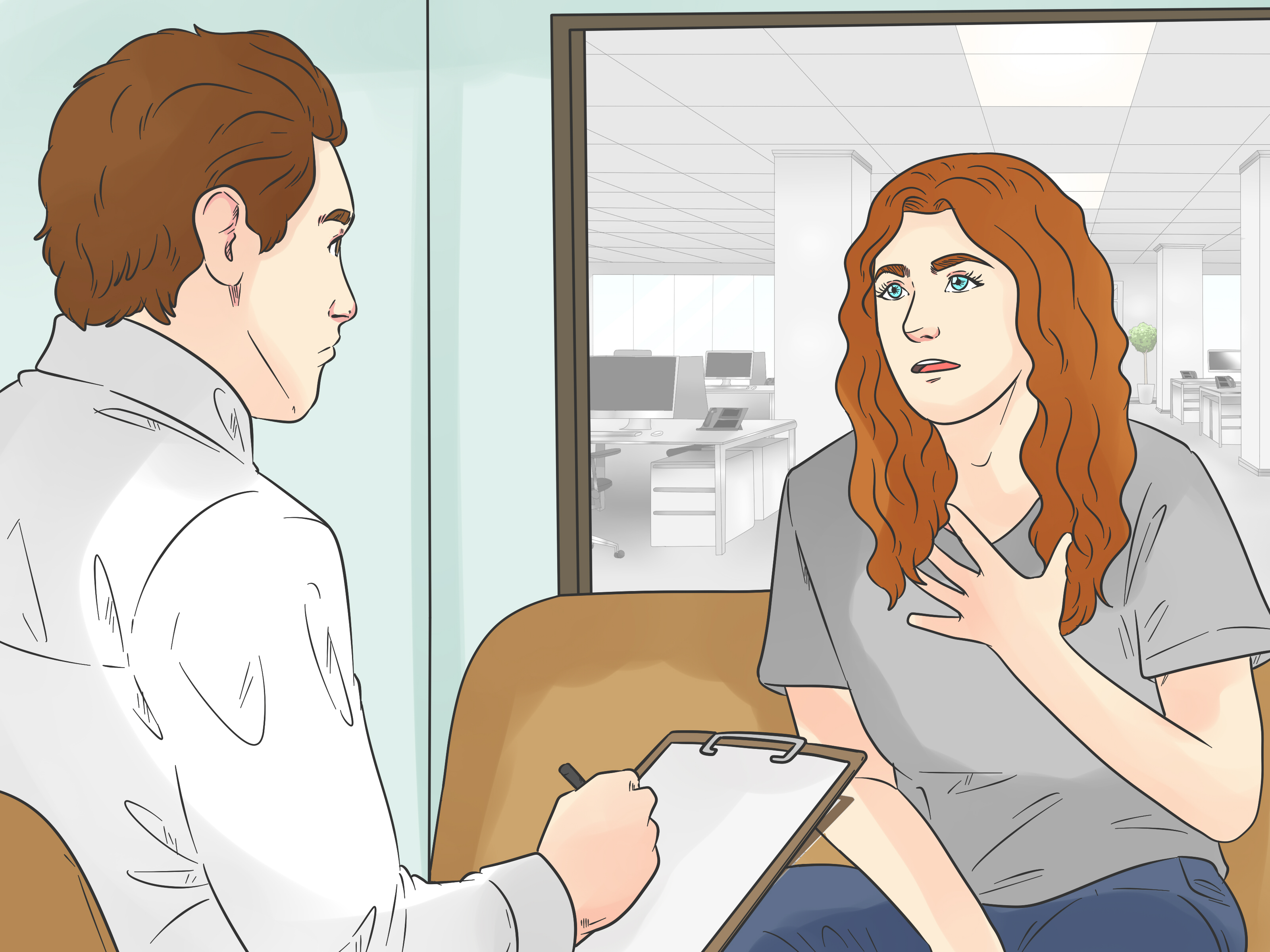
Physicians can reduce harm by making uncertainty visible. Instead of saying, “You have six months,” a clearer statement might be, “I cannot predict exactly. Based on patients with similar disease and your current condition, I worry time may be measured in months rather than years, but we will keep reassessing.”
Doctors can also ask how much detail the patient wants. Some people want numbers. Others prefer broad categories. Some want every possible outcome explained. Others need time before hearing more. Patient-centered communication means matching information to readiness without hiding essential facts.
Good prognosis conversations also include practical next steps. What treatment is recommended? What symptoms should be watched? When will scans be repeated? What would make the plan change? Is palliative care appropriate now? What support is available for pain, fatigue, nutrition, anxiety, transportation, or caregiving?
Palliative Care Is Not the Same as Giving Up
One major problem with inaccurate or unclear prognosis is that patients may miss the chance to receive palliative care early. Palliative care focuses on comfort, symptom control, emotional support, decision-making, and quality of life. It can be provided alongside cancer treatment.
Many people hear “palliative care” and think, “The medical team is waving a white flag.” Not true. Palliative care is more like adding a highly practical co-pilot. The goal is to help patients feel better, understand choices, and avoid unnecessary suffering. That is not giving up; that is refusing to let cancer run the entire meeting.
Specific Example: When the Prognosis Changes After Treatment Response
Imagine a patient diagnosed with metastatic lung cancer. At first, the physician gives a guarded prognosis because the cancer has spread. Then biomarker testing reveals a targetable mutation. The patient starts a targeted therapy and responds dramatically. Tumors shrink, symptoms improve, and the original estimate no longer fits.
Was the first prognosis “wrong”? In one sense, yesthe patient did better than expected. But the original estimate may have been reasonable before the new test result and treatment response. This is why prognosis should be updated over time. In cancer care, the first chapter is not always the whole book.
Specific Example: When the Prognosis Is Too Hopeful
Now imagine a patient with advanced pancreatic cancer who is told, “We have treatments, and we will fight this.” That may be true, but if no one explains that the disease is aggressive and treatment may not work for long, the family may expect years when the realistic outlook is much shorter.
Hope matters, but hope needs structure. Patients can hope for more time, comfort, a meaningful milestone, a treatment response, fewer symptoms, or a peaceful plan. Honest prognosis does not destroy hope. It gives hope a steering wheel.
What Not to Do After Hearing a Cancer Prognosis
Do not treat one number as destiny. Do not panic-search the entire internet at 2 a.m. and diagnose yourself with fourteen additional problems, three of which only exist in abandoned message boards. Do not assume your doctor is wrong simply because the prognosis is upsetting. And do not assume your doctor is right simply because the sentence was delivered confidently.
Instead, slow the process down. Ask for clarification. Request printed information. Get a second opinion if appropriate. Learn whether your prognosis is based on old survival data, current treatment outcomes, personal health factors, or all of the above. Most importantly, keep the conversation alive. A prognosis should be revisited as new information arrives.
Experience-Based Reflections: Living With an Uncertain or Inaccurate Cancer Prognosis
People who have lived through an inaccurate cancer prognosis often describe the experience as emotionally disorienting. One common experience is the whiplash of planning for the worst while still trying to live normally. A patient may hear a poor prognosis and suddenly every ordinary task feels symbolic. Buying groceries becomes strange. Renewing a phone plan feels suspiciously optimistic. Even making dentist appointments can seem like negotiating with the future.
Families often struggle too. If a doctor gives a short timeline, loved ones may begin grieving early. They may hover, cancel plans, or treat the patient like fragile glass. Sometimes this comes from love, but it can make the patient feel less like a person and more like a walking medical update. When the patient later does better than expected, everyone has to recalibrate. That sounds like good newsand it isbut it can also be emotionally complicated. People may wonder whether they wasted months being afraid, or whether they should remain afraid because the next scan might change everything again.
Another experience is frustration with vague language. Patients may hear phrases like “guarded prognosis,” “poor outlook,” or “limited options” and leave the office unsure what they actually mean. Does “limited” mean two treatments or no treatments? Does “poor” mean months, years, or “please stop Googling and ask me directly”? Medical language can be technically accurate but emotionally useless if it does not answer the patient’s real question: What should I prepare for?
Some patients also describe a loss of trust after a prognosis proves inaccurate. If the doctor predicted decline and the patient improves, the patient may wonder, “Did they underestimate me?” If the doctor predicted more time and the disease progresses quickly, the family may wonder, “Why didn’t they warn us?” Trust can be repaired, but it requires honesty. A physician saying, “Your disease is behaving differently than expected, and I want to review what that means now,” can be far more helpful than pretending the earlier estimate never happened.
There is also the practical side. Prognosis affects insurance decisions, employment, caregiving, school, travel, finances, treatment intensity, and end-of-life planning. An inaccurate estimate can push people into choices they might not have made otherwise. Someone may retire early, postpone a move, cancel a wedding, or avoid a meaningful trip. On the other hand, a too-optimistic prognosis can delay important conversations about wills, advance directives, hospice, family caregiving, or personal wishes.
One lesson from these experiences is that patients need both honesty and flexibility. The most useful prognosis conversations often sound less like a verdict and more like a weather report with backup plans: “Here is what we know, here is what we do not know, here is what would change my estimate, and here is what we should prepare for.” That kind of communication leaves room for hope without pretending uncertainty is not in the room. It also gives patients permission to plan for multiple futures, which may be the sanest approach when cancer refuses to behave politely.
Another lesson is that patients should not feel guilty for asking the same question more than once. Prognosis is hard to absorb. A person may need to hear it several times, in different ways, at different points in treatment. Asking again is not being difficult. It is being human. Cancer already brings enough confusion; patients do not need to add mind-reading to the treatment plan.
Finally, people often discover that quality of life becomes just as important as length of life. An inaccurate prognosis can accidentally teach a brutal but valuable lesson: time is uncertain for everyone, but cancer makes that uncertainty impossible to ignore. The best medical conversations honor both quantity and quality. They help patients understand treatment possibilities while still making space for comfort, dignity, relationships, and ordinary joysbecause sometimes the ordinary joys are the point.
Conclusion
A physician’s inaccurate cancer prognosis can be frightening, frustrating, and deeply personal. But prognosis is an estimate, not a prophecy. It is shaped by science, statistics, clinical judgment, communication, treatment response, and the unpredictable behavior of cancer itself.
The best response is not blind trust or instant distrust. It is informed partnership. Patients should ask what the prognosis is based on, request ranges instead of exact countdowns, revisit the conversation over time, and seek second opinions when the situation is complex. Doctors, meanwhile, should communicate uncertainty clearly, honestly, and compassionately.
In cancer care, numbers matterbut they are not the whole story. A prognosis can guide decisions, but it should never erase the person living through it. The most humane approach combines medical evidence with humility, practical planning, and enough hope to keep the lights on without pretending the storm is not real.
Note: This article is for educational publishing purposes only and is not medical advice. Patients should discuss diagnosis, prognosis, treatment options, and care decisions with a licensed oncology professional.