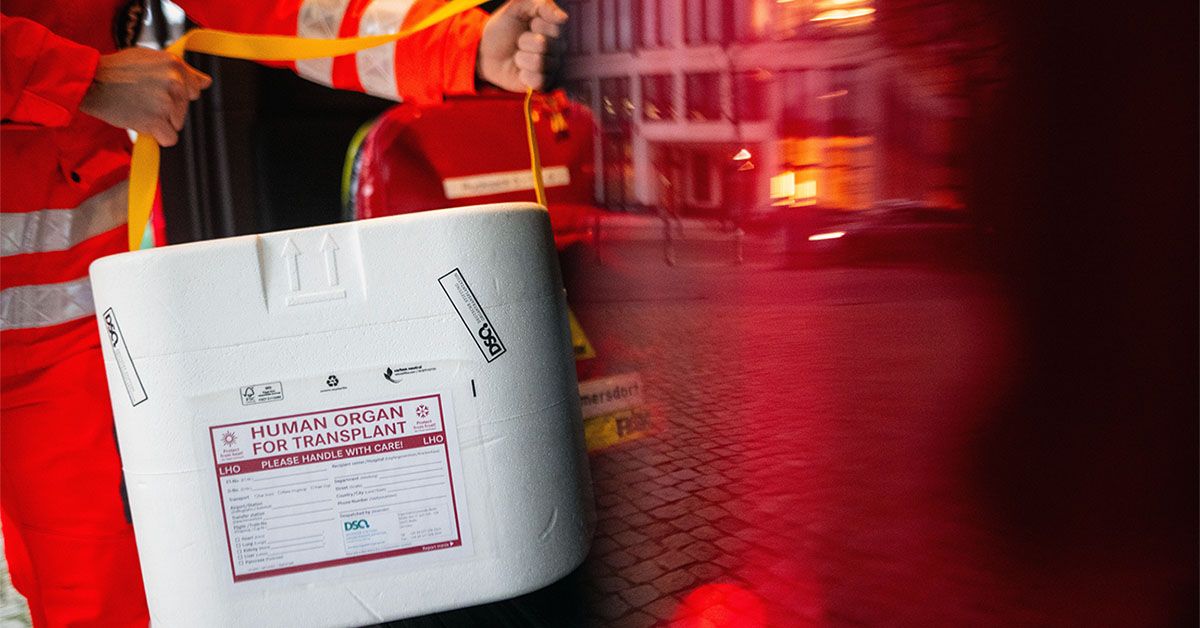
Yes. A healthy person may be able to donate part of their liver to someone with cirrhosis who has been approved for a liver transplant. In fact, cirrhosis and the liver failure it can cause are major reasons people undergo liver transplantation. But there is an important detail that often gets lost in casual conversation: doctors do not simply add a healthy piece of liver to the recipient’s scarred liver and hope the two become friendly roommates. During transplantation, the recipient’s diseased liver is removed and replaced with a healthy portion of the donor’s liver.
Living donor liver transplantation is possible because the liver has a remarkable ability to regenerate. After surgery, the portion remaining in the donor and the portion transplanted into the recipient increase in size and functional capacity. That biological talent makes the liver the rare organ that can essentially perform a carefully supervised comeback tour.
Still, living liver donation is major surgery, not a casual medical favor. The person with cirrhosis must qualify for transplantation, the donor must pass an extensive independent evaluation, and the transplant team must determine that the operation offers an acceptable balance of risks and benefits for both people.
How does cirrhosis lead to the need for a liver transplant?
Cirrhosis is advanced scarring of the liver caused by long-term liver injury. Common causes include alcohol-associated liver disease, metabolic dysfunction-associated steatotic liver disease, chronic viral hepatitis, autoimmune liver diseases and certain inherited or bile duct disorders.
Some people live for years with compensated cirrhosis, meaning the liver is scarred but still manages many of its essential jobs. Others develop decompensated cirrhosis, in which complications begin to appear. These may include:
- Ascites, or fluid buildup in the abdomen
- Bleeding from enlarged veins called varices
- Hepatic encephalopathy, which can cause confusion and changes in thinking
- Jaundice
- Severe infections
- Progressive liver failure
- Some forms of liver cancer
When cirrhosis progresses to liver failure and other treatments can no longer adequately control the disease, doctors may consider transplantation. Cirrhosis itself does not automatically mean a person needs a new liver, but advanced or repeatedly decompensating disease can make transplant evaluation increasingly important.
Can a living donor give only part of a liver?
Yes. In a living donor liver transplant, surgeons remove a carefully selected portion of a healthy donor’s liver and transplant it into the recipient. For an adult recipient, a larger portion is usually needed than for a small child. The exact amount depends on the donor’s anatomy, the recipient’s size and the amount of liver tissue required for adequate function.
The donor keeps enough healthy liver to support normal function. Meanwhile, the transplanted portion begins working in the recipient and enlarges after surgery. Regeneration does not mean that surgeons cut out a piece and an identical missing lobe magically grows back like a photocopy. Instead, the remaining liver tissue grows in volume and functional capacity.
Matching involves much more than asking, “Do you two have the same blood type?” Teams assess blood group compatibility, organ size, liver anatomy, blood vessels, bile ducts and the overall health of both donor and recipient.
Who with cirrhosis may qualify for a living donor liver transplant?
A person with cirrhosis generally must first qualify as a liver transplant recipient. The presence of a willing donor does not allow a patient to skip the medical evaluation process.
Severity of liver disease
Transplant teams evaluate how advanced the disease is and how it affects survival and quality of life. The MELD score is one important tool used in adults, although it does not capture every complication or every miserable Tuesday caused by advanced liver disease.
A living donor option can be particularly important for some people whose serious complications or declining quality of life are not fully reflected by their MELD score. Because a living donor transplant can be planned rather than waiting for a deceased donor organ to become available, certain eligible patients may undergo transplantation earlier.
Overall ability to survive transplant surgery
The transplant team evaluates the heart, lungs, kidneys, nutritional status, infection risk and other medical conditions. A person may have very severe liver disease but also have another condition that makes transplantation unacceptably dangerous.
Cancer status
Some people with cirrhosis also develop hepatocellular carcinoma, the most common primary liver cancer. Selected patients may qualify for transplantation when the cancer meets accepted transplant criteria. Cancer that has spread outside the liver can make transplantation inappropriate because replacing the liver would not eliminate cancer elsewhere in the body.
Ability to follow lifelong treatment
After transplantation, recipients need regular follow-up, blood tests and medications that suppress the immune system to reduce the risk of rejection. The evaluation therefore includes medical and psychosocial factors that can affect a person’s ability to safely manage post-transplant care.
Does the cause of cirrhosis matter?
It can. Many different forms of cirrhosis can eventually be treated with liver transplantation, but doctors also consider whether the underlying disease could damage the new liver or affect long-term outcomes.
Alcohol-associated cirrhosis
A person with alcohol-associated liver disease may still qualify for transplantation. Modern transplant programs increasingly use individualized assessments rather than relying only on a universal fixed period of abstinence. Evaluation may include the patient’s alcohol-use history, treatment participation, recovery support and risk of returning to harmful alcohol use. Policies and selection practices vary among transplant centers.
Metabolic liver disease
People whose cirrhosis is associated with metabolic dysfunction may need ongoing management of obesity, diabetes, high blood pressure and other metabolic risks before and after transplantation.
Viral or autoimmune liver disease
Modern medications can effectively control many causes of chronic liver disease, but some patients still develop irreversible cirrhosis or liver failure. Transplant specialists create a plan to manage the underlying condition before and after surgery whenever necessary.
Who can donate part of their liver?
A potential donor must be healthy enough to undergo major abdominal surgery with an acceptably low level of risk. Requirements differ somewhat among transplant programs, but living donors generally must be adults in good physical and mental health.
Evaluation may include:
- Detailed medical and family history
- Blood and urine testing
- Blood type testing
- CT or MRI imaging of the liver
- Assessment of liver size, blood vessels and bile ducts
- Screening for liver disease and excess liver fat
- Heart and lung testing when appropriate
- Psychological and social evaluation
- Discussion of financial and practical effects
- Confirmation that the decision is voluntary and free from coercion
Conditions such as significant liver disease, including cirrhosis, can disqualify a person from living liver donation. Certain cancers, serious infections and major uncontrolled medical conditions may also prevent donation. Age and body mass index limits vary by transplant center, which is why an online checklist can never replace an actual donor evaluation.
Does the donor have to be related to the recipient?
No. Depending on the transplant program, a donor may be a relative, spouse, friend, coworker or even a person who does not personally know the recipient. What matters medically is whether the donor is suitable and the donation is voluntary.
What happens if the donor is not compatible?
In some situations, paired living liver donation may provide another path. For example, suppose Donor A wants to help Recipient A but is not a suitable match, while Donor B has the same problem with Recipient B. A transplant program may be able to arrange an exchange in which each donor gives to the compatible recipient. This option is specialized and is not available in every situation or at every center.
What are the benefits of living donor liver transplantation?
For an eligible person with advanced cirrhosis, a living donor transplant can offer several important advantages.
A potentially shorter wait
A deceased donor liver cannot be scheduled months in advance like a dentist appointment. Availability depends on organ donation and allocation. A living donor transplant can often be planned once both donor and recipient have completed their evaluations.
Transplantation before the recipient becomes even sicker
Some candidates deteriorate while waiting for a deceased donor organ. Earlier transplantation may help an eligible patient avoid additional complications of advanced cirrhosis.
A carefully evaluated healthy graft
The living donor undergoes detailed medical testing before surgery. The operations are planned and coordinated so that the donated liver portion can be transplanted promptly.
Federal transplant resources report that living donor liver transplantation can achieve outcomes comparable to or better than deceased donor transplantation in appropriately selected patients. Individual outcomes, however, vary according to the recipient, donor, disease, surgical complexity and transplant center.
What are the risks to the living liver donor?
This is the part that should never be polished into a feel-good slogan. The donor is a healthy person undergoing major surgery primarily for someone else’s benefit. Donor safety is therefore central to the entire evaluation.
Possible risks include:
- Bleeding
- Infection
- Blood clots
- Bile leaks or bile duct complications
- Injury to nearby structures
- Hernia
- Need for another procedure or operation
- Long-lasting pain or digestive symptoms in some donors
- Psychological or financial stress
- Rare life-threatening complications or death
Recovery often requires several weeks away from strenuous activity and sometimes from work. Hospital stays and recovery timelines differ according to the donor, the operation and the transplant program. Potential donors should receive individualized information about both short-term and long-term risks before consenting.
What are the risks to the recipient with cirrhosis?
Liver transplantation can be lifesaving, but it does not come with a lifetime “maintenance-free” sticker.
Recipient risks can include:
- Bleeding and infection
- Bile duct complications
- Blood vessel complications, including thrombosis
- Rejection of the transplanted liver
- Failure of the graft to function adequately
- Side effects from immunosuppressive medications
- Recurrence or continued effects of the original disease
Living donor transplantation is technically complex because surgeons are transplanting part of a liver rather than an entire deceased donor organ. Specialized transplant centers carefully plan the operation around the donor’s and recipient’s anatomy.
What does the living donor transplant process look like?
Step 1: The person with cirrhosis is evaluated
A hepatologist or transplant team determines whether the patient’s liver disease is advanced enough to justify transplantation and whether the patient is medically suitable for the operation.
Step 2: Potential donors contact the transplant program
The donor’s evaluation is confidential. This is important because a person must be able to say no at any stage without being pressured to explain private medical details to the intended recipient.
Step 3: The donor undergoes comprehensive testing
Doctors assess general health, liver anatomy, liver quality and compatibility. The goal is not simply to find someone willing to donate. The goal is to identify someone who can donate with an acceptable level of risk.
Step 4: The transplant team reviews both cases
Approval depends on donor safety, recipient suitability and whether the graft is expected to provide enough healthy liver tissue for the recipient.
Step 5: The surgeries are coordinated
The donor operation and recipient transplant are carefully timed. Surgeons remove the recipient’s cirrhotic liver and implant the healthy donor liver segment.
Step 6: Both people begin separate recoveries
The donor does not need anti-rejection medication because their own remaining liver stays in place. The recipient typically requires lifelong immunosuppressive therapy and close transplant follow-up.
A practical example
Imagine a 58-year-old patient with cirrhosis who has repeated episodes of ascites and hepatic encephalopathy. Medications help, but hospitalizations are becoming more frequent. The transplant team determines that the patient is an appropriate transplant candidate.
The patient’s 32-year-old niece volunteers to be evaluated. She is healthy, but willingness alone is not enough. She undergoes blood testing, imaging and consultations. Doctors find that her liver anatomy and size are suitable and that donating the planned portion would leave her with enough healthy liver tissue.
If both are formally approved, the transplant can be scheduled. The patient’s scarred liver is removed, the donated segment is implanted, and both the donor’s remaining liver and the recipient’s graft begin the process of increasing in size and function.
Now change one fact: imaging shows that the niece has significant liver disease. She would probably not be allowed to donate, even if she insists she feels perfectly healthy. The transplant program’s obligation is to protect the donor as well as the recipient.
Frequently asked questions
Can someone with cirrhosis donate part of their own liver?
Generally, no. A living liver donor needs a healthy liver. A person with cirrhosis has advanced liver scarring and would not ordinarily be considered an appropriate source of healthy donor liver tissue.
Can you donate part of your liver specifically to a family member?
Potentially, yes. Parents, adult children, siblings, spouses and other relatives may be evaluated. Being related, however, does not guarantee medical compatibility or donor approval.
Will the donor’s liver completely grow back?
The remaining liver typically regenerates substantially in volume and functional capacity after donation. The exact biological process is more complicated than recreating the removed piece in precisely its original shape.
Does the recipient keep part of the cirrhotic liver?
No. In a standard liver transplant, the diseased liver is removed and the donor liver segment takes its place.
Can a person with a low MELD score receive a living donor liver?
Sometimes. A low or moderate MELD score does not automatically rule out living donor transplantation. Some patients have serious complications or poor quality of life that are not fully reflected in the score. The decision is individualized by the transplant center.
Who should you contact first?
If the person with cirrhosis is not already being treated at a transplant center, the first step is usually to discuss referral with their hepatologist or liver specialist. A potential donor should communicate directly with the transplant program rather than trying to arrange testing independently.
Experiences families commonly face when considering living liver donation
The experience of living donor liver transplantation often begins with a deceptively simple sentence: “I’ll give you part of mine.” For a family watching someone struggle with cirrhosis, that offer can feel like the first good news in months. Then the evaluation starts, and everyone discovers that generosity is only the opening chapter.
One common experience is the emotional whiplash of donor testing. A potential donor may feel completely healthy and assume approval will be automatic. Instead, the transplant team may order multiple blood tests, scans and consultations. The waiting can be frustrating. A person who is eager to help may interpret every additional test as an obstacle, while the transplant team sees those same tests as essential protection. Both perspectives are understandable.
Recipients may experience a different kind of emotional conflict. Many are deeply grateful that a relative or friend wants to donate, yet uncomfortable with the idea of a healthy person undergoing major surgery on their behalf. A recipient may privately wonder, “What happens if something goes wrong with them?” Donors may worry that expressing fear will sound like they are backing out. Good transplant programs make room for both people to have separate, honest conversations.
Another common challenge is that the “perfect donor” may not actually qualify. A sibling can have the wrong anatomy. An adult child may have an unexpected medical condition. A close friend may have too much fat in the liver or another issue that increases surgical risk. Rejection as a donor can be emotionally painful even though it is not anyone’s fault. Being declined does not mean the person failed. Sometimes the safest contribution a would-be donor can make is accepting the medical team’s decision.
When donation does move forward, the donor and recipient often recover at very different speeds. The recipient may feel dramatically better as the new liver begins functioning, while the donor, who felt healthy before surgery, temporarily feels worse. That contrast can surprise families. The donor may need help with transportation, meals, household responsibilities and time away from work even while everyone understandably focuses on the transplant recipient.
There is also the practical reality of money. Medical costs directly related to donation may be handled differently from travel, lodging, childcare and lost wages. Families often benefit from discussing financial planning early rather than discovering two weeks before surgery that goodwill does not pay the electric bill.
A composite scenario illustrates the emotional complexity. Imagine a daughter volunteering to donate to her father with decompensated cirrhosis. She is enthusiastic; he initially refuses because he is afraid of putting her at risk. After separate discussions with the transplant team, both understand that the daughter can withdraw at any time and that approval will occur only if specialists believe donation is medically acceptable. The father does not have to pretend there is no risk, and the daughter does not have to pretend she is fearless. Their job is not to make the decision look easy. Their job is to make it informed.
After surgery, many families describe recovery as a series of small milestones rather than one cinematic moment. Walking a little farther. Eating a normal meal. Getting laboratory results that move in the right direction. Sleeping through the night. Returning to work. The experience can include gratitude, anxiety, fatigue and uncertainty at the same time.
The most useful lesson from these experiences is that living liver donation should never rest on emotion alone. Love may start the conversation, but medical evaluation, informed consent, donor independence and realistic planning must guide the decision. A successful transplant story involves two patients on the day of surgery: the person receiving the liver and the healthy person donating it. Both deserve careful protection.
Conclusion
So, can you donate part of your liver to someone with cirrhosis? Yes, potentially. If the person with cirrhosis qualifies for liver transplantation and a healthy living donor passes a rigorous evaluation, a portion of the donor’s liver can replace the recipient’s diseased liver.
Living donor liver transplantation can offer an important path for people with advanced cirrhosis, particularly when waiting for a deceased donor organ could allow the disease to worsen. But the decision requires careful matching, major surgery and a clear understanding of risks for both people.
The best next step is not to decide at the kitchen table that someone is definitely “a match.” It is to contact an experienced liver transplant center. The transplant team can determine whether the person with cirrhosis is a candidate and evaluate potential donors independently and safely.
Note: This article is for general educational purposes and is not a substitute for evaluation by a hepatologist or transplant center. Eligibility, donor criteria, surgical techniques and individual risks vary by patient and transplant program. The medical information above was synthesized from current guidance and patient resources from major U.S. transplant, government and academic medical organizations, including NIDDK, HRSA/OPTN, SRTR, UNOS, AASLD, the American Liver Foundation and leading U.S. transplant centers.