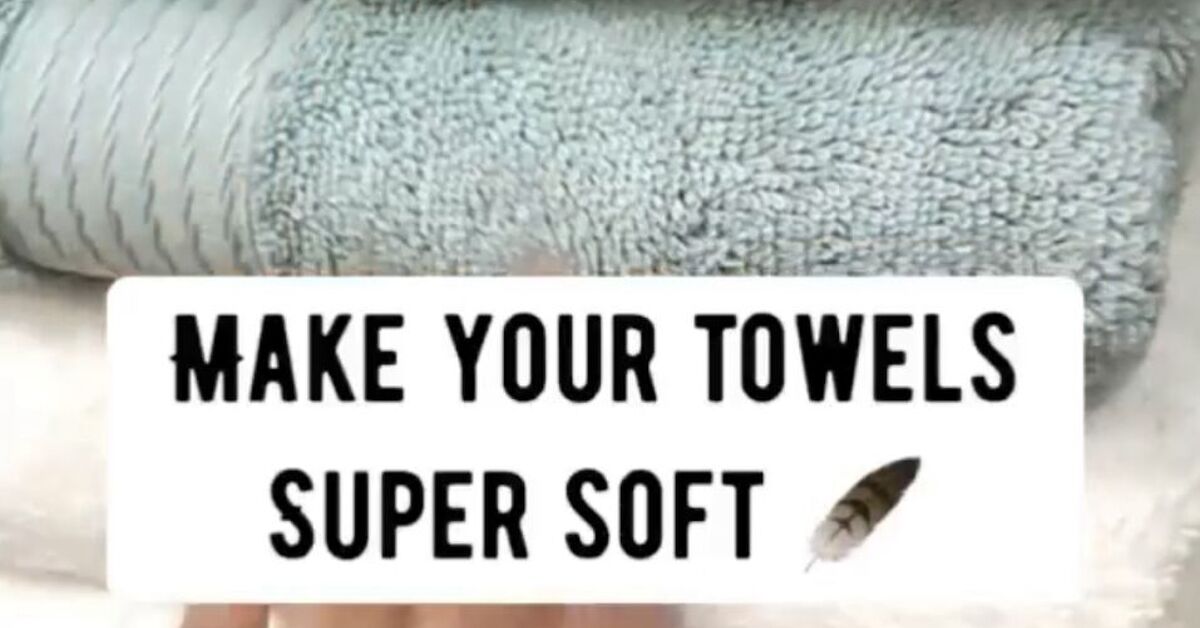
There are few household betrayals more personal than reaching for a bath towel after a warm shower and discovering it feels like it was woven from recycled cardboard and mild resentment. Towels are supposed to be fluffy, absorbent, and cozynot crunchy enough to exfoliate your entire personality.
The good news? You usually do not need to buy a new towel set, book a hotel stay, or whisper compliments to your linen closet at midnight. Most stiff towels are not “ruined.” They are simply weighed down by buildup from detergent, fabric softener, dryer sheets, minerals in hard water, body oils, and overzealous drying. In other words, your towels may just need a reset.
This guide explains how to make your towels super soft with 3 household items: distilled white vinegar, baking soda, and clean tennis balls or wool dryer balls. Used correctly, these simple items can help strip residue, neutralize odors, improve airflow in the dryer, and bring back that plush, hug-your-face towel feeling.
The method is easy, affordable, and refreshingly low-drama. No luxury laundry potion. No complicated ritual. No pretending you understand every symbol on the care tag. Just smart washing, smart drying, and a little towel therapy.
Why Towels Get Stiff, Scratchy, and Less Absorbent
Before you soften towels, it helps to know why they get rough in the first place. Most bath towels are made with loops of cotton or cotton-blend fibers. Those loops are what make a towel feel plush and absorb water. When the loops are open, clean, and flexible, the towel feels soft. When they are coated, crushed, or clogged, the towel feels stiff and performs badly.
Too Much Detergent Leaves a Film
More detergent does not always mean cleaner towels. In fact, using too much laundry detergent can leave residue behind, especially because towels are thick and thirsty. They absorb water, soap, minerals, and whatever else your washer throws at them. If the rinse cycle cannot remove all that detergent, the leftover film builds up in the fibers and makes towels feel scratchy.
Fabric Softener Can Backfire
Fabric softener sounds like the obvious solution, but towels are the plot twist. Many fabric softeners and dryer sheets coat fibers to create a smooth feel. That coating may feel nice at first, but it can reduce absorbency and trap residue over time. A towel that cannot absorb water is basically a decorative blanket with commitment issues.
Hard Water Minerals Can Make Towels Crunchy
If your home has hard water, minerals like calcium and magnesium can cling to towel fibers. Over time, that mineral buildup creates stiffness, dullness, and a less fresh feel. This is one reason towels may feel fine when new but become rough after repeated washes.
Overdrying Damages the Fluff
High heat and long drying cycles can weaken cotton fibers, flatten towel loops, and make towels feel brittle. Drying matters just as much as washing. A towel can come out of the washer clean and still leave the dryer feeling like a welcome mat if it has been roasted too long.
The 3 Household Items You Need
To refresh stiff towels, gather these simple items:
- Distilled white vinegar to help break down detergent and softener residue.
- Baking soda to help freshen, deodorize, and support softness.
- Clean tennis balls or wool dryer balls to separate towels in the dryer and improve fluffiness.
These items work best when used with good laundry habits: do not overload the washer, use the right water temperature, avoid fabric softener, and dry towels on low to medium heat. The magic is not one ingredient alone. The magic is removing buildup and letting the towel fibers breathe again.
Step-by-Step: How to Make Towels Super Soft Again
This method is ideal for towels that feel stiff, smell slightly musty, or have lost absorbency. It is especially helpful for older towels that have been washed many times with too much detergent or fabric softener.
Step 1: Wash Towels With White Vinegar
Place your towels in the washing machine, but do not overload it. Towels need space to move, rinse, and release buildup. A packed washer may clean the outside of the load while leaving the middle damp, soapy, and unimpressed.
Add 1 cup of distilled white vinegar directly to the washer drum. Do not add detergent. Do not add fabric softener. Do not add baking soda in this cycle. Run the towels on the warmest water setting allowed by the care label. White towels can often handle hot water, while colored towels usually do better with warm water to help protect color.
The vinegar cycle helps loosen residue from detergent, fabric softener, body oils, and minerals. Think of it as a reset wash. The goal is not to perfume the towels or make them smell like salad dressing. The goal is to remove the invisible gunk that has been making them feel stiff.
Important note: vinegar should be used occasionally, not in every single load. Frequent use may not be ideal for some washing machine parts over time. For regular maintenance, focus on using less detergent, rinsing well, and drying properly.
Step 2: Wash Again With Baking Soda
After the vinegar cycle finishes, leave the towels in the washer. Add 1/2 cup of baking soda directly into the drum. Again, do not add detergent or fabric softener. Run a second wash cycle using warm or hot water, depending on the towel care label.
Baking soda helps neutralize odors and freshen fabric. It can also help reduce the stale smell that sometimes lingers in towels that were left damp too long. If your towels have that “I sat in the washer overnight and made questionable life choices” smell, this step is your friend.
Do not combine vinegar and baking soda in the same wash cycle if your goal is maximum effectiveness. Together, they fizz dramatically, which is fun for a science fair volcano but less useful for laundry. Used separately, they each get a chance to do their job.
Step 3: Dry With Tennis Balls or Wool Dryer Balls
When the second wash cycle is done, remove the towels and give each one a strong shake before drying. This helps open the fibers and prevents the towels from entering the dryer as one giant damp burrito.
Place the towels in the dryer with 2 to 4 clean tennis balls or wool dryer balls. Dry on low to medium heat. The balls bounce around, separate the towels, improve airflow, and help fluff the fibers as they tumble. This reduces clumping and can help towels dry more evenly.
Remove towels when they are dry or just barely damp, then let them finish air-drying if needed. Avoid cooking them on high heat until every last molecule of moisture has surrendered. Overdrying can make towels rough and shorten their lifespan.
How Often Should You Use This Towel-Softening Method?
For most households, this deep-refresh method is best used every 4 to 8 weeks, depending on how often you wash towels and how hard your water is. If your towels are very stiff, you may need to repeat the process once more. However, it should not become your everyday laundry routine.
For normal weekly towel washing, use a smaller amount of detergent than you use for clothing, skip fabric softener, wash towels separately from lint-heavy or zipper-covered items, and dry them gently. Prevention is easier than rescue laundry. Your towels would prefer not to stage another intervention.
How to Keep Towels Soft After You Refresh Them
Once your towels are fluffy again, the next goal is keeping them that way. Soft towels are not just about ingredients. They are about habits. A few small changes can make a big difference.
Use Less Detergent
Try using about half the usual amount of detergent for towel loads, especially if you have a high-efficiency washer. Towels are thick and can hold onto suds. If your towels feel stiff or still smell like detergent after washing, you may be using too much.
Skip Fabric Softener and Dryer Sheets
Fabric softener can leave a coating that makes towels less absorbent over time. Dryer sheets can create a similar problem. If you want soft towels, focus on clean fibers, proper rinsing, and airflow instead of waxy coatings.
Wash Towels Separately
Towels are best washed with other towels. Avoid mixing them with jeans, hoodies, clothing with zippers, or delicate fabrics. Heavy items can rub against towel loops, while zippers and hooks can snag them. Also, lightweight clothes dry faster than towels, which can trick dryer sensors and leave towels damp.
Do Not Overload the Washer
Towels need room to move. If the washer is packed too tightly, water and detergent cannot circulate properly. That leads to poor rinsing, trapped residue, and uneven cleaning. A slightly smaller load usually gives better results than cramming in “just one more towel” like you are playing laundry Tetris.
Shake Towels Before Drying
A simple shake before drying helps loosen the towel loops and improve airflow. It takes about five seconds and makes you look like someone who has their life together, even if there is a mystery sock stuck to your sleeve.
Use Low or Medium Heat
High heat can be useful occasionally for sanitizing white towels, but it is not ideal for every load. Low to medium heat is gentler and helps protect towel fibers. The goal is dry and fluffy, not crispy.
Store Towels Only When Fully Dry
Never fold and store damp towels. Moisture trapped in a linen closet can lead to musty odors. Make sure towels are completely dry before putting them away, and store them in a well-ventilated space.
Common Mistakes That Make Towels Rough Again
Even after a successful towel refresh, a few laundry habits can quickly undo your progress. Here are the biggest mistakes to avoid.
Mistake 1: Adding Detergent to the Vinegar Reset Cycle
The vinegar cycle works best without detergent. Adding soap defeats the purpose because you are trying to remove buildup, not add more product to the fibers.
Mistake 2: Mixing Vinegar and Baking Soda Together
It may look exciting when vinegar and baking soda fizz, but that reaction reduces their usefulness for towel care. Use vinegar first, then baking soda in a separate cycle.
Mistake 3: Using Too Much Baking Soda
More is not always better. Stick with about 1/2 cup for a standard load. Too much powder can leave residue if it does not dissolve and rinse properly.
Mistake 4: Drying Towels Too Long
Overdrying can flatten fibers and make towels feel harsh. Remove towels when dry, not when they have been tumbling for an extra hour because you forgot they existed.
Mistake 5: Ignoring the Care Label
Some towels have special finishes, colors, or fiber blends. Always check the care label before using hot water, bleach, or higher dryer settings.
Can This Method Save Every Towel?
This method can dramatically improve many stiff towels, but it cannot perform miracles on towels that are threadbare, frayed, torn, or permanently damaged. If a towel is so thin you can see your future through it, softness may not be the main issue anymore.
As a rule, refresh before replacing. If the towel still feels rough after two reset treatments and careful drying, it may be near the end of its useful life. Old towels can still be repurposed as cleaning rags, pet towels, car-washing cloths, or emergency spill heroes. A towel may retire from bathroom duty and still have a respectable second career.
Best Routine for Soft Towels Every Week
For everyday towel laundry, try this simple routine:
- Wash towels after 3 to 4 uses, or sooner if they smell damp.
- Use warm water for most colored towels and hot water for white towels when the care label allows.
- Use less detergent than you would for a clothing load.
- Skip fabric softener and dryer sheets.
- Add dryer balls or clean tennis balls to improve airflow.
- Dry on low to medium heat.
- Store only when completely dry.
This routine keeps towel fibers cleaner, lighter, and more absorbent. It also helps prevent that dreaded stiff texture from returning. Your towels will not become luxury spa towels overnight, but they will stop acting like they belong in a garage.
Extra Experience: What Actually Works When You Try This at Home
In real life, towel softening is less about one magical trick and more about paying attention to the whole laundry process. The first time you try the vinegar-and-baking-soda reset, you may notice the biggest difference in towels that are thick but stiff. These towels often have plenty of life left; they are just coated with residue. After the first vinegar cycle, they may already smell cleaner. After the baking soda cycle and a gentle dry, they often feel lighter, fluffier, and more absorbent.
One practical lesson: do not overload the washer during the reset. It is tempting to toss in every towel you own because you are already running two cycles. But the method works better when the towels have space. If you stuff the machine until the door closes only with negotiation, the vinegar and baking soda cannot circulate well. Smaller loads give better rinsing and better results.
Another experience-based tip is to check how towels feel before they are fully dry. Many people run the dryer too long because thick towels can hide damp spots. Instead of blasting them on high heat, dry on medium, pause the dryer, shake the towels, and continue if needed. This keeps the fibers from becoming overcooked. Towels are not lasagna; they do not need a browned top.
The dryer-ball step is also more useful than it looks. Clean tennis balls or wool dryer balls help separate towels that would otherwise twist together. This is especially helpful with bath sheets, which are large enough to form a damp laundry burrito around smaller towels. Better separation means better airflow, shorter drying time, and a fluffier finish.
If your towels still smell musty after the reset, the problem may not be the towels alone. The washer may need cleaning, or towels may be sitting damp too long before washing or drying. A towel left in a dark hamper while damp can develop odors quickly. The best habit is to hang used towels so they dry between uses. If you throw damp towels straight into a hamper, you are basically creating a tiny spa for mildew, and mildew gives terrible reviews.
Hard water can also change the results. In homes with mineral-heavy water, towels may need more frequent maintenance because minerals cling to fibers. Using the correct detergent amount, adding an extra rinse when needed, and avoiding fabric softener become even more important. If towels repeatedly feel stiff after normal washing, hard water may be part of the story.
Finally, expectations matter. This method can make towels noticeably softer, fresher, and more absorbent, but it will not turn a worn-out bargain towel into a five-star hotel towel. Fiber quality, age, and fabric condition still matter. However, for many everyday towels, this simple three-item method is enough to delay replacement and make your bathroom feel more comfortable. That is a win for your skin, your budget, and the linen closet that has been silently judging you.
Conclusion
Learning how to make your towels super soft with 3 household items is really about removing what does not belong there. Distilled white vinegar helps loosen residue. Baking soda helps freshen and deodorize. Clean tennis balls or wool dryer balls help fluff the fibers during drying. Together with less detergent, no fabric softener, proper rinsing, and gentle heat, these small changes can make stiff towels feel soft and useful again.
The next time your towels come out rough, do not panic-buy a new stack. Give them a proper reset first. Your towels may not send you a thank-you note, but they will feel better against your skinand that is the kind of household victory worth celebrating.