If antique shopping sometimes makes you feel like you need a PhD in mahogany before you’re allowed to look at a chair, Puckhaber is a refreshing exception. This London antiques shop has built its reputation on something far more inviting: great taste, strong point of view, and the kind of confidence that does not need to shout. It is the sort of place that makes decorative antiques feel exciting instead of dusty, stylish instead of stiff, and surprisingly easy to imagine in a real home where people actually sit down, spill coffee, and argue about throw pillows.
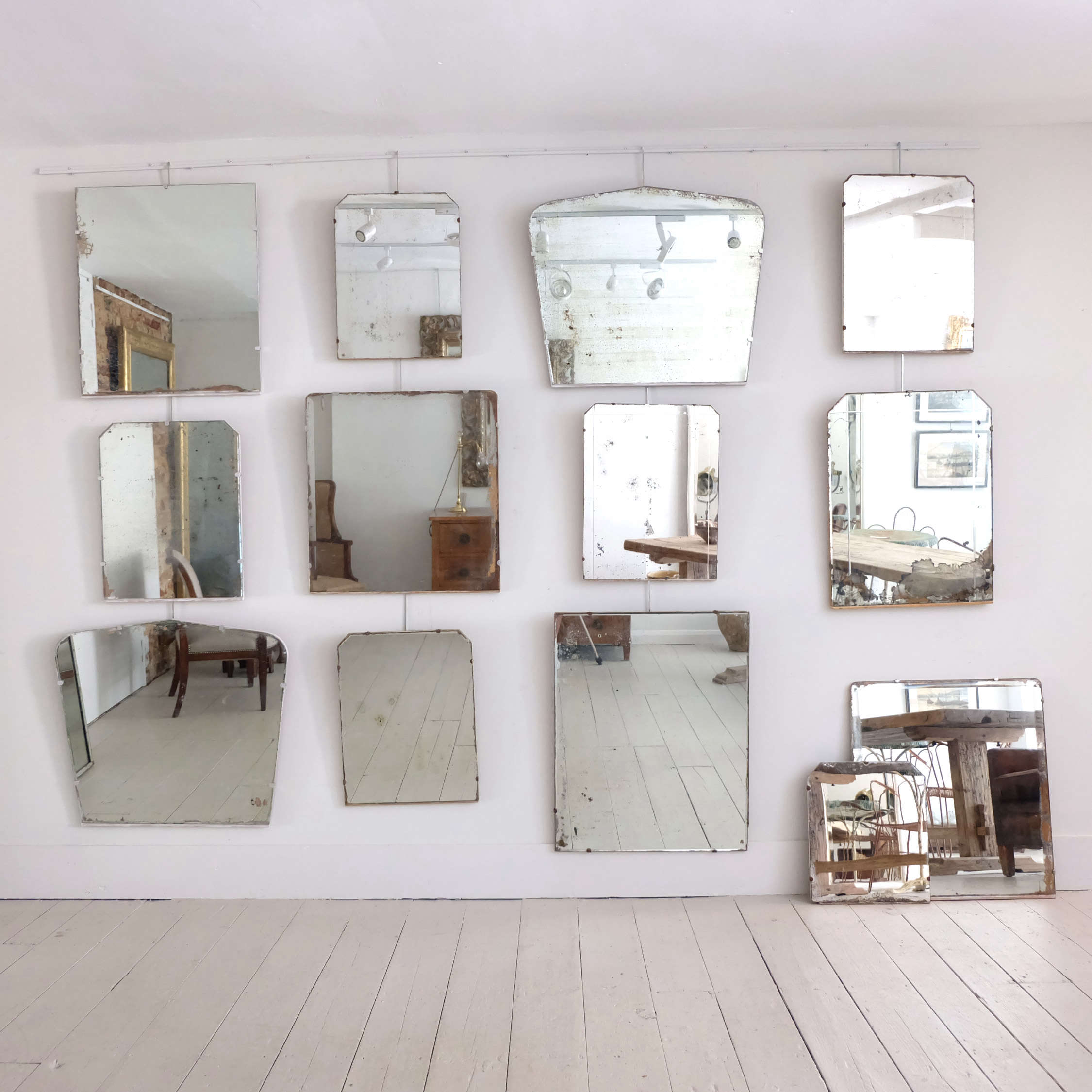
Puckhaber stands out because it combines old-world beauty with an editor’s eye. The shop is family-owned, known for continental decorative antiques, and especially admired for pieces that have age, patina, and personality without tipping into theatrical nonsense. Think French painted furniture, Swedish forms with elegant restraint, period mirrors that know how to catch light like professionals, and paintings or oddities that make a room feel collected rather than copy-and-pasted. In other words, this is not the antiques version of fast fashion. It is the opposite: slower, smarter, and much better dressed.
What Makes Puckhaber Different?
The quickest way to understand Puckhaber is to forget the old stereotype of the cramped antique shop where every surface is buried under brass, brocade, and quiet judgment. Puckhaber works in a different lane. Its appeal comes from curation. The business is known for sourcing French, Swedish, and other continental decorative antiques with a clear emphasis on originality, form, and visual charm. That focus matters. In a market crowded with reproductions, over-restored pieces, and furniture that looks “sort of old” in the same way instant coffee tastes “sort of premium,” originality is the whole game.
The shop’s family-owned character also gives it warmth. There is a real difference between inventory chosen by committee and inventory chosen by people who have spent years developing an instinct for what works. Puckhaber’s selections feel personal, not random. The result is a collection that can move from refined to quirky without losing coherence. One minute you are admiring a softly worn painted cabinet; the next you are eyeing a mirror with enough presence to make your plain white wall suddenly regret its life choices.
That sense of personality is a major reason the shop reads as chic. Chic is not just about expensive objects. It is about editing. It is about restraint. It is about knowing when a room needs one knockout antique instead of twelve smaller ones all shouting at once. Puckhaber seems to understand that the best decorative antiques do not merely fill space; they shift the mood of a room.
Why the Shop Feels Chic Instead of Stuffy
Plenty of antique dealers sell old things. Far fewer sell atmosphere. Puckhaber does. The shop’s look sits in that sweet spot between elegance and ease. Its stock often centers on original painted furniture, period mirrors, paintings, and unusual decorative finds. Those categories are important because they lend character without making a room feel like it is reenacting a minor royal scandal from 1812.
The French-and-Swedish Advantage
French and Swedish antiques have long appealed to designers because they are expressive without being heavy-handed. French decorative pieces can bring romance, softness, and sculptural detail. Swedish antiques, especially those with pale finishes and clean neoclassical lines, offer lightness and calm. Together, they create the layered, lived-in look many homeowners and designers want right now: polished, but not overdone; historic, but not trapped in the past.
This is one reason Puckhaber feels current. The shop is not chasing trends in the flimsy internet sense of the word. Instead, it leans into pieces that happen to work beautifully with how people decorate now. Rooms today often look best when they mix time periods, textures, and tones. A Gustavian-style cabinet can live happily beside modern art. A weathered French buffet can ground a sleek kitchen. An antique mirror can soften a minimalist entry hall in about three seconds flat.
Patina Is the Real Luxury
Another big part of Puckhaber’s charm is its affection for age that looks honest. Original paint, worn surfaces, foxed glass, softened edges, and subtle imperfections are not flaws in decorative antiques; they are the plot. They tell you the piece has had a life before arriving in your living room. In a world full of factory-perfect surfaces, patina feels almost rebellious. It says, “I have survived two wars, several redecorations, and at least one enthusiastic aunt.”
That kind of authenticity is exactly what makes antiques feel luxurious today. Not because they are flashy, but because they are unrepeatable. You can buy a brand-new sideboard anywhere. You cannot buy a century of quiet wear, beautiful proportion, and accidental poetry from a flat-packed box with an allen wrench and a warning label.
Lillie Road and the London Antiques Scene
Location matters, and Puckhaber’s London base adds to its identity. The shop has a showroom on Lillie Road, a stretch long associated with antiques and interiors. For design lovers, that matters because shopping in an antiques district is never just about one purchase. It is about context. It is about seeing styles side by side, comparing silhouettes, noticing finish, scale, and odd little details that photographs often flatten.
Lillie Road has the feel of a destination rather than a convenience stop. You go there because you want to look properly. You want to wander. You want to have the sort of day where you begin by searching for a mirror and somehow end up seriously considering a painted cabinet you did not know you needed until five minutes ago. That sort of browsing has always been central to the antiques world, and Puckhaber fits that culture perfectly.
The business also has depth beyond its London address. It has a second shop in Rye and a longstanding presence at the Decorative Antiques & Textiles Fair in Battersea. Those details matter because they suggest range, credibility, and an active role in the broader decorative antiques trade. This is not a brand built only for pretty online scrolling. It is rooted in real sourcing, real fairs, and real expertise.
What You Might Find at Puckhaber
One of the pleasures of following a dealer like Puckhaber is the variety. The inventory can include antique Swedish cabinets, Regency side tables, French bistro shelves, Empire marble-top commodes, original painted buffets, period mirrors, paintings, and other eccentric treasures that make a room feel alive. That breadth is part of the fun. The shop is not locked into one rigid formula, which means it can appeal both to serious collectors and to people who simply want one unforgettable piece.
That versatility also makes Puckhaber useful for modern decorating. A good antiques shop should not force you into a costume drama. It should help you build rooms with depth. A marble-top commode can add polish to a hallway. A painted buffet can warm up a kitchen or dining room. A period mirror can enlarge and brighten a smaller room without feeling generic. Antique paintings can bring soul to walls that would otherwise be doomed to live under the oppressive rule of blank beige.
And then there are the quirky pieces. Every great decorative antiques dealer needs a little mischief. Not chaos. Not clutter. Just enough oddness to keep the collection memorable. That is often where personality enters a room: in the object you were not searching for, but cannot stop thinking about once you have seen it.
How Puckhaber Aligns With Modern Interior Design
Puckhaber’s aesthetic makes sense today because the design world has swung hard toward rooms that feel layered, collected, and personal. Matching furniture sets look increasingly flat. Overly polished rooms can feel like hotel lobbies that forgot to develop a personality. Antiques solve that problem by adding contrast, history, and visual texture.
Puckhaber is especially well placed for this moment because its specialties translate beautifully into current interiors. Period mirrors bounce light and create drama. Painted furniture adds softness and color variation. Continental antiques bring a sense of travel and narrative. These are exactly the qualities designers often use to keep modern spaces from looking too cold or predictable.
The beauty of this approach is that it does not require a fully traditional home. In fact, some of the best interiors use antiques in contemporary settings. A sculptural antique table can make a sleek room feel grounded. A worn Swedish chair can take the edge off a modern bedroom. A grand mirror can elevate a simple fireplace. Antiques, when chosen well, do not freeze a space in the past. They keep it from becoming boring in the present.
Tips for Shopping a Place Like Puckhaber
If you are drawn to a London antiques shop like Puckhaber, go in with curiosity and a little strategy. First, look for construction and condition, not just surface charm. Original paint and age marks are wonderful; structural misery is less romantic. Open drawers. Check the back. Study the joinery. A piece should feel old in the right way, not tired in the alarming way.
Second, think about proportion. Antique furniture can be magical, but only if it fits your room and your life. Measure your space before you shop. That giant cabinet may look heroic in a showroom, but if it forces your front door to open only halfway, the mood will shift from “curated elegance” to “daily inconvenience.”
Third, buy the piece with emotional pull and practical potential. The best antiques do both. They make you feel something, and they earn their keep. A side table that brings beauty and function is always a smarter buy than a random object you chose only because it seemed vaguely European.
Finally, trust pieces with real character. Good decorative antiques do not need to be perfect. They need to be convincing. A little wear can be charming. A great line can beat a flawless finish. And a mirror with age in the glass will usually outclass a shiny new imitation trying far too hard to look “vintage.”
The Experience of Visiting Puckhaber in London
Visiting Puckhaber in London, at least in spirit and in the way design lovers talk about places like it, is less like running an errand and more like slipping into a carefully edited world. You do not storm in, grab a lamp, and storm out like you are buying paper towels. You slow down. You notice things. You start paying attention to the curve of a chair leg, the faded color on an old cabinet, the quiet drama of a mirror leaning against a wall like it knows it is better looking than the rest of us.
That is part of the appeal of a chic family-owned antiques shop. The atmosphere tends to feel more intimate than transactional. There is usually a sense that the objects have been selected, not merely stocked. At a place like Puckhaber, that matters. The mix of French, Swedish, and continental decorative antiques invites you to think in scenes, not just categories. You are not only seeing a table. You are imagining it in an entry hall with fresh branches in a ceramic vase. You are not only seeing a painted cupboard. You are picturing it holding linens, glasses, books, or whatever else your household has decided to scatter to the winds this week.
There is also a specific pleasure in seeing patina in person. Online, an antique can look beautiful. In real life, it can look unforgettable. The worn edge of paint, the ripple in old glass, the mellow tone of aged wood, and the tiny signs of use that photos barely capture all begin to work together. It is the difference between reading a menu and smelling dinner. One is informative. The other is persuasive.
A shop like Puckhaber also encourages a particular kind of optimism. You start out thinking, “I am just browsing.” Ten minutes later, your brain is redesigning an entire room around one mirror. Twenty minutes after that, you are mentally justifying why a French buffet is not an indulgence but a necessary contribution to your domestic well-being. This is how antique shopping works on otherwise rational adults, and frankly, it is part of the fun.
What makes the experience memorable, though, is not only temptation. It is education. Good antiques shops teach your eye. They help you understand proportion, finish, silhouette, and mood. You begin to notice why one piece feels alive and another feels clumsy. You learn that style is often about tension: rough with refined, faded with polished, grand with simple. Puckhaber’s type of inventory is especially useful for that because continental decorative antiques often balance elegance with ease. They are stylish, but they still feel human.
And then there is the emotional side. Family-owned shops often carry an energy that big retail spaces cannot fake. There is usually more conviction in the selection and more personality in the presentation. Even when you leave empty-handed, you leave with ideas. Maybe you remember a palette. Maybe you remember the way one antique chair transformed a plain corner. Maybe you leave thinking your home does not need more stuff; it just needs fewer, better things with more story attached. That is a pretty valuable souvenir, even if you somehow manage not to carry home a mirror the size of a small moon.
In that sense, Puckhaber is not only a place to shop. It is a reminder of what makes antiques compelling in the first place. They are not just old objects. They are design tools, mood shifters, conversation starters, and sometimes the one piece that rescues a room from looking like it was assembled by an algorithm. A visit to a shop like this can sharpen your taste, stretch your imagination, and make modern decorating feel richer, warmer, and far less generic. Not bad for an afternoon spent looking at old furniture.
Final Thoughts
Puckhaber in London earns its reputation because it offers more than antiques. It offers perspective. The shop shows how old pieces can feel elegant, relevant, and delightfully alive in modern homes. Its family-owned roots, continental eye, and emphasis on originality give it credibility. Its mix of painted furniture, mirrors, paintings, and unusual finds gives it style. And its place within the London antiques scene gives it context.
For anyone who loves rooms with soul, Puckhaber is the kind of antiques shop worth knowing. It proves that chic does not have to mean brand-new, and history does not have to feel heavy. Sometimes the smartest way to make a home feel current is to bring in something beautifully old, a little imperfect, and absolutely impossible to duplicate.