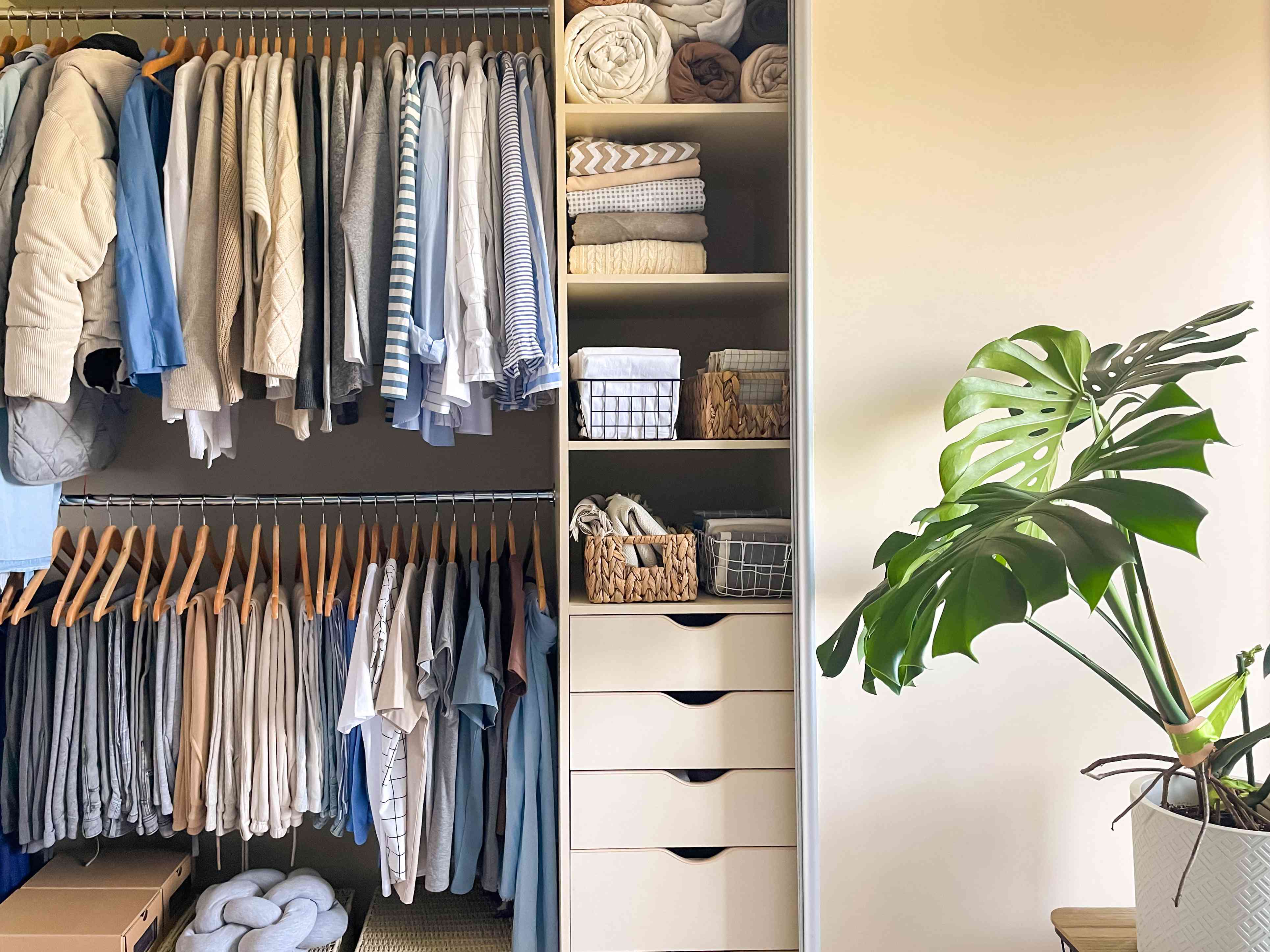
Professional organizers are not magical house elves with label makers for wandsalthough, frankly, some of them come close. Their homes are not perfect museum exhibits where every cereal box stands at attention and every sock has achieved enlightenment. What makes their spaces work is simpler and much more useful: they avoid the habits that quietly create clutter, waste time, and turn ordinary drawers into tiny escape rooms.
The secret is not buying more baskets, downloading a color-coded spreadsheet, or waiting for a free Saturday blessed by the organizing gods. Pro organizers build homes around function, realistic routines, and decisions made before clutter becomes a family member. They know that an organized home is not one that looks perfect for five minutes after cleaning. It is one that can recover quickly after real life happens.
So, what do professional organizers never do in their own homes? Below are eight habits they avoidand what they do insteadso your home can feel calmer, easier to manage, and less like it is quietly plotting against you.
1. They Never Buy Organizing Products Before Decluttering
Buying bins before decluttering is the home organization version of buying a fancy gym bag before ever doing a squat. It feels productive, it looks promising, and then suddenly you own twelve woven baskets that are now organizing absolutely nothing except your buyer’s remorse.
Professional organizers know that containers are the final step, not the first. Before they shop, they sort. They remove what no longer belongs, group what remains, measure the space, and only then decide whether a bin, drawer divider, shelf riser, or label is actually needed.
What they do instead
They follow a simple order: declutter, categorize, measure, then contain. For example, instead of buying pantry bins because they look lovely online, they first toss expired food, combine duplicates, group baking supplies, snacks, breakfast items, and canned goods, then choose storage that fits both the shelf and the food they actually buy.
This prevents the classic “organized clutter” problem: stuff looks neater, but there is still too much of it. A clear plastic bin full of random batteries, birthday candles, expired coupons, and one mysterious Allen wrench is not a system. It is a junk drawer wearing a hat.
2. They Never Keep Items “Just in Case” Forever
“Just in case” is one of clutter’s favorite disguises. It sounds responsible. It sounds prepared. It also explains why many homes contain old phone chargers for phones that have not existed since flip phones were considered cutting-edge technology.
Pro organizers do not keep every duplicate, outdated gadget, or half-useful object forever. They ask better questions: Do I use this? Do I like this? Would I buy it again today? Is it worth the space it takes up? Can I replace it easily if I truly need it later?
Examples of sneaky “just in case” clutter
Common culprits include extra mugs, mystery cables, old paint cans, single-use kitchen gadgets, spare tote bags, outdated electronics, plastic food containers without lids, and clothing kept for an imaginary future lifestyle. Yes, those jeans from 2011 remember you. No, they do not need to live rent-free in your closet.
Professional organizers value space as much as stuff. A cabinet with breathing room is more useful than one packed with items you might maybe possibly need if three very specific events happen on the same Tuesday.
3. They Never Create Systems That Are Too Complicated to Maintain
A beautiful system that nobody can maintain is not an organizing system. It is performance art. Professional organizers understand that the best system is the one you will actually use when you are tired, busy, carrying groceries, answering a text, and wondering why dinner has to happen every single night.
They avoid over-organizing. They do not create seventeen tiny categories when five broad ones will do. They do not fold every towel into a swan. They do not label containers with words so specific that one new purchase throws the entire system into emotional crisis.
What simple systems look like
In a family entryway, a pro organizer may use one basket for each person rather than a complex mail-and-accessory command center that requires a training manual. In a pantry, they may choose broad zones like “snacks,” “breakfast,” “baking,” and “dinner prep” instead of hyper-specific categories like “round crackers,” “rectangular crackers,” and “emotionally supportive crackers.”
Simple systems work because they reduce decision fatigue. When everyone knows where something belongs, putting it away becomes easier. The goal is not to impress visitors who open your drawers. The goal is to find your scissors without whispering threats at the junk drawer.
4. They Never Let Flat Surfaces Become Storage Units
Flat surfaces are clutter magnets. Kitchen counters, dining tables, nightstands, entry tables, dressers, and desks all seem to send out a tiny invitation: “Place one thing here and watch it multiply.” Professional organizers know this phenomenon well, and they do not negotiate with it.
They keep surfaces as clear as possible because visual clutter creates mental noise. A counter covered with mail, keys, receipts, school papers, coffee mugs, and a screwdriver from last weekend’s “quick project” can make an entire room feel chaotic, even if the cabinets are organized.
What they do instead
They assign homes to the items that usually land on surfaces. Mail gets a tray or wall pocket. Keys get a hook. Sunglasses get a small bowl. Chargers get a drawer. Receipts get recycled, scanned, or filed. Items that need action go in a clearly marked spotnot scattered across the home like a paper-based treasure hunt.
Pro organizers also use reset routines. A five-minute evening sweep can return surfaces to normal before clutter gets comfortable. Think of it as politely escorting your belongings back to their assigned seats.
5. They Never Treat a Junk Drawer as a Life Philosophy
Let us be honest: almost every home has a miscellaneous drawer. Even professional organizers may keep one. The difference is that they do not let it become a drawer-shaped black hole where tape, coins, batteries, takeout menus, broken pens, and existential dread gather for meetings.
A professional organizer’s version of a junk drawer is not actually junk. It is a utility drawer. It has categories, limits, and a purpose. It might hold scissors, tape, pens, a small screwdriver, sticky notes, rubber bands, and batteriesbut each item has a reason to be there.
How to fix a junk drawer
Empty it completely. Throw away trash, dried-out pens, expired coupons, and broken odds and ends. Relocate items that belong elsewhere. Then use small dividers, trays, or repurposed boxes to create sections. The drawer should open without requiring upper-body strength.
The best rule: if you would not look for the item in that drawer, it does not belong there. A tape measure makes sense. A passport, three soy sauce packets, and a birthday candle shaped like a dinosaur? Probably not.
6. They Never Store Things Where They Are Hard to Use
Professional organizers design homes around behavior, not fantasy. They do not store everyday items on the highest shelf, place children’s school supplies in an unreachable cabinet, or hide cleaning products so deeply that cleaning becomes an archaeological expedition.
They know that convenience drives consistency. If something is easy to access and easy to put away, people are much more likely to maintain the system. If putting something away requires a step stool, a prayer, and moving three other bins, that item is going to live on the counter forever.
Use the “point of use” rule
Store items near where they are used. Coffee mugs belong near the coffee maker. Laundry supplies belong near the washer. Dog leashes belong near the door. Homework supplies belong where homework actually happens, not where you wish homework happened in a magazine-worthy fantasy room.
Professional organizers also place frequently used items at eye level or within easy reach. Seasonal, sentimental, or rarely used items can go higher, lower, or farther away. Your holiday cookie cutters do not need prime kitchen real estate in July. Unless you are making summer gingerbread, in which case, carry on bravely.
7. They Never Ignore the Inflow of New Stuff
Decluttering once is helpful. Managing what enters the home is transformational. Professional organizers do not focus only on getting rid of clutter; they also pay attention to why clutter keeps returning. Spoiler: it often walks in through the front door inside shopping bags, delivery boxes, school backpacks, and “free” promotional tote bags.
Pro organizers are intentional about purchases. They avoid buying because something is on sale, trendy, or temporarily adorable. They know that every item comes with a hidden maintenance cost: it must be stored, cleaned, moved, remembered, and eventually dealt with.
Smart questions before buying
Before bringing something home, ask: Where will it live? Do I already own something similar? Will I use it within the next month? Does it solve a real problem? Am I buying this because I need it or because the internet convinced me my spice cabinet is morally inferior?
A simple one-in, one-out rule can help. Buy a new sweater, donate one that no longer fits your life. Bring home new food storage containers, recycle warped or mismatched ones. This keeps categories from expanding until they stage a quiet takeover.
8. They Never Wait for a Giant Decluttering Weekend
Professional organizers do not rely only on dramatic, all-day cleanouts. Those can help, but they are not the backbone of an organized home. The real magic is maintenance: small, repeatable actions that prevent chaos from reaching documentary-film levels.
Waiting for a huge free weekend often means clutter grows for weeks or months. By the time the big day arrives, the project feels overwhelming. Then you open one closet, see the situation, and suddenly decide the oven needs cleaning instead. Avoidance is very creative.
What they do instead
They build small resets into daily life. Five minutes to clear the kitchen counter. Ten minutes to sort mail. One quick pass through the fridge before grocery shopping. A donation bag in the closet. A weekly check of the entryway. These habits are small enough to do consistently and powerful enough to prevent major messes.
Professional organizers understand that maintenance is not failure. It is the system. Homes are active spaces. People cook, dress, work, study, relax, make messes, and occasionally buy an oddly specific kitchen tool at 11:42 p.m. The goal is not to stop life from happening. The goal is to make cleanup easier when it does.
Why These Habits Work So Well
These eight “never do” habits work because they address the real causes of clutter: excess, unclear homes for items, complicated systems, poor placement, emotional decision-making, and unmanaged inflow. Pro organizers are not simply tidier than everyone else. They remove friction.
When a system is simple, people use it. When items are stored near where they are needed, they return home faster. When surfaces stay clear, the whole room feels calmer. When fewer unnecessary things enter the house, fewer things have to be managed later.
Good organization is less about perfection and more about recovery speed. A home that can return to order in ten minutes is more functional than a home that looks flawless once a year after an exhausting weekend cleanout.
Room-by-Room Examples You Can Use Today
Kitchen
Remove duplicate tools, expired pantry items, chipped mugs, and containers without matching lids. Store daily dishes where they are easy to reach. Keep counters as clear as possible and create zones for cooking, coffee, snacks, and meal prep.
Bedroom
Do not let chairs become clothing storage with legs. Use a hamper for laundry, hooks for worn-but-not-dirty clothes, and nightstand drawers for small essentials. Keep only the books, skincare, chargers, and personal items you truly use by the bed.
Bathroom
Toss expired products, nearly empty bottles you never reach for, and duplicate toiletries. Group items by use: daily skincare, hair tools, medicine, backup supplies, and cleaning products. Avoid storing bulk items in prime daily-use areas.
Entryway
Create a landing zone that matches your real habits. Use hooks for bags and jackets, a tray for keys, a basket for returns, and a shoe solution that fits your household. If the entryway works, clutter is less likely to travel through the rest of the home.
of Real-Life Experience: What This Looks Like in an Actual Home
Here is the honest truth: most homes do not become messy because people are lazy. They become messy because systems are either missing, too complicated, or designed for a version of life that does not exist. In real homes, people rush out the door, kids drop things in surprising places, pets make executive decisions, groceries arrive before the fridge is ready, and laundry somehow regenerates like a mythological creature.
One of the most useful organizing lessons is to watch where clutter naturally lands. That pile of mail on the kitchen counter is not random. It is data. It says, “This is where paper enters the home, and there is no easy next step.” Instead of yelling at the counter, create a paper station nearby: recycle, action, file. Suddenly the counter is not the villain; it was just doing unpaid administrative work.
The same applies to clothing. If clothes always land on a bedroom chair, the problem may not be the chair. The closet may be too full, the hamper may be inconvenient, or there may be no place for items that have been worn once but are not ready for laundry. Add hooks, clear space in the closet, or place a hamper where clothes actually get removed. A good system meets the habit halfway.
Another real-life lesson: do not organize for Instagram unless Instagram is paying your mortgage. Matching containers can be beautiful, but beauty alone will not maintain a pantry. If your family cannot see snacks, they may open every box like raccoons in a buffet. If bins are too deep, food disappears. If labels are too specific, nobody knows where the crackers go when the “artisan multigrain crispbread” label is full. Practical beats perfect every time.
Maintenance also becomes easier when it is attached to existing routines. Clear the bathroom counter while brushing your teeth. Check the fridge before making a grocery list. Take donations to the car when leaving for errands. Reset the living room during the closing credits of a show. These are not heroic tasks. They are tiny moments that keep clutter from gaining confidence.
Finally, organized homes still get messy. This is important. A lived-in home will never remain frozen in a perfect “after” photo. The difference is that an organized home has a path back. When every item has a reasonable place to go, cleanup is not a mystery. It is just returning things to their homes. That is why professional organizers focus less on perfection and more on repeatable systems. The best organizing strategy is the one your real, tired, busy, snack-seeking self will actually follow.
Conclusion: Organize Like a Pro, Not a Perfectionist
Professional organizers do not keep calm homes because they own magical bins or alphabetize their soup cans under moonlight. They avoid the habits that make homes harder to manage. They declutter before buying storage, let go of “just in case” items, keep systems simple, protect flat surfaces, control incoming clutter, and maintain spaces in small, realistic ways.
If your home feels overwhelming, start with one habit from this list. Clear one surface. Fix one drawer. Remove one category of things you no longer use. Create one easy place for items that always wander. Small changes can shift the feeling of an entire home.
An organized home is not a perfect home. It is a home that supports daily life instead of arguing with it. And honestly, any home that helps you find your keys without launching a full investigation deserves applause.