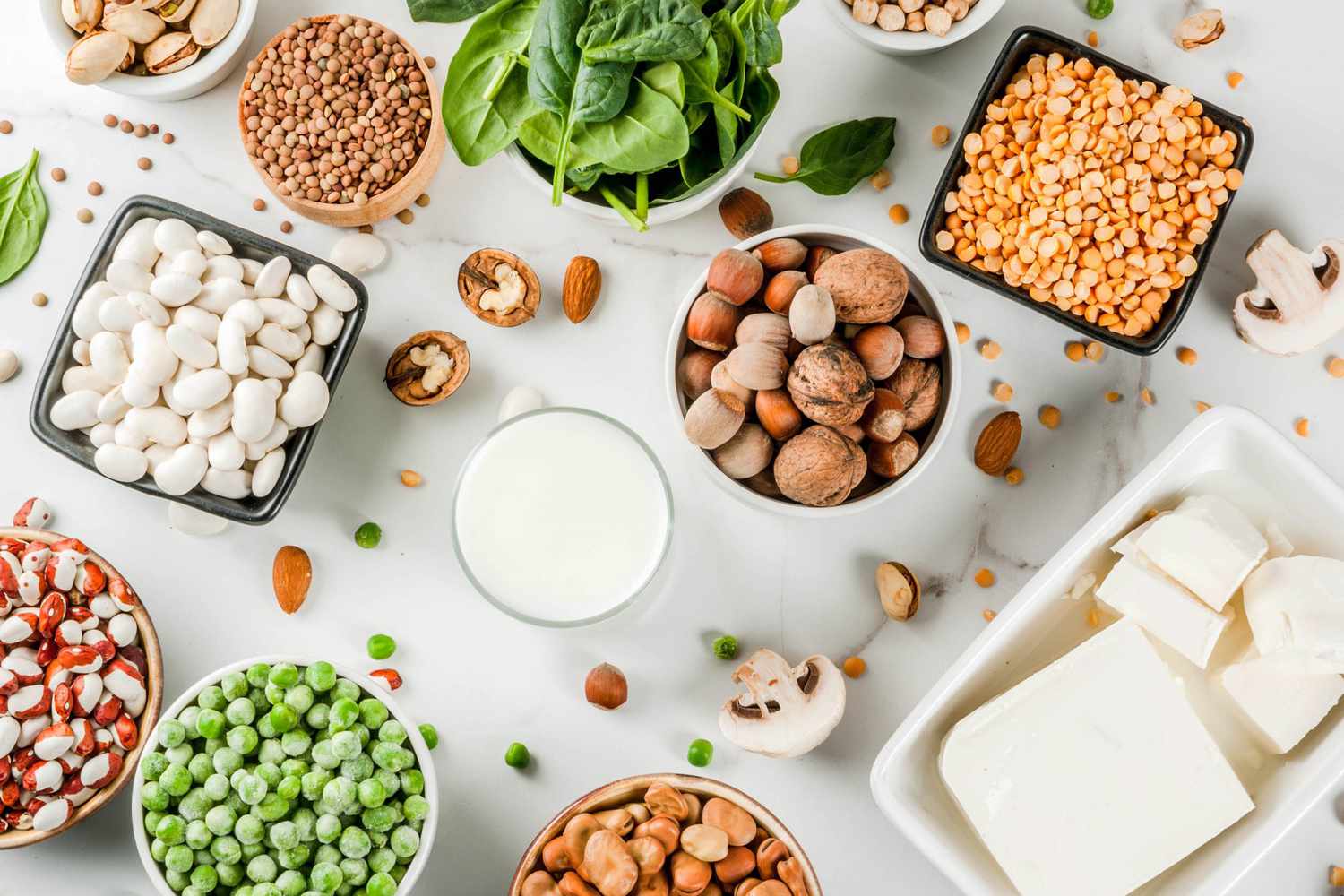
Protein has officially entered its main-character era. Once talked about mostly by bodybuilders, gym regulars, and the person at brunch who somehow brings a shaker bottle everywhere, protein is now a major focus for anyone who wants steady energy, better meals, muscle support, and snacks that do not leave them raiding the pantry 38 minutes later.
Registered dietitians often remind people that protein is not just about “getting swole.” It helps build and repair tissues, supports immune function, keeps hair and nails healthy, and plays a big role in satiety. In normal human language: protein helps meals feel like meals, not tiny edible suggestions.
Still, not all high-protein foods are the same. Some are lean and light, some bring healthy fats, some offer fiber, and some are excellent because they are affordable, easy to prepare, and unlikely to require a culinary degree or a dramatic grocery budget. The best protein foods are not just the ones with huge numbers on a nutrition label; they are the ones that fit into real life.
Below are eight foods that deliver impressive protein, according to nutrition guidance commonly shared by registered dietitians, along with practical ways to eat them without getting bored.
Why Protein Matters in a Healthy Diet
Protein is one of the three major macronutrients, along with carbohydrates and fat. It is made of amino acids, which your body uses for muscle repair, hormone production, enzymes, immune support, and many other behind-the-scenes jobs that do not get enough applause.
For most healthy adults, protein needs depend on body size, activity level, age, and goals. Someone who is active, strength training, recovering from illness, or trying to maintain muscle may need more than someone who is mostly sedentary. That is why registered dietitians usually recommend looking at the full eating pattern rather than obsessing over one magic protein number.
A balanced high-protein diet should also include fiber-rich carbohydrates, colorful vegetables, fruits, and healthy fats. Translation: chicken breast is useful, but it does not need to live alone on a sad plate like it is waiting for a motivational speech.
8 Foods That Have the Most Protein
1. Chicken Breast
Chicken breast is one of the classic high-protein foods for a reason. A cooked, skinless chicken breast is lean, versatile, and packed with protein. A 3-ounce serving typically provides around 26 grams of protein, making it a strong choice for people who want a lot of protein without a lot of saturated fat.
Registered dietitians often like chicken breast because it is easy to pair with other nutritious foods. It can go into grain bowls, salads, wraps, soups, tacos, pasta dishes, and meal-prep containers that make weekday lunches feel less like a survival challenge.
The trick is to avoid cooking it into rubber. Marinating chicken breast, baking it with broth, using a meat thermometer, or slicing it after resting can keep it juicy. Season it with garlic, paprika, lemon, herbs, yogurt-based marinades, or a simple olive oil and spice blend. High protein does not have to mean “tastes like printer paper.”
2. Turkey Breast
Turkey breast is another lean protein powerhouse. It is similar to chicken breast in that it provides a high amount of protein with relatively little fat, especially when the skin is removed. A 3-ounce cooked portion usually delivers about 24 to 26 grams of protein.
Turkey is not just for Thanksgiving, and it deserves better than being remembered only as the meat that makes people argue about gravy. Sliced roasted turkey can be used in sandwiches, lettuce wraps, omelets, salads, and high-protein snack plates. Ground turkey can also work well in chili, meatballs, burgers, and skillet meals.
When choosing deli turkey, dietitians often recommend checking sodium levels because processed meats can be surprisingly salty. Fresh roasted turkey or lower-sodium options are usually better choices for regular meals.
3. Tuna
Tuna is compact, convenient, and protein-rich. A 3-ounce serving of canned tuna typically contains around 20 to 25 grams of protein, depending on the variety and whether it is packed in water or oil. It is also a source of important nutrients such as selenium and vitamin B12.
Dietitians often appreciate tuna because it is shelf-stable, budget-friendly, and easy to turn into a fast lunch. Mix it with Greek yogurt, avocado, mustard, chopped celery, herbs, or a little olive oil for a lighter tuna salad. Serve it on whole-grain toast, in lettuce cups, over greens, or with crackers and vegetables.
Because tuna can contain mercury, it is smart to vary seafood choices and follow food safety guidance, especially for children, pregnant people, and anyone eating tuna frequently. Light tuna is usually lower in mercury than albacore. The goal is not to panic; it is to rotate your protein sources like a responsible adult with a grocery cart.
4. Salmon
Salmon brings protein plus heart-healthy omega-3 fats, which makes it one of the most nutrient-dense choices on this list. A 3-ounce cooked portion of salmon usually provides about 22 grams of protein. It is also rich in vitamin D, vitamin B12, and minerals that support overall health.
Registered dietitians often recommend salmon because it does more than check the protein box. The omega-3 fats in fatty fish are associated with heart and brain health, and salmon fits beautifully into many eating patterns, including Mediterranean-style meals.
For easy preparation, bake salmon with lemon and herbs, air-fry it with a light spice rub, or flake leftovers into rice bowls. Canned salmon is also a smart option. It is often more affordable than fresh fillets and works well in salmon patties, salads, sandwiches, or pasta.
5. Greek Yogurt
Greek yogurt is one of the easiest high-protein foods to add to breakfast or snacks. One cup of plain nonfat or low-fat Greek yogurt can provide roughly 20 grams of protein, depending on the brand. It also offers calcium and probiotics, which may support digestive health.
The key word here is plain. Flavored yogurts can be delicious, but some contain a lot of added sugar. Dietitians often suggest starting with plain Greek yogurt and adding your own fruit, cinnamon, nuts, seeds, or a small drizzle of honey. That way, you control the sweetness instead of letting a strawberry-flavored sugar avalanche make decisions for you.
Greek yogurt is also a useful kitchen ingredient. Use it in smoothies, overnight oats, dips, sauces, salad dressings, pancake batter, or as a tangy substitute for sour cream. It is protein with a secret identity.
6. Cottage Cheese
Cottage cheese has made a comeback, and honestly, it seems very pleased with itself. One cup of low-fat cottage cheese can provide around 24 to 28 grams of protein, making it one of the highest-protein dairy options available.
Registered dietitians often like cottage cheese because it contains casein, a slowly digested dairy protein that may help keep you full longer. It is also rich in calcium and can be used in sweet or savory meals.
For a sweet option, pair cottage cheese with berries, peaches, cinnamon, or chopped nuts. For savory meals, add tomatoes, cucumber, black pepper, everything bagel seasoning, or avocado. You can also blend cottage cheese into pasta sauces, scrambled eggs, smoothies, or pancake batter for a creamy protein boost without making the dish taste like a gym brochure.
7. Lentils
Lentils prove that high-protein foods do not need to come from animals. One cooked cup of lentils provides about 18 grams of protein, plus a generous amount of fiber, iron, folate, and complex carbohydrates. That combination makes lentils especially filling and helpful for steady energy.
Dietitians often recommend lentils because they support heart-healthy eating patterns and are budget-friendly. They are also quicker to cook than many dried beans, which is excellent news for anyone who has ever stared at a bag of dried legumes and realized dinner might happen tomorrow.
Add lentils to soups, curries, tacos, pasta sauce, salads, or grain bowls. Red lentils cook down into a soft texture that works beautifully in stews and creamy soups, while green and brown lentils hold their shape better for salads and meal prep.
8. Edamame
Edamame, or young soybeans, is a plant-based protein favorite among dietitians. One cooked cup provides around 17 to 18 grams of protein, along with fiber, iron, folate, and other important nutrients. Unlike many plant proteins, soy is considered a complete protein because it contains all nine essential amino acids.
Edamame is also wonderfully low-effort. You can buy it frozen, steam it in minutes, sprinkle it with a little sea salt, and suddenly you have a snack that feels restaurant-adjacent. Shelled edamame can be tossed into stir-fries, noodle bowls, salads, soups, fried rice, or grain bowls.
For people who want more plant-based protein but do not want to live entirely on protein bars and hope, edamame is an easy win.
How to Choose the Best High-Protein Foods
The “best” protein food depends on what else comes with it. A food may be high in protein but also high in sodium, added sugar, saturated fat, or calories. That does not automatically make it forbidden, but it does mean the full nutrition picture matters.
Look Beyond the Protein Number
Chicken breast, salmon, lentils, Greek yogurt, and edamame all provide protein, but they bring different benefits. Salmon provides omega-3 fats. Lentils provide fiber. Greek yogurt provides calcium. Edamame provides plant-based complete protein. A smart diet includes variety because your body is not looking for just one nutrient; it is running a full-time biochemical operation.
Balance Animal and Plant Proteins
Animal proteins such as poultry, fish, eggs, and dairy are usually complete proteins. Plant proteins such as lentils, beans, nuts, seeds, and whole grains can also support protein needs, especially when eaten in a varied diet. Combining plant foods throughout the day helps cover essential amino acids while adding fiber and beneficial plant compounds.
Keep Preparation Simple
A high-protein food loses some of its health glow if it is always deep-fried, buried under heavy sauces, or paired with ultra-processed sides. Grilling, roasting, steaming, sautéing, baking, and air-frying are easy ways to keep meals flavorful without turning them into a nutritional plot twist.
High-Protein Meal Ideas Using These Foods
If you want more protein without eating the same meal repeatedly, build meals around a protein anchor and then add fiber, color, and flavor. Here are a few simple ideas:
- Breakfast: Greek yogurt with berries, chia seeds, and chopped almonds.
- Lunch: Turkey and avocado wrap with vegetables and a side of fruit.
- Dinner: Salmon with roasted vegetables and quinoa or brown rice.
- Snack: Cottage cheese with tomatoes and black pepper, or edamame with a pinch of salt.
- Plant-based meal: Lentil curry with spinach and a scoop of rice.
The easiest way to eat more protein is not to overhaul your entire life by Tuesday. Start by adding one protein-rich food to a meal that is currently low in protein. Add Greek yogurt to breakfast, edamame to lunch, lentils to soup, or salmon to dinner. Small upgrades often stick better than dramatic diet makeovers that require 14 containers and emotional support.
Common Mistakes People Make With Protein
Eating Most Protein at Dinner
Many people eat very little protein at breakfast, a moderate amount at lunch, and then a giant portion at dinner. Spreading protein across the day may help with fullness and muscle support. Try including protein at each meal instead of saving it all for the evening like a nutritional finale.
Forgetting About Fiber
Protein helps with satiety, but fiber is its best friend. Lentils, edamame, beans, vegetables, fruit, and whole grains help make meals more satisfying. A plate with protein and fiber is far more likely to keep you full than protein alone.
Relying Too Much on Supplements
Protein powders and bars can be convenient, but whole foods offer vitamins, minerals, healthy fats, and fiber that supplements may not provide. There is nothing wrong with using a protein shake when it fits your routine, but it should not be the only protein strategy unless your blender has become your legal guardian.
Experience-Based Notes: What Eating More High-Protein Foods Looks Like in Real Life
In real life, eating more protein is less about perfection and more about making meals easier to repeat. The most successful high-protein habits usually come from convenience. If a food is hard to cook, expensive, or boring after two bites, it probably will not become part of your regular routine, no matter how impressive its nutrition profile looks.
One practical experience many people notice is that breakfast becomes much more satisfying when protein is included. A bowl of cereal alone may taste great, but it can leave you hungry quickly. Add Greek yogurt, cottage cheese, eggs, or a smoothie with protein-rich ingredients, and the meal tends to last longer. It is not magic; it is just better meal structure.
Meal prep also becomes easier when you rotate two or three reliable proteins. For example, cook chicken breast for wraps, keep canned tuna for emergency lunches, and store frozen edamame for fast snacks. This creates a “protein safety net,” which is much better than opening the fridge and hoping inspiration appears next to the ketchup.
Another useful lesson is that seasoning matters more than people think. Many high-protein foods are neutral by nature. Chicken breast, lentils, cottage cheese, and Greek yogurt can all taste plain if you do nothing to them. But with herbs, spices, citrus, garlic, salsa, hot sauce, fruit, or crunchy toppings, they become completely different meals. Protein boredom is usually a flavor problem, not a protein problem.
Plant-based proteins are especially helpful for people who want fullness without relying only on meat. Lentils and edamame are excellent examples because they provide both protein and fiber. That combination can make meals feel hearty without being heavy. A lentil soup, for instance, can be inexpensive, filling, and easy to cook in a big batch. It is the kind of meal that quietly saves the week.
People also tend to do better when they stop thinking of high-protein eating as a strict diet. It does not require eating grilled chicken at every meal or turning snacks into math homework. A high-protein pattern can include salmon tacos, turkey chili, yogurt parfaits, tuna toast, edamame bowls, cottage cheese pancakes, and lentil pasta sauce. The variety is what keeps the habit alive.
Another real-world tip: keep protein visible. Put Greek yogurt at eye level in the fridge. Keep tuna cans in the pantry. Store cooked lentils in clear containers. Place edamame in the freezer where you can actually see it. Foods that are easy to find are easier to eat. Foods hidden behind mystery leftovers often become archaeological discoveries.
Finally, remember that protein works best as part of a balanced plate. A meal with salmon, vegetables, and a whole grain will usually feel better than salmon alone. A bowl with lentils, greens, avocado, and rice is more enjoyable than plain lentils eaten with the enthusiasm of a homework assignment. The goal is not to chase protein numbers all day. The goal is to build meals that support energy, fullness, strength, and long-term health while still tasting like something you are happy to eat.
Conclusion
The highest-protein foods are not limited to one category. Chicken breast, turkey breast, tuna, salmon, Greek yogurt, cottage cheese, lentils, and edamame all bring serious protein to the table, but each one offers something different. Some are lean and simple, some are rich in healthy fats, and others provide fiber and plant-based nutrition.
Registered dietitians often recommend choosing protein foods that are nutrient-dense, practical, and enjoyable. That means looking beyond protein grams and considering the full meal: vegetables, fiber, healthy fats, whole grains, and flavor. Because yes, flavor still counts. Your taste buds are part of the committee.
If you want to increase protein intake, start small. Add Greek yogurt to breakfast, lentils to soup, salmon to dinner, or edamame to snack time. The best protein routine is the one you can actually keep doing without feeling like you joined a very intense meal-prep cult.
Note: Nutrition values are approximate and can vary by brand, cut, preparation method, and serving size. This article is for general educational content and should not replace personalized medical or nutrition advice from a qualified professional.