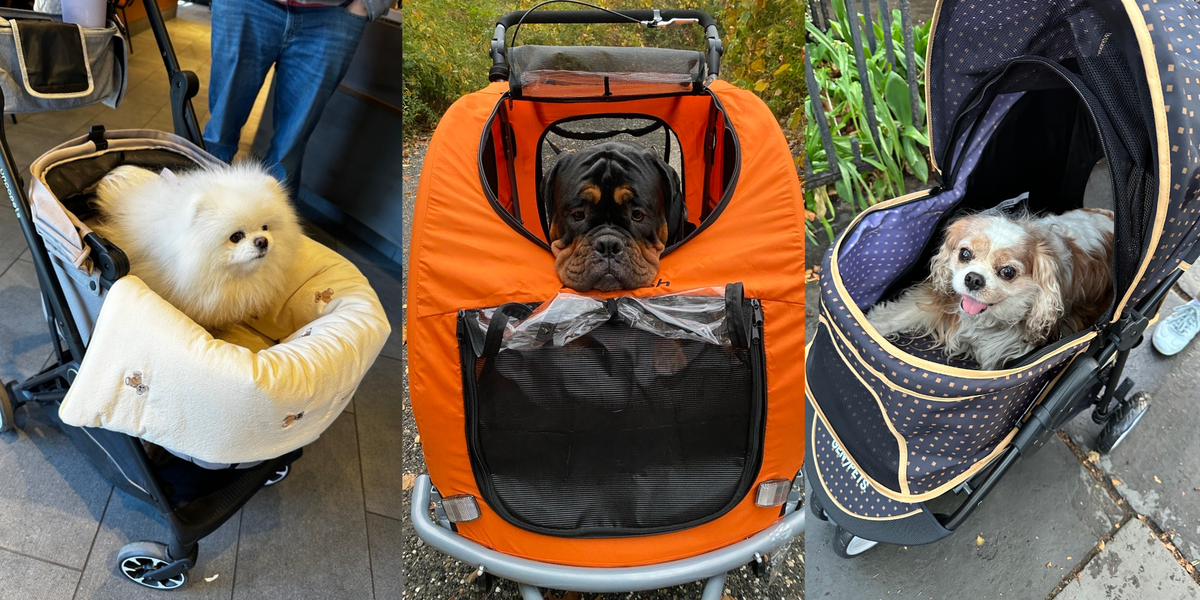
A dog stroller may look like the final stage of “my dog is my child” energy, but it can also be a genuinely practical piece of pet gear. For senior dogs, pups recovering from an injury, small dogs in busy public spaces, and tired four-legged explorers with big opinions, a quality dog stroller can make outings more comfortable and more inclusive.
The best dog stroller is not necessarily the fanciest one with the most cup holders for your iced coffee. It is the model that fits your dog comfortably, rolls smoothly where you actually walk, folds without requiring a degree in engineering, and keeps your pet secure when a squirrel suddenly appears with suspiciously high drama.
This guide highlights six favorite dog strollers based on recurring dog-parent feedback, independent product testing, retailer reviews, and manufacturer features. Some are ideal for quick neighborhood walks. Others are built for bigger dogs, rougher sidewalks, or frequent errands. One is basically the luxury SUV of dog strollers, minus the monthly gas bill.
Why Dog Parents Buy Dog Strollers
Dog strollers are not just for tiny dogs wearing sweaters with more accessories than their owners. They can help older dogs continue enjoying fresh air, neighborhood smells, and family routines without walking farther than their joints can comfortably handle. They can also be useful for dogs on restricted activity after surgery, puppies that get overwhelmed or exhausted, and brachycephalic breeds that may struggle during warm-weather walks.
A stroller can also make crowded places easier to manage. Small dogs can get underfoot at outdoor markets, festivals, pet-friendly shopping areas, and busy sidewalks. A secure pet stroller gives them a place to rest while still being part of the outing. For anxious dogs, the enclosed cabin can provide a calmer retreat from unfamiliar people, noises, and other dogs.
That said, a stroller should support your dog’s life, not replace all movement, training, and enrichment. A healthy dog still benefits from appropriate walks, sniffing, play, and veterinary-guided exercise. Think of a dog stroller as a mobility tool, a travel helper, or an occasional VIP loungenot a permanent substitute for being a dog.
What Makes a Dog Stroller Worth Buying?
Before choosing a dog stroller, focus on fit before fashion. Measure your dog while sitting and lying down, then compare those measurements with the interior cabin dimensions. Weight capacity matters, but a stroller can technically support your dog’s weight while still being too narrow or too short for comfortable lounging.
Look for a flat, padded floor; mesh windows for airflow; secure interior tether points; reliable brakes; and an entry system that works for your dog. Senior dogs and dogs with mobility issues may need front or rear entry so they do not have to be lifted. For bumpy sidewalks, grass, or park trails, larger wheels and better suspension make a noticeable difference.
Finally, think about your own routine. A heavy stroller may be wonderfully sturdy but annoying if you live in a walk-up apartment. A lightweight stroller may be perfect for errands but less comfortable on cracked pavement. The right dog stroller is the one you will actually use instead of storing behind the vacuum cleaner until 2031.
6 Favorite Dog Strollers for Different Types of Dog Parents
1. Pet Gear AT3 No-Zip Pet Stroller: Best Overall for Everyday Adventures
The Pet Gear AT3 No-Zip Pet Stroller is a strong choice for dog parents who want one stroller that can handle neighborhood walks, parks, outdoor events, and uneven sidewalks. Its no-zip entry system is especially appealing for people who have wrestled with ordinary zipper closures while their dog stands nearby offering zero emotional support.
With a capacity of up to 75 pounds, this stroller can work for one medium-to-large dog or multiple smaller dogs, provided they have enough room to sit and lie down comfortably. Front and rear entry points make it easier for dogs with arthritis, reduced mobility, or post-surgery restrictions to step in without being lifted. The larger wheels and all-terrain design also make it more capable than lightweight city-only models.
Dog parents tend to like the roomy cabin, easy access, and stable ride. The tradeoff is size: this is not the stroller to buy if you need something tiny enough to disappear into a closet. But for regular use, the AT3 offers a practical blend of capacity, durability, and comfort.
2. Gen7Pets Promenade Pet Stroller: Best for Small Dogs and Everyday City Walks
The Gen7Pets Promenade Pet Stroller is popular with dog parents who want a polished, easy-to-use option for small dogs, two tiny dogs, or one pup up to 50 pounds. It has a roomy interior compartment, front and rear entry, dual safety tethers, storage space, and a fold-flat design for easier transport.
Its standout feature is the Smart-Canopy, which can be closed to keep a dog securely contained or folded back beneath the hood to give a relaxed rider more space and visibility. That flexibility matters because some dogs enjoy watching the world like a tiny mayor on parade, while others prefer a more sheltered ride.
The Promenade is especially useful for sidewalk strolls, shopping districts, pet-friendly patios, and errands. It is not the most rugged stroller for trail hiking, but it offers a smooth, comfortable ride for everyday outings. The washable comfort pad is another dog-parent favorite because muddy paws and snack crumbs have a way of becoming permanent members of the family.
3. Pet Gear Happy Trails Lite No-Zip Pet Stroller: Best Budget-Friendly Pick
The Pet Gear Happy Trails Lite No-Zip Pet Stroller is a sensible option for smaller dogs and dog parents who want an easy entry-level stroller without jumping straight into premium pricing. It is designed for pets up to 25 pounds and works well for short walks, errands, outdoor dining, and occasional trips to busy places.
Its no-zip entry system is a major convenience. Instead of carefully zipping fabric around a wiggly dog, the canopy closes with an easy-locking mechanism. The stroller also includes mesh windows for ventilation and an elevated paw rest that lets curious dogs look out during the ride.
This is a good fit for a Chihuahua, Yorkie, Pomeranian, Maltese, toy poodle, or other small dog that tires easily or gets nervous in crowds. It is lightweight and manageable, though the smaller wheels mean it performs best on smoother sidewalks rather than rough trails, gravel, or terrain that resembles the surface of the moon.
4. Pet Gear No-Zip Jogger Pet Stroller: Best for Active Dog Parents
The Pet Gear No-Zip Jogger Pet Stroller is built for dog parents who want a sturdier ride for longer walks and more active routines. Its larger wheels, front-wheel steering options, and more athletic design make it better suited to park paths, uneven sidewalks, and smoother jogging routes than a compact travel stroller.
It can support dogs up to 75 pounds and includes an elevated paw rest, mesh windows, storage space, interior tethering, and a no-zip entry system. The larger cabin and wheels are especially useful for dogs that need frequent rest breaks but still want to join their person on longer outdoor outings.
This stroller is not a magic permission slip to sprint downhill while your dog bounces around like laundry in a dryer. Use it responsibly, secure your dog with a properly fitted harness, keep speeds reasonable, and follow the manufacturer’s directions. For controlled walks and light jogging on appropriate surfaces, though, it can be a helpful companion for active households.
5. HPZ Pet Rover Titan HD: Best for Large Dogs and Multi-Dog Families
The HPZ Pet Rover Titan HD is designed for dog parents who need serious space. With a capacity of up to 100 pounds and a large pet compartment, it can work for a large senior dog, a dog with mobility limitations, or several smaller dogs that enjoy traveling together without arguing over legroom.
One of its most useful features is the retractable access ramp. For a dog that cannot comfortably jump, be lifted, or climb into a standard stroller, a ramp can be a game changer. The Titan HD also includes a multi-position canopy, large wheels, storage, and a heavy-duty frame built for bigger pets.
The downside is obvious: this stroller is large, heavier than compact models, and not ideal for tight apartments or small car trunks. But for a large dog that deserves to keep joining family walks, farmer’s market trips, and outdoor events, the extra size can be worth it. Think of it as less “cute little buggy” and more “mobile penthouse suite for a Labrador.”
6. Tavo Pets Maeve + Roscoe System: Best Premium Stroller and Car Seat Combination
The Tavo Pets Maeve + Roscoe system is aimed at dog parents who frequently drive with their dog and want a premium travel setup. The system combines a stroller frame with a removable pet carrier that can also function as a car seat when used according to the manufacturer’s instructions.
This option is especially appealing for small-to-medium dogs that regularly accompany their humans on errands, road trips, vet visits, and pet-friendly travel. The removable carrier can move from stroller to vehicle more easily than transferring a dog from one piece of gear to another, which can be helpful for anxious dogs or pups with mobility challenges.
The catch is price. This is a luxury option, and it costs significantly more than a basic stroller. Still, for dog parents who prioritize car travel, polished design, and one integrated system, it can be a worthwhile long-term investment. It is the kind of stroller that makes you wonder whether your dog should start contributing to the household budget.
How to Choose the Right Dog Stroller for Your Pup
Measure Your Dog, Not Just Their Weight
Weight limits are important, but cabin dimensions matter just as much. Your dog should be able to sit, turn around, and lie down without being cramped. Measure your dog from chest to rump while lying down, then compare that number with the stroller’s internal bed length. When in doubt, size up.
Choose Wheels for Your Real-Life Terrain
Small plastic wheels can be perfectly fine for indoor malls, smooth sidewalks, and quick errands. Larger rubber or air-filled wheels are better for cracked pavement, grass, gravel, parks, and longer outdoor routes. Bigger wheels often mean a smoother ride for your dog, but they may also make the stroller bulkier to fold and store.
Prioritize Safe Entry and Interior Tethers
Choose a pet-specific stroller with secure closures, brakes, and an interior tether. Attach the tether to a well-fitted harness rather than relying on a collar, especially for small dogs, older dogs, or dogs that may lunge at birds, squirrels, or delivery trucks. Never leave your dog unattended in a stroller, even with the brakes locked.
Do Not Forget Your Own Comfort
Check the handle height, folded size, stroller weight, storage basket, and ease of assembly. A dog stroller should make life easier. If it is too bulky to lift into your car or too awkward to steer through your neighborhood, it may become an expensive coat rack with wheels.
Dog Stroller Etiquette: Keep the Ride Fun for Everyone
Introduce the stroller slowly. Let your dog sniff it, explore the cabin, and receive treats inside before you start moving. Begin with a short, quiet walk around the block rather than rolling directly into a packed street festival with marching bands, toddlers, food carts, and twelve other dogs wearing bandanas.
Watch your dog’s body language. A dog who is panting heavily, trying to jump out, freezing, or barking nonstop may need a quieter environment or more gradual training. Keep airflow open in warm weather, avoid leaving the stroller in direct sun, and bring water for longer outings.
Most importantly, remember that a stroller is not a social permission slip for strangers to reach toward your dog. Keep a respectful distance from other people and pets, especially if your dog is older, recovering, anxious, or simply not in the mood to make new friends.
Extended Dog-Parent Experiences: What People Learn After Using a Dog Stroller
One of the first surprises dog parents mention is how quickly some dogs decide that the stroller is their personal throne. At first, many dogs are suspicious. They sniff the wheels, stare at the cabin, and look at their human as if they have been invited into a suspiciously mobile laundry basket. Then treats appear, the stroller moves a few feet, and suddenly the dog is sitting proudly with the expression of someone who has just upgraded to first class.
The first few outings are usually about patience. A dog may need time to understand that the stroller is safe, especially if they are nervous around moving objects or have never been inside a carrier. Dog parents often find success by placing a familiar blanket inside, leaving the stroller open at home, and allowing the dog to enter voluntarily. Short practice walks work better than immediately attempting a three-mile adventure. The goal is not to convince your dog that the stroller is exciting. The goal is to help your dog feel secure enough that excitement happens naturally.
Another common lesson is that wheels matter more than expected. A stroller can look excellent in a product photo and still feel miserable on a sidewalk with cracks, slopes, loose gravel, and random construction debris. Dog parents who walk mainly through neighborhoods, city blocks, or shopping areas often appreciate lightweight models with easy steering. Parents who use parks, trails, or rough pavement usually become very interested in suspension, larger tires, and wheel locks after one particularly bumpy ride. Your dog may not write an online review, but a dramatic side-eye at every pothole is fairly clear feedback.
Many owners also discover that a dog stroller changes family routines in small but meaningful ways. A senior dog that can no longer finish a long walk may still come along for the first half, ride when tired, then get out briefly to sniff grass or greet a favorite neighbor. A recovering dog can enjoy fresh air without being expected to cover too much ground. A small dog can travel through a crowded outdoor event without being stepped on or dragged along at human walking speed. The stroller does not make the dog less involved in life. In many cases, it keeps the dog involved.
Storage becomes more important than expected, too. Dog parents quickly learn to pack water, wipes, treats, a leash, waste bags, a small towel, and sometimes a backup sweater because dogs have strong opinions about weather. A roomy under-basket can be surprisingly useful, particularly when your dog rides in style while you carry everything else. This is one of the oldest rules of pet parenting: the smallest passenger somehow generates the largest amount of luggage.
Finally, experienced dog-stroller users often emphasize that the stroller works best when it supports the dog’s needs rather than the owner’s schedule. A stroller is wonderful for an aging dog who wants to stay close, a puppy who needs breaks, or a dog recovering under veterinary guidance. It should not be used to force a dog through stressful situations or ignore signs of heat, fear, pain, or fatigue. When used thoughtfully, a dog stroller can create more outings, more shared routines, and more opportunities for a dog to enjoy the world at a comfortable pace.
Final Thoughts
The best dog stroller depends on your dog’s size, mobility, personality, and favorite type of outing. The Pet Gear AT3 No-Zip is a strong all-around choice, while the Gen7Pets Promenade shines for city walks and smaller dogs. The Happy Trails Lite is a practical budget option, the Pet Gear Jogger suits more active households, the HPZ Titan HD serves larger dogs, and the Tavo system is built for premium stroller-and-car travel.
Choose a stroller that gives your dog enough room to rest, enough airflow to stay comfortable, and enough security to ride safely. Because whether your dog is a tiny puppy, a gray-muzzled senior, or a 90-pound couch potato with a questionable work ethic, they still deserve a seat on the adventure.
Note: Product availability, colors, prices, capacity claims, and dimensions may change. Confirm the manufacturer’s current specifications, fit guidance, and safety instructions before purchasing.