Note: This article is written for web publishing and synthesizes practical, real-world guidance from reputable U.S. dermatology, health, cosmetics-safety and beauty-editorial sources. It is educational beauty content, not medical advice.
Beauty Tips That Actually Make Your Routine Easier
Beauty advice can get loud. One minute someone is telling you to ice your face with cucumber water under a full moon, and the next minute a celebrity makeup artist is recommending a 14-step routine that requires a separate checking account. The truth is much kinder: the best beauty tips are usually simple, repeatable and realistic enough to survive a Monday morning.
This guide gathers 30 of the best beauty tips for hair, makeup and nails, with a strong focus on healthy habits, smart techniques and tricks that make you look polished without turning your bathroom into a laboratory. Whether you want smoother foundation, shinier hair, cleaner nails or a routine that does not collapse the second humidity enters the chat, these beauty tricks are practical, affordable and easy to personalize.
The big secret? Great beauty is less about chasing every trend and more about understanding your own hair texture, skin type, eye shape, nail strength and lifestyle. Your routine should work for you, not become a tiny unpaid internship.
Hair Beauty Tips for Healthier, Shinier, Better-Behaved Hair
1. Wash Your Hair Based on Your Scalp, Not Internet Rules
There is no universal shampoo schedule. Oily scalps may need more frequent washing, while curly, coily, dry or textured hair often benefits from washing less often. The key is to watch your scalp. If it feels greasy, itchy or flaky, it may be time to cleanse. If your ends feel like straw wearing a wig, ease up and add moisture.
2. Shampoo the Scalp, Condition the Length
Shampoo belongs mainly on the scalp, where oil and product buildup collect. Conditioner belongs mostly on the mid-lengths and ends, where hair is older and more fragile. This one switch can make hair feel cleaner at the roots and softer at the ends. Translation: less greasy hat, more shampoo-commercial swish.
3. Use Conditioner Every Time You Wash
Conditioner helps smooth the outer layer of the hair, improves manageability and reduces friction. Even fine hair can use conditioner; just choose a lightweight formula and apply it away from the roots. Skipping conditioner because your hair is fine is like skipping socks because your shoes are expensive. Technically possible, emotionally risky.
4. Be Gentle With Wet Hair
Wet hair can be more vulnerable to breakage, so avoid rough towel scrubbing. Instead, blot or wrap hair in a soft towel or cotton T-shirt. Use a wide-tooth comb when detangling, and start from the ends before working upward. If you have tightly curled or textured hair, detangling while damp with conditioner can help reduce breakage.
5. Turn Down the Heat
Hot tools can create gorgeous styles, but frequent high heat can weaken hair over time. Use the lowest effective temperature, apply a heat protectant and avoid using straighteners or curling irons on wet hair unless the tool is specifically designed for that purpose. Your hair should not sizzle. That is breakfast behavior, not beauty behavior.
6. Master the “Cool Shot”
After blow-drying, use the cool setting for 20 to 30 seconds to help set the style and reduce frizz. It is a small step that can make hair look more polished. Think of it as the period at the end of your hairstyle sentence.
7. Sleep Smarter for Smoother Hair
A satin or silk pillowcase can reduce friction while you sleep, especially if your hair tangles easily. You can also loosely braid long hair or use a soft scrunchie. Avoid tight elastic bands at night because they can create creases and stress the hair shaft.
8. Clarify Only When Needed
Dry shampoo, styling creams, oils and sprays can build up. A clarifying shampoo once in a while can reset your hair, but using one too often may leave it dry. If your hair suddenly feels dull, heavy or resistant to styling, buildup may be the culprit.
9. Protect Your Hair From Sun and Weather
UV exposure, wind, chlorine and dry air can all affect hair texture and color. Wear a hat outdoors, rinse hair after swimming and use leave-in conditioner when your hair feels dehydrated. Hair care is not only about what happens in the shower; sometimes it is about surviving the outside world with grace and a backup hair tie.
10. Trim for Shape, Not Just Length
Regular trims help remove split ends before they travel upward and create more breakage. You do not need to cut inches every month, but maintaining shape keeps hair looking intentional. There is a difference between “long layers” and “I have been emotionally avoiding scissors since 2021.”
Makeup Beauty Tips for a Smoother, Fresher Look
11. Start With Skin Prep
Makeup sits better on skin that is clean, hydrated and protected. Before foundation, cleanse gently, apply moisturizer and use broad-spectrum sunscreen during the day. Even the best foundation cannot fully rescue dry, irritated skin. Skin prep is the opening act that quietly saves the whole concert.
12. Choose Makeup That Matches Your Skin Type
If your skin is oily or acne-prone, look for labels such as “non-comedogenic,” “oil-free” or “won’t clog pores.” If your skin is dry, creamy and hydrating formulas may look smoother than matte products. Sensitive skin? Patch test new products before using them on your whole face.
13. Apply Foundation in Thin Layers
Instead of applying a thick layer all at once, start sheer and build only where you need coverage. This keeps your base looking more like skin and less like a freshly painted wall. Use a damp sponge, brush or clean fingers depending on the finish you prefer.
14. Put Concealer Where It Is Needed
Concealer does not need to cover the entire under-eye area like a tiny beige ski mask. Apply it to discoloration, inner corners, blemishes or redness, then blend the edges. For a natural look, use less product and let your foundation do part of the work.
15. Set Strategically, Not Aggressively
Powder is useful, but too much can make skin look flat or textured. Set the areas that crease or get shiny, such as the T-zone, under-eyes or around the nose. Leave the rest of the face softly radiant if you like a fresh finish.
16. Check Your Makeup in Real Lighting
Bathroom lighting is a known liar. Before leaving, check your makeup near a window or in natural light. This helps you catch foundation lines, unblended bronzer or blush that looked romantic indoors but appears ready for battle outside.
17. Curl Lashes Before Mascara
Curling lashes before mascara opens the eyes and helps lashes look longer. Avoid curling after mascara because stiff lashes are more likely to bend or break. For extra lift, gently warm the curler with your hands before using it.
18. Replace Mascara Regularly
Eye makeup safety matters. Replace mascara about every three months, avoid adding water or saliva to dried mascara and do not share eye cosmetics. If you get an eye infection, discard the eye makeup you were using. Beauty is fun; bacteria hosting a festival on your mascara wand is not.
19. Keep Eye Makeup Away From Irritated Eyes
If your eyes are red, inflamed or infected, skip eye cosmetics until the area is healed. Also be cautious with glitter, neon pigments and products not labeled safe for the eye area. The eyelids are delicate, and “but it looked cute on TikTok” is not a medical defense.
20. Balance One Feature at a Time
A bold lip, smoky eye or sculpted cheek can be stunning, but you do not have to do all three at full volume. For everyday polish, choose one main feature and let the rest support it. Red lipstick with clean skin and soft lashes? Classic. Smoky eyes with nude lips? Chic. Everything everywhere all at once? Sometimes fabulous, sometimes karaoke lighting.
21. Blend Cream Products Before Powder
Cream blush, bronzer and highlighter usually blend best before powder. Once powder is applied, cream products can drag or patch. A simple order to remember: liquids and creams first, powders second, setting spray last.
22. Do Your Brows With Small Strokes
Brows frame the face, but filling them in with one heavy block can look harsh. Use small hair-like strokes, focus on sparse areas and brush through with a spoolie. Choose a shade close to your natural brow color or slightly lighter for a softer effect.
23. Remove Makeup Every Night
Sleeping in makeup can clog pores, irritate eyes and leave skin looking dull. Use a gentle cleanser or makeup remover, especially around the eyes. Let the product dissolve mascara before wiping so you do not tug at lashes. Your future face will send a thank-you card.
Nail Beauty Tips for Stronger, Cleaner, Prettier Nails
24. Keep Nails Clean and Dry
Healthy nails start with basic hygiene. Keep nails clean, dry them well after washing and avoid leaving them wet for long periods. Frequent water exposure can contribute to brittleness, so wear gloves when cleaning, washing dishes or using harsh household products.
25. Moisturize Nails and Cuticles
Nails need moisture too. Apply hand cream or cuticle oil after washing your hands and before bed. This helps reduce dryness, peeling and rough cuticles. A tiny bottle of cuticle oil can do more for your manicure than three dramatic declarations of “I should drink more water.”
26. Do Not Cut Your Cuticles Aggressively
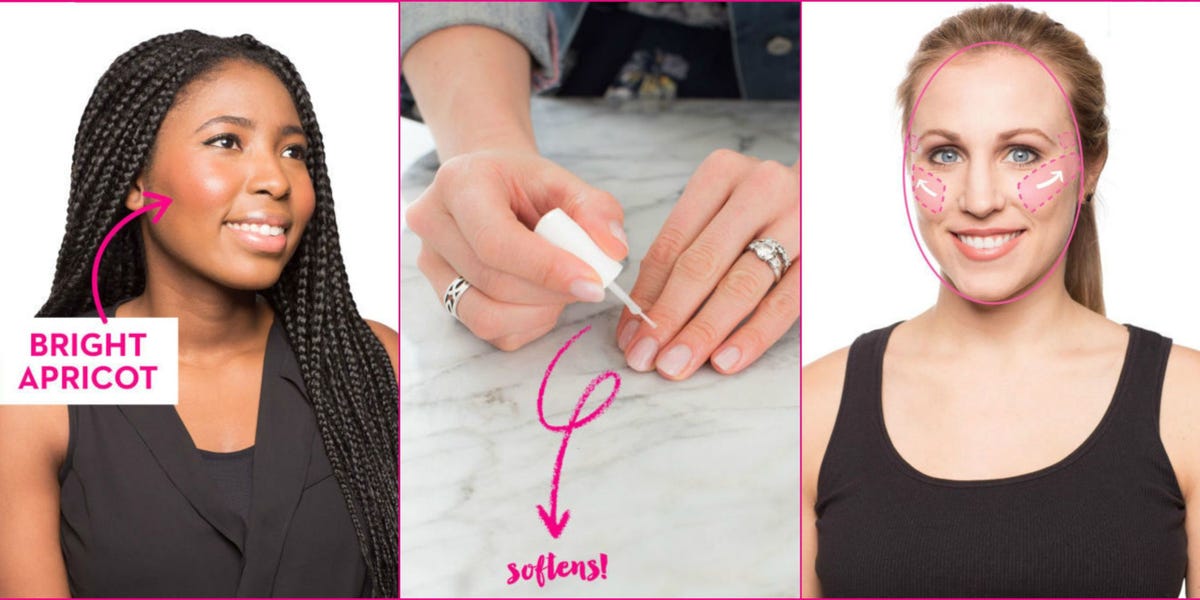
Cuticles help protect the nail area. Cutting them too aggressively can lead to irritation or infection. If you want a neat look, soften them and gently push them back instead of removing too much. When in doubt, be conservative.
27. File in One Direction
Sawing back and forth with a rough file can weaken nails. Use a fine-grit file and shape nails gently in one direction. Rounded or softly squared shapes are practical for everyday wear because they are less likely to catch and break.
28. Give Nails Breaks Between Harsh Manicures
Gel, acrylics and frequent polish removal can be rough on nails, especially if products are peeled off instead of removed properly. Take breaks when nails feel thin, sore or brittle. A “nail rest week” is not defeat; it is maintenance with a better publicist.
29. Use Base Coat and Top Coat
A base coat helps polish apply smoothly and can reduce staining, while a top coat adds shine and helps extend wear. Reapplying a thin layer of top coat every few days can refresh a manicure and delay chips.
30. Watch for Nail Changes
Changes in nail color, shape, thickness, texture or pain should not be ignored, especially if they appear suddenly or affect only one nail. Many nail changes are harmless, but some deserve a dermatologist’s opinion. Beauty routines are great; paying attention to your body is better.
How to Build a Beauty Routine That Does Not Overwhelm You
The easiest way to improve your beauty routine is not to buy everything at once. Start by choosing one category: hair, makeup or nails. Then pick two habits to improve for the next month. For example, you might decide to use heat protectant every time you style your hair and remove makeup every night. Once those habits feel automatic, add another.
Another smart strategy is to separate daily essentials from occasional extras. Daily essentials might include cleanser, moisturizer, sunscreen, lip balm, brow gel and hand cream. Extras might include masks, hair glosses, nail art, false lashes, bold eyeshadow or hot-tool styling. Extras are fun, but they should not make you feel like you are failing when you skip them.
Also, remember that beauty advice should be adjusted for your real life. A person who works outdoors may need more sun protection and sweat-resistant makeup. Someone with a corporate job may prefer polished nails and low-maintenance hair. A new parent may need a five-minute routine that can survive interrupted sleep and suspicious silence from the toddler room.
Real-Life Beauty Experiences and Lessons Worth Keeping
One of the most useful beauty lessons is that your routine should change when your life changes. The products that worked perfectly in college may not fit your skin, schedule, climate or budget ten years later. Many people keep using the same foundation shade, shampoo or nail shape simply because it once worked. Then one day they look in the mirror and wonder why everything feels slightly off. Beauty is not a contract. You are allowed to renegotiate.
A common experience with hair is learning that “more product” does not always mean “better hair.” Someone with frizzy hair may buy heavy creams, oils and serums, then wonder why their roots look flat by noon. Often, the better fix is a clarifying wash, a lighter conditioner and a smaller amount of styling product applied only where needed. Hair routines improve when you stop fighting your texture and start supporting it.
Makeup teaches a similar lesson. Many people blame foundation when the real issue is skin prep, shade match or application amount. A full-coverage base can look beautiful for photos, but in everyday life, thin layers usually wear better. One of the best makeup experiences is discovering that you do not need to cover every freckle, line or pore. Skin is allowed to look like skin. In fact, when makeup lets natural texture show through, the whole face often looks fresher.
Nails are another area where small habits matter. People often notice their nails improving not because they bought an expensive treatment, but because they stopped peeling off gel polish, started using cuticle oil and wore gloves while cleaning. The unglamorous habits are usually the ones doing the heavy lifting. Cuticle oil may not have the drama of a chrome manicure, but it is loyal, affordable and never asks to be the center of attention.
The biggest beauty experience worth sharing is this: confidence usually comes from consistency, not perfection. A simple routine done regularly will beat a complicated routine done once every three weeks while emotionally recovering from the cost. The goal is not to look flawless. The goal is to feel comfortable, expressive and cared for. Some days that means a full blowout, winged liner and glossy nails. Other days it means sunscreen, a ponytail and pretending dry shampoo is a personality trait.
Beauty should be useful, creative and enjoyable. It should help you walk into a room feeling more like yourself, not like you are being graded by invisible judges with ring lights. Use these hair, makeup and nail tricks as a menu, not a rulebook. Try what fits, skip what annoys you and keep the tips that make your routine easier. The best beauty secret is not hidden in a luxury jar. It is learning what works for you and repeating it with just enough patience to see results.
Conclusion
The best beauty tips are not complicated. Wash and condition your hair according to its needs, protect it from unnecessary damage, prep your skin before makeup, keep eye cosmetics clean and safe, moisturize your nails and pay attention to changes. Add a few smart techniques, such as thin foundation layers, strategic powder, gentle detangling and regular cuticle care, and your routine immediately becomes more effective.
Hair, makeup and nails should make life easier and more fun. You do not need every viral trick, every expensive product or every trend with a dramatic name. You need habits that support your skin, hair and nails while giving you room to play. That is the real beauty sweet spot: healthy basics, clever shortcuts and just enough sparkle to make Tuesday feel less Tuesday-ish.