A fly has entered the house. You have no fly swatter, no patience, and no interest in sharing your sandwich with an insect that treats personal space as a vague suggestion. Fortunately, an official plastic swatter is not the only tool capable of ending the tiny intruder’s unauthorized tour.
Common household objects can work surprisingly well when they are used with good timing and a little strategy. The trick is not to charge across the room swinging like an action hero. Flies detect approaching movement, prepare an escape direction, and launch remarkably quickly. A successful attempt depends more on positioning than raw speed.
This guide explains three practical ways to swat a fly without a fly swatter: using rolled paper, a folded damp towel, or a vacuum cleaner. You will also learn how to approach the fly, avoid making a mess, clean the area afterward, and prevent more flies from appearing.
Why Is a Fly So Difficult to Swat?
Missing a fly repeatedly does not necessarily mean your reflexes have retired. Flies are built to escape sudden threats. Their visual system notices an approaching object, while their legs and body shift into position for takeoff. Depending on how urgent the danger appears, a fly may perform a controlled departure or a faster, less graceful emergency launch.
A fly also tends to move away from the direction of the threat. That is why striking only at its current location often produces an excellent hit on the countertop and absolutely no effect on the fly. You are targeting where it was, while it is already leaving for somewhere more annoying.
Improve Your Odds Before You Swing
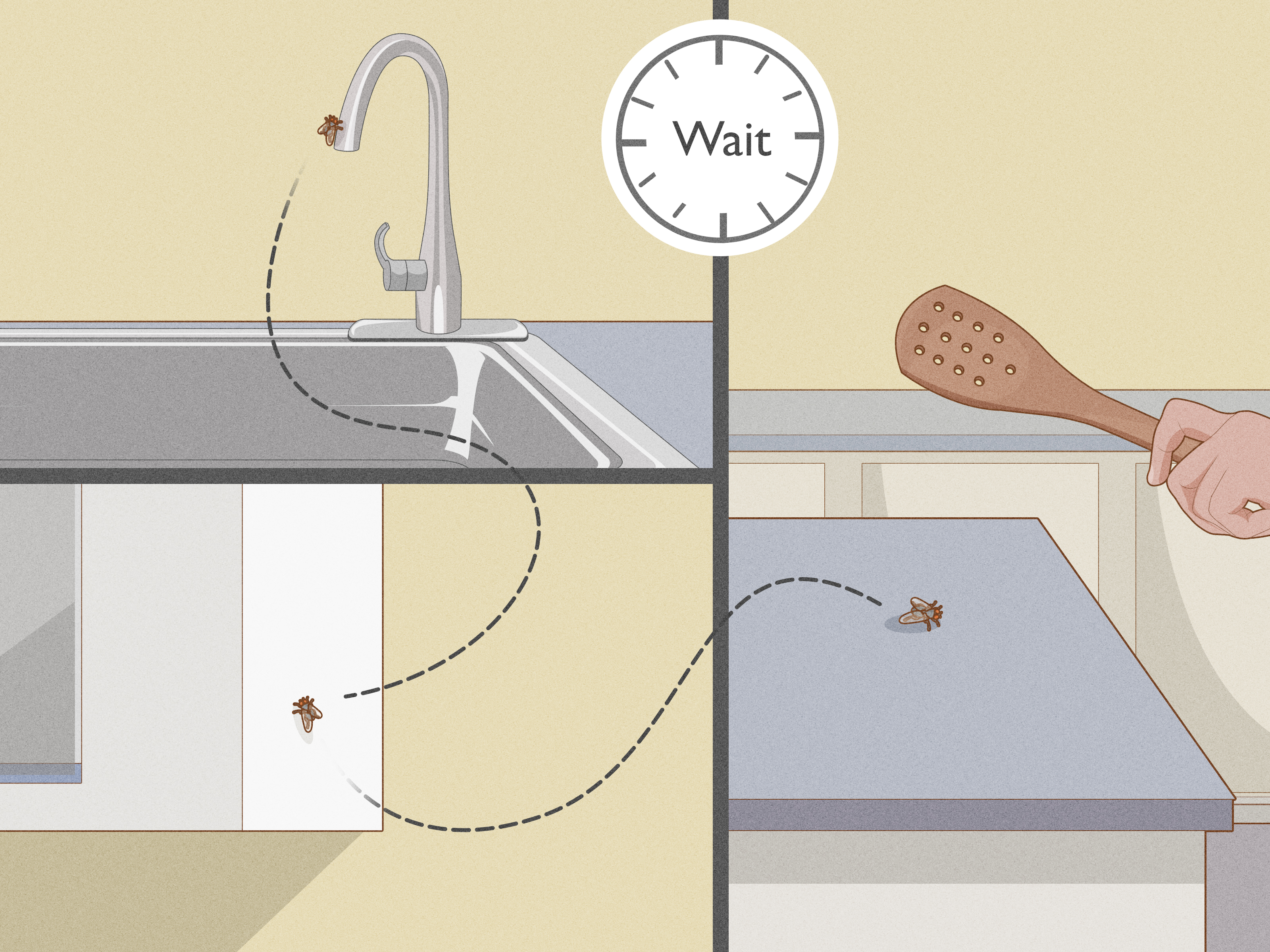
Wait until the fly lands on a broad, stable surface. A wall, window, counter, or tabletop is easier than an uneven lampshade or the edge of a television. Approach slowly rather than making a sudden overhead movement. Keep the tool low and outside the fly’s immediate field of attention until you are close enough to strike.
Aim slightly ahead of the fly instead of directly at the center of its body. “Ahead” means the direction it is facing or the likely path it will take when it jumps. You do not need to calculate a flight plan worthy of an airport control tower. An inch or two of anticipation is often enough.
Finally, remove fragile or hazardous objects from the area. A fly is irritating; replacing a broken wineglass because you attacked it with a hardcover cookbook is more irritating.
1. Make a Temporary Swatter From Rolled Paper
A rolled newspaper, magazine, grocery flyer, or piece of junk mail is the closest substitute for a conventional fly swatter. It creates a wider striking surface than your hand, provides extra reach, and keeps direct contact with the insect to a minimum.
Choose the Right Paper
Use several sheets rather than one flimsy page. Roll them into a loose cylinder approximately one to two inches thick, then flatten one end slightly. The flattened end acts as the striking surface, while the rolled section gives you a comfortable handle.
A thin catalog or folded paper shopping bag can also work. Avoid using an important document, a family photograph, or the utility bill you were hoping would disappear on its own.
How to Use the Rolled-Paper Method
- Wait for the fly to settle on a clear surface.
- Approach with the rolled paper held low and relatively still.
- Stop when you are within comfortable striking distance.
- Aim just beyond the fly in the direction it appears ready to escape.
- Use one fast, controlled snap of the wrist.
- Keep the paper against the surface briefly before lifting it.
The goal is a short, accurate movementnot a full-arm swing. A wide swing creates more air movement, gives the fly additional warning, and increases the chance of hitting something that sends you an invoice.
Where This Technique Works Best
Rolled paper is useful on smooth walls, windows, doors, counters, and hard floors. Be careful around fresh paint, delicate wallpaper, artwork, mirrors, and screens. Glossy magazine pages can transfer ink or leave marks on light-colored walls, so plain paper is usually safer.
Afterward, pick up the fly with a tissue or paper towel, place it in the trash, and clean the surface with an ordinary household cleaner containing soap or detergent. Wash your hands when you are finished.
2. Use a Folded, Slightly Damp Kitchen Towel
A towel can become an effective fly-removal tool, but only when it is folded into a compact paddle. Whipping a loose towel through the room may look dramatic, yet it mostly moves air, frightens nearby humans, and teaches the fly that you are not a serious opponent.
Prepare the Towel Properly
Select a small dish towel, cleaning cloth, or sturdy washcloth that is not currently being used to dry clean dishes. Dampen it lightly with water, then wring it out thoroughly. It should feel slightly heavier and more flexible, not wet enough to drip.
Fold the towel several times into a flat rectangle. Hold one end securely, leaving four to eight inches free as the striking section. The small amount of moisture adds weight and reduces the tendency of the cloth to float or flutter during the swing.
How to Make a Controlled Towel Strike
- Choose a washable, moisture-safe surface.
- Wait for the fly to stop walking and remain still for a moment.
- Bring the folded towel into position slowly.
- Use a short downward or sideways tap rather than a long whip.
- Press the towel against the surface for a second before checking.
This method is especially useful on tile, laminate counters, washable walls, appliance sides, and hard floors. It is less suitable for computer screens, televisions, books, electrical outlets, unsealed wood, or anything that dislikes moisture.
Common Towel Mistakes
Do not soak the cloth. A dripping towel can spread moisture onto electrical devices or leave streaks on walls. Do not use a towel that will immediately return to food preparation. Wash it before putting it back into normal kitchen service.
Avoid twisting the cloth into a narrow rope and snapping it. A rope-shaped towel creates a smaller target and can strike hard enough to damage delicate objects. The folded-paddle shape is wider, quieter, and easier to control.
Once the fly is removed, wash the towel with regular laundry detergent and clean the impact area. If the strike occurred near food preparation, clear away exposed food before cleaning the counter.
3. Remove the Fly With a Vacuum Cleaner
A vacuum is not technically a swatter, but it is one of the cleanest and most practical alternatives when you do not want to strike a wall or chase a fly with household paperwork. University-extension guidance frequently recommends vacuuming individual indoor flies, particularly when they gather around windows or become sluggish.
Guide the Fly Toward a Bright Window
Flies are often drawn toward light. Turn off indoor lights, close curtains in most of the room, and leave one bright window exposed. Give the fly a few minutes to move toward that area. This reduces the chase to a smaller, more predictable zone.
Attach the narrow hose or crevice tool to the vacuum. A cordless handheld vacuum is ideal, but a standard machine with a hose also works. Do not remove the main floor head and attempt to lift the entire vacuum toward the ceiling. That strategy converts pest control into strength training.
How to Vacuum the Fly
- Turn on the vacuum before moving close to the fly.
- Approach slowly with the nozzle several inches from the surface.
- Bring the nozzle toward the fly from the side or slightly behind it.
- Follow its movement rather than making sudden jabbing motions.
- Keep the vacuum running briefly after capture.
At close range, the airflow can pull in the fly even when it begins to move. This technique is useful for windows, high walls, ceilings, blinds, and areas where striking could leave a stain or cause damage.
Dispose of the Fly Correctly
With a bagless vacuum, empty the collection chamber outdoors into a sealed trash bag. With a bagged vacuum, inspect the manufacturer’s instructions and remove or seal the bag when practical. Some sluggish flies can survive the trip through a vacuum and crawl out later, presumably with a dramatic story for their relatives.
Never use a corded vacuum around standing water, a wet sink, or a damp bathroom floor. Keep the nozzle away from curtains, lightweight decorations, loose papers, and small objects that could be sucked into the machine.
Which No-Swatter Method Is Best?
The best technique depends on where the fly lands and what you have nearby.
- Use rolled paper when the fly is on a plain wall, counter, door, or floor and you want a quick substitute for a traditional swatter.
- Use a folded damp towel on sturdy, washable surfaces when you want a soft but weighted striking tool.
- Use a vacuum around windows, ceilings, blinds, electronics, fragile decorations, or any place where a direct hit could make a mess.
Whichever method you choose, accuracy matters more than force. Slow approach, short movement, and a slightly forward aim generally produce better results than frantic swinging.
What Not to Use as an Improvised Fly Swatter
Some household items can technically hit a fly but are poor choices in practice. Avoid knives, cooking utensils, glass objects, heavy books, metal tools, chemical spray bottles, and anything hot. A fly is not worth damaging a surface or injuring someone.
Do not spray an insect with bleach, disinfectant, hairspray, furniture polish, or another product that is not labeled for pest control. These products may irritate the eyes or lungs, contaminate food-contact surfaces, and damage household materials. For one or two flies, mechanical removal is usually simpler.
You should also avoid striking an insect until you are certain it is a house fly or another harmless nuisance fly. Bees, wasps, hornets, and some biting insects require different precautions. If an insect may sting, give it space and use an appropriate removal method.
How to Prevent More Flies From Entering
Removing one fly solves the immediate problem. Seeing flies every day suggests that the home is offering food, moisture, breeding material, or an easy entrance. Long-term fly control begins with sanitation and exclusion rather than a stronger swing.
Remove Food and Breeding Sources
- Empty kitchen trash regularly and keep the container covered.
- Rinse recyclable cans, bottles, and food containers.
- Clean spills, crumbs, grease, and residue under appliances.
- Store ripe fruit in the refrigerator when possible.
- Clean pet bowls, litter areas, and pet waste promptly.
- Discard decaying produce and inspect forgotten potatoes or onions.
- Keep garbage cans clean, dry, and closed.
House flies develop in warm, moist organic material such as garbage, animal waste, and decaying food. Fruit flies are commonly associated with fermenting produce and sugary residue. Drain flies may indicate organic buildup inside a drain. Swatting adults without correcting the source can turn fly control into a recurring appointment.
Block Common Entry Points
Repair torn window screens, check weather stripping, and close gaps around doors. Screen vents where appropriate and seal cracks that allow insects to enter. Do not leave exterior doors standing open longer than necessary, especially near trash cans, outdoor dining areas, or pet waste.
When only one fly enters occasionally, a rolled paper, folded towel, or vacuum may be all you need. When dozens appear, investigate the source instead of attempting to become the household’s full-time fly gladiator.
Experiences From the Great Indoor Fly Chase
Real-life fly removal rarely unfolds as neatly as a five-step instruction list. A typical encounter begins with a faint buzzing sound while someone is cooking, working, or attempting to sleep. The fly circles the room repeatedly, ignores several perfectly good exits, and lands only when the nearest person has finally decided to stop watching it.
The Kitchen-Counter Encounter
On a kitchen counter, rolled paper tends to be the fastest solution. The first impulse is often to grab a single sheet of mail and swing immediately. That usually produces a soft breeze and a fly that relocates to the ceiling. A thicker roll works better because it holds its shape and delivers a flat, controlled strike.
The most noticeable improvement comes from waiting. When the fly first lands, it may walk, groom itself, or change direction several times. Swinging during this restless period invites a miss. After a few seconds, it often pauses. That brief pause is the best opportunity to approach slowly and aim slightly ahead.
Another practical lesson is to clear the counter first. Coffee mugs, spice jars, oil bottles, and decorative containers create hiding places and limit the swing. Moving two or three objects can turn an awkward chase into one clean attempt. It also prevents the deeply embarrassing experience of defeating the fly but losing a bottle of olive oil in the process.
The Office Fly That Loves Your Monitor
Flies have a mysterious talent for landing on the most expensive object in the room. When one repeatedly visits a computer monitor, television, camera, or framed photograph, striking it is a poor option. Even a soft paper roll can scratch a screen or knock equipment over.
The vacuum method is far more comfortable in this situation. Darkening the room and leaving a bright window uncovered often concentrates the fly near the glass. The result is less running, fewer wild swings, and no mysterious mark on the monitor that remains visible for the next six months.
A handheld vacuum offers the easiest control, although a hose attachment works almost as well. The key is to move steadily. Jabbing the nozzle toward the fly causes it to launch early. Bringing the nozzle in gradually allows the suction to do most of the work. After capture, checking and emptying the vacuum outdoors prevents the unpleasant sequel in which the same fly appears again twenty minutes later.
The Evening Fly on a Washable Wall
A folded, lightly damp towel is especially useful in the evening when a fly settles on tile, a painted utility-room wall, or the side of an appliance. A dry loose towel tends to billow, while a soaking-wet towel leaves drips. The useful middle ground is a cloth that has been dampened and wrung out until it feels slightly heavier but no longer releases water.
Folding the cloth changes the experience completely. Instead of a chaotic whip, it becomes a short paddle that can be tapped against the surface. The movement is quieter than a magazine strike and produces less risk of marking the wall. It also feels less aggressive in a home where sleeping children, pets, or neighbors may not appreciate a midnight percussion performance.
The Lesson That Saves the Most Time
Repeated experience points to one conclusion: the best fly-removal technique is often prevention. When a fly appears every afternoon, the problem may not be bad luck. An uncovered trash can, sticky recycling bin, overripe banana, pet-feeding area, torn screen, or open back door may be supplying the invitation.
Once those conditions are corrected, the number of dramatic indoor chases usually drops. The improvised swatter returns to being junk mail, the towel returns to cleaning, and the vacuum returns to collecting ordinary dust. That is the ideal endingnot becoming better at hunting flies, but giving them fewer reasons and fewer opportunities to enter.
Conclusion
You do not need a purpose-built fly swatter to deal with an occasional house fly. A rolled piece of paper provides a familiar striking surface, a folded damp towel offers a soft and controlled alternative, and a vacuum removes the insect without direct impact. In every case, patience and positioning are more effective than swinging harder.
Approach slowly, aim slightly in front of the fly, protect fragile objects, and clean the contact area afterward. When flies continue to appear, shift your attention from the adult insects to sanitation, screens, garbage, drains, pet areas, and other potential sources. One fly calls for a quick household tool. A crowd of flies calls for detective work.