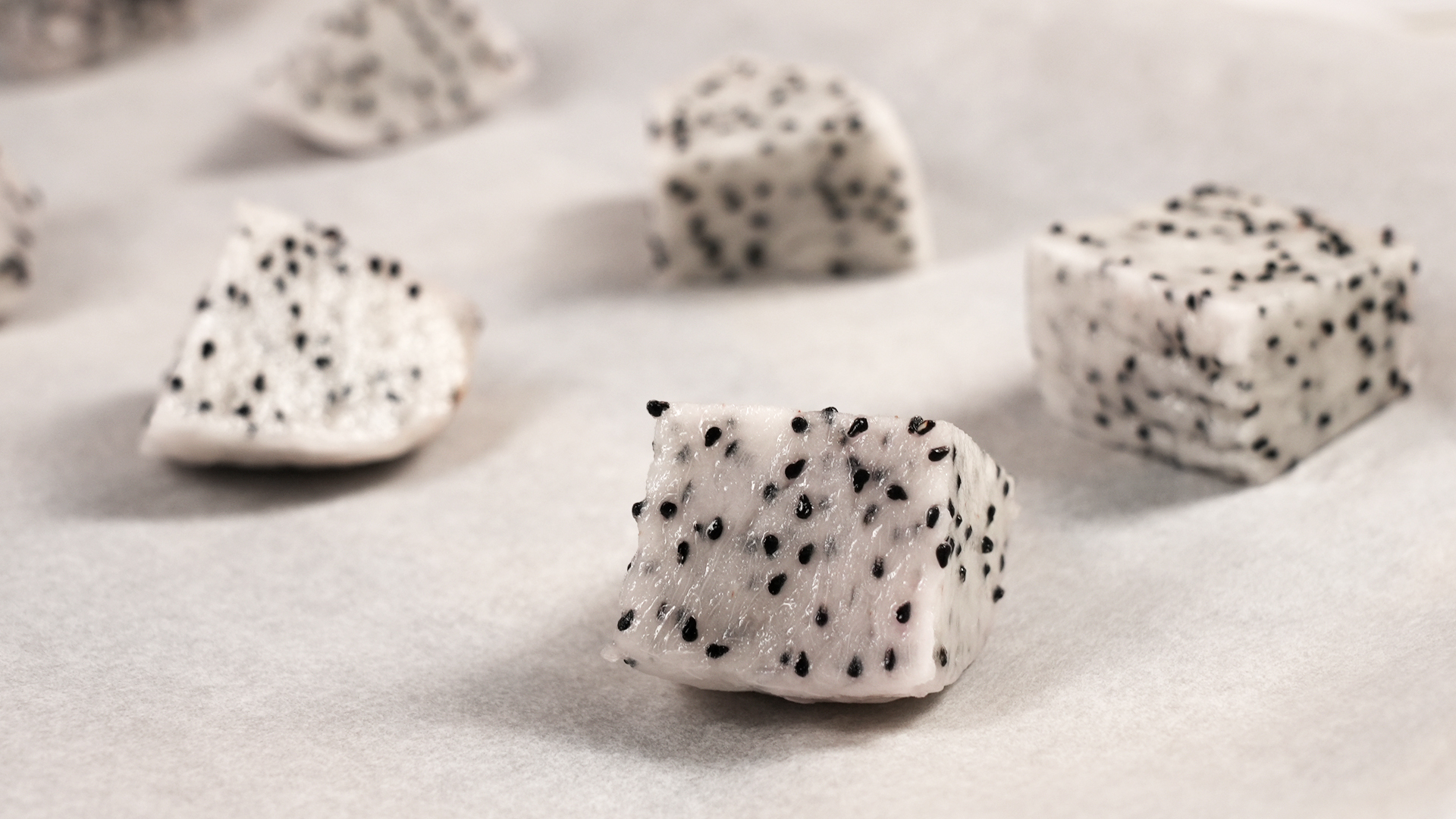
Dragon fruit looks like it flew in from a tropical fantasy novel, but storing it is refreshingly simple. Also called pitaya, this cactus fruit has vivid pink, red, or yellow skin, speckled flesh, and a mild flavor that lands somewhere between kiwi, pear, and “why did I not buy two?” The only catch is that dragon fruit can go from pleasantly juicy to sad and wrinkly if you treat it like a decorative kitchen ornament for too long.
The good news: learning how to store dragon fruit takes only three basic methods. Keep whole fruit at room temperature when it needs a little ripening, refrigerate it when you want to slow things down, and freeze it when you have more dragon fruit than your smoothie schedule can handle. The best method depends on ripeness, whether the fruit is cut, and how soon you plan to eat it.
This guide explains the three best ways to store dragon fruit, how to tell when it is ripe, what to avoid, and how to keep the flavor bright instead of refrigerator-flavored. Because nobody buys a gorgeous dragon fruit hoping it will taste like leftover onions.
What Makes Dragon Fruit Tricky to Store?
Dragon fruit is not difficult, exactly. It is just a little dramatic. Whole dragon fruit has a thick peel that helps protect the flesh, but once the fruit is cut, the juicy interior becomes more vulnerable to drying, browning, and absorbing odors. Like other fresh fruits, dragon fruit also continues changing after harvest. A firmer fruit may soften on the counter, while a ripe fruit can quickly lose quality if left in a warm kitchen.
The goal is to match the storage method to the fruit’s stage of ripeness. If it is firm and you want to eat it soon, the counter is your friend. If it is ripe and you need a few extra days, use the refrigerator. If it is cut into cubes and you know you will not finish it, freeze it before it turns into expensive compost with a fabulous color palette.
How to Tell If Dragon Fruit Is Ripe Before Storing It
Before choosing a storage method, give your dragon fruit a quick inspection. A ripe dragon fruit usually has bright, evenly colored skin and feels slightly soft when gently pressed. It should not feel mushy, wet, or collapsed. A few natural marks or light scarring on the peel are usually fine, but avoid fruit with large bruises, leaking juice, mold, or a sour smell.
Signs of a Good Dragon Fruit
Look for fruit that feels heavy for its size, with skin that is smooth rather than shriveled. The leafy tips, sometimes called bracts, may be slightly dry at the ends, but they should not look completely brown and brittle. If the fruit is rock hard, it may need a little time at room temperature. If it gives too much under your thumb, move quickly: refrigerate it and eat it soon.
White, Red, and Yellow Dragon Fruit: Does Storage Change?
The basic storage rules are similar for white-fleshed, red-fleshed, and yellow dragon fruit. Yellow dragon fruit is often sweeter, while red dragon fruit can be more intense in color and may stain cutting boards or fingers. The main difference is not the variety but the condition of the fruit. Whole, uncut fruit stores better than cut fruit. Ripe fruit needs cooler storage sooner than firm fruit. Cut fruit should always be covered and refrigerated promptly.
Method 1: Store Whole Dragon Fruit at Room Temperature
The first way to store dragon fruit is the easiest: leave it whole and unwashed on the counter. This method works best when the fruit is slightly firm or when you plan to eat it within a couple of days. Room-temperature storage allows dragon fruit to soften a little more, which can improve its texture and flavor.
Place the fruit in a cool, dry spot away from direct sunlight. A countertop, pantry shelf, or fruit bowl works well as long as the area is not hot. Do not trap it in a sealed plastic bag on the counter, because excess moisture can encourage spoilage. Give it breathing room, and do not pile heavy fruit on top of it. Dragon fruit may look tough, but it does not want to be buried under a watermelon.
How Long Dragon Fruit Lasts on the Counter
Whole dragon fruit can usually sit at room temperature for a few days, especially if it is still firm. If your kitchen is warm or humid, shorten that window and check the fruit daily. Warm temperatures speed up ripening and deterioration, so a fruit that looks perfect today may be past its prime faster than expected.
Best Counter Storage Tips
Keep dragon fruit away from heat, sunlight, and moisture. Do not wash it before storing; wash it right before cutting instead. Water left on the peel can create damp spots that invite spoilage. It is also smart to keep dragon fruit away from strong-smelling foods. While the thick skin offers some protection, fresh produce tends to taste best when it is not sharing airspace with garlic, onions, or yesterday’s takeout.
When Not to Use Room-Temperature Storage
Do not leave cut dragon fruit at room temperature for long. Once the fruit is peeled, sliced, or cubed, it becomes perishable and should be refrigerated in a clean, covered container. Whole dragon fruit that already feels very soft should also skip the counter and go straight into the refrigerator. The counter is for ripening, not rescuing.
Method 2: Store Dragon Fruit in the Refrigerator
The refrigerator is the best everyday storage method for ripe whole dragon fruit and all cut dragon fruit. Cold storage slows ripening, helps preserve texture, and buys you extra time before the fruit starts to wrinkle or ferment. For most home kitchens, the crisper drawer is the most practical place to store whole dragon fruit.
For whole dragon fruit, place it unwashed in the refrigerator. You can leave it loose in the crisper drawer, put it in a paper bag, or use a lightly closed produce bag. If your refrigerator tends to dry out produce, a bag or container can help reduce moisture loss. If condensation builds up, add a paper towel and replace it when damp.
How Long Whole Dragon Fruit Lasts in the Fridge
Whole ripe dragon fruit commonly keeps for about five days to one week in the refrigerator, and some fruit may last longer if it was fresh and firm when purchased. For best flavor, do not treat the refrigerator as a magical time machine. Check the fruit every few days. If the peel becomes very shriveled, mushy, wet, or moldy, it is time to say goodbye.
How to Store Cut Dragon Fruit
Cut dragon fruit needs more protection than whole fruit. Place cubes, slices, or halves in an airtight container and refrigerate them promptly. If you have only cut the fruit in half, you can keep the peel on the unused half, wrap the exposed flesh tightly, and store it cut-side down in a container. The peel acts like a built-in fruit helmet, which is one of dragon fruit’s more underrated talents.
For the best texture, eat cut dragon fruit within three to four days. It may still be safe a little longer if handled properly, but quality drops quickly. The flesh can become watery, dull, or slightly fermented in flavor. If it smells sour, feels slimy, or shows mold, throw it out.
Food Safety Tips for Refrigerated Dragon Fruit
Wash dragon fruit under clean running water before cutting, even though you do not eat the peel. A knife can carry surface microbes from the outside into the flesh. Dry the fruit with a clean towel before slicing so it is easier to handle and less slippery. Use a clean cutting board, especially if raw meat, poultry, or seafood has been prepared nearby.
After cutting, refrigerate dragon fruit within two hours. If the room is very hot, especially above 90 degrees Fahrenheit, refrigerate it within one hour. Keep your refrigerator at 40 degrees Fahrenheit or below and store cut fruit in clean, covered containers. These steps are not glamorous, but neither is explaining to your stomach why you ignored basic food safety.
Method 3: Freeze Dragon Fruit for Long-Term Storage
Freezing is the best way to store dragon fruit when you cannot eat it within a few days. Frozen dragon fruit is excellent for smoothies, smoothie bowls, sorbet, sauces, cocktails, fruit pops, and colorful breakfast bowls. It will not thaw back into the same crisp, juicy texture as fresh fruit, so freezing is not ideal if you want neat slices for a fruit platter. But for blended recipes, frozen dragon fruit is a superstar.
How to Freeze Dragon Fruit Step by Step
Start with ripe, fresh dragon fruit. Wash and dry the peel, then slice the fruit in half. Scoop out the flesh or peel away the skin, then cut the flesh into cubes. Spread the cubes in a single layer on a parchment-lined baking sheet. Freeze until solid, usually a few hours. Once frozen, transfer the cubes to a freezer-safe bag or airtight container.
Remove as much air as possible from the bag before sealing. Label it with the date, because future you will not remember whether those neon cubes are from last week or the previous presidential administration. Store the fruit in the freezer and use it within about six months for best flavor and texture.
Why Flash-Freezing Works Best
Flash-freezing the cubes on a tray prevents them from clumping into one giant dragon fruit brick. This makes it easy to grab a handful for smoothies without attacking the freezer bag with a spoon, a knife, and questionable optimism. It also helps the fruit freeze faster, which can preserve better texture for blended uses.
Can You Freeze Dragon Fruit With the Skin On?
It is better to remove the skin before freezing. The peel is not usually eaten, and frozen whole dragon fruit is awkward to peel later. Cutting and freezing the flesh in cubes gives you ready-to-use portions. If you plan to make smoothie packs, combine dragon fruit cubes with pineapple, mango, banana, or berries before freezing. Then all you need is a blender and a liquid base.
Common Mistakes to Avoid When Storing Dragon Fruit
Washing Before Storage
Washing dragon fruit before storing may seem tidy, but it can add moisture that speeds up spoilage. Wash it right before cutting or eating instead. If you accidentally washed it already, dry it thoroughly before refrigerating.
Leaving Cut Fruit Uncovered
Cut dragon fruit dries out quickly and can absorb refrigerator odors. Always use an airtight container or tight wrap. This keeps the flesh juicy and prevents it from tasting like the mysterious container in the back of the fridge.
Keeping Ripe Fruit on a Warm Counter
If dragon fruit is already ripe, leaving it in a warm kitchen can push it past its peak. Refrigerate ripe fruit if you are not eating it the same day. Cold storage slows deterioration and gives you more flexibility.
Freezing Overripe Fruit
Freezing does not improve bad fruit. If the dragon fruit is sour, slimy, moldy, or unpleasant before freezing, it will still be unpleasant later, just colder. Freeze fruit while it is still fresh and flavorful.
How to Use Stored Dragon Fruit
Fresh refrigerated dragon fruit is delicious on its own, especially when chilled. Slice it into wedges, scoop it with a spoon, or cube it for fruit salad. Its mild flavor pairs well with lime juice, pineapple, mango, strawberries, kiwi, mint, coconut, and yogurt. A tiny squeeze of citrus can wake it up beautifully.
Frozen dragon fruit works best in recipes where texture changes are not a problem. Blend it into smoothies with banana and coconut water, add it to smoothie bowls, or puree it with a little lime juice for a quick sorbet-style treat. Red dragon fruit also gives recipes a bold magenta color, which is perfect for anyone who believes breakfast should look like it has a social media manager.
Quick Storage Guide
Whole and Slightly Firm
Store it at room temperature for a few days in a cool, dry place. Check daily and refrigerate once it softens.
Whole and Ripe
Refrigerate it unwashed in the crisper drawer or a lightly closed bag. Eat it within about a week for best quality.
Cut or Peeled
Place it in an airtight container and refrigerate it within two hours. Eat within three to four days for the freshest taste.
Too Much to Eat Soon
Peel, cube, flash-freeze, and transfer to freezer-safe bags. Use frozen dragon fruit in smoothies, bowls, and frozen desserts.
Real-Life Experience: What Actually Works When Storing Dragon Fruit
In real kitchens, dragon fruit storage often comes down to timing. The most common mistake is buying a beautiful fruit, admiring it for several days, and then realizing it has quietly crossed the line from “tropical jewel” to “wrinkled science project.” The simplest habit is to decide on a storage plan the day you bring it home.
If the fruit is firm, I like leaving it on the counter for a day or two. This works especially well when the fruit gives almost no softness at the store. After a short counter rest, the texture often becomes juicier and more pleasant. The key is not forgetting it. A good trick is to place it somewhere visible but away from sun, such as a shaded part of the counter. If you hide it behind the toaster, congratulations, you have invented fruit hide-and-seek.
For ripe dragon fruit, refrigeration is the safer move. I have found that whole dragon fruit keeps best when it is not washed first and not jammed into a crowded drawer. Produce needs a little space. When the crisper is packed with apples, herbs, cucumbers, and one emotionally complicated lemon, delicate fruit tends to get bruised or forgotten. Keeping dragon fruit near the front of the drawer helps you use it while it is still at its best.
Cut dragon fruit is where containers matter. A shallow airtight glass container works beautifully because you can see what is inside. That visibility matters more than people think. When fruit is stored in an opaque container, it often becomes a refrigerator rumor. In a clear container, it becomes a snack. Add a small paper towel only if the fruit seems very wet, and change it if it becomes soggy. The goal is to control excess moisture without drying out the fruit.
For meal prep, cubed dragon fruit is convenient but should be used quickly. It is great over Greek yogurt, chia pudding, oatmeal, cottage cheese, or mixed fruit bowls. However, it is not the best fruit to cut a full week ahead. By day four, the texture may be softer and the flavor less exciting. If you want dragon fruit for later in the week, store it whole and cut it closer to serving time.
Freezing is the method that saves the most money. Dragon fruit can be pricey, and throwing it away feels like tossing a tiny tropical vacation into the trash. When you notice the fruit is ripe but your schedule is not cooperating, freeze it. Cube it, freeze it on a tray, then bag it. The tray step is worth it. Skipping it usually creates one frozen clump that looks like modern art and behaves like a kitchen problem.
Frozen dragon fruit shines in smoothies with banana, mango, pineapple, or strawberries. It also blends well with coconut milk, oat milk, or orange juice. Red-fleshed dragon fruit gives smoothies a stunning color, while white-fleshed dragon fruit offers a milder look and taste. If the flavor seems too gentle, add lime juice or passion fruit. Dragon fruit is like a polite guest; sometimes it needs a louder friend at the party.
Another practical lesson: smell is a powerful quality check. Fresh dragon fruit should smell mild and clean. If it smells sour, alcoholic, or fermented, do not try to save it with lime juice, honey, or wishful thinking. The same goes for slimy texture or visible mold. Good storage extends freshness, but it cannot reverse spoilage.
The best overall routine is simple. Keep firm whole dragon fruit on the counter briefly. Move ripe whole fruit to the refrigerator. Store cut fruit covered and cold. Freeze extra cubes before quality drops. With those three habits, dragon fruit becomes much easier to enjoy and much harder to waste.
Conclusion
Dragon fruit may look exotic, but storing it does not require chef-level drama. Use room-temperature storage for whole fruit that needs a little time to ripen. Use the refrigerator for ripe whole fruit and all cut fruit. Use the freezer when you want long-term storage for smoothies, bowls, and frozen treats. The biggest secrets are keeping it dry before storage, washing it before cutting, covering cut fruit, and not waiting until the fruit looks like it has retired.
With these three ways to store dragon fruit, you can enjoy better flavor, less waste, and more colorful breakfasts. And honestly, any fruit that makes a smoothie look like a tropical sunrise deserves a proper storage plan.