Note: This article is for general education and focuses on gradual, health-centered weight loss. No method can guarantee zero loose skin, and loose skin is not a personal failure. If you are a teen, pregnant, recently postpartum, taking medication that affects weight, or have a history of disordered eating, talk with a licensed clinician before trying to lose weight.
Everybody loves the idea of losing weight. Fewer people love the surprise party that sometimes follows: “Why is my skin acting like it missed the memo?” It is a fair question. Loose skin after weight loss can happen, especially after large or fast changes in body size. But the good news is that you can lower the odds and often improve how your skin looks and feels by losing weight more strategically.
Here is the honest truth right up front: there is no magical hack, detox tea, or suspiciously cheerful social media reel that can promise weight loss without any loose skin at all. Skin is living tissue, not shrink-wrap. How it responds depends on age, genetics, how long the skin was stretched, whether you smoke, how much weight you lose, and how quickly you lose it. Still, the way you lose weight matters a lot.
If your goal is to get healthier while giving your skin the best possible chance to adapt, focus on three things: lose slowly, protect your muscle, and support your skin while giving your body enough time to catch up. That is not flashy. It is not dramatic. It is also the approach most likely to work without turning your life into a miserable salad hostage situation.
Why Loose Skin Happens After Weight Loss
Before we get into the three best strategies, it helps to understand what is going on. When body size increases over time, skin stretches to accommodate that change. The deeper layers of the skin rely on structural proteins like collagen and elastin to stay firm and springy. With age, those supportive fibers naturally decline, which is one reason skin tends to be less resilient over time.
That means two people can lose the same amount of weight and have very different results. One person’s skin may tighten fairly well. Another person may notice sagging around the stomach, arms, thighs, chest, or neck. The difference is not a sign that one person had more “willpower.” It is biology being biology.
Loose skin is also more likely when weight loss is very rapid or very large. If you lose muscle along with fat, the body may look softer or less supported, which can make loose skin seem more noticeable. That is why a smart weight-loss plan is not just about the number on the scale. It is about what you are losing, how fast you are losing it, and what habits you are building while you do it.
Way #1: Lose Weight Slowly Instead of Crash Dieting
Think “steady progress,” not “emergency mode”
If you want to lose weight without making loose skin more likely, the first rule is simple: do not try to speed-run the process. Gradual weight loss gives your body more time to adapt. It also makes it easier to keep the weight off, which matters because endless cycles of losing and regaining weight can be rough on both your health and your skin.
A slow, sustainable pace usually looks boring on paper. In real life, boring is underrated. It means you are eating like a normal human, sleeping enough, moving consistently, and not declaring war on bread every Monday morning. It means choosing a moderate calorie deficit instead of an extreme one. It means building habits you could actually live with next month, not just next Tuesday.
Crash dieting can backfire in several ways. First, rapid weight loss may increase muscle loss. Second, it is harder to maintain. Third, it often creates that all-too-familiar pattern where someone loses weight fast, feels miserable, rebounds hard, and ends up right back where they started, except now they are also emotionally attached to three different “miracle” programs and a blender they resent.
What slow weight loss looks like in real life
Healthy, gradual weight loss usually comes from everyday choices that are simple enough to repeat: eating more vegetables, choosing filling meals with lean protein and fiber, cutting back on ultra-processed snack traps, drinking fewer liquid calories, and being more active most days of the week. Fancy meal plans are optional. Consistency is not.
A helpful mindset is to aim for a pattern, not perfection. For example, someone who usually grabs fast food five times a week could start by cooking three balanced dinners at home. Someone who drinks soda all day could replace one or two servings with water or unsweetened drinks. Someone who never moves could start with daily walks. None of those changes are glamorous. All of them count.
The slower route may feel less exciting at first, but it often leads to better body composition, better energy, and better odds of maintaining your results. And when your body is not being dragged through the nutritional version of a haunted house, your skin tends to appreciate the calmer ride.
Way #2: Protect Muscle While You Lose Fat
Muscle is the quiet hero in this story
If fat loss is the headline, muscle retention is the editor making sure the story still makes sense. When you preserve or build lean mass while losing weight, your body tends to look firmer and more supported. That matters because loose skin often looks more obvious when there is less muscle underneath it.
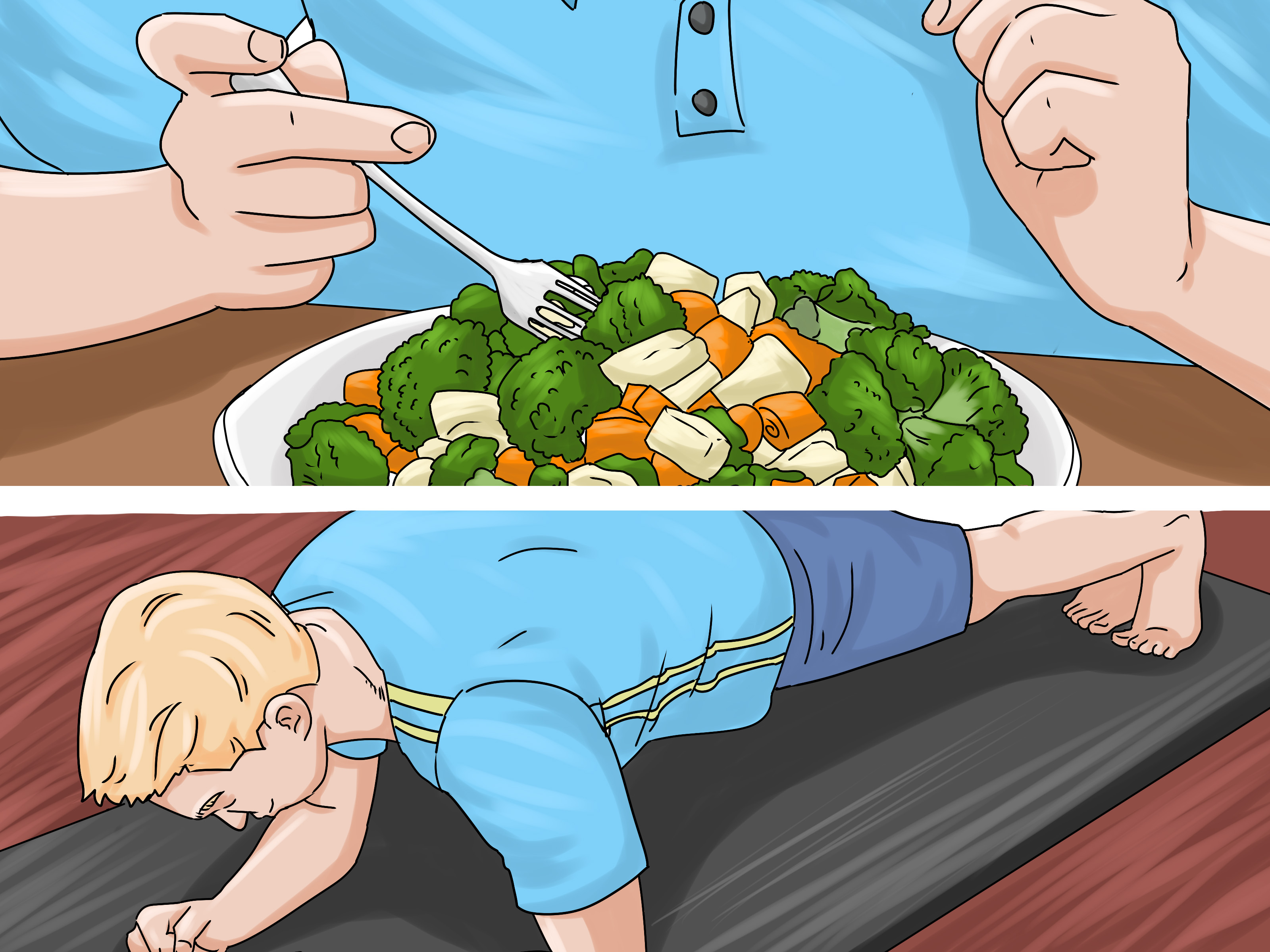
This is why “eat less and do endless cardio” is not the most skin-friendly approach. It may move the scale, but it is not ideal if the result is a weaker, softer version of you. A better plan combines regular physical activity with resistance training. In plain English: walk, bike, dance, swim, or do any cardio you can stick with, but also challenge your muscles a few times each week.
Strength training does not mean you have to become a gym bro
Strength training can be dumbbells, resistance bands, bodyweight exercises, weight machines, or even a properly programmed beginner routine at home. The goal is not to cosplay as a superhero by Friday. The goal is to tell your body, “Hey, this muscle is useful. Please keep it.”
Good beginner moves include squats to a chair, step-ups, rows, presses, glute bridges, and assisted pushups. Start where you are. Progress gradually. Your muscles respond to challenge, not ego. If you have joint pain, mobility limitations, or a medical condition, a physical therapist or certified trainer with experience in clinical populations can help you build a safer plan.
Protein helps, but it is not a magic wand
Protein matters because your body uses it to build and maintain tissues, including muscle and skin. That does not mean you need to live on chicken breast and protein shakes like a very tired action movie character. It simply means your meals should include enough quality protein from foods such as fish, eggs, dairy, beans, lentils, tofu, soy foods, poultry, lean meats, nuts, and seeds.
A practical way to do this is to spread protein across the day instead of saving it all for dinner. Breakfast with yogurt and fruit, lunch with beans or chicken, and dinner with fish or tofu will usually serve your body better than coffee for breakfast, chaos for lunch, and a heroic pile of steak at 9 p.m.
Also important: strength training plus adequate protein works better than either one alone. Protein by itself does not build muscle out of pure optimism. Your muscles need a reason to stay. That reason is resistance.
What this looks like on a normal week
A realistic week might include brisk walking or other moderate activity on most days, plus two or three strength sessions that work the major muscle groups. Nothing about this has to be extreme. The point is to create a routine your body can recover from and your brain will not immediately rebel against.
When people do this well, they often notice something encouraging: the scale may move a little more slowly, but their shape improves more noticeably. Clothes fit better. Posture improves. Arms and legs feel firmer. The stomach area may still need time, but the overall look is usually stronger and more athletic rather than “I lost weight and somehow also misplaced my confidence.”
Way #3: Support Your Skin and Give It Time to Catch Up
Your skin needs patience, not promises
Even with gradual fat loss and smart training, skin does not always rebound overnight. Sometimes it tightens a bit over time. Sometimes it tightens a lot. Sometimes it only improves modestly, especially after major weight loss. This is where patience becomes a strategy, not just a personality test.
In many cases, the best thing you can do is maintain your healthier habits for long enough to let your body settle. People often judge their results too early. If you have just finished losing weight, your body may still be adjusting. Weight stability matters. So does the difference between “my skin is still adapting” and “I have significant excess skin after major weight loss.” Those are not always the same situation.
Daily habits that help your skin look and feel better
Start with the basics. Do not smoke. Smoking speeds up skin aging and can make skin look duller and less resilient. Protect your skin from the sun. Daily sun exposure adds up, and ultraviolet damage is famous for breaking down the kind of structural support your skin would very much like to keep. Get enough sleep. Manage stress. Eat a balanced diet with produce, lean proteins, and healthy fats. Stay hydrated. Hydration is not a miracle cure for sagging skin, but dehydrated skin rarely looks its best.
Moisturizer can help skin look smoother and more comfortable, but it is not a substitute for time, strength training, or medical treatment when extra skin is substantial. Many skin-firming creams promise the moon and deliver a strongly scented shrug. Some products can make skin look temporarily plumper, but lotion cannot produce surgery-level tightening. Sad for the marketing department, great for your wallet.
When “healthy weight loss” still leaves extra skin
Sometimes you do everything right and still end up with loose skin. That can happen after a large amount of weight loss, after pregnancy, after weight-loss surgery, or after years of being at a higher body weight. If the skin causes chafing, rashes, infections, difficulty exercising, hygiene problems, or emotional distress, it is worth talking with a physician or dermatologist. In some cases, a plastic surgeon may discuss procedures such as panniculectomy or body contouring after your weight has been stable for a while.
That conversation is not vanity. It is healthcare. Extra skin can be uncomfortable and sometimes medically significant. And no, liposuction is not the answer for everything. Liposuction removes fat, but if the main issue is loose skin after major weight loss, skin-removal or body-contouring procedures are often more relevant.
What to Remember Before You Start
- No one can promise zero loose skin, but you can reduce the odds by losing weight gradually.
- Protecting muscle with strength training and adequate protein usually improves how your body looks during weight loss.
- Skin needs time, and healthy habits like not smoking and protecting your skin from the sun matter more than miracle creams.
- If extra skin is severe or causes rashes, sores, hygiene issues, or limits activity, get medical advice.
Conclusion
If you want to lose weight without loose skin, the smartest approach is not aggressive. It is strategic. Lose slowly. Keep your muscle. Take care of your skin and give it time to adapt. That is the long game, and the long game is usually the one worth winning.
Most of all, remember this: your body is not failing you if loose skin shows up. Bodies change. Skin changes. Health is not a beauty contest, and progress is not invalid just because your skin did not snap back like a rubber band in a cartoon. A patient, strength-focused, sustainable plan gives you the best chance of feeling better, looking firmer, and holding onto your results for the long haul.
Experiences People Commonly Have When Trying to Lose Weight Without Loose Skin
One of the most common experiences is impatience. A person starts a weight-loss plan with the best intentions, sees the scale move, and then panics when the mirror does not immediately match the fantasy version in their head. This is usually the moment when bad ideas enter the chat. Suddenly someone is googling “fastest way to tighten skin” at 1:12 a.m. while holding a collagen powder tub like it contains state secrets. In reality, body changes often lag behind weight changes. The scale is fast. Skin is slower. That delay is normal.
Another common experience is discovering that slower progress often looks better. People who lose weight gradually tend to notice that their clothes fit more cleanly, their posture improves, and their shape looks more “put together” than expected. The scale may not drop dramatically every week, but the body can look firmer because muscle is being preserved. Many people say this is the point where they stop obsessing over pounds and start paying attention to strength, stamina, and how their body feels when climbing stairs, carrying groceries, or getting up from the floor without sounding like an antique rocking chair.
There is also the experience of realizing that strength training changes the whole mood of the process. At first, some people avoid lifting weights because they think cardio is the only “real” way to lose weight. Then they begin a simple resistance program and notice that their arms feel tighter, their legs look more defined, and their midsection seems more supported. They may not become wildly in love with lunges, because let us be serious, lunges are an acquired taste, but they often become more confident because they feel capable, not just smaller.
People also commonly experience a shift in how they eat. Early on, many dieters focus only on eating less. Later, they realize that eating better matters just as much. Meals with protein, produce, fiber, and healthy fats keep them fuller, support their workouts, and reduce the urge to face-plant into a bag of chips at 9 p.m. They stop treating food like a math problem and start treating it like fuel. That change usually feels less dramatic than a fad diet, but much more sustainable.
For people who lose a large amount of weight, another experience is mixed emotion. They may be thrilled about better lab numbers, easier movement, and improved energy, but still feel frustrated by loose skin on the stomach, arms, chest, or thighs. That emotional conflict is real. It does not make them ungrateful. It makes them human. Many people need time to adjust to a body that is healthier but still changing. Some eventually decide that time, muscle gain, and skin care are enough. Others choose to speak with a specialist about body contouring or skin-removal surgery. Both paths can be valid.
And finally, there is the experience almost nobody talks about enough: relief. Relief from knee pain. Relief from getting winded so easily. Relief from feeling trapped in an all-or-nothing cycle. Relief from discovering that healthy weight loss does not have to mean punishment. For many people, the biggest win is not just avoiding loose skin. It is building a routine they can actually live with. That is what turns weight loss from a temporary project into a lasting change.