Frozen peas may be tiny, but they are among the hardest-working ingredients in the freeze a few minutes of cooking. Treat them well, and they come out sweet, tender, and brilliantly green. Treat them badly, and they become the wrinkled little vegetables people quietly push beneath their mashed potatoes.
This guide explains three easy ways to cook frozen peas: on the stovetop, in the microwave, and in a skillet. Each method works directly from frozen, so there is no need to plan ahead or watch a bag of peas slowly defrost on the counter like a very boring nature documentary.
The recommendations below synthesize food-safety guidance, preservation research, nutrition information, and practical cooking techniques from USDA resources, university extension programs, Harvard Health, and established American food publications. er>
Why Frozen Peas Are Worth Keeping on Hand
Fresh peas can be wonderful during their brief spring season, but their natural sugars begin changing after harvest. Commercial frozen peas are generally harvested when mature, briefly blanched, and quickly frozen. That process helps preserve their color, sweetness, and tender texture. It also explains why frozen peas need much less cooking than raw, freshly shelled peas.
Freezing does cause physical changes inside vegetables, but those changes are less noticeable in starchy vegetables such as peas, corn, and lima beans. Frozen peas therefore hold their shape surprisingly well when they are heated quickly instead of simmered into submission. eas also provide more nutritional substance than their small size suggests. A half-cup of cooked green peas contains approximately 4 grams each of protein and fiber, along with carbohydrates, potassium, iron, and several vitamins. Plain frozen peas without added sauces are an easy way to add vegetables to pasta, rice, casseroles, soups, and weeknight side dishes. ion>
Before You Begin: Five Rules for Better Frozen Peas
- Read the package. Cooking times vary by brand, pea size, quantity, and appliance. Follow any food-safety directions printed on the bag.
- Do not thaw them unnecessarily. For the three methods below, add the peas directly from the freezer. Thawing can release water and make them softer.
- Use very little water. Peas are not pasta. They do not need a bubbling swimming pool.
- Cook only until hot and tender. Frozen vegetables have usually been partially cooked during blanching, so they need less time than comparable fresh vegetables. li>Season after excess water has evaporated or been drained. Butter, herbs, cheese, and spices cling better to peas that are not dripping wet.
Frozen vegetables should not automatically be treated as ready-to-eat foods. Freezing slows microbial growth but does not necessarily destroy every harmful microorganism. Cook frozen peas according to the package instructions, especially when serving children, older adults, pregnant people, or anyone with a weakened immune system. ion>
Method 1: Cook Frozen Peas on the Stovetop
This gentle stovetop method is the easiest choice when you want classic buttered peas. Instead of boiling them in a large pot, use a shallow layer of water. The peas heat quickly, and fewer of their flavors escape into cooking liquid that eventually goes down the drain.
Best For
Simple side dishes, mashed potatoes and peas, shepherd’s pie, chicken dinners, meatloaf, or any meal that needs a green vegetable in approximately the time it takes someone to ask, “Is dinner ready?”
Ingredients
- 2 cups frozen green peas
- 3 tablespoons water or low-sodium broth
- 1 tablespoon butter or olive oil
- 1/4 teaspoon kosher salt, or to taste
- Freshly ground black pepper, to taste
Instructions
- Place the frozen peas and water in a medium saucepan.
- Set the pan over medium-high heat and cover it with a lid.
- Once steam begins building, reduce the heat to medium.
- Cook for 3 to 5 minutes, stirring once or twice, until the peas are hot and tender.
- Remove the lid. If water remains, drain it or let it evaporate for 20 to 30 seconds.
- Add the butter, salt, and pepper. Stir until the peas are evenly coated, then serve immediately.
How to Add More Flavor
For brighter peas, add a teaspoon of lemon juice and a little grated lemon zest after cooking. For a savory finish, stir in grated Parmesan cheese. Chopped mint, parsley, dill, or chives can make an ordinary bag of peas taste far more ambitious than the effort involved.
A small amount of broth may replace the water, but avoid pouring in too much. The goal is to create enough steam to heat the peasnot to launch a pea-based soup without warning.
Method 2: Cook Frozen Peas in the Microwave
Microwaving is the fastest way to cook frozen peas, especially when you need one or two servings. It also creates fewer dishes, which is an important culinary technique rarely celebrated by fancy cookbooks.
Best For
Quick lunches, small portions, office kitchens, dorm rooms, busy weeknights, and emergency vegetable situations.
Ingredients
- 2 cups frozen peas
- 1 to 2 tablespoons water
- 1 tablespoon butter or olive oil
- Salt and pepper, to taste
Instructions
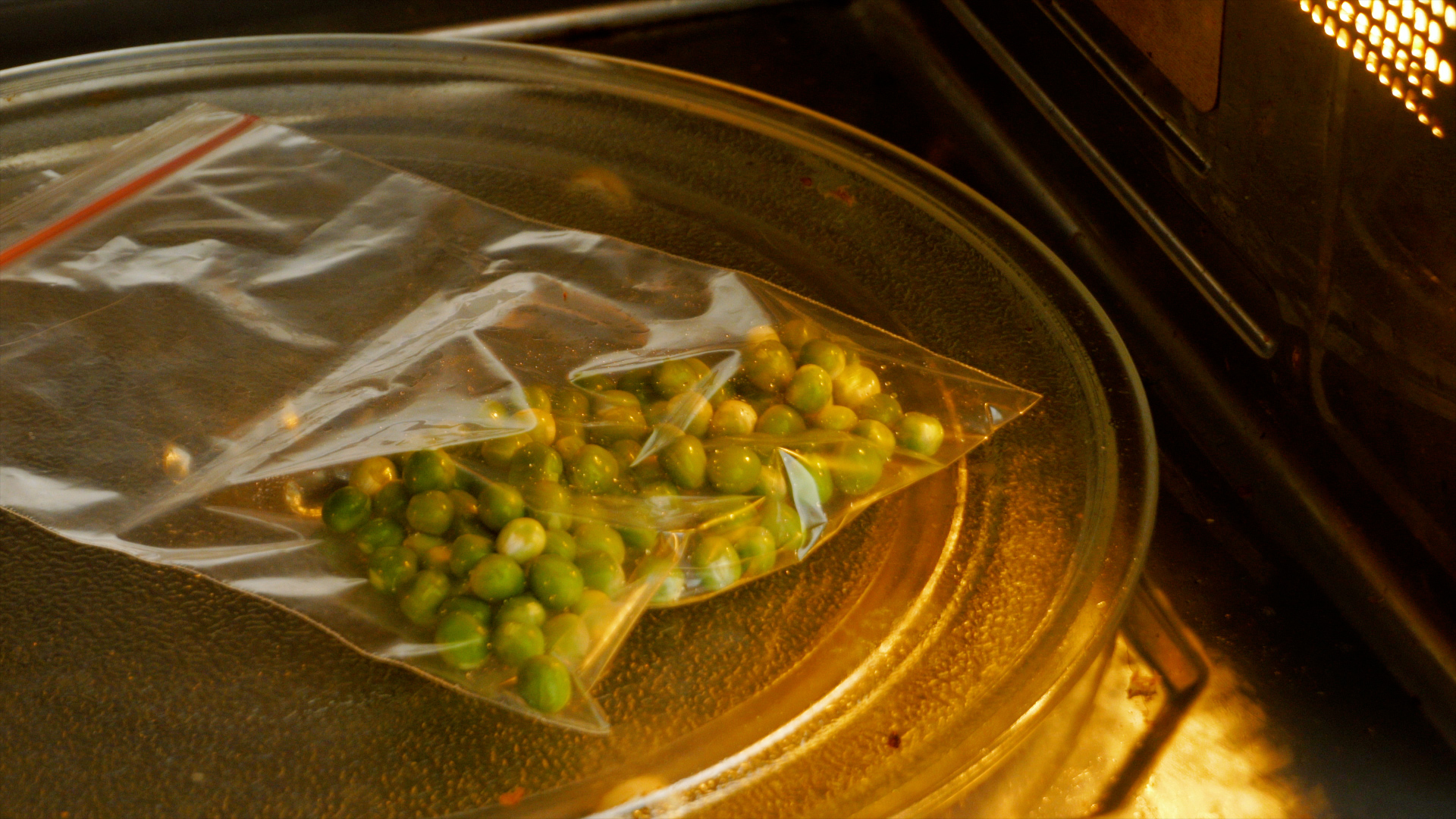
- Place the frozen peas in a large microwave-safe bowl.
- Add 1 to 2 tablespoons of water.
- Cover the bowl with a microwave-safe lid or plate, leaving a small opening for steam to escape.
- Microwave on high for 2 minutes.
- Carefully uncover the bowl, stir the peas, and check their temperature.
- Continue microwaving in 30-second intervals until thoroughly hot. A typical total cooking time is 2 1/2 to 4 minutes, depending on the microwave and quantity.
- Drain any remaining water. Add butter, salt, pepper, or other seasonings and serve.
Covering the bowl traps steam and promotes more even heating. Because microwave power levels vary considerably, short additional intervals are better than guessing and cooking the peas for five uninterrupted minutes. Microwave guidance from USDA and university extension resources also emphasizes arranging food evenly, adding limited liquid when appropriate, and allowing for differences in appliance performance. >Easy Microwave Flavor Combinations
- Lemon pepper: Butter, lemon juice, black pepper, and a pinch of garlic powder
- Herbed peas: Olive oil, parsley, dill, and chives
- Cheesy peas: Butter and finely grated Parmesan
- Sweet and savory: Butter, a tiny drizzle of honey, and flaky salt
Method 3: Sauté Frozen Peas in a Skillet
Sautéing produces the most concentrated flavor of the three methods. A hot skillet quickly evaporates surface moisture while butter or oil coats every pea. The result is slightly firmer, more flavorful, and especially good with garlic, shallots, bacon, mushrooms, or fresh herbs.
Best For
Garlic-butter peas, fried rice, pasta, grain bowls, holiday side dishes, and recipes in which the peas should taste like a deliberate ingredient rather than a green obligation.
Ingredients
- 2 cups frozen peas
- 1 tablespoon butter or olive oil
- 1 small garlic clove, minced
- 2 tablespoons water
- Salt and black pepper, to taste
Instructions
- Heat a large skillet over medium heat.
- Add the butter or olive oil. When hot, add the garlic and cook for about 20 seconds, just until fragrant.
- Add the frozen peas and 2 tablespoons of water. Be careful, because ice crystals may cause the fat to sputter.
- Stir the peas, then cover the skillet for 2 minutes. The small amount of water creates steam and begins thawing the centers.
- Remove the lid and increase the heat to medium-high.
- Cook for another 2 to 4 minutes, stirring frequently, until the water has evaporated and the peas are hot.
- Season with salt and pepper. Serve immediately.
Starting frozen vegetables in a sufficiently hot pan helps excess surface moisture evaporate instead of collecting around them. That is useful when you want peas with a firmer texture rather than peas that have quietly surrendered. >Skillet Variations
Cook a tablespoon of minced shallot before adding the peas for a gentle onion flavor. Add crushed red pepper for heat, smoked paprika for depth, or curry powder for warmth. A spoonful of cream added during the final minute creates quick creamed peas, while crispy bacon turns the side dish into something that may compete with the main course.
Which Frozen Pea Cooking Method Is Best?
| Method | Approximate Time | Texture | Best Use |
|---|---|---|---|
| Stovetop | 3 to 5 minutes | Soft and tender | Classic buttered peas and family dinners |
| Microwave | 2 1/2 to 4 minutes | Tender and moist | Small portions and the fastest preparation |
| Skillet | 4 to 6 minutes | Firmer with concentrated flavor | Garlic peas, pasta, rice, and seasoned sides |
The ideal method depends on the meal. Choose the microwave when speed matters, the saucepan for a familiar side dish, and the skillet when flavor and texture deserve extra attention.
Common Mistakes When Cooking Frozen Peas
Boiling Them for Too Long
Prolonged boiling can turn peas dull, wrinkled, and mushy. Begin checking them after a few minutes and remove them from the heat as soon as they are hot and tender.
Using Too Much Water
A large volume of water slows seasoning and encourages flavor to move into the cooking liquid. Use only enough water to generate steam unless a specific recipe requires more.
Thawing Them on the Counter
Countertop thawing is unnecessary for these methods. It can also leave the peas sitting in melted ice, which works against a firm texture.
Seasoning Too Early
Salt is not the villain, but seasoning water that will later be discarded is inefficient. Drain or evaporate excess liquid first, then add salt, butter, herbs, and acidic ingredients.
Letting Cooked Peas Wait Too Long
Peas are at their best immediately after cooking. If they must wait, cover them and keep them warm briefly rather than continuing to heat them.
Frequently Asked Questions
Do Frozen Peas Need to Be Thawed Before Cooking?
No. For stovetop, microwave, and skillet cooking, frozen peas can generally go directly from the freezer into the pan or bowl. Cooking them from frozen is convenient and may help prevent the soft texture caused by thawing and draining.
Can You Eat Frozen Peas Without Cooking Them?
Do not assume that every package is ready to eat. Many frozen vegetables are sold with cooking instructions because blanching is not necessarily a complete food-safety cooking step. Check the label and cook the peas as directed.
How Do You Keep Frozen Peas Bright Green?
Use a short cooking time, avoid excessive water, and serve them promptly. Lemon juice can brighten the flavor, but add it after cooking so the peas do not spend unnecessary time in an acidic liquid.
How Can You Tell When Frozen Peas Are Done?
They should be thoroughly hot, tender when bitten, and still hold their round shape. Their exact texture is partly personal preference, but shriveled skins and collapsing centers usually indicate overcooking.
Can Cooked Peas Be Refrigerated?
Yes. Cool leftovers promptly, place them in a covered container, and refrigerate them. Reheat only the portion needed, since repeated heating can make peas increasingly soft.
Experience Notes: What Home Cooks Usually Learn About Frozen Peas
The first practical lesson is that frozen peas cook much faster than people expect. A cook who grew up eating very soft vegetables may instinctively leave them bubbling while finishing the rest of dinner. By the time the chicken is carved and the gravy is stirred, the peas have crossed the border from tender to exhausted. Setting a timereven for something as simple as peasoften produces a noticeably sweeter flavor and a fresher texture.
The second lesson involves water. Many home cooks begin by filling a saucepan as though they are preparing spaghetti. That method works, but it creates more waiting, more draining, and more opportunities for overcooking. Switching to a few tablespoons of water feels almost suspicious the first time. Then the lid traps steam, the peas become hot within minutes, and the cook realizes an entire pot of water was never required. It is a small change, but weeknight cooking is largely a collection of small changes that prevent dinner from becoming a group project with poor management.
Microwaving tends to win on rushed days. The biggest improvement comes from using a bowl that is larger than seems necessary. Peas and steam need room, and an undersized container can bubble over or make stirring awkward. Covering the bowl also matters. Uncovered peas can heat unevenly and lose moisture, while a loose microwave-safe cover creates a miniature steamer. Stirring halfway through is worth the few seconds because microwaves do not always heat every part of a dish at the same rate.
The skillet method usually creates the strongest reaction from people who think they dislike frozen peas. Butter, hot metal, garlic, and rapid evaporation can change the character of the dish. The peas taste less watery, their sweetness becomes more noticeable, and their surface picks up the seasonings in the pan. The important experience-based adjustment is to use both steam and dry heat. A splash of water and a brief covered period heat the centers; removing the lid then allows the moisture to evaporate. Using only dry heat can leave the outside hot while the inside remains cool, especially when cooking a large quantity.
Another lesson is that peas benefit from contrast. Butter supplies richness, lemon supplies acidity, herbs add freshness, and black pepper adds a gentle bite. None of those ingredients needs to dominate. In fact, the best seasoning combinations are often the simplest: butter and mint, olive oil and lemon, Parmesan and pepper, or garlic and parsley. Frozen peas already bring sweetness, so the cook’s job is mainly to provide balance rather than disguise them beneath six spice blends and an identity crisis.
Finally, frozen peas are often most useful when they are not served as a separate side dish. Adding them during the final minute of pasta cooking, folding them into fried rice, stirring them into risotto, or scattering them through a creamy casserole can improve both color and texture. Adding them near the end is important because the surrounding dish may already be hot enough to finish cooking them. This habit transforms frozen peas from an emergency vegetable into a flexible ingredient that can rescue a plain meal with almost no chopping, peeling, or dramatic kitchen activity. ion>
Conclusion
Learning how to cook frozen peas is mostly a lesson in restraint. Use minimal water, keep the cooking time brief, and season after the peas are hot. The stovetop method produces a familiar, tender side dish; the microwave offers unbeatable speed; and the skillet delivers richer flavor and a firmer bite.
Whichever method you choose, start with peas straight from the freezer and pay attention during the final minute. They can travel from icy to perfect very quicklyand from perfect to cafeteria nostalgia almost as fast.