Choosing a bathroom color sounds simple until you are standing in front of 200 paint chips wondering whether “misty coastal pebble” is gray, blue, green, or a cry for help. The bathroom may be one of the smallest rooms in the home, but color has an outsized impact there. It can make a windowless powder room feel like a chic cocktail bar, turn a primary bath into a spa-like retreat, or rescue a builder-basic space from the land of forgotten beige.
The best bathroom color ideas balance mood, lighting, materials, and personality. A bright white bathroom can feel fresh and timeless, but add black hardware and suddenly it becomes tailored and modern. A sage green wall can soften tile and stone. A navy vanity can make a plain bath look custom. Even colors that seem riskyplum, terracotta, butter yellow, charcoal, dusty pinkcan work beautifully when used with intention.
Below are 27 bathroom color ideas with striking style, including paint combinations, tile pairings, vanity colors, accent ideas, and practical design tips. Whether your bathroom is tiny, grand, vintage, modern, windowless, or mysteriously shaped like a hallway with plumbing, there is a palette here ready to do some heavy lifting.
How to Choose the Right Bathroom Color
Before picking a color, look at three things: light, fixed materials, and mood. Natural light makes most colors easier to live with, while artificial light can make cool colors look sharper and warm colors feel cozier. Existing tile, countertops, floors, tubs, and metal finishes should also guide your palette. A white marble vanity may love soft gray, navy, blush, or sage. Beige tile usually looks better with warm whites, taupe, clay, olive, or muted blue-green than with icy gray.
Finally, decide what you want the bathroom to feel like. Spa-like? Go for soft blue, eucalyptus green, warm white, or pale taupe. Dramatic? Try charcoal, navy, emerald, oxblood, or plum. Cheerful? Bring in coral, yellow, peach, or sky blue. The right bathroom color is not just prettyit should make brushing your teeth at 6:30 a.m. feel slightly less rude.
27 Bathroom Color Ideas with Striking Style
1. Crisp White with Matte Black Accents
White bathrooms remain popular because they feel clean, bright, and timeless. To keep the look from feeling sterile, add matte black faucets, mirrors, sconces, or cabinet pulls. The contrast gives the space structure and style without overwhelming it. This palette works especially well in small bathrooms because white reflects light while black creates sharp definition.
2. Warm White and Brushed Brass
If cool white feels too clinical, switch to warm white. Creamy white walls paired with brass hardware create a softer, more welcoming bathroom. This combination looks beautiful with marble, light oak, woven baskets, and linen shower curtains. It is ideal for anyone who wants a spa-like bathroom without making the space look like a toothpaste commercial.
3. Soft Sage Green
Sage green is one of the most versatile bathroom colors because it feels natural, calm, and modern at the same time. Use it on walls, cabinetry, beadboard, or even tile. Pair sage with warm white trim, brushed nickel, brass, or natural wood. It works well in both farmhouse bathrooms and contemporary spaces because it brings color without shouting across the room.
4. Deep Forest Green
For a bolder take on green, choose deep forest or hunter green. This shade turns a small powder room into a jewel box and makes a vanity look expensive, even if the cabinet started life as a basic stock piece. Pair forest green with white countertops, antique brass, dark wood, or patterned floor tile for a rich, collected look.
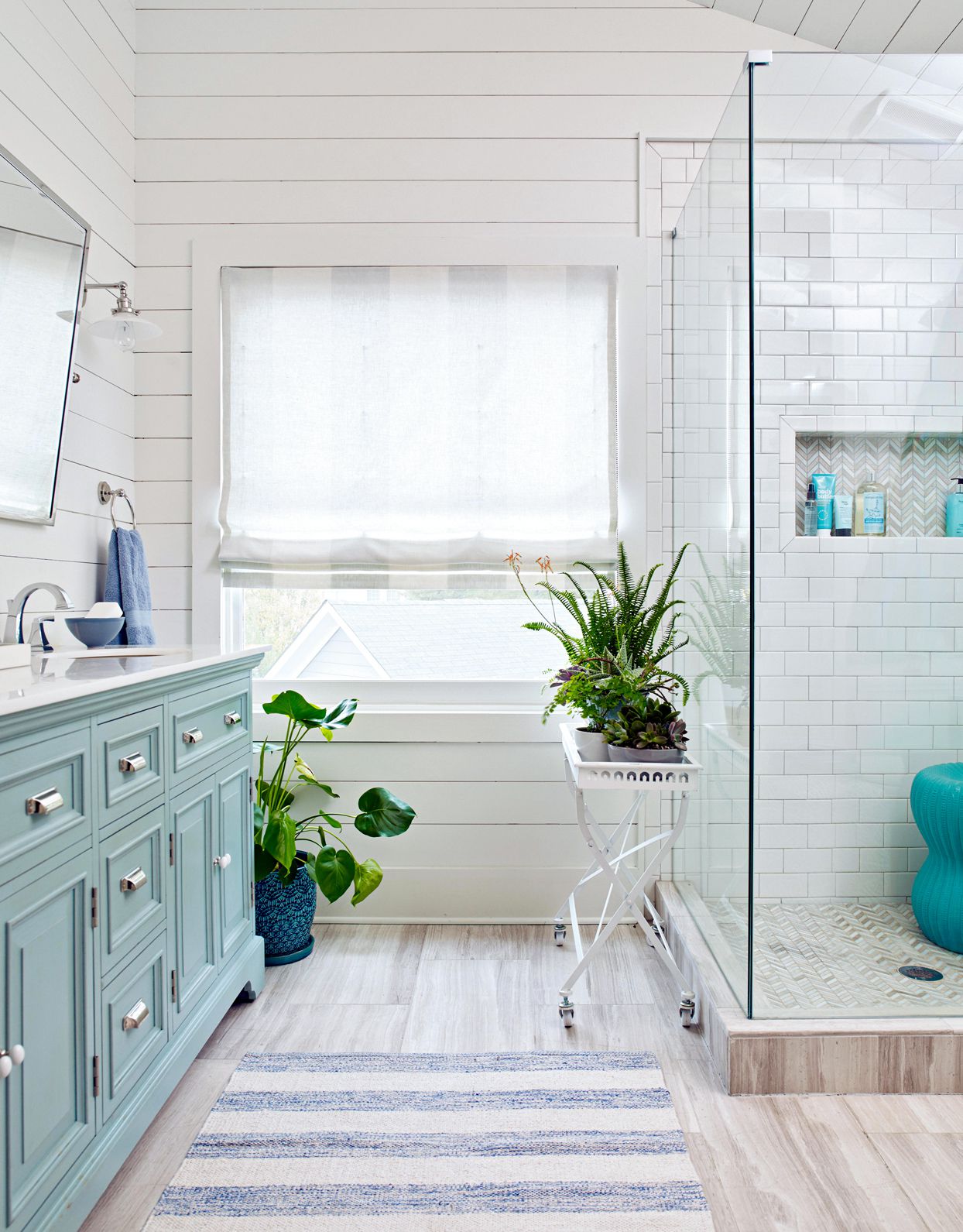
5. Pale Blue Spa Palette
Pale blue is a classic bathroom color because it suggests water, sky, cleanliness, and calm. It is especially effective in bathrooms with white tile, chrome fixtures, and soft towels. To avoid a baby-blue effect, choose a blue with gray or green undertones. Add natural textures such as bamboo, rattan, or stone to make the palette feel grown-up and relaxing.
6. Moody Navy Blue
Navy blue is dramatic but still dependable, which is why it works so well in bathrooms. Paint a vanity navy for a controlled dose of color, or cover the walls in a powder room for a more dramatic effect. Navy pairs beautifully with white, brass, marble, walnut, and warm gray. It is bold without being chaoticbasically the responsible adult of dark paint colors.
7. Blue-Gray Elegance
Blue-gray is perfect when you want color but still want the bathroom to feel quiet. It softens hard bathroom surfaces like tile, glass, stone, and metal. Use it with white trim for a coastal-inspired feel, or pair it with charcoal and brass for something more polished. Blue-gray also works nicely in primary bathrooms where a peaceful morning routine is the goal.
8. Charcoal Gray Drama
Charcoal gray can make a bathroom feel luxurious, especially when paired with marble, limestone, or glossy tile. Use charcoal on the walls for a cocooning effect or on cabinetry for a strong focal point. Balance the depth with warm lighting, large mirrors, and metallic accents. In a small bathroom, charcoal can actually make the room feel intentional rather than cramped.
9. Greige for Quiet Sophistication
Greigea blend of gray and beigeis a smart choice for bathrooms with mixed finishes. It can bridge cool tile, warm wood, white porcelain, and metal fixtures without fighting for attention. Greige works well in guest bathrooms because it feels polished and neutral, but not boring. Add textured towels, framed art, or a patterned rug to keep the palette layered.
10. Taupe and Stone
Taupe gives bathrooms an earthy, upscale feeling. It is warmer than gray and more complex than beige, making it a strong partner for stone countertops, travertine tile, brushed brass, and creamy ceramics. A taupe bathroom feels grounded and calm, like a boutique hotel that definitely charges too much for breakfast.
11. Dusty Pink as a New Neutral
Dusty pink has moved far beyond nursery territory. In bathrooms, muted blush, putty pink, or rose-beige can flatter skin tones and warm up cool surfaces. Pair dusty pink with white marble, unlacquered brass, walnut, or terracotta tile. The result is elegant, modern, and a little unexpected.
12. Retro Pink Tile with Modern Contrast
If you have vintage pink tile, do not rush to demolish it. Pink bathrooms can look fresh again when balanced with modern elements. Try warm white walls, burgundy towels, black-framed mirrors, or polished nickel fixtures. The trick is to treat the pink as a design feature, not a problem from the past wearing a bathrobe.
13. Peach and Cream
Peach brings warmth and friendliness to a bathroom without becoming too loud. It looks especially good with cream, white oak, brass, and handmade tile. Use peach on an accent wall, painted vanity, or shower curtain if you want a soft glow. This color is ideal for bathrooms that feel cold or dim because it adds warmth instantly.
14. Terracotta and Clay
Terracotta and clay tones are excellent choices for bathrooms inspired by Mediterranean, Southwestern, organic modern, or rustic styles. Use them through tile, paint, planters, or accessories. These earthy colors pair well with plaster walls, black fixtures, creamy whites, and natural wood. They make a bathroom feel sunbaked, grounded, and full of character.
15. Butter Yellow Cheer
Butter yellow can brighten a bathroom without feeling neon. It is softer than lemon yellow and warmer than cream, making it perfect for small spaces that need energy. Pair it with white trim, blue accents, or vintage-inspired fixtures. A butter yellow bathroom says, “Good morning,” instead of “Why is the overhead light attacking me?”
16. Mustard with White Tile
Mustard is a bold bathroom color that works best when balanced with clean white tile or simple fixtures. It brings depth and personality to powder rooms, guest baths, or vanities. Add black accents for a graphic look or brass for warmth. Because mustard is strong, use it strategically rather than coating every surface unless you truly enjoy commitment.
17. Emerald Green Jewel Box
Emerald green is a striking choice for a powder room, especially with glossy tile, lacquered walls, or dramatic wallpaper. Pair it with brass, black, marble, or deep wood tones. This color is glamorous and memorable, making it perfect for a bathroom guests will actually talk aboutin a good way, not in a “where is the light switch?” way.
18. Teal for Energy and Depth
Teal combines the freshness of blue with the richness of green. It works well on vanities, tile walls, or painted paneling. For a modern look, pair teal with white, matte black, and light wood. For something more dramatic, add brass, dark stone, and patterned tile. Teal is especially good when you want a colorful bathroom that still feels sophisticated.
19. Plum and Soft White
Plum is a luxurious color for bathrooms, especially powder rooms and guest baths. A deep plum wall paired with soft white trim creates contrast without the harshness of black and white. Add antique brass or polished nickel fixtures for a refined finish. Plum also works beautifully with floral wallpaper, vintage mirrors, and marble sinks.
20. Black and White Classic
Black and white bathrooms never really go out of style. Use white subway tile with black grout, black hex floor tile, or a black vanity against white walls. This high-contrast palette works in traditional, modern, industrial, and farmhouse spaces. To soften it, add wood, plants, woven baskets, or warm lighting.
21. All-Black Powder Room
An all-black bathroom may sound risky, but in a small powder room it can feel bold and elegant. Choose black paint, black tile, or black wallpaper with texture. Add a statement mirror, good lighting, and a contrasting sink or countertop. Because powder rooms are used briefly, they can handle drama better than a main bathroom used for daily routines.
22. Soft Lavender Gray
Lavender gray is subtle, soothing, and a little more interesting than standard gray. It pairs beautifully with white tile, silver fixtures, and pale stone. This color is especially effective in bathrooms where you want a calm mood with a hint of personality. Keep accessories simple so the undertone feels intentional, not accidental.
23. Coastal Sand and Sea Glass
A coastal bathroom does not need seashell soap dishes to make its point. Try sandy beige walls with sea-glass blue or green accents. Add white towels, woven textures, and light wood for a breezy look. This palette works well in small bathrooms because it stays light while adding enough color to feel designed.
24. Olive Green and Cream
Olive green is warmer and earthier than sage, making it a strong choice for bathrooms with brass, brown wood, cream tile, or vintage details. It can look traditional, rustic, or modern depending on the materials around it. Use olive on a vanity for a rich focal point or on the walls for a cozy, nature-inspired room.
25. Sky Blue and Bright White
Sky blue and bright white create a fresh, optimistic bathroom palette. This combination is especially good for kids’ bathrooms, beach-inspired spaces, or small baths that need lightness. To keep the look from feeling too sweet, add crisp lines, simple fixtures, and a neutral floor. A striped towel or patterned shade can add just enough playfulness.
26. Warm Beige with Wood Accents
Warm beige is back, but thankfully not in the flat, builder-grade way many people remember. Today’s beige bathrooms use texture, contrast, and natural materials. Pair beige walls with white oak vanities, stone counters, linen curtains, and matte fixtures. The result feels organic and calm rather than bland.
27. Color-Drenched Vanity Moment
If painting the whole bathroom feels too bold, paint only the vanity. A colorful vanity can transform the room with less risk and less paint. Try navy, eucalyptus green, smoky jade, coral, charcoal, plum, or dusty blue. Pair the vanity color with neutral walls and updated hardware for a custom look that does not require a full renovation.
Best Bathroom Color Combinations by Style
Modern Bathroom Color Palette
For a modern bathroom, choose crisp contrast and clean lines. White with black, warm gray with walnut, charcoal with brass, or blue-gray with chrome can all look sleek. Keep patterns minimal and let materials such as stone, glass, and metal carry the design.
Small Bathroom Color Palette
Small bathrooms can go light or dark. Pale blue, warm white, soft sage, blush, and ivory can make the space feel open. Dark navy, charcoal, emerald, or plum can make it feel dramatic and intentional. The key is commitment. A half-hearted accent wall often looks nervous; a fully planned palette looks confident.
Spa Bathroom Color Palette
For a spa-inspired bathroom, focus on nature-based colors: eucalyptus, soft green, sand, stone gray, warm white, pale blue, and clay. Add soft lighting, fluffy towels, wood accents, plants, and minimal clutter. The goal is to create a space that whispers, “Relax,” instead of yelling, “Who used the last towel?”
Vintage Bathroom Color Palette
Vintage bathrooms look charming with pink, mint, butter yellow, black and white, burgundy, or powder blue. If the bathroom already has vintage tile, work with it. Choose complementary wall colors, updated fixtures, and classic accessories rather than stripping away all the character.
Bathroom Color Tips That Make a Big Difference
Always test paint samples in the actual bathroom before committing. Bathroom lighting can dramatically change the way a color looks. A soft beige may turn yellow under warm bulbs, while pale gray can appear blue in cool lighting. Paint large swatches on multiple walls and check them in the morning, afternoon, and evening.
Think about sheen, too. Bathrooms deal with humidity, splashes, steam, toothpaste incidents, and the occasional mystery mark. Satin or semi-gloss finishes are often easier to clean than flat paint, especially around sinks and showers. For ceilings, choose a moisture-resistant paint designed for humid spaces.
Do not forget the fifth wall: the ceiling. A white ceiling keeps the room open, but a painted ceiling can add drama. Try a soft blue ceiling in a white bathroom, a blush ceiling above cream walls, or a deep color in a powder room for a wrapped, designer look.
Finally, coordinate color with textiles and accessories. Towels, bath mats, shower curtains, artwork, soap dispensers, and storage baskets can reinforce your palette without a major renovation. This is the safest way to test a bold color before inviting it to live permanently on your walls.
Real-Life Experience: What Actually Works When Choosing Bathroom Colors
After working through many bathroom color ideas, one thing becomes clear: the best palette is usually the one that respects the room you already have. It is tempting to fall in love with a dramatic Pinterest bathroom and immediately want emerald walls, black tile, brass fixtures, and a mirror the size of a royal portrait. But real bathrooms come with existing tile, odd lighting, limited ventilation, small footprints, and budgets that do not always enjoy being bullied.
In practice, the most successful bathroom updates often begin with one fixed feature. Maybe the floor tile is beige. Instead of fighting it with icy gray paint, a warm white, taupe, olive, or clay shade can make the tile look intentional. If the vanity top has gray veining, a blue-gray wall or charcoal cabinet can connect the room. If the bathroom has old pink tile, adding dusty rose, cream, burgundy, or black accents can turn “outdated” into “vintage with confidence.” The room usually tells you what it wantsthough sometimes it mumbles through bad lighting.
Another useful lesson is that small bathrooms do not always need pale colors. Many people assume a tiny bathroom must be white, but dark colors can be fantastic in powder rooms. A deep navy or plum can blur the corners and make the room feel cozy rather than cramped. The important part is lighting. A dark bathroom needs a bright mirror light, layered sconces, or at least a bulb that does not make everyone look like they are being interrogated in a basement.
Vanity color is also one of the easiest ways to create style without repainting the entire room. A green, blue, black, or terracotta vanity can look custom even when the rest of the bathroom stays neutral. This is especially helpful for renters or homeowners who want personality but are not ready for tile replacement. Swap hardware, add a framed mirror, choose towels that repeat the color, and suddenly the bathroom looks planned.
Testing samples is not optional. Paint colors are sneaky little creatures. A perfect warm white in the store can turn yellow at home. A lovely gray can look purple. A soft green can become mint toothpaste under the wrong bulb. The best approach is to paint sample squares on at least two walls and live with them for a couple of days. Check them after a shower, under evening lighting, and next to your towels or tile.
Finally, bathroom color should support real life. If the room is used by kids, extremely pale grout, delicate finishes, and high-maintenance surfaces may cause emotional damage before breakfast. If it is a guest bath, you can be more daring because guests are not doing a full morning routine there every day. If it is your primary bathroom, choose a color that makes you feel good in the mirror and calm during daily routines. Style matters, but so does not regretting your wall color every time you reach for the toothbrush.
Conclusion
Bathroom color has the power to completely change the way a space feels. White can be timeless, but it is only the beginning. Soft sage, pale blue, dusty pink, warm beige, terracotta, charcoal, navy, emerald, plum, and butter yellow can all create striking style when paired with the right finishes and lighting. The best bathroom color ideas do not simply follow trends; they solve design problems, flatter existing materials, and give the room a clear personality.
Whether you want a spa-like retreat, a dramatic powder room, a cheerful family bath, or a polished modern space, start with the mood you want and the materials you already have. Then use paint, tile, textiles, cabinetry, and accents to build a palette that feels intentional. A bathroom may be small, but with the right color, it can easily become one of the most memorable rooms in the house.
Note: This article is written as original, web-ready content based on current bathroom color and interior design guidance, with no unnecessary citation placeholders or source-link elements included in the HTML body.