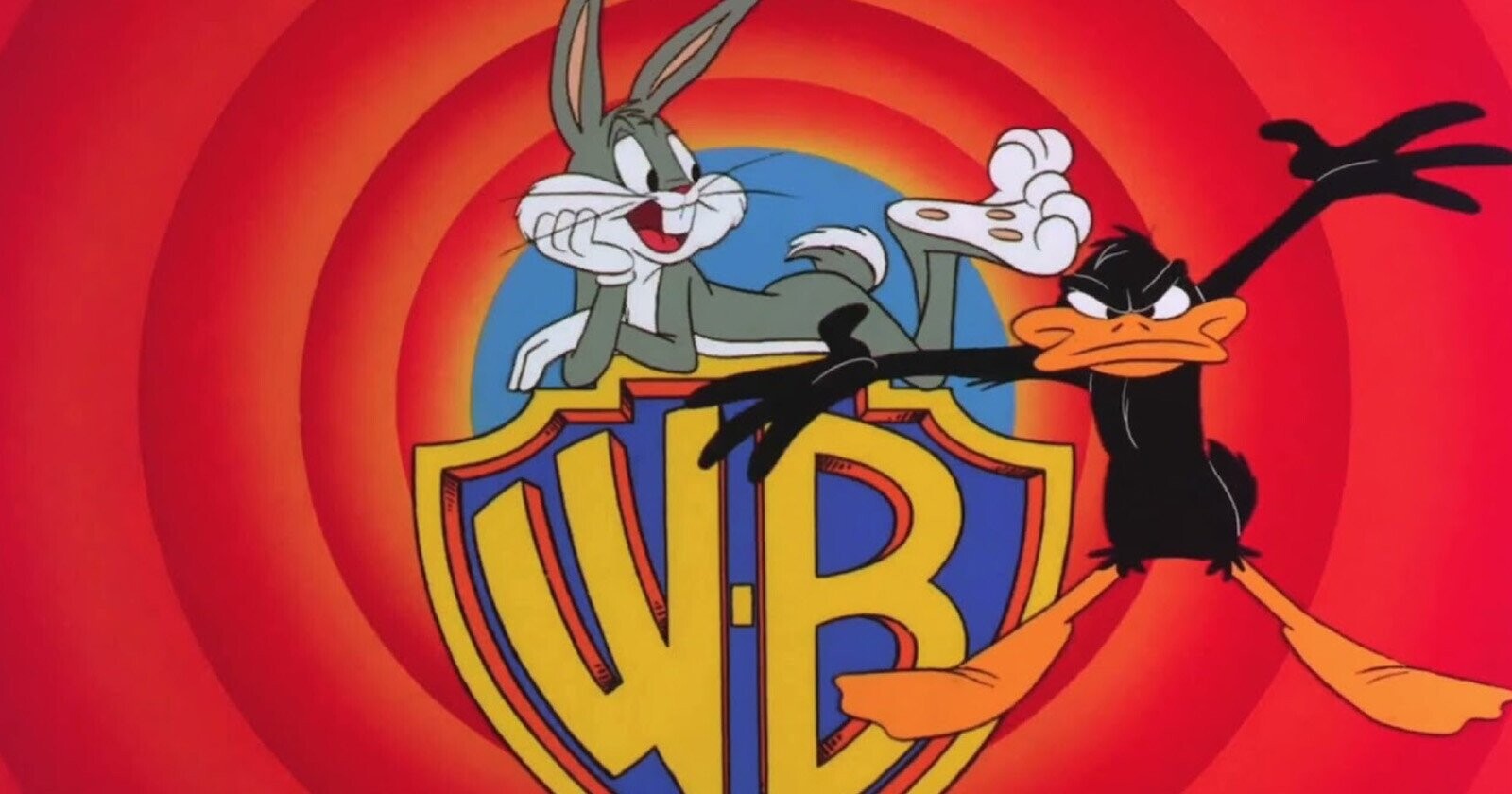
Some comedy needs a complicated setup, a carefully constructed monologue, and three rounds of revisions. Looney Tunes often needed only a rabbit, an irritated duck, a badly designed rocket, and gravity patiently waiting for someone to notice it.
The classic Warner Bros. animated shorts turned visual comedy into a precision instrument. Directors such as Chuck Jones, Friz Freleng, Bob Clampett, Robert McKimson, and Tex Avery created characters with recognizable weaknesses, then built jokes that squeezed those weaknesses until something exploded. Frequently, the exploding object came from ACME.
The best Looney Tunes jokes are more than random cartoon violence. They combine timing, music, personality, wordplay, escalating repetition, and a cheerful disrespect for reality. Here are 15 classic gags that deserve permanent display in the Comedy Hall of Famepreferably beneath a sign that says, “Do not pull this lever.”
Why Classic Looney Tunes Comedy Still Works
These cartoons were originally made as theatrical shorts, so they had very little time to waste. A joke needed to be understood instantly, developed quickly, and completed before the audience had finished wondering why a coyote owned a mail-order catapult.
The characters also remained wonderfully consistent. Bugs Bunny usually controlled the situation because he stayed calm. Daffy Duck lost control because he desperately wanted attention. Wile E. Coyote treated failure as an engineering problem requiring a larger budget. Elmer Fudd entered each conflict with a weapon and somehow remained the least dangerous person involved.
That consistency allowed the animators to create increasingly ridiculous situations without losing the audience. The laws of nature could change, but the characters’ personalities did not. That is the secret ingredient behind many of the funniest Looney Tunes moments.
15 Looney Tunes Jokes Worthy of Comedy Immortality
15. Wile E. Coyote Discovers That Gravity Needs Confirmation
A familiar Road Runner setup sends Wile E. Coyote charging beyond the edge of a cliff. He does not immediately fall. Instead, he hangs in the air, looks down, realizes what has happened, and only then begins his long trip toward the canyon floor.
The pause is the joke. Reality appears willing to overlook the mistake until the Coyote acknowledges it. His expression often moves from confidence to confusion to complete spiritual defeat in a matter of seconds. No dialogue is necessary. The audience already knows the rule: in this desert, gravity is less a force of nature than an employee waiting for authorization.
14. The Painted Tunnel That Works for Everyone Except Its Inventor
Few cartoon gags express unfairness as efficiently as Wile E. Coyote painting a tunnel onto a solid rock wall. The plan seems simple: Road Runner will mistake the painting for a real tunnel, crash into the wall, and become dinner.
Instead, Road Runner races directly through the painted entrance. A train may even emerge from it. When Wile tries to follow, the wall becomes solid again.
The joke breaks logic twice. First, the fake tunnel becomes real. Then it becomes fake again at the exact moment required to punish the Coyote. He is not merely losing to Road Runner; he is being personally bullied by the universe.
13. Big Chungus Arrives Decades Before the Meme
In Wabbit Twouble, Bugs Bunny briefly transforms himself into an exaggeratedly round version of Elmer Fudd. The swollen pose lasts only a moment, but it eventually escaped the short and became the internet phenomenon known as Big Chungus.
The original gag works because Bugs does not simply imitate Elmer. He turns Elmer’s appearance into a theatrical event, strutting with the confidence of a celebrity entering a ballroom. The proportions are ridiculous, but Bugs behaves as though everyone else should be honored to witness them.
Long before meme culture began recycling isolated cartoon frames, Looney Tunes animators understood the comic power of one perfectly distorted image.
12. Marc Antony Thinks His Kitten Has Become a Cookie
Feed the Kitty builds one of the series’ funniest and most emotionally effective misunderstandings. The enormous bulldog Marc Antony becomes fiercely protective of a tiny kitten. After the kitten wanders near the kitchen, Marc sees dough being mixed, flattened, and placed in an oven. He concludes that his new friend has been baked into a cookie.
His reaction is hilariously excessive and genuinely heartbreaking. The joke is not that Marc is foolish; it is that his imagination supplies a complete tragedy from a collection of unrelated details. When the kitten finally appears unharmed, his relief feels enormous.
The sequence proves that great cartoon comedy does not require constant noise. Sometimes the funniest performance is a bulldog silently experiencing every stage of grief beside a tray of baked goods.
11. Michigan J. Frog Refuses to Perform for Paying Customers
In One Froggy Evening, a man discovers a frog capable of singing and dancing like a seasoned Broadway star. Naturally, he imagines fame, theaters, and enormous profits. Unfortunately, Michigan J. Frog performs only when the two of them are alone.
The moment an audience arrives, the frog becomes an ordinary amphibian. He sits motionless and offers nothing. Once the disappointed crowd leaves, the top hat returns and the concert resumes.
This is a perfect frustration joke because the frog never explains himself. He simply chooses the least profitable possible moment to display his talent. The man’s increasingly desperate promotional efforts make the situation worse, transforming a miraculous discovery into a financial curse with excellent vocal range.
10. Sylvester Turns Elmer Fudd’s Backyard Into an Opera House
Back Alley Oproar begins with Elmer Fudd wanting a quiet night of sleep. Sylvester wants to sing. That conflict expands into a full musical siege involving multiple voices, dramatic costumes, improvised instruments, and enough noise to make insomnia seem like the peaceful option.
The comedy comes from escalation. Sylvester does not merely continue singing after Elmer complains. He keeps discovering grander, stranger, and more technically impressive ways to perform. Each attempt to silence him creates another opportunity for a musical comeback.
It is a classic example of Friz Freleng’s ability to synchronize animation with music. Every movement feels timed to a beat, including the impacts Elmer would rather not experience.
9. Daffy Duck’s Show-Stopping Finale Stops Nearly Everything
In Show Biz Bugs, Daffy becomes furious because audiences prefer Bugs Bunny. After several attempts to steal the spotlight, he finally performs an astonishing act involving dangerous substances, an explosive mixture, and a swallow no medical professional would recommend.
The audience erupts in applause. Daffy has finally achieved the admiration he wanted. There is only one problem: the act can be performed only once.
The joke is dark, fast, and completely faithful to Daffy’s personality. He would rather destroy himself in a successful performance than remain alive in second place. His need for applause is not a character detail; it is an occupational hazard.
8. Duck Dodgers Chooses the Wrong Disintegrating Pistol
In Duck Dodgers in the 24½th Century, Daffy arrives in space with the confidence of a legendary hero and the judgment of someone who has never read an instruction label. During his confrontation with Marvin the Martian, he produces a disintegrating pistol.
The weapon promptly disintegrates itself.
This compact gag contains nearly everything that makes Daffy funny. He makes a grand announcement, expects an impressive result, and receives an immediate technical correction from reality. The pistol does exactly what its name promises. Daffy simply assumed the target would be something other than the pistol.
7. Bugs and Yosemite Sam Turn Doors Into a Combat System
In Buccaneer Bunny, Bugs Bunny and Yosemite Sam race through a sequence of doors while a cannon repeatedly changes position. Each door appears to offer escape, but the characters keep reappearing from impossible locations. The cannon follows the action as though the building itself has decided to participate.
The multi-door chase would later become a familiar animation device, but the Looney Tunes version adds aggressive machinery and flawless timing. Bugs understands the structure of the gag. Sam merely runs through it while becoming angrier.
That difference matters. Bugs treats the cartoon like a stage he can rearrange. Sam behaves as though architecture should be required to follow local building codes.
6. Robin Hood Daffy Repeatedly Meets the Same Tree
Robin Hood Daffy gives Daffy the heroic role he believes he deserves. Wearing the proper costume and overflowing with confidence, he attempts an athletic entrance while announcing, “Yoicks! And away!”
He then swings directly into a tree.
The gag repeats, but each repetition changes the setup or timing. Daffy remains convinced that the next attempt will restore his dignity. It does not. Porky Pig watches with the restrained concern of someone who knows that offering advice will only extend the performance.
Repetition works here because Daffy never emotionally accepts the previous failure. Every collision is, in his mind, an isolated administrative error.
5. Bugs Bunny Becomes “Leopold” and Conducts an Entire Audience
In Long-Haired Hare, an arrogant opera singer repeatedly interrupts Bugs Bunny’s music. Bugs eventually retaliates by disguising himself as the famous conductor “Leopold.”
The audience gasps at the name. Musicians become instantly obedient. The singer follows every gesture Bugs makes, even when Bugs forces him to hold a note far beyond reasonable human capacity.
The joke succeeds through status reversal. The singer begins as a powerful celebrity who dismisses Bugs. By the end, Bugs controls the stage with a wig, a tuxedo, and absolute confidence. Nobody asks for identification. Apparently, looking annoyed while holding a baton is sufficient proof of musical authority.
4. Rabbit of Seville Turns a Barber Chair Into a Comedy Orchestra
Rabbit of Seville places Bugs and Elmer inside a stage production set to Rossini’s famous overture. Bugs becomes a barber and subjects Elmer to an increasingly elaborate series of shaves, massages, cosmetic treatments, and scalp-related emergencies.
The remarkable part is how precisely the physical comedy follows the music. Small gestures match delicate phrases, while major musical bursts produce larger attacks. The score does not merely accompany the jokes; it organizes them.
This is one of the finest examples of classical music comedy in animation. Viewers do not need to know the opera. They only need to recognize that Elmer has entered a barbershop where customer service is measured in tempo rather than safety.
3. What’s Opera, Doc? Gives Rabbit Hunting a Tragic Ending
What’s Opera, Doc? transforms the familiar conflict between Bugs and Elmer into a miniature Wagnerian spectacle. Elmer gains a magic helmet, commands storms, and pursues Bugs through enormous theatrical landscapes. Bugs appears in costume, performs a romantic deception, and treats epic opera as another opportunity to confuse a hunter.
The climax appears unusually tragic when Elmer believes he has finally killed Bugs. He carries the rabbit away with operatic sorrowuntil Bugs briefly breaks character to question whether anyone should expect a happy ending from an opera.
The joke works because the short commits fully to its own grandeur before puncturing it. Seven minutes of mythic tragedy collapse under one raised eyebrow.
2. Duck Amuck Lets the Animator Attack the Character
Duck Amuck begins like an ordinary Daffy Duck adventure and then removes the scenery. Daffy protests, so an unseen animator changes the background, alters his costume, erases parts of his body, replaces his voice, and interferes with the frame itself.
Daffy is usually frustrated by other characters. Here, he is frustrated by the medium that allows him to exist. He cannot escape because the animator controls location, sound, appearance, and even the boundaries of the screen.
The result is both hilarious and surprisingly sophisticated. It explains animation by destroying it piece by piece. Daffy’s personality remains recognizable even when almost everything else disappears, proving that a strong character can survive without scenery, props, or dignity.
1. “Duck Season” Versus “Rabbit Season”
The hunting trilogyRabbit Fire, Rabbit Seasoning, and Duck! Rabbit, Duck!contains the most famous argument in Looney Tunes comedy. Daffy insists that it is rabbit season. Bugs insists that it is duck season. Through verbal manipulation, reversed signs, and what Daffy eventually identifies as “pronoun trouble,” Bugs repeatedly convinces Daffy to demand that Elmer shoot him.
The routine is funny because the audience can see the trap long before Daffy does. Bugs changes the wording slightly, and Daffy’s temper finishes the job. Elmer barely needs to make a decision.
It is also an excellent demonstration of character-based comedy. Bugs wins through patience and language. Daffy loses through pride and impatience. The argument has been repeated, quoted, parodied, and imitated for decades because its structure is nearly perfect.
What Makes These Looney Tunes Jokes So Influential?
The strongest classic cartoon gags have a clear visual idea. A viewer can understand Wile E. Coyote standing in midair, Daffy confronting an animator, or Michigan J. Frog refusing to perform without needing a lengthy explanation.
They also escalate carefully. The Road Runner shorts introduce an invention, show how it is supposed to work, let Wile make adjustments, and then deliver a failure more spectacular than the original plan. Musical shorts build from ordinary interruptions to operatic warfare. Verbal routines repeat a phrase until one altered word reverses the result.
Most importantly, the pain is rarely the entire joke. An anvil falling is not automatically funny. It becomes funny because Wile ordered the anvil, assembled the delivery system, calculated its path, stood in the only dangerous location, and looked surprised when the package arrived.
The Rewatch Experience: Why the Jokes Change as You Grow Up
Watching classic Looney Tunes as a child is often an exercise in immediate cause and effect. A character lights a fuse. Something explodes. The character emerges shaped like an accordion. That is enough. The colors are bright, the movement is fast, and the punch lines arrive before a young viewer has time to ask whether ACME offers refunds.
Rewatching the same shorts as an adult can feel like discovering a second cartoon hidden inside the first. Suddenly, the careful timing becomes visible. A pause that once seemed empty turns out to be doing half the comedic work. Wile E. Coyote does not fall immediately because the animators know anticipation is funnier than impact. Daffy’s face changes a fraction of a second before disaster because the audience needs time to enjoy his realization.
The musical references also become richer. A child may hear exciting background music during Rabbit of Seville. An adult may recognize how the animators reshape Rossini’s overture around every movement. The joke functions at both levels. Classical knowledge adds detail, but it is not an admission ticket.
The characters can also become more relatable with age. Bugs Bunny remains the fantasy: relaxed, clever, and always ready with the correct response. Daffy increasingly resembles the person many viewers fear they have becomecompetitive, insecure, underappreciated, and one poor decision away from swallowing an explosive substance for professional recognition.
Even Wile E. Coyote becomes strangely sympathetic. He is not lazy. He has plans, diagrams, equipment, and extraordinary commitment. His problem is that he refuses to reconsider the mission. Every failure convinces him that success requires a more elaborate machine. Anyone who has continued repairing a hopeless appliance because “one more replacement part should do it” has briefly joined the Coyote family.
A group rewatch adds another layer. Different generations may laugh at the same scene for different reasons. Children respond to movement and surprise. Adults notice satire, performance anxiety, cultural references, and the frightening reliability of badly managed technology. Everyone still laughs when the safe lands on the wrong person.
That combination explains why these shorts remain so easy to revisit. They are not locked to one age group or one historical moment. Their references may come from opera, old Hollywood, radio, or mid-century advertising, but their emotional engines are timeless: jealousy, frustration, vanity, stubbornness, hunger, and the desire to prove that a mail-order rocket can work if nobody reads the accident report.
Conclusion: Perfect Timing Never Goes Out of Style
The greatest Looney Tunes jokes still work because they are built on more than nostalgia. Their timing is exact, their characters are consistent, and their visual ideas remain instantly readable. A painted tunnel, an uncooperative frog, or an argument about hunting season can still produce laughter without requiring an update, reboot, or six-minute explanation of the cinematic universe.
Bugs, Daffy, Elmer, Sylvester, Porky, Marvin, Wile E. Coyote, and the rest of the gang turned personal flaws into renewable comedy. Their disasters feel inevitable, yet the method of destruction remains surprising. That is an extraordinarily difficult balanceand one the classic Warner Bros. animators made look as easy as walking off a cliff.
Just remember not to look down.
Note: The scenes and jokes in this article are described and analyzed in original language without reproducing full copyrighted dialogue.