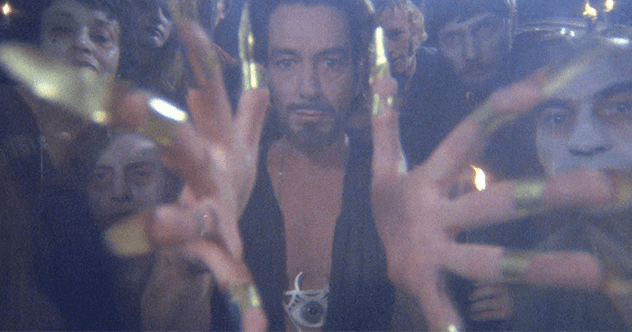
Giallo movies are cinema’s most stylish suspicious strangers: part murder mystery, part psychological thriller, part fever dream, and usually dressed better than everyone in the room. Born from Italian pulp mystery traditions and exploding across screens in the 1960s and 1970s, giallo films helped shape the visual language of later slasher movies, neo-noir thrillers, and stylish horror mysteries. Yet when people talk about the genre, the same titles often grab the spotlight: Deep Red, The Bird with the Crystal Plumage, Blood and Black Lace, and maybe Suspiria, depending on how strict your genre police badge happens to be.
But the giallo rabbit hole goes much deeper. Beyond the famous classics lies a glittering cabinet of underappreciated gems filled with unreliable witnesses, strange architecture, smoky nightclubs, blackmail, family secrets, and plots that sometimes move like a jazz solo after three espressos. This list focuses on underrated giallo movies that deserve more attention from fans of Italian thriller movies, cult cinema, 1970s horror mysteries, and anyone who enjoys a whodunit where the wallpaper may be more emotionally stable than the characters.
Note for readers: Many classic giallo films were made for mature audiences and may include intense themes. Check age ratings and content advisories before watching.
What Makes a Giallo Movie So Addictive?
A giallo is rarely just a mystery. It is a mood machine. The best gialli use color, sound, fashion, editing, architecture, and paranoia to turn ordinary spaces into traps. A hotel hallway becomes suspicious. A phone call feels like a threat. A pair of gloves suddenly has more screen presence than most modern superheroes.
Unlike a traditional detective story, a giallo often cares as much about atmosphere as logic. That does not mean the plots are meaningless. It means the journey is designed to feel unstable. The viewer is invited to question every face, every memory, every shiny clue. In underrated giallo movies, this instability can be even more rewarding because the films are not weighed down by decades of over-analysis. They still feel dangerous, odd, and undiscovered.
10 Underrated Giallo Movies Worth Watching
1. The Fifth Cord (1971)
Luigi Bazzoni’s The Fifth Cord is one of the most elegant underseen giallo films of the early 1970s. It follows a troubled journalist drawn into a string of attacks after reporting on a suspicious case. That may sound like standard thriller territory, but the movie’s real power comes from its visual design. Cinematographer Vittorio Storaro gives the film a cool, architectural menace, turning modern interiors into emotional iceboxes.
This is not the loudest giallo. It does not jump up and down yelling, “Look at me, I’m stylish!” Instead, it quietly tightens the room around you. Franco Nero brings weary charisma to the lead role, and Ennio Morricone’s score adds an uneasy pulse. If you enjoy Italian thriller movies with sleek photography, moral exhaustion, and a mystery that feels like it was written on fogged glass, The Fifth Cord deserves a prime spot on your watchlist.
2. The Case of the Scorpion’s Tail (1971)
Sergio Martino is usually praised for The Strange Vice of Mrs. Wardh and All the Colors of the Dark, but The Case of the Scorpion’s Tail is a lean, travel-heavy thriller that deserves more love. The story begins with an insurance payout, suspicious motives, and a chain of deception that keeps widening like a crack in expensive marble.
What makes this film so enjoyable is its balance. It has the expected giallo ingredients: exotic locations, polished suspense, hidden agendas, and a killer whose identity remains slippery. But it also has the rhythm of a crime novel. The plot moves briskly, the investigation matters, and the characters actually seem to be chasing answers rather than simply wandering into beautifully lit danger. For viewers new to underrated giallo movies, this is one of the most accessible entries.
3. Death Walks on High Heels (1971)
With a title like Death Walks on High Heels, subtlety has clearly left the building wearing sunglasses. Directed by Luciano Ercoli, this film mixes nightclub glamour, stolen jewels, paranoia, and mistaken identities into a twisty mystery that refuses to sit still. It begins in Paris and moves through shifting locations and relationships, giving the movie a lively international flavor.
The secret weapon here is Nieves Navarro, credited in many films as Susan Scott. She gives the movie personality, wit, and survival energy. Many giallo heroines are treated like decorative victims, but Navarro often feels like she knows the rules of the genre and is quietly annoyed by them. That makes the film more engaging than its pulpy title might suggest. It is glamorous, strange, and far smarter than a casual glance would imply.
4. Death Walks at Midnight (1972)
Also directed by Luciano Ercoli and again starring Nieves Navarro, Death Walks at Midnight is more playful, more chaotic, and more knowingly bizarre than its spiritual sibling. The plot follows a fashion model who witnesses what appears to be a crime during a staged experiment, only to be pulled into a dangerous mystery that nobody around her seems willing to believe.
This movie has one of the great giallo setups: a woman sees something shocking, tries to explain it, and immediately discovers that reality has terrible customer service. The film’s energy is part mystery, part pop-art nightmare, part “please stop gaslighting the protagonist.” Its bright 1970s style and brisk pacing make it a terrific entry for viewers who want cult cinema with attitude. It also proves that giallo movies can be suspenseful and oddly funny without losing their edge.
5. The Red Queen Kills Seven Times (1972)
Emilio Miraglia’s The Red Queen Kills Seven Times is gothic giallo with a fashion-model heartbeat. The story centers on a family curse, an inheritance, and a mysterious red-cloaked figure who may or may not be fulfilling an old legend. That blend of aristocratic secrets and modern thriller mechanics gives the film its deliciously over-the-top charm.
This is the movie to watch when you want castles, couture, family drama, and a plot that behaves like it was assembled by a suspicious countess during a thunderstorm. Barbara Bouchet and Marina Malfatti bring style and intensity, while Bruno Nicolai’s music adds the right amount of theatrical tension. The Red Queen Kills Seven Times deserves attention because it shows that giallo is not only black gloves and urban paranoia. Sometimes it is also ancestral panic in fabulous lighting.
6. The Bloodstained Butterfly (1971)
Duccio Tessari’s The Bloodstained Butterfly is a fascinating variation on the giallo formula because it leans heavily into courtroom drama and procedural structure. Instead of simply following a stalked witness or suspicious outsider, the film examines accusation, evidence, and public judgment. A television personality becomes connected to a murder case, and the mystery grows more complicated as the legal process unfolds.
That makes the movie feel unusually grounded for a genre often happy to leap into dream logic. It still has the beauty, suspicion, and emotional coldness fans expect, but it also asks a sharper question: what happens when the system reaches a conclusion before the truth is ready to cooperate? For viewers interested in mystery thrillers that blend style with structure, The Bloodstained Butterfly is one of the genre’s most underrated achievements.
7. Short Night of Glass Dolls (1971)
Aldo Lado’s Short Night of Glass Dolls is not just underrated; it is deeply unsettling in concept without needing to rely on graphic detail. The film opens with a journalist found in Prague, apparently dead, while his mind remains active. From there, the story unfolds through memory as he tries to understand what happened to him and why his girlfriend disappeared.
The result is part giallo, part political nightmare, part existential trap. Prague gives the film a chilly, oppressive atmosphere, and Ennio Morricone’s score deepens the sense of dread. Unlike many Italian horror mysteries that focus on sudden shocks, Short Night of Glass Dolls builds its power through helplessness and conspiracy. It is ideal for viewers who like their thrillers brainy, bleak, and just weird enough to make the furniture look guilty.
8. The House with Laughing Windows (1976)
Pupi Avati’s The House with Laughing Windows is often described as a giallo, a folk horror mystery, or a rural nightmare wearing a giallo mask. Whatever label you choose, it is one of the most haunting Italian thrillers of the 1970s. The story follows an art restorer who arrives in a small town to work on a disturbing fresco, only to uncover secrets tied to the painter’s past.
What sets this film apart is its setting. Instead of glamorous cities and fashion houses, Avati gives us quiet roads, local gossip, decaying buildings, and the feeling that everyone knows something but nobody is applying for the job of helpful citizen. The suspense creeps rather than sprints. By the end, the movie feels less like a puzzle box and more like a bad dream you found in an old church. It is essential viewing for fans of slow-burn giallo and atmospheric horror mysteries.
9. The Perfume of the Lady in Black (1974)
Francesco Barilli’s The Perfume of the Lady in Black is one of the strangest and most psychologically charged giallo-adjacent films of the decade. Starring Mimsy Farmer, it follows a scientist whose life begins to fracture under the pressure of visions, memories, and possible manipulation. The film is less interested in detective mechanics than in mental collapse, social unease, and the way memory can become a locked room.
This is not the best choice for someone who wants a neat whodunit. It is better for viewers who enjoy giallo as an emotional maze. The movie’s apartment spaces, mirrors, stairways, and faces all seem to close in on the protagonist. Its title sounds elegant, almost romantic, but the film itself is deeply anxious. Among underrated giallo movies, The Perfume of the Lady in Black stands out because it dares to be ambiguous, internal, and sincerely strange.
10. The Pyjama Girl Case (1977)
Flavio Mogherini’s The Pyjama Girl Case is an unusual late-period giallo that trades the familiar Italian urban setting for Australia. Inspired by a real unsolved case, the film follows two narrative threads: an investigation into an unidentified young woman and the life of a woman whose relationships may hold the key to the mystery.
The movie has a melancholic tone that separates it from flashier gialli. Ray Milland brings old-school gravitas, Riz Ortolani’s music adds sadness and atmosphere, and the Australian setting gives the film a sun-bleached loneliness. It may not satisfy viewers looking for nonstop twists, but it rewards patience with a mood of quiet tragedy. In a genre famous for style, The Pyjama Girl Case earns attention for its sorrowful restraint.
Why These Underrated Giallo Movies Still Matter
The reason these films remain compelling is not simply nostalgia. Yes, the 1970s clothes are magnificent. Yes, everyone seems to own at least one suspicious lamp. But the deeper appeal is how these movies turn uncertainty into art. They understand that fear often begins with not knowing who to trust, what you saw, or whether your memory is helping you or quietly setting you up.
Modern thrillers still borrow from giallo: subjective camera work, stylized color, dreamlike editing, unreliable witnesses, fashion-world menace, urban alienation, and mysteries built around trauma or secrecy. Watching underrated giallo movies helps you see the roots of later horror and suspense cinema. It also reminds you that genre filmmaking can be beautiful, excessive, imperfect, and unforgettable all at once.
How to Choose the Right Giallo for Your Mood
If you want sleek and stylish, start with The Fifth Cord. If you want a fast-moving mystery, try The Case of the Scorpion’s Tail. If you want glamour with personality, choose Death Walks on High Heels or Death Walks at Midnight. If gothic flavor is your weakness, The Red Queen Kills Seven Times is ready with a castle and a curse. For something more serious and procedural, go with The Bloodstained Butterfly. For slow-burn dread, The House with Laughing Windows is the quiet champion. For psychological unease, The Perfume of the Lady in Black will gladly rearrange your comfort zone.
The trick is not to expect every giallo to behave the same way. Some are crime stories. Some are horror mysteries. Some are psychological puzzles. Some are basically fashion nightmares with suspicious relatives. That variety is the fun. The genre is not a straight road; it is a dimly lit staircase where every step has its own soundtrack.
Viewing Experience: Learning to Love the Beautiful Confusion of Giallo
The best way to experience underrated giallo movies is to stop demanding perfect realism from them. That does not mean lowering your standards. It means changing the measuring stick. A giallo may not always give you the tightest police procedure or the most logical clue trail, but it can give you something stranger: the feeling of being trapped inside a mystery where style itself becomes evidence.
When watching these films, pay attention to the details that modern viewers sometimes overlook. Notice the color choices. A red coat, a blue-lit room, or a yellow wall may not be subtle, but subtlety is not always the point. Giallo directors often use color like a warning siren. The frame is telling you how to feel before the dialogue catches up. In The Fifth Cord, the cool compositions make people look isolated even when they are standing near each other. In The Red Queen Kills Seven Times, the gothic imagery turns family history into visual theater. In The House with Laughing Windows, the rural setting becomes more frightening because it looks calm on the surface.
Sound is just as important. Many giallo scores do not simply accompany the action; they argue with it. A melody can be beautiful and threatening at the same time. That contrast is part of the genre’s identity. You may find yourself enjoying a piece of music while simultaneously wondering whether you should trust the hallway. That is normal. Giallo has a talent for making everyday spaces feel like they are keeping secrets.
It also helps to watch these movies with patience. Some older thrillers have slower pacing than modern horror films. They may spend time on travel, conversations, rooms, faces, and atmosphere. That is not filler. It is the movie inviting you to become suspicious of everything. The delayed rhythm lets paranoia spread. By the time the mystery tightens, you have already absorbed the emotional weather of the film.
Another useful viewing habit is to embrace uncertainty. You might guess the culprit early and still be surprised by the mood. You might not understand every twist immediately and still enjoy the ride. Giallo is often less about solving a puzzle like a crossword and more about walking through a stylish maze while someone keeps changing the wallpaper. That is why these films reward repeat viewing. On a second watch, you notice gestures, framing choices, and visual echoes that seemed random the first time.
Finally, watch them as artifacts of a specific cinematic moment. These movies reflect changing social anxieties, urban modernity, shifting gender roles, media suspicion, and the messy collision of high art and exploitation cinema. They can be problematic, brilliant, awkward, gorgeous, and fascinating, sometimes within the same five minutes. That contradiction is part of their personality. Underrated giallo movies are not museum pieces sealed behind glass. They are strange living machines, still humming with style, fear, and mystery.
Conclusion
Giallo cinema is bigger than its most famous titles. While the genre’s giants deserve their reputations, the lesser-known films often reveal how flexible, creative, and surprising Italian thrillers could be. The Fifth Cord shows the power of visual precision. The Case of the Scorpion’s Tail delivers elegant mystery mechanics. Death Walks on High Heels and Death Walks at Midnight bring glamour and momentum. The Red Queen Kills Seven Times adds gothic extravagance, while The Bloodstained Butterfly offers courtroom intrigue. Short Night of Glass Dolls, The House with Laughing Windows, The Perfume of the Lady in Black, and The Pyjama Girl Case push the genre toward psychological, political, rural, and melancholic territory.
If your knowledge of giallo begins and ends with Dario Argento, consider this your invitation to keep digging. The genre’s hidden corners are full of stylish danger, oddball brilliance, and mysteries that linger long after the final reveal. Just remember: in a giallo movie, the most suspicious person is not always the one wearing gloves. Sometimes it is the architect who designed that hallway.