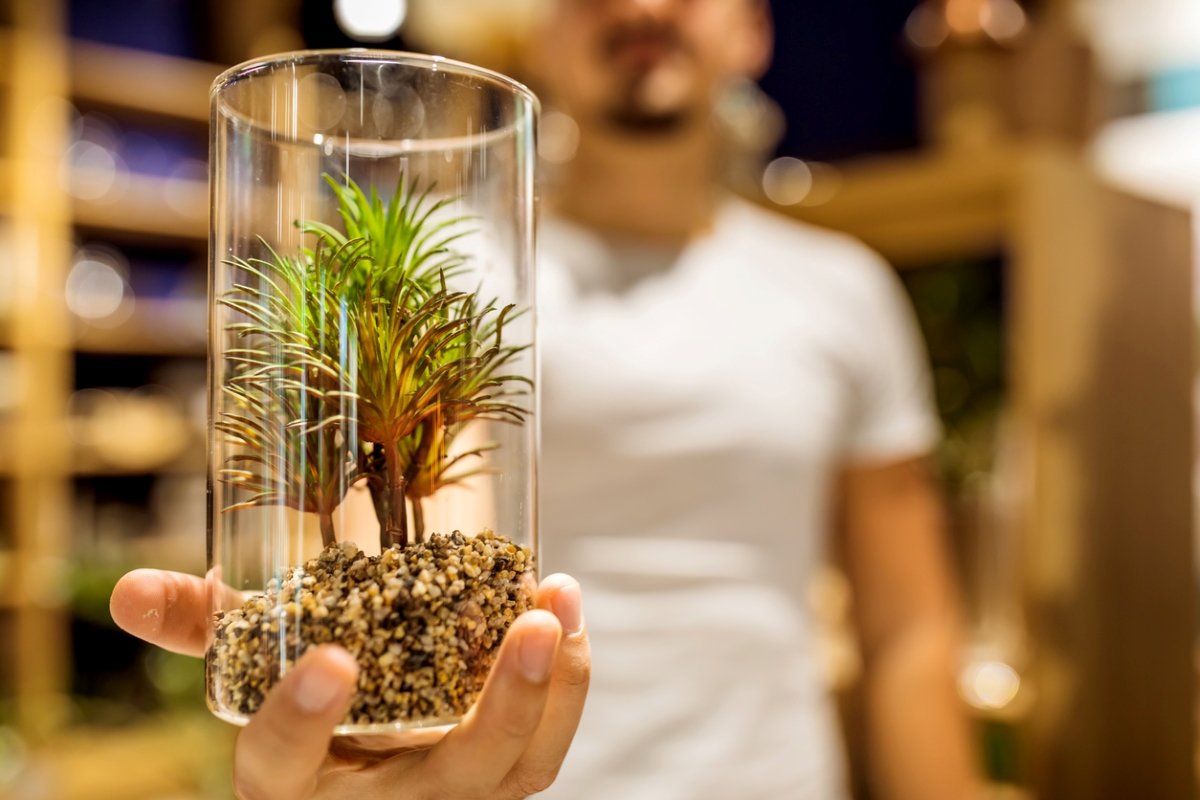
For generations, the standard gardening formula has sounded wonderfully simple: Find a pot, add soil, insert plant, and hope nobody forgets to water it. But soil is not the only way to support healthy plant growth. Some plants naturally cling to trees and absorb moisture from the air, while others can live in water, nutrient solutions, bark, clay pebbles, or other soilless growing media.
That does not mean you can drop any random houseplant into a drinking glass and declare yourself a hydroponic farmer. Soil normally provides physical support, oxygen, water, and minerals. When you remove it, you must replace those services. Fortunately, the following soil-free plants are forgiving enough to make the experiment fun rather than emotionally expensive.
Can Plants Really Grow Without Soil?
Yes. Plants need water, light, oxygen, carbon dioxide, minerals, and enough support to hold their stems and roots in a useful position. They do not technically require garden soil. Hydroponics replaces soil with a water-based nutrient solution, sometimes using an inert material such as coconut coir, perlite, rock wool, or expanded clay pebbles to support the roots. A small home system may need only a clean container, water, plant food, a support structure, and adequate light.
There is also an important difference between rooting in water and living in water permanently. Many cuttings can develop roots in plain water for several weeks. Long-term water culture usually requires diluted hydroponic nutrients, periodic water changes, sufficient root oxygen, and protection from algae.
What You Need for a Basic Soil-Free Setup
- A clean glass jar, vase, net pot, mounted display, or hydroponic reservoir
- Bright indirect sunlight or an appropriate grow light
- Clean water at room temperature
- A fertilizer formulated for hydroponics or water-grown houseplants
- Pebbles, LECA, bark, cork, or another support material when needed
- A regular schedule for checking roots, water clarity, and plant growth
10 Plants That Grow Without Soil
1. Air Plants
Best growing method: Mounted on cork, driftwood, wire, or an open decorative holder
Air plants, or Tillandsia, are the celebrities of soil-free gardening. In nature, many attach themselves to trees, rocks, and other surfaces without stealing nutrients from their host. Specialized leaf structures help them absorb moisture and minerals from their surroundings.
Display air plants in an open container where air can circulate freely. Most prefer bright, filtered light rather than intense afternoon sun. Depending on indoor humidity, soak them in room-temperature water for roughly 30 to 60 minutes about once a week. Shake away trapped water and let the plants dry upside down before returning them to their display. Water left between the leaves can encourage rot, which is the botanical equivalent of ruining a vacation by refusing to change out of a wet swimsuit.
2. Moth Orchids
Best growing method: Orchid bark, cork mounts, baskets, or other highly porous media
Many popular orchids, including moth orchids, are epiphytes. Their roots naturally attach to tree branches instead of burrowing into ordinary ground. That is why packing an orchid into dense potting soil often leads to unhappy, suffocating roots.
Grow moth orchids in chunky bark, charcoal, a slatted basket, or on an appropriate mount. Their roots need excellent airflow and should not remain submerged in water. Clear orchid pots are useful because they let you inspect root health and moisture levels. Water thoroughly, allow the excess to drain, and let the growing medium approach dryness before watering again. Give the plant bright, indirect light and protect it from cold drafts.
3. Golden Pothos
Best growing method: Water culture, LECA, or a simple hydroponic container
Golden pothos is one of the easiest plants that grow in water, making it ideal for first-time soil-free gardeners. Cut a healthy section of vine just below a node, remove any leaves that would sit below the waterline, and place the node in a clean jar of room-temperature water.
Keep the jar in bright to medium indirect light. Replace cloudy water and top up the container as the level drops. Once the cutting has established a healthy root system, it can remain in water if you provide a weak hydroponic nutrient solution occasionally. Plain water may support survival and root development, but nutrients help the plant produce sustained new growth. Pothos vines also root readily in vermiculite or clay pebbles.
Pothos contains calcium oxalate crystals and should be kept away from pets and children who may chew the leaves.
4. Heartleaf Philodendron
Best growing method: Water, LECA, or another semi-hydroponic medium
Heartleaf philodendron has flexible vines, handsome heart-shaped foliage, and a refreshing lack of drama. Take a stem cutting with at least one healthy node and place that node below the surface of clean water. Keep the leaves above the waterline so they do not decay.
Roots may begin appearing within days or weeks, depending on temperature, light, and the condition of the cutting. For permanent water culture, move the rooted plant into a larger container as it grows and add a properly diluted hydroponic fertilizer. Avoid pouring full-strength houseplant fertilizer directly into the jar; more food does not automatically mean more plant. Sometimes it means chemically burned roots and an awkward apology. University extension guidance identifies pothos and some philodendrons as reliable candidates for rooting in water.
5. Monstera
Best growing method: Water propagation followed by hydroponics or LECA
A monstera cutting can become a dramatic soil-free centerpiece, especially when its pale roots are visible through a clear glass container. The cutting must include a node. A leaf and petiole without a node may remain green for a while, but it cannot develop into a complete new vine.
Place the node in water while keeping the leaves and most of the stem dry. Set the container in bright, indirect light and change the water when it becomes cloudy. Water-rooted monsteras can be transferred to potting mix, but they can also continue in a semi-hydroponic system with clay pebbles and a nutrient solution. Larger plants eventually require a sturdy container and climbing support. A top-heavy monstera in a narrow vase is less an indoor garden and more a slow-motion insurance claim.
6. Lucky Bamboo
Best growing method: Water with pebbles or marbles for support
Lucky bamboo is not a true bamboo. It is a tropical dracaena that happens to have bamboo-like stems and an excellent public-relations department. It can grow in a shallow container filled with pebbles and enough water to cover the roots.
Place lucky bamboo in bright, indirect light, because direct sun can scorch its foliage. Change the water about once a week and clean the container when a slippery film develops. A very diluted liquid fertilizer can be applied occasionally; overfertilizing often causes more trouble than underfeeding. Clemson Extension recommends submerging the roots and at least an inch of the stem while using pebbles or marbles to hold the canes upright.
Lucky bamboo is toxic to pets, so place it where curious cats and dogs cannot sample the décor.
7. Spider Plant
Best growing method: Water-rooted plantlets followed by water culture or semi-hydroponics
Mature spider plants produce dangling plantlets that look as though the parent plant has launched a mobile nursery. These baby plants can be detached and rooted in a small glass of water. Submerge the base but keep the leaves above the surface.
Spider plantlets usually develop roots quickly under warm conditions and indirect light. They are commonly transferred to potting mix after rooting, but they can continue growing without soil when supplied with space and diluted hydroponic nutrients. As the root mass expands, move the plant into a wider container instead of forcing it to live forever in a shot glass. Replace stale water, remove decaying roots, and watch for pale leaves, which may indicate inadequate light or nutrition.
8. Coleus
Best growing method: Water culture for cuttings or a small hydroponic system
Coleus is grown for foliage that comes in combinations of burgundy, lime, pink, bronze, yellow, and red. It also roots readily from soft stem cuttings, allowing gardeners to preserve a favorite outdoor variety before cold weather arrives.
Take a nonflowering cutting, remove the lower leaves, and place one or two exposed nodes in water. Give the cutting bright, indirect light. Once roots develop, it can be moved into a larger water-culture container or a hydroponic setup. Pinch the growing tips periodically to encourage a bushier shape. Remove flower spikes if your priority is colorful foliage rather than seed production. Coleus is cold-sensitive, so water containers should be kept away from chilly windows in winter.
9. Inch Plant
Best growing method: Water-filled jars, wall tubes, or semi-hydroponic planters
Inch plant, often sold as Tradescantia zebrina, is another enthusiastic water-rooter. Its purple-and-silver striped leaves make it especially attractive in clear bottles or propagation stations.
Cut a healthy vine below a node, remove submerged leaves, and place several cuttings together for a fuller display. Keep them in bright, indirect light to maintain stronger coloration. Replace the water when it turns cloudy and trim long stems to prevent the plant from becoming thin and bare near the container. Water-rooted inch plants can grow for extended periods when supplied with diluted nutrients. Missouri Extension lists Tradescantia among houseplants that root very easily in water.
10. Leaf Lettuce
Best growing method: Kratky jars, deep-water culture, or countertop hydroponic systems
Not every soil-free plant has to sit around looking decorative. Leaf lettuce is one of the most practical edible crops for a beginner hydroponic garden. It grows relatively quickly, stays compact, and does not need to flower or produce heavy fruit.
Start seeds in a clean grow plug, then place the young plant in a net cup above a reservoir of hydroponic nutrient solution. In a deep-water system, the roots hang into oxygenated water. In a noncirculating Kratky setup, an air space gradually develops between the plant and the falling water level, giving part of the root system access to oxygen. Lettuce, herbs, kale, and similar leafy greens are widely recommended for small-scale hydroponics. Indoor plants usually need a grow light unless they receive strong, consistent natural light.
How to Keep Soil-Free Plants Healthy
Use More Than Plain Water
A fresh cutting can rely temporarily on stored energy, but an actively growing plant eventually needs minerals. Use fertilizer specifically labeled for hydroponics or water culture. Begin with a weak concentration and follow the product instructions rather than improvising a nutrient cocktail worthy of a chemistry documentary.
Keep the Roots Oxygenated
Roots require oxygen as well as water. Small decorative jars can be refreshed through frequent water changes, while larger hydroponic reservoirs may use an aquarium air pump and air stone. Never allow dead leaves or soft stems to decompose in the water.
Control Algae
Light shining through a clear container can encourage algae. A small amount is usually more unattractive than catastrophic, but heavy growth competes for resources and makes maintenance difficult. Clean the container regularly or place the clear jar inside an opaque decorative sleeve.
Provide the Right Light
Water cannot compensate for a dark room. Plants use light to produce the carbohydrates needed for growth. Most tropical foliage plants on this list prefer bright, indirect light, while hydroponic lettuce generally performs better under a suitable grow light when natural daylight is limited.
Inspect the Roots
Healthy water roots are usually firm and pale, cream-colored, or light tan. Roots that become black, slimy, hollow, or foul-smelling should be trimmed with sanitized scissors. Wash the container before returning the plant to fresh water.
Common Soil-Free Growing Mistakes
- Submerging leaves: Leaves left underwater tend to decay and contaminate the container.
- Using too much fertilizer: Concentrated fertilizer can damage exposed roots quickly.
- Ignoring the water level: Developing roots should not suddenly be left dry.
- Leaving water stagnant: Cloudy, smelly water is a maintenance alarm, not a decorative feature.
- Providing inadequate light: Weak light produces stretched stems, small leaves, and faded variegation.
- Expecting every cutting to succeed: Use healthy stems and take several cuttings when possible.
Conclusion
Growing plants without soil is not a gardening gimmick. It is a practical collection of methods that includes epiphytic displays, water propagation, semi-hydroponics, and full hydroponic production. Air plants and orchids naturally prefer airy conditions, while pothos, philodendron, monstera, lucky bamboo, spider plants, coleus, and inch plants adapt well to water-based growing. Lettuce proves that the technique can produce dinner as well as décor.
Begin with one healthy cutting and a clean container. Observe the roots, adjust the light, add nutrients cautiously, and treat water changes as routine care. Before long, you may discover that eliminating soil does not remove gardening skillit simply makes the roots easier to watch.
Experience-Based Lessons From Growing Plants Without Soil
The first lesson soil-free growing teaches is that clear containers are both useful and brutally honest. In a traditional flowerpot, roots conduct their business behind closed doors. In a glass jar, every new root, patch of algae, and questionable brown strand is visible. That visibility makes troubleshooting easier. A cutting that remains firm and produces pale new roots is generally progressing. A stem that becomes soft at the waterline needs immediate attention. Beginners often wait too long to intervene because the upper leaves still look acceptable. Checking the submerged portion is usually more informative.
The second practical lesson is that water maintenance matters more than having expensive equipment. A simple jar can outperform a complicated countertop garden when the jar receives regular care. Containers should be rinsed, cloudy water replaced, and decaying plant material removed promptly. It helps to keep a small pitcher of room-temperature water nearby so topping up the plants becomes part of the weekly routine. The plants most likely to fail are often not the difficult species; they are the forgotten jars sitting behind a curtain or kitchen appliance.
Light placement requires experimentation. A cutting placed directly against hot window glass may scorch, while the same plant six feet inside the room may stretch toward the window and produce smaller leaves. A bright location with filtered light is a reliable starting point for tropical foliage plants. Rotating containers every week helps prevent one-sided growth. Lettuce and herbs are less willing to negotiate with a dim room. A basic grow light on a timer creates more consistent results than repeatedly moving the system in search of sunlight.
Nutrient use is another area where restraint wins. New growers sometimes assume that yellowing leaves require a heroic dose of fertilizer. However, yellow leaves may also result from poor light, aging foliage, damaged roots, or stagnant water. Adding concentrated fertilizer without diagnosing the problem can make the situation worse. It is safer to refresh the water, inspect the roots, confirm the light conditions, and then apply a diluted hydroponic nutrient according to the label. Plants appreciate consistency more than enthusiasm.
Finally, soil-free growing changes the way indoor plants are displayed. Pothos cuttings can line a kitchen windowsill in matching bottles. A monstera can become a living sculpture in a broad glass vessel filled with clay pebbles. Air plants can be mounted on cork without turning a shelf into a sandbox. The method is especially convenient in small apartments where storing bags of potting mix is impractical. There is still maintenance, and there will still be occasional failures, but the process is clean, observable, and easy to scale. Start with one pothos cutting or a single head of hydroponic lettuce. Success tends to multiplysometimes because the plants grow, and sometimes because buying another jar suddenly feels completely reasonable.