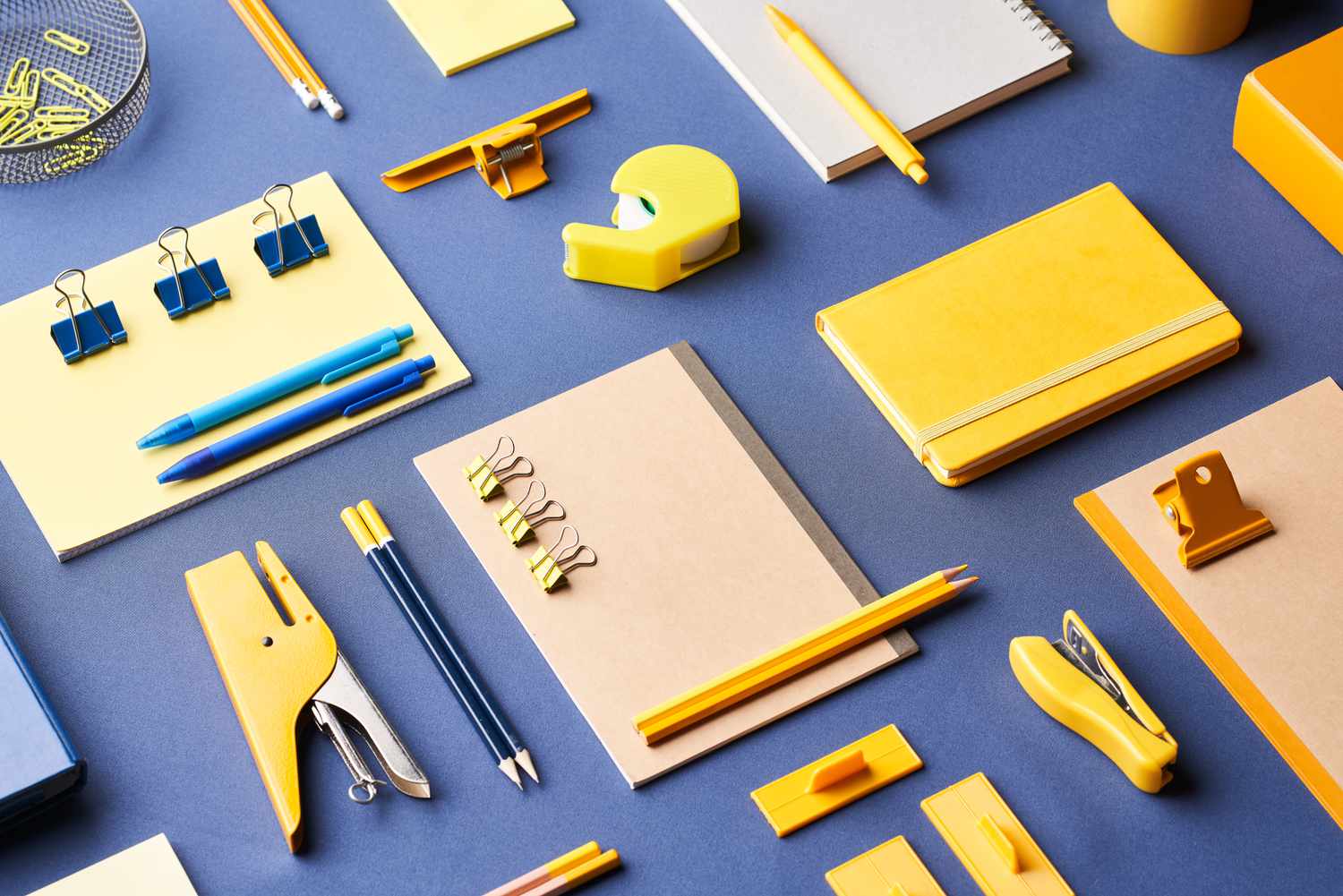
Highly organized people are not magical unicorns who were born knowing where every charging cable lives. They are ordinary humans who have built small, repeatable systems that help them spend less time searching, stressing, and saying, “I swear I just had it.” Organization is not about owning a label maker, although label makers do have a suspiciously powerful charm. It is about making daily life easier, calmer, and more intentional.
The best part? You do not need a color-coded command center, a spotless pantry, or a personality transplant. The habits of highly organized people are practical, flexible, and surprisingly simple. They reduce clutter, protect time, improve focus, and create breathing room in both your home and your mind. Whether you are organizing your desk, your schedule, your digital files, or your entire life one drawer at a time, these habits can help you build momentum without turning productivity into a punishment.
Below are 10 habits of highly organized people to inspire you, with realistic examples, useful strategies, and a friendly reminder that “organized” does not mean “perfect.” It means you know where the scissors are. Most of the time.
Why Organized Habits Matter More Than Perfect Spaces
Many people think organization begins with buying bins, baskets, folders, and matching containers. Those tools can help, but they are not the foundation. True organization starts with habits: what you do with your time, your things, your decisions, and your attention every day.
Highly organized people create systems that reduce mental load. They do not rely on memory for everything. They write things down, return items to their homes, plan before chaos arrives, and regularly remove what no longer serves them. Instead of constantly reacting, they create a rhythm that supports their goals.
Organization also affects emotional well-being. A cluttered environment can make it harder to focus, while a clear system can create a sense of control. This does not mean every room must look like a magazine photo. It means your environment should help you live, work, rest, and move through the day with less friction.
1. They Give Everything a Home
One of the most important habits of highly organized people is simple: every item needs a place to live. Keys belong on a hook, bills belong in an inbox tray, cleaning supplies belong together, and phone chargers should not be roaming the house like tiny electronic wildlife.
When everything has a home, cleanup becomes faster because decisions have already been made. You do not have to ask, “Where should this go?” every time you set something down. The answer is built into the system.
How to practice this habit
Start with daily-use items. Choose a landing spot for your keys, wallet, sunglasses, mail, backpack, work bag, and reusable water bottle. Keep these places obvious and easy to reach. A system that requires Olympic-level effort will not survive a Tuesday night.
The rule is not “put everything away perfectly.” The rule is “make the right place easy enough that you will actually use it.” A basket near the entryway is better than a complicated closet system nobody opens.
2. They Declutter Before They Organize
Highly organized people know a secret that saves time, money, and closet space: organizing clutter is still clutter. You can fold it, stack it, label it, and tuck it into a beautiful basket, but if you do not need it, use it, or love it, it is just clutter wearing a cute outfit.
Decluttering before organizing makes every system easier to maintain. Fewer items mean fewer decisions, fewer piles, and fewer mystery drawers filled with batteries, rubber bands, old receipts, and one lonely button from a shirt you no longer own.
Smart decluttering questions
When deciding what to keep, ask: Do I use this? Do I like this? Would I buy it again today? Does it support the life I am actually living? If the answer is no, it may be time to donate, recycle, sell, or toss it responsibly.
Do not start with sentimental items if you are new to decluttering. Begin with expired products, duplicate kitchen tools, broken objects, old papers, or clothes that do not fit. Build confidence with easier decisions before tackling memory-heavy boxes.
3. They Use Lists to Clear Their Minds
Organized people do not trust their brains to remember everything. This is not because they have bad memories. It is because brains are busy. Your brain is already handling deadlines, meals, passwords, appointments, random song lyrics, and whether you left the laundry in the washer again.
A good list turns mental clutter into visible action. It helps you see what needs doing, prioritize what matters, and stop replaying the same reminder in your head all day.
Make lists useful, not overwhelming
The best lists are clear and actionable. Instead of writing “house,” write “vacuum living room,” “pay electricity bill,” or “schedule plumber.” Instead of “work project,” write “send outline to editor” or “review page one of report.” Specific tasks are easier to start.
Highly organized people also avoid turning a to-do list into a guilt museum. They choose a few priority tasks for the day and move the rest to a future list. A list should serve you, not stare at you like a disappointed teacher.
4. They Plan Tomorrow Before Tomorrow Arrives
One powerful habit of highly organized people is planning the next day before going to bed or before ending the workday. This simple routine prevents morning confusion and helps you begin with direction instead of panic.
Planning ahead does not mean scripting every minute. It means identifying your top priorities, checking appointments, preparing essentials, and reducing avoidable surprises. Future you will be grateful. Future you may even say thank you with coffee.
What to prepare in advance
Review your calendar, choose your top three tasks, set out clothes if needed, pack your bag, prepare lunch ingredients, charge devices, and place important items near the door. These small steps reduce decision fatigue and make mornings smoother.
If you work from home, clear your desk at the end of the day and write a short “start here tomorrow” note. This creates a clean mental handoff, especially for projects with multiple steps.
5. They Follow the “One-Minute Rule”
Highly organized people often use tiny habits to prevent big messes. One of the most useful is the one-minute rule: if a task takes less than a minute, do it now. Hang up the coat. Put the cup in the dishwasher. File the receipt. Throw away the junk mail. Return the pen to the drawer before it joins the couch cushion society.
Small tasks become overwhelming when they pile up. The one-minute rule keeps daily clutter from becoming a weekend rescue mission.
Where this habit works best
Use it for dishes, laundry, email sorting, bathroom counters, entryway clutter, receipts, and quick calendar updates. This habit is especially helpful in high-traffic areas where mess tends to gather quickly.
However, do not use the one-minute rule as an excuse to interrupt deep work every thirty seconds. If you are focused, keep a small note nearby and handle quick tasks during a planned break.
6. They Create Simple Routines
Organized people rely on routines because routines reduce effort. When a behavior becomes automatic, you do not have to negotiate with yourself every time. You simply do the next step.
Morning routines, evening routines, cleaning routines, planning routines, and weekly reset routines create structure. They do not have to be fancy. In fact, the simpler they are, the more likely they are to last.
Example of a simple evening reset
A realistic evening reset might include washing dishes, clearing kitchen counters, checking tomorrow’s calendar, choosing clothes, putting stray items in a basket, and setting devices to charge. This can take 10 to 15 minutes and dramatically improve the next morning.
The goal is not to end every day with a showroom home. The goal is to wake up without feeling ambushed by yesterday’s leftovers, both literal and emotional.
7. They Protect Their Time With Boundaries
Organization is not only about stuff. It is also about time. Highly organized people understand that a crowded schedule can be just as stressful as a crowded closet. They protect their time by setting boundaries, saying no when necessary, and leaving space between commitments.
If every minute is packed, even a small delay can cause chaos. Organized people build breathing room into their calendars so life has somewhere to land when plans change.
How to organize your calendar like a pro
Block time for focused work, errands, rest, planning, and household tasks. Treat these blocks like real appointments. If something matters, it deserves space on the calendar.
Also, avoid saying yes automatically. Before accepting a request, ask whether it aligns with your priorities, whether you have time for it, and what you may need to give up. A polite no can be an organized person’s best friend.
8. They Keep Surfaces Clear
Clear surfaces create instant calm. Kitchen counters, desks, nightstands, dining tables, and bathroom vanities tend to attract clutter because they are convenient. Highly organized people notice these clutter magnets and create habits to keep them under control.
A clear surface is not just prettier. It is more functional. You can cook on a clear counter, work at a clear desk, sleep better beside a calm nightstand, and eat dinner at a table that is not hosting unopened mail from three weeks ago.
The basket method
If surfaces collect random items, use a small basket as a temporary holding zone. Once a day, empty the basket and return items to their homes. The key word is temporary. If the basket becomes a permanent clutter cave, it has betrayed the mission.
For workspaces, keep only what you use daily within reach. Store occasional items elsewhere. The fewer distractions you see, the easier it is to focus.
9. They Maintain Systems Regularly
Organized people do not organize once and declare victory forever. Life changes. Mail arrives. Laundry multiplies. Digital files reproduce in mysterious ways. Systems need maintenance.
The good news is that regular maintenance is much easier than major rescue operations. Five minutes a day can prevent hours of cleanup later.
Try weekly reset sessions
A weekly reset can include clearing your inbox, reviewing your calendar, planning meals, tidying the entryway, emptying bags, sorting papers, checking finances, and choosing priorities for the week. It is like giving your life a gentle software update.
Pick a consistent time, such as Sunday afternoon or Friday morning. Keep it short enough that you will not dread it. Add music if needed. Organization improves significantly when the playlist is doing emotional support.
10. They Design Systems Around Real Life
The most organized people are not rigid. They are realistic. They do not copy systems that look impressive but do not fit their lifestyle. Instead, they design systems around their actual habits, energy, space, schedule, and personality.
If you always drop your bag by the door, put a hook or bench near the door. If you forget digital passwords, use a secure password manager. If you hate folding laundry, use drawer dividers or simple categories. If paperwork overwhelms you, create one inbox and one weekly paper-processing session.
Make organization easy to repeat
A system only works if you can maintain it on a busy day. Highly organized people choose practical over perfect. They use labels, containers, calendars, reminders, and routines as toolsnot as decorations for social media.
The right system should reduce stress, not add another performance standard. If your organizing method requires too many steps, simplify it until it feels natural.
Common Mistakes That Make Organization Harder
Even motivated people can get stuck when trying to become more organized. One common mistake is buying storage before decluttering. This often leads to storing things you should have released. Another mistake is starting too big. Organizing an entire home in one weekend sounds brave, but it usually ends with decision fatigue and snacks eaten directly from the pantry floor.
Another issue is creating systems that are too complicated. If you need six labels, three folders, two apps, and a ceremonial candle to file one document, the system will not last. Simple systems win because they are easier to repeat.
Finally, many people confuse organization with perfection. Real homes get messy. Real schedules change. Real people forget things. The goal is not to remove every sign of life. The goal is to recover faster when life gets busy.
How to Start Becoming More Organized Today
If you feel inspired but overwhelmed, begin with one small area. Choose a drawer, a bag, a desktop, a phone home screen, or one category of items. Set a timer for 15 minutes. Remove trash, return misplaced items, group similar things, and choose a simple home for what remains.
Then add one daily habit. Maybe you write tomorrow’s top three tasks each evening. Maybe you clear the kitchen counter after dinner. Maybe you put your keys in the same bowl every day. One habit practiced consistently is more powerful than a dramatic organizing spree followed by three months of chaos.
Once that habit feels natural, add another. Organization grows through repetition. You are not trying to become a different person overnight. You are building a life that helps you function with less stress and more confidence.
of Real-Life Experience: What Organized Habits Actually Feel Like
In real life, becoming organized rarely feels like a dramatic movie montage. There is no heroic soundtrack while you sort old receipts. There is usually just you, a trash bag, a half-finished cup of coffee, and the shocking discovery that you own five tape measures. The transformation happens quietly, through small decisions that make tomorrow easier.
One of the most relatable experiences is the “where did I put it?” spiral. You are ready to leave, but your keys have vanished. Your wallet is hiding. Your phone is under a pillow, and somehow one shoe has entered witness protection. After enough mornings like that, a simple entryway system starts to feel life-changing. A hook for keys and a tray for essentials may not look glamorous, but it can save your mood before the day even begins.
Another common experience is the emotional weight of unfinished tasks. A pile of papers on the counter may look small, but every time you pass it, your brain whispers, “You still have to deal with that.” Highly organized people reduce this mental noise by creating decision points. They do not necessarily handle every paper instantly, but they know where it goes and when they will process it. That alone can create relief.
Organized habits also make work feel less chaotic. For example, ending the day with a five-minute desk reset can change the next morning completely. Instead of opening your laptop beside coffee cups, sticky notes, and a suspicious crumb situation, you start with a clear workspace and a written first task. That tiny preparation lowers resistance. You do not waste energy deciding where to begin.
At home, the most useful systems are often the least fancy. A laundry basket at the bottom of the stairs. A donation box in the closet. A meal plan scribbled on a notepad. A phone reminder to take out the trash. These are not magazine-worthy details, but they work because they meet real needs. Organization becomes sustainable when it supports how people actually live.
There is also a confidence boost that comes from being able to find things. When your documents are in one folder, your tools are in one place, and your calendar reflects your real commitments, you feel more capable. You stop wasting energy on preventable confusion. That does not mean life becomes perfect. It means you have a better chance of responding calmly when life does what life does best: interrupt the plan.
The biggest lesson from practicing organized habits is that small resets beat big rescues. Waiting until everything is a disaster makes organization feel exhausting. But spending five minutes putting things back, ten minutes reviewing the week, or one minute handling a tiny task keeps disorder from gaining power. Think of it as brushing your teeth for your life systems. Not thrilling, but extremely effective.
Most importantly, organized people are not organized every second. They simply return to their systems. They know mess is normal, but they do not let it become permanent. That mindset is freeing. You do not need to become perfect to become organized. You just need habits that help you reset, refocus, and move forward with fewer missing keys.
Conclusion
The habits of highly organized people are not complicated secrets reserved for naturally tidy humans. They are practical behaviors anyone can practice: giving items a home, decluttering before organizing, using lists, planning ahead, following simple routines, protecting time, keeping surfaces clear, maintaining systems, and designing organization around real life.
Start small. Choose one habit and repeat it until it feels easy. Then add another. Over time, these small actions create a calmer home, a clearer schedule, and a more focused mind. Organization is not about impressing guests or creating a picture-perfect life. It is about making daily living smoother, lighter, and a little less likely to involve searching for your keys while already late.
Note: This article synthesizes widely accepted guidance from reputable U.S. sources in professional organizing, psychology, health, home management, university extension education, and productivity research. Source links are intentionally not embedded, as requested.