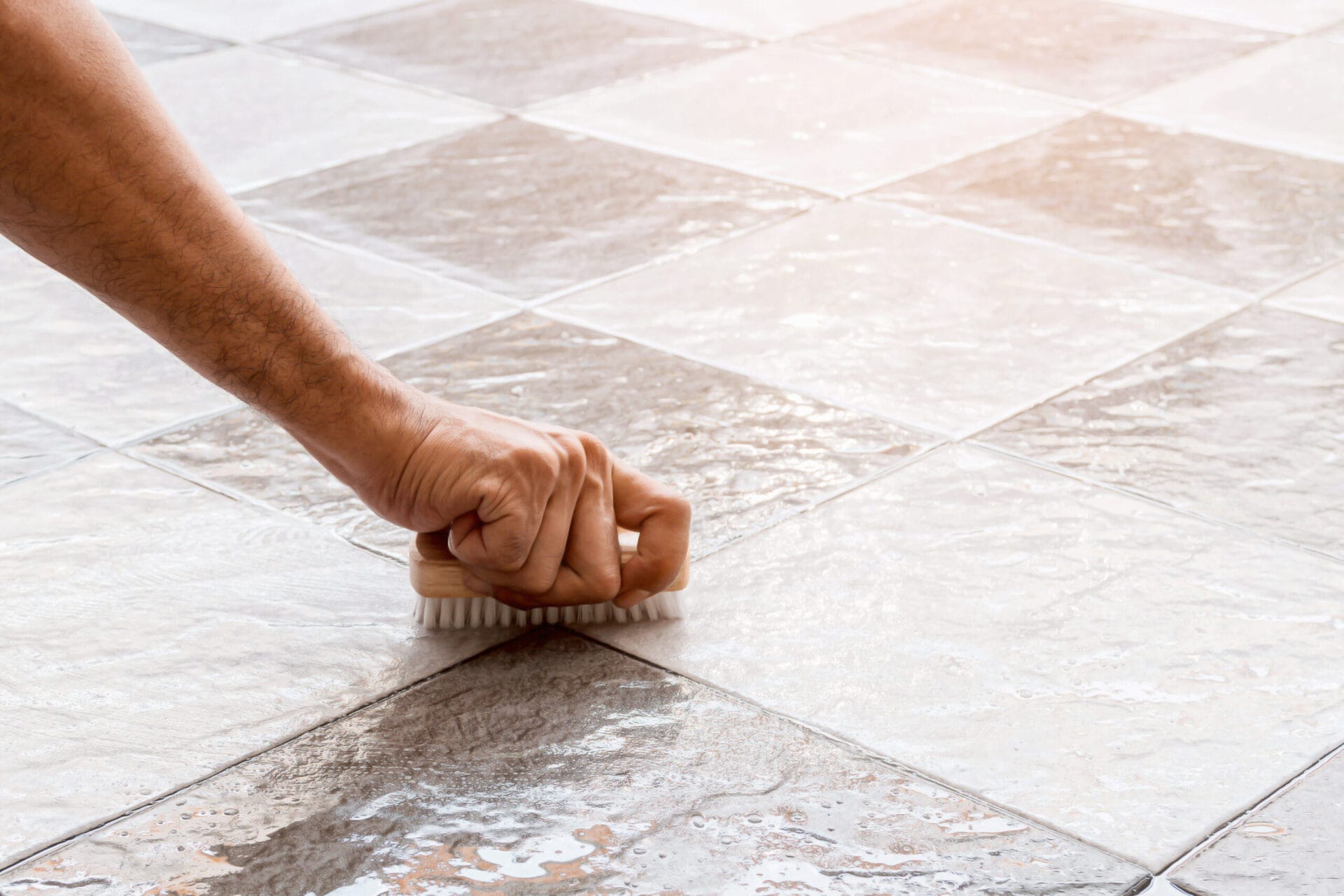
Vinegar is the humble bottle in the pantry that never brags, never wears a cape, and yet somehow keeps rescuing the house from odors, mineral spots, sticky messes, and “what died in here?” mysteries. Distilled white vinegar, especially, is inexpensive, widely available, and surprisingly useful in almost every room of the home. It is not magic, but it is acidic, and that mild acidity helps dissolve mineral deposits, loosen some grime, reduce odors, and brighten certain everyday surfaces.
Before we turn your house into a sparkling vinegar commercial, let’s set one important ground rule: vinegar is a cleaner, not a universal disinfectant. It should not replace EPA-registered disinfectants when you need to kill germs after raw meat, illness, bathroom accidents, or pet messes. Also, never mix vinegar with bleach, ammonia, hydrogen peroxide, drain cleaner, or random mystery liquids under the sink. That is not “extra clean.” That is a chemistry lesson with sirens.
Used wisely, though, vinegar can be a practical, eco-friendlier, budget-smart helper for the kitchen, bathroom, laundry room, living room, bedroom, entryway, and beyond. Here are 10 alternative uses for vinegar for any room of the house, plus real-life experience tips to help you use it like a confident adult instead of a desperate person spraying salad dressing everywhere.
Why Vinegar Works Around the House
Most household cleaning uses call for distilled white vinegar because it is clear, affordable, and less likely to stain than apple cider vinegar. Its main active ingredient is acetic acid, which helps break down alkaline residues such as hard-water spots, soap scum, and mineral film. That is why vinegar is so often recommended for faucets, glass, showerheads, and other places where water leaves behind its chalky little autograph.
However, vinegar’s acidity is also why it can damage certain materials. Avoid using vinegar on natural stone such as marble, granite, limestone, and travertine; unsealed grout; waxed or unfinished wood; hardwood floors unless the manufacturer specifically allows it; electronic screens; clothes irons; and rubber-heavy appliance parts if used frequently. When in doubt, test a hidden area first. Your countertop should not be the place where optimism goes to die.
1. Make Glass and Mirrors Shine Without the Drama
For windows, mirrors, glass cabinet doors, and glass tabletops, vinegar can help remove cloudy film, fingerprints, and light mineral deposits. Mix equal parts distilled white vinegar and water in a spray bottle. Spray lightly on the glass, then wipe with a lint-free microfiber cloth or a crumpled piece of black-and-white newspaper if you enjoy cleaning like it is 1987.
The trick is not to soak the surface. Too much liquid can drip into frames, edges, or backing, especially on mirrors. For best results, clean glass when it is not in direct sunlight. Hot glass dries too fast and leaves streaks, which can make you question your life choices.
Best rooms for this use
Living room, bathroom, bedroom, dining room, home office, entryway.
2. Freshen the Microwave With Steam
The microwave is where leftovers go to become abstract art. Vinegar can help loosen splatters and reduce stale food odors. Add one cup of water and two tablespoons of distilled white vinegar to a microwave-safe bowl. Heat it for three to five minutes, until the inside is steamy. Let it sit with the door closed for another two minutes, then wipe the interior with a damp cloth.
The steam softens dried food, while the vinegar helps cut lingering smells. For extra stubborn spots, dip the cloth into the warm vinegar-water mixture and wipe again. Do not use this method if your microwave manufacturer warns against vinegar or steam-cleaning methods. Appliance manuals are boring, but so is replacing a microwave.
Best rooms for this use
Kitchen, kitchenette, break room, guest suite.
3. Remove Hard-Water Spots From Faucets
If your bathroom or kitchen faucet looks like it has been dusted with powdered sugar, you probably have hard-water deposits. Vinegar can help dissolve the mineral buildup. Soak a cloth or paper towel in distilled white vinegar, wrap it around the faucet, and let it sit for 15 to 30 minutes. Then remove the cloth, scrub gently with a soft toothbrush, rinse well, and dry.
This works especially well on chrome and many stainless finishes, but be careful with specialty finishes such as oil-rubbed bronze, unlacquered brass, or matte black fixtures. Check the manufacturer’s care instructions first. Vinegar is helpful, but it does not respect expensive design choices unless supervised.
Best rooms for this use
Bathroom, kitchen, laundry room, mudroom, utility sink area.
4. Unclog Mineral Buildup in a Showerhead
A weak shower spray can make you feel like you are bathing under a nervous cloud. If mineral buildup is the problem, vinegar may help. Fill a plastic bag with enough distilled white vinegar to cover the showerhead nozzles. Secure it around the showerhead with a rubber band or twist tie. Let it soak for 30 minutes to a few hours, depending on the buildup, then remove the bag, run hot water, and gently scrub the nozzles with an old toothbrush.
For brass, nickel, gold, or specialty finishes, shorten the soak time and check the manufacturer’s instructions. Do not soak natural stone shower surrounds with vinegar runoff, because acid can etch stone surfaces.
Best rooms for this use
Bathroom, guest bathroom, outdoor shower area.
5. Deodorize the Refrigerator
A refrigerator can hold many secrets: leftover onions, mystery containers, and that sauce bottle from a presidency ago. Vinegar can help clean and deodorize interior shelves and drawers. Mix one part vinegar with two parts warm water, dip a cloth into the solution, and wipe down shelves, walls, and bins after removing food.
Always rinse with a clean damp cloth and dry thoroughly before putting food back. For sticky spills, let the vinegar solution sit for a few minutes, then wipe. Avoid using strong-smelling cleaners inside the refrigerator because food can absorb odors. Vinegar has a smell too, but it fades quickly, unlike last week’s fish.
Best rooms for this use
Kitchen, pantry area, garage refrigerator, basement kitchenette.
6. Freshen Laundry OdorsOccasionally
Vinegar can help reduce musty odors in towels, gym clothes, and washable fabrics when used carefully. Add about half a cup of distilled white vinegar to the rinse cycle, or use it as a pre-soak for stubborn odors by mixing one part vinegar with four parts water. Let items soak for 20 to 30 minutes, then wash according to the care label.
Do not mix vinegar with bleach in laundry. Do not pour vinegar directly onto delicate fabrics without diluting it. Also, avoid using vinegar in every single load, especially in high-efficiency machines, because repeated acid exposure may not be friendly to rubber seals and hoses over time. Think of vinegar as a laundry guest star, not a permanent cast member.
Best rooms for this use
Laundry room, bathroom hamper area, mudroom, linen closet.
7. Lift Light Carpet Odors and Small Stains
For small carpet spots, vinegar can sometimes help, especially with mild food or beverage stains. Mix one part white vinegar with two parts water. Blot the stain first with a clean white cloth. Then apply a small amount of the vinegar solution to another cloth and blot gently. Follow with a cloth dampened with plain water, then blot dry.
The key word is “blot.” Do not scrub like you are trying to erase a crime scene from a television drama. Scrubbing can damage fibers and spread the stain. Always test the solution in an inconspicuous spot first, especially on wool, silk, antique rugs, or brightly colored carpets. For valuable rugs, call a professional cleaner instead of conducting kitchen chemistry on your heirloom.
Best rooms for this use
Living room, bedroom, hallway, playroom, home office.
8. Clean Trash Cans and Reduce Odors
Trash cans are brave household soldiers, but they do get funky. After emptying the can, rinse out loose debris. Spray the inside with a mixture of one part vinegar and one part water, let it sit for five to ten minutes, scrub with a brush, then rinse and dry completely. For lingering odors, place a small bowl of vinegar near the trash area for a few hours, then remove it.
Do not pour vinegar into a trash can that has recently held bleach wipes or bleach-based cleaners. Rinse first, and never combine cleaning chemicals. Also, make sure the can dries before adding a new bag, because trapped moisture is basically a spa day for smells.
Best rooms for this use
Kitchen, bathroom, laundry room, garage, nursery, pet area.
9. Wipe Down Plastic Storage Bins and Lunch Containers
Plastic containers love to hold onto tomato sauce, onion smells, and the ghost of last month’s chili. Vinegar can help remove odors from plastic food containers, lunch boxes, storage bins, and reusable produce drawers. Wash the item with dish soap first, then wipe or soak it with a solution of one part vinegar and two parts warm water. Rinse thoroughly and let it air dry.
For stubborn smells, place a paper towel dampened with vinegar inside the container, close the lid, and let it sit for a few hours. Then wash again. Avoid using vinegar on cracked or heavily scratched plastic that touches food; deep scratches can hold residue and bacteria more stubbornly than your uncle holds opinions at Thanksgiving.
Best rooms for this use
Kitchen, pantry, kids’ lunch station, garage storage area, craft room.
10. Refresh Drains and Garbage Disposals
Vinegar can help reduce mild drain odors, especially when paired with hot water and basic cleaning habits. For a simple freshening routine, pour half a cup of baking soda into the drain, followed by one cup of vinegar. Let the fizzing settle for several minutes, then flush with hot water. The fizz is not a miracle unclogger, but it can help loosen light residue and make the drain smell fresher.
For a garbage disposal, pour in half a cup of vinegar, let it sit briefly, run cold water, and turn on the disposal. You can also freeze vinegar with small pieces of lemon peel in an ice cube tray and grind a cube occasionally to freshen the disposal. Avoid this if your disposal manual says not to use acidic cleaners or ice. For serious clogs, skip the vinegar volcano and call a plumber.
Best rooms for this use
Kitchen, bathroom sink, laundry sink, utility room.
Where Not to Use Vinegar
Vinegar is useful, but it is not an all-access pass. Do not use it on marble, granite, limestone, travertine, or other natural stone. The acid can etch the surface and dull the finish. Avoid it on electronic screens, including televisions, laptops, tablets, and phones. Skip vinegar on clothes irons, because it can damage internal parts. Be cautious with hardwood floors, waxed furniture, rubber seals, and appliance interiors unless the manufacturer allows it.
Also, vinegar should not be treated as a disinfectant for high-risk messes. If someone in the house is sick, if raw meat juices have touched a surface, or if pet waste is involved, use the appropriate cleaning and disinfecting process recommended for that situation. Cleaning removes dirt; disinfecting kills many germs. They are related, but they are not identical twins.
Simple Vinegar Cleaning Recipes
Everyday Glass Spray
Mix one cup distilled white vinegar with one cup water. Spray lightly, wipe with microfiber, and dry with a clean cloth.
Bathroom Mineral Spot Soak
Soak a cloth in vinegar, wrap it around the mineral-stained faucet, wait 15 to 30 minutes, scrub gently, rinse, and dry.
Odor-Control Bowl
Place a small bowl of vinegar in a smelly room for a few hours. Remove it before guests ask why your home is serving invisible pickles.
Laundry Odor Rinse
Use half a cup of distilled white vinegar in the rinse cycle occasionally for musty towels or gym clothes. Never combine with bleach.
Safety Tips for Cleaning With Vinegar
Use vinegar in a well-ventilated area, especially bathrooms and small laundry rooms. Wear gloves if your skin is sensitive. Label homemade cleaning bottles clearly and keep them away from children and pets. Do not store vinegar mixtures in old food containers, because nobody needs to discover “window cleaner lemonade” the hard way.
Most importantly, never mix vinegar with bleach. Vinegar is acidic, and bleach can release dangerous fumes when mixed with acidic products. Avoid mixing vinegar with hydrogen peroxide in the same bottle, too, because that combination can form peracetic acid, which may irritate skin, eyes, and lungs. Use one cleaner at a time, rinse when needed, and let surfaces dry before switching products.
Real-Life Experiences: What Vinegar Actually Does Well Around the House
After using vinegar in different rooms of the house, the biggest lesson is this: vinegar is best at solving small, annoying problems before they become big, expensive problems. It is not the superhero for every mess, but it is a reliable sidekick. For example, the bathroom faucet that gets cloudy every few days responds beautifully to a quick vinegar wrap. Five minutes of attention can make chrome look polished again, and that tiny win feels oddly satisfying. It is the cleaning equivalent of finding money in a coat pocket.
In the kitchen, vinegar is especially useful for odor control. A bowl of vinegar left near the trash after cooking fish or chopping onions can make the air feel fresher by morning. It does not perfume the room; it simply helps calm the odor down. That matters because strong artificial fragrances sometimes just create a new smell called “lavender fighting with garlic.” Vinegar may smell sharp at first, but the scent fades, and it usually leaves the room more neutral.
The microwave steam trick is another practical favorite. It works because it turns a dreaded scrubbing job into a wipe-and-move-on task. When food splatters dry onto the microwave ceiling, they can feel cemented in place. A bowl of vinegar and water loosens the mess enough that you do not need to attack it with the emotional energy of a person who has had enough. This method is simple, cheap, and surprisingly satisfying.
Laundry is where vinegar needs a little restraint. It can help with towels that smell musty even after washing, especially if detergent buildup or hard water is part of the issue. But using vinegar constantly is not necessary and may not be good for every washing machine. The best experience is to use it occasionally, rinse well, and keep normal laundry habits strong: do not overload the washer, measure detergent correctly, dry towels fully, and leave the washer door open when appropriate to reduce moisture.
Carpet cleaning with vinegar can be helpful, but only when expectations are realistic. It may improve small food stains or odors, but it will not reverse years of pet accidents, heavy traffic, or mystery stains from a party no one wants to discuss. Testing first is essential. A clean white cloth, gentle blotting, and patience usually work better than aggressive scrubbing. If the carpet is expensive, delicate, or sentimental, professional cleaning is the safer move.
The most important experience-based rule is to respect surfaces. Vinegar can make glass sparkle and faucets shine, but it can damage stone, dull finishes, and irritate sensitive materials. A smart vinegar user is not someone who sprays it on everything. A smart vinegar user knows when to use it, when to dilute it, when to rinse, and when to put the bottle down like a responsible citizen.
Overall, vinegar earns its place in the cleaning cabinet because it is affordable, versatile, and easy to use. It is excellent for mineral buildup, mild odors, glass, small stains, and everyday freshening. It is less suitable for disinfection, delicate surfaces, major clogs, and high-risk messes. Treat it like a practical tool rather than a miracle potion, and it can help keep almost every room of the house cleaner, fresher, and less dramatic.
Conclusion
Vinegar is one of the most useful household staples for cleaning, deodorizing, and freshening rooms without spending much money. From glass and faucets to laundry odors, plastic containers, microwave splatters, and trash cans, distilled white vinegar can solve many ordinary home problems with minimal fuss. The secret is using it correctly: dilute when needed, rinse when appropriate, test surfaces first, and never mix it with other cleaning chemicals.
For any room of the house, vinegar works best as a maintenance cleaner. It keeps small messes from becoming stubborn messes, reduces odors before they take over, and helps remove mineral deposits before fixtures start looking abandoned. Keep a bottle handy, use it thoughtfully, and your home can stay fresher without turning your cleaning routine into a full-time job.
Note: This article is based on established household-cleaning safety guidance from reputable U.S. consumer, public health, poison control, university extension, appliance-care, and home-care resources. Always follow product labels and manufacturer instructions before using vinegar on appliances, fixtures, fabrics, or specialty surfaces.