Note: This article is for educational purposes only and should not replace medical advice. If you have very high readings, symptoms, or concerns about your blood pressure, contact a licensed healthcare professional.
High blood pressure is sneaky. It does not burst through the door wearing a villain cape. It does not usually announce itself with dramatic music, flashing lights, or a tiny marching band inside your arteries. Most of the time, it simply sits there quietly, making your heart and blood vessels work harder than they should. That is why hypertension is often called the “silent killer,” which sounds like the title of a spy movie but is, unfortunately, a real health concern.
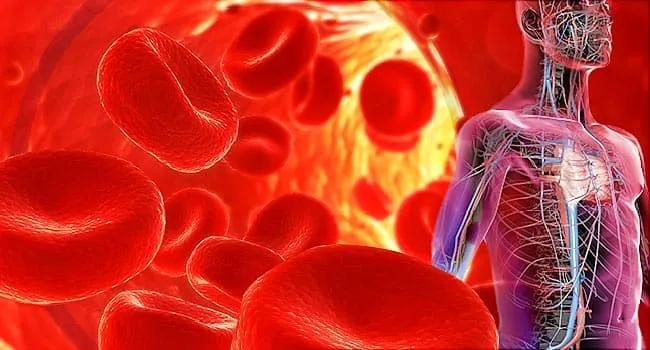
This visual guide to high blood pressure will help you “see” what is happening inside your body, understand what blood pressure numbers mean, recognize risk factors, and learn practical ways to manage hypertension. Think of your arteries like flexible garden hoses, your heart like a pump, and blood pressure like the force pushing water through that hose. If the pressure stays too high for too long, the hose gets worn down, the pump gets tired, and the whole system becomes less efficient.
The good news? High blood pressure can often be prevented, improved, and controlled. With the right measurements, lifestyle habits, and medical care when needed, your cardiovascular system can stop feeling like it is running a 24-hour pressure-washing business.
What Is High Blood Pressure?
Blood pressure is the force of blood pushing against the walls of your arteries. Every time your heart beats, it pumps blood through a network of blood vessels that deliver oxygen and nutrients throughout your body. When that force stays higher than normal, it is called high blood pressure, or hypertension.
The Simple Visual: A Pump and a Hose
Imagine turning on a garden hose. A steady, moderate flow is useful. Too little pressure and the water barely reaches the flowers. Too much pressure and the hose strains, leaks, or whips around like it has joined a dance competition. Your arteries work in a similar way. They are designed to handle pressure, but not excessive pressure day after day.
Healthy arteries are flexible. They expand and relax as blood moves through them. When blood pressure remains high, those artery walls can become thicker, stiffer, and more damaged over time. That raises the risk of heart attack, stroke, kidney disease, vision problems, and heart failure.
Understanding Blood Pressure Numbers
A blood pressure reading has two numbers, written like a fraction: for example, 120/80 mm Hg. The “mm Hg” stands for millimeters of mercury, the traditional unit used to measure pressure.
Systolic Pressure: The Top Number
The top number is systolic blood pressure. It measures the pressure in your arteries when your heart contracts and pushes blood out. If your heart is the pump, systolic pressure is the “push” moment.
Diastolic Pressure: The Bottom Number
The bottom number is diastolic blood pressure. It measures the pressure in your arteries when your heart relaxes between beats. This is the “resting” pressure. Your heart may be taking a tiny break, but your arteries are still under pressure.
Blood Pressure Categories at a Glance
| Category | Systolic | Diastolic | What It Means |
|---|---|---|---|
| Normal | Less than 120 | Less than 80 | Your pressure is in a healthy range. |
| Elevated | 120–129 | Less than 80 | Your numbers are creeping upward. |
| High Blood Pressure Stage 1 | 130–139 | 80–89 | Lifestyle changes and sometimes medication may be recommended. |
| High Blood Pressure Stage 2 | 140 or higher | 90 or higher | Medical treatment is commonly needed. |
| Hypertensive Crisis | 180 or higher | 120 or higher | Seek urgent medical guidance, especially with symptoms. |
A single high reading does not always mean you have hypertension. Stress, caffeine, pain, exercise, poor sleep, or a wildly dramatic argument with your printer can temporarily raise blood pressure. Doctors usually look for consistent readings over time before diagnosing high blood pressure.
Why High Blood Pressure Is Dangerous
High blood pressure is dangerous because it forces your heart and blood vessels to work harder than they were built to work. Over time, this extra strain can damage the body in several ways.
The Artery Wall Visual
Picture your artery walls as smooth, flexible tunnels. When blood pressure is normal, blood flows through them easily. When pressure stays high, the inner lining can become damaged. That damage can make it easier for fatty deposits, cholesterol, and plaque to build up. The artery narrows, blood flow becomes restricted, and the risk of a clot increases.
The Heart Muscle Visual
Your heart is a muscle. Like any muscle, it can grow thicker when forced to work harder. But this is not the good “I did push-ups” kind of muscle growth. A thickened heart muscle may become stiff and less efficient, which can eventually contribute to heart failure.
The Brain and Kidney Connection
Your brain and kidneys depend on healthy blood vessels. High blood pressure can damage the delicate vessels that supply these organs. In the brain, it raises the risk of stroke and memory problems. In the kidneys, it can interfere with their ability to filter waste from the blood. In short, your arteries are not just pipes; they are VIP delivery routes for every organ that would very much like to keep doing its job.
Common Causes and Risk Factors
High blood pressure usually develops from a combination of factors. Some are within your control, and others are not. Knowing your risks helps you build a smarter prevention plan.
Risk Factors You Cannot Change
Age is one major factor. Blood vessels naturally become stiffer over time, which can raise blood pressure. Family history also matters. If hypertension runs in your family, your own risk may be higher. Race and ethnicity can also influence risk patterns, with some groups experiencing higher rates and more severe complications.
Risk Factors You Can Change
Many lifestyle habits influence blood pressure. These include eating too much sodium, not getting enough physical activity, drinking too much alcohol, smoking or using nicotine, carrying excess weight, sleeping poorly, and living with chronic stress. None of these habits makes someone “bad.” They simply affect the body’s pressure system. Your arteries are not judging you; they are just filing complaints.
Hidden Blood Pressure Triggers
Some causes are less obvious. Sleep apnea, certain pain relievers, decongestants, stimulant medications, kidney disease, thyroid problems, and hormonal conditions can all contribute to high blood pressure. That is why it is important to talk with a healthcare professional if your readings are repeatedly high, especially if lifestyle changes do not improve them.
Symptoms: Why You May Feel Completely Fine
Most people with high blood pressure have no symptoms. That is the tricky part. You can feel normal while your arteries are quietly dealing with excess force. Waiting for symptoms is like waiting for your car engine to explode before checking the oil. Technically possible, but not a brilliant maintenance strategy.
Very high blood pressure may cause symptoms such as severe headache, chest pain, shortness of breath, confusion, vision changes, dizziness, or nosebleeds. If your blood pressure is 180/120 mm Hg or higher and you have symptoms, seek emergency medical care right away.
How to Measure Blood Pressure Correctly
Accurate blood pressure measurement matters. A rushed reading can make your numbers look higher than they really are. The cuff size, arm position, posture, and even recent coffee can affect the result.
Home Blood Pressure Checklist
- Use a validated upper-arm blood pressure monitor.
- Sit quietly for five minutes before measuring.
- Keep your feet flat on the floor.
- Rest your arm at heart level.
- Avoid caffeine, exercise, nicotine, and heavy meals shortly before checking.
- Take two readings one minute apart and record both.
- Measure at the same times each day if your doctor asks you to track trends.
Home monitoring can help reveal patterns that office readings miss. Some people have “white coat hypertension,” meaning their blood pressure rises in medical settings. Others have normal readings at the clinic but high readings at home. Blood pressure, apparently, has a flair for drama and timing.
The DASH Diet: A Food Map for Lower Blood Pressure
The DASH diet stands for Dietary Approaches to Stop Hypertension. It is not a trendy celebrity cleanse, and it does not require you to whisper affirmations to kale. It is a balanced eating pattern focused on foods that support heart and blood vessel health.
What the DASH Plate Looks Like
A blood-pressure-friendly plate includes fruits, vegetables, whole grains, beans, nuts, seeds, low-fat dairy, fish, poultry, and healthy oils. It limits sodium, added sugars, saturated fat, processed meats, and highly processed snacks.
Visually, think of half your plate as colorful plants, one quarter as lean protein, and one quarter as whole grains or starchy vegetables. Add a small amount of healthy fat and you have a plate that looks less like “diet punishment” and more like dinner with a plan.
Why Sodium Matters
Sodium can cause the body to hold extra fluid, which increases the volume of blood in the bloodstream. More volume means more pressure against artery walls. For many people, reducing sodium can help lower blood pressure. Common sodium sources include canned soups, deli meats, frozen meals, fast food, chips, sauces, condiments, and restaurant meals that taste amazing because the salt shaker apparently had a full-time job.
Exercise and Blood Pressure
Regular physical activity helps lower blood pressure by strengthening the heart, improving blood vessel function, supporting weight management, and reducing stress. Adults are often encouraged to aim for at least 150 minutes of moderate-intensity aerobic activity each week, along with muscle-strengthening activities.
What Counts as Moderate Activity?
Moderate activity means your heart rate rises, but you can still talk. Brisk walking, cycling, swimming, dancing, and active yard work can all count. You do not need to become a marathon runner. In fact, your body may prefer that you start with something more realistic than “I will train like an Olympic athlete starting Monday.”
Small Movement Wins
Ten-minute walks after meals, taking the stairs, stretching during work breaks, and parking farther from the store can add up. The best exercise plan is not the most intense one. It is the one you will actually do after the motivational playlist loses its magic.
Weight, Sleep, Stress, and Nicotine
Blood pressure is influenced by the whole lifestyle picture. Weight, sleep, stress, and nicotine can all affect your numbers.
Weight and Blood Pressure
Excess body weight can increase blood pressure by making the heart work harder and affecting hormones, insulin resistance, kidney function, and blood vessel health. Even modest weight loss may improve blood pressure for some people.
Sleep and Blood Pressure
Poor sleep and sleep apnea are strongly linked with hypertension. If you snore loudly, wake up gasping, feel exhausted during the day, or have morning headaches, ask your healthcare provider whether sleep apnea could be involved.
Stress and Blood Pressure
Stress can temporarily raise blood pressure. Chronic stress may also push people toward habits that raise pressure, such as overeating, drinking more alcohol, sleeping poorly, or skipping exercise. Stress management is not about becoming a floating cloud of serenity. It is about giving your nervous system fewer reasons to slam the emergency button.
Nicotine and Blood Pressure
Smoking, vaping, and nicotine products can temporarily raise blood pressure and damage blood vessels. Quitting is one of the most powerful steps you can take for your heart, lungs, arteries, and future self.
When Medication Is Needed
Lifestyle changes are powerful, but they are not always enough. Many people need blood pressure medication, and that is not a failure. It is treatment. If your house is on fire, you do not criticize yourself for needing a hose.
Common blood pressure medications include diuretics, ACE inhibitors, angiotensin receptor blockers, calcium channel blockers, and beta blockers. Different medications work in different ways. Some help the body remove excess fluid. Others relax blood vessels or reduce the heart’s workload.
Your healthcare provider may adjust the dose, change medications, or combine treatments to find what works best. Never stop blood pressure medication suddenly without medical guidance, even if your readings improve. Controlled blood pressure often means the plan is working, not that the problem has vanished forever.
Complications of Untreated High Blood Pressure
Untreated hypertension can affect nearly every major organ system. The damage usually happens slowly, which is why prevention and regular monitoring are so important.
Possible Complications
- Heart attack
- Stroke
- Heart failure
- Kidney disease
- Vision loss
- Peripheral artery disease
- Aneurysm
- Cognitive decline
This list may look intimidating, but it is also a reminder that controlling blood pressure protects your entire body. Lowering blood pressure is not just about improving a number on a screen. It is about protecting the brain that remembers your favorite songs, the kidneys that quietly clean your blood, and the heart that has been doing overtime since before you learned how to spell “cardiovascular.”
A Practical Blood Pressure Action Plan
If your readings are high, start with a simple plan. Do not try to change everything overnight. Your lifestyle is not a software update; it does not need to reboot completely at 2 a.m.
Step 1: Know Your Numbers
Get your blood pressure checked regularly. If your doctor recommends home monitoring, keep a written or digital log. Look for trends rather than obsessing over one reading.
Step 2: Upgrade Your Plate
Add more fruits, vegetables, beans, whole grains, and lean proteins. Reduce sodium gradually so your taste buds have time to adjust. They may complain at first, but taste buds are dramatic little employees.
Step 3: Move Most Days
Begin with walking if you are not currently active. Start low, build slowly, and choose activities you do not secretly hate.
Step 4: Improve Sleep
Keep a consistent sleep schedule, limit late caffeine, reduce screen time before bed, and ask about sleep apnea if symptoms fit.
Step 5: Follow Medical Advice
If medication is prescribed, take it as directed. Keep follow-up appointments and report side effects instead of silently quitting the medication like it was a bad streaming subscription.
Experience Section: What Living With Blood Pressure Awareness Feels Like
For many people, the first experience with high blood pressure is surprising. They go to a routine appointment expecting a quick checkup, maybe a polite lecture about eating more vegetables, and then the cuff squeezes their arm like it is trying to get a confession. The nurse reads the numbers, pauses, and suddenly the room feels more serious. “Your blood pressure is a little high today.” That sentence can turn an ordinary Tuesday into a personal health documentary.
The emotional reaction is often a mix of confusion, worry, and denial. “But I feel fine,” many people think. And that is exactly what makes hypertension so tricky. You can feel normal and still have numbers that need attention. The first lesson is that blood pressure is not a mood ring. It does not always match how you feel.
A common experience is learning how much daily habits matter. People may discover that their readings are higher after salty takeout, stressful workdays, poor sleep, or skipping exercise. This does not mean one slice of pizza is a medical emergency. It means patterns matter. A single salty meal may cause a temporary bump, but a steady routine of processed food, low movement, and stress can keep pressure elevated.
Home monitoring can be empowering, but it can also make people nervous at first. Some check their blood pressure too often and panic over every tiny change. Blood pressure naturally rises and falls throughout the day. It can change because of posture, hydration, emotions, temperature, caffeine, and activity. The goal is not to chase a perfect number every hour. The goal is to understand the trend and share accurate information with a healthcare provider.
Another real-life challenge is changing food habits. Sodium hides everywhere. Bread, sauces, canned foods, frozen meals, deli meats, and restaurant dishes can contain more salt than expected. Many people start reading labels and feel like they have accidentally enrolled in detective school. But over time, small swaps become easier: herbs instead of extra salt, fresh fruit instead of packaged snacks, roasted vegetables instead of fries, and home-cooked meals a few more times per week.
Exercise is another area where experience teaches patience. People often think they need intense workouts to make progress, but walking is powerful. A daily walk can become a blood pressure habit, a stress break, and a mental reset all at once. The hardest part is usually starting. Once movement becomes routine, it feels less like punishment and more like maintenance for the body’s plumbing system.
Medication, when needed, can bring its own feelings. Some people worry that starting medicine means they have failed. That is not true. High blood pressure is influenced by genetics, age, biology, environment, and lifestyle. Medication is simply one tool. Taking it responsibly is not weakness; it is wisdom in tablet form.
The biggest experience-related lesson is this: blood pressure control is a long game. It is not about one heroic week of salads and treadmill enthusiasm. It is about repeatable habits, honest tracking, regular checkups, and adjustments when life gets messy. Vacations happen. Holidays happen. Stress happens. The goal is not perfection. The goal is returning to the plan, again and again, until healthy choices become normal.
Conclusion
High blood pressure may be silent, but it is not mysterious. Once you understand the numbers, the risk factors, and the visual story of pressure inside your arteries, hypertension becomes easier to manage. Your heart is a pump, your arteries are flexible highways, and your daily choices help determine how smoothly the traffic flows.
Managing high blood pressure does not require becoming a different person overnight. It requires knowing your numbers, eating more heart-friendly foods, moving regularly, sleeping better, reducing sodium, avoiding nicotine, managing stress, and following your healthcare provider’s advice. Small changes, repeated consistently, can protect your heart, brain, kidneys, and blood vessels for years to come.
In other words, high blood pressure may be sneaky, but you are allowed to be sneakier. Check it, track it, treat it, and give your arteries the calm, flexible life they deserve.