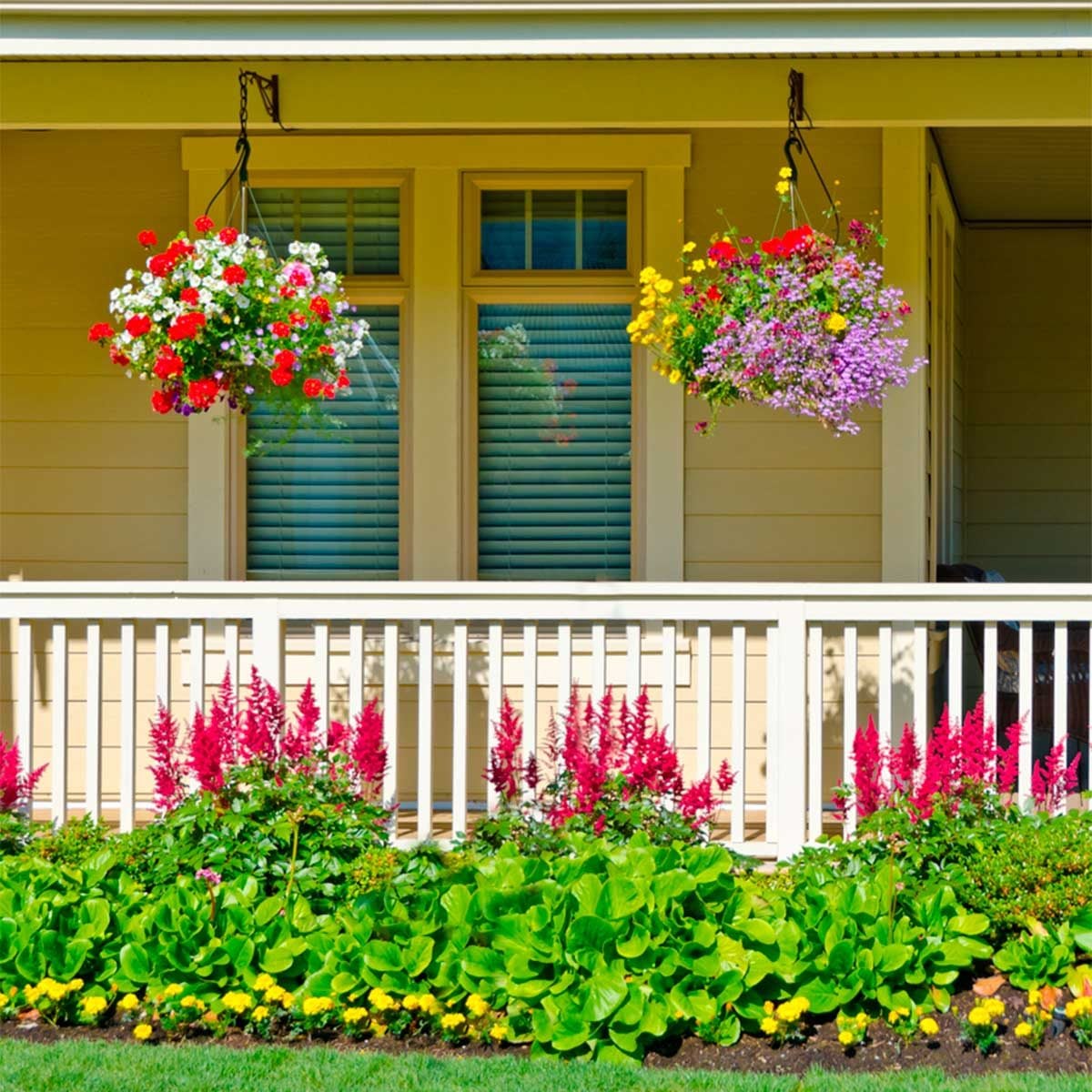
Your front yard is the handshake of your home. It introduces the architecture, guides guests to the door, and quietly reveals whether the space was planned or whether the lawn mower has been making all the decisions. Fortunately, the best front yard landscaping ideas do not require an estate-sized budget. They require a visible entrance, plants suited to the site, and enough restraint to prevent the garden center from moving into your yard permanently.
A strong design should look appealing from the street, feel welcoming at walking speed, handle local weather, and remain manageable on an ordinary weekend. Here is how to build that balance.
Plan Before You Plant
Read the Yard First
Observe where the sun falls, where rainwater collects, which views deserve emphasis, and which utilities need discreet screening. Check mature plant sizes, locate underground lines before digging, and review local or homeowners association rules. Match plants to the yard’s light, soil, drainage, and climate instead of forcing a favorite style onto the wrong site. The USDA Plant Hardiness Zone Map can help identify perennials likely to tolerate local winter lows.
Pick a Focal Point and Repeat It
The front door is usually the natural focal point. Reinforce it with a clear walkway, coordinated planters, a flowering tree, or a distinctive porch light. Repeat a limited palette of plants, colors, and hardscape materials to create rhythm. One confident idea looks designed; six unrelated focal points look like a botanical yard sale.
10 Best Front Yard Landscaping Ideas
1. Build Layered Foundation Beds
Soften the base of the house without hiding windows, vents, steps, or architectural details. Place small trees or tall shrubs toward the back, medium shrubs and perennials in the middle, and ground covers along the edge. Mix evergreens for winter structure with flowering shrubs, grasses, and perennials for seasonal interest. Most importantly, design for mature size; that tiny shrub may eventually apply for ownership of the living room window. Group plants with similar sunlight and water needs to simplify care.
2. Create a Walkway That Clearly Leads Home
A front path should be obvious, comfortable, and wide enough for two people. Brick, flagstone, pavers, gravel, and poured concrete can all work when the material suits the home and climate. Use curves only when they bend around a real feature; random wiggles make guests wonder what invisible obstacle they are avoiding. Keep bordering plants low, add lighting near steps, and use coordinated containers to frame the entry.
3. Add Native Plants and a Pollinator Pocket
Regionally appropriate native plants can support local birds, bees, butterflies, and other wildlife while fitting naturally into local seasonal cycles. Begin with a small bed near the mailbox, walkway, or sunny property corner. Combine species that bloom at different times, then repeat them in visible groups. A crisp border and clear path make a naturalistic garden look intentional rather than abandoned.
4. Replace Difficult Lawn With Better Ground Cover
Keep turf where it serves a purpose, such as play, circulation, or a clean foreground. Replace grass on steep banks, narrow strips, deep shade, and awkward corners with mulched beds, native ground covers, ornamental grasses, gravel gardens, or a compact seating area. Reduced-lawn designs can add texture and lower mowing demands, although no surface is truly maintenance-free. Gravel catches leaves, mulch needs renewal, and young ground covers need patience.
5. Plant One Well-Chosen Accent Tree
A small tree can provide shade, spring flowers, fall color, berries, or graceful winter branches. Compare mature height and spread, hardiness, soil preference, sunlight, disease resistance, and proximity to roofs, walks, utilities, and power lines. Depending on the region, possibilities may include serviceberry, redbud, dogwood, fringe tree, desert willow, or a compact magnolia. Local extension offices can help narrow the list.
6. Design for Four-Season Interest
Do not ask two weeks of spring flowers to carry the entire year. Combine bulbs and flowering trees for spring, durable perennials for summer, grasses and colorful foliage for fall, and evergreens, bark, berries, seed heads, or stone for winter. Large porch containers provide easy seasonal color without requiring a complete bed redesign, and they dry out less quickly than a crowd of tiny pots.
7. Turn a Wet Spot Into a Rain Garden
A properly designed rain garden is a shallow planted basin that temporarily captures runoff and allows it to soak into the soil. Use plants tolerant of brief saturation in the lower area and plants suited to drier soil around the rim. Soil infiltration, setbacks, overflow routes, buried utilities, and local rules all matter. Persistent water near a foundation, severe erosion, or a steep grade deserves professional evaluation rather than optimistic shovel work.
8. Use Landscape Lighting With Restraint
Good lighting reveals the route to the door, improves safety, and highlights one or two attractive features. Use warm, shielded, low-level fixtures near steps and changes in grade. A discreet uplight can emphasize a specimen tree, while a soft fixture can make the address easier to read. The goal is a welcoming evening scene, not visibility from low Earth orbit.
9. Finish Beds With Mulch and Crisp Edges
Clean edging instantly makes a yard look deliberate. Define beds with a spade-cut edge, metal, brick, or stone that complements the house. Organic mulch can moderate soil temperature, conserve moisture, and reduce weed competition. Keep it away from trunks and stems; a mound of mulch pressed against a tree creates the infamous “mulch volcano,” which is neither volcanic nor helpful.
10. Match the Yard to the House
Borrow cues from the architecture. Cottage homes welcome loose flowering borders and climbing plants. Midcentury homes suit bold foliage, gravel, and clean lines. Traditional homes often look balanced with restrained foundation beds and a strong entry axis. Contemporary facades benefit from repeated masses of grasses or evergreens. For privacy, use low hedges, airy grasses, a trellis, or staggered shrubs that filter views without turning the front yard into a fortress.
Ideas for Common Front Yard Challenges
Small Yard
Limit the plant palette, choose dwarf varieties, and use vertical elements such as a narrow trellis. One strong tree, one generous bed, and a clear path usually make a small space feel larger than a collection of miniature features.
Sloped Yard
Use terraces, retaining walls, deep-rooted plants, or planted swales to slow water and reduce erosion. Make steps comfortable and visible. Steep slopes, major walls, and drainage near neighboring property often require qualified professional help.
Hot, Dry Yard
Reduce thirsty turf, group plants by water needs, improve soil where appropriate, mulch beds, and use efficient irrigation. EPA guidance identifies correct plant selection, healthy soil, and proper maintenance as foundations of water-smart landscaping.
Shady Yard
Stop making sun-loving lawn negotiate with deep shade. Use shade-tolerant shrubs, sedges, ferns, woodland perennials, moss where suitable, and layered foliage. Contrast leaf size and texture when flowers are limited.
Limited Budget
Work in phases. Begin with cleanup, pruning, edging, mulch, and walkway repairs. Complete hardscape and utility work before installing expensive plants, then add trees and shrubs as the structural layer. Fill gaps over time with perennials, divisions, seeds, and seasonal containers. A coherent plan completed gradually beats a yard filled quickly with unrelated bargains.
Common Landscaping Mistakes
- Planting too close to the house: Leave room for mature growth, airflow, maintenance, and utility access.
- Blocking windows or the address: Preserve important sight lines and visibility from the street.
- Ignoring runoff: Never direct water toward the foundation, sidewalk, or neighboring property.
- Using too many materials: Repeat a small selection of hardscape finishes for a calmer design.
- Buying plants by flower color alone: Check climate, light, soil, water, size, and maintenance needs first.
A Simple Weekend Improvement Plan
On day one, remove weeds, dead plants, broken edging, and visual clutter. On day two, redefine the main beds, refresh mulch, and repair the path. On day three, add one focal improvement: coordinated planters, a mailbox bed, a compact tree, or a repeated group of native perennials. Visible progress beats turning the entire yard into an archaeological site.
Conclusion
The best front yard landscaping ideas make a home easier to approach, more enjoyable to see, and simpler to maintain. Start with the site, emphasize the entrance, choose regionally appropriate plants, and build a framework that looks good beyond peak bloom. The yard does not need to be the fanciest on the block; it needs to feel healthy, useful, connected, and cared for.
An Illustrative Homeowner Experience: From Patchy Lawn to Polished Entry
Consider a typical suburban front yard with a patchy lawn, two oversized shrubs covering half the windows, and a walkway that technically reached the door but seemed embarrassed about it. The homeowners wanted better curb appeal, yet they did not want a landscape that demanded every weekend, several specialty tools, and an advanced degree in hydrangea diplomacy.
The first improvement was not planting. It was subtraction. They removed one failing shrub, reduced the other with careful pruning, cleared volunteer saplings from the foundation, and stored three decorative objects that had been competing for attention. Once the clutter disappeared, the house looked wider and the entrance became visible. That simple cleanup delivered more impact than the first batch of new plants.
Next, they widened the bed near the front walk and created a gentle curve leading toward the porch. Instead of buying one of everything, they selected repeated groups: three compact evergreen shrubs for year-round structure, five native flowering perennials for summer color, and several ornamental grasses for fall movement. A small serviceberry became the accent tree, positioned far enough from the house to accommodate its mature canopy. The repetition made the yard feel designed, even before the plants filled in.
The biggest lesson arrived after the first heavy rain. Water ran from the downspout across the new mulch and pooled beside the sidewalk. Rather than pretending the puddle had always been part of the concept, the homeowners extended the downspout and shaped a shallow planted depression farther from the foundation. Moisture-tolerant plants occupied the lower area, while drier-condition perennials sat along the upper edge. The drainage feature eventually became one of the most attractive sections of the yard.
They also learned that young landscapes can look sparse. The temptation was to crowd plants together for instant fullness, but they followed mature spacing recommendations and used mulch to give the beds a finished appearance. By the second growing season, the gaps had narrowed. By the third, a few perennials needed dividing. Plants, it turns out, are ambitious little real-estate developers.
Maintenance became easier because the design matched the site. The sunny curb strip received heat-tolerant plants. The shadier side near the porch used foliage plants rather than struggling flowers. Drip irrigation served the new beds during establishment, and the remaining lawn became a simple rectangle that took less time to mow. Seasonal color came from two large porch containers rather than dozens of annuals scattered across the property.
The project was completed in stages, not in one expensive burst. Cleanup and bed shaping came first, structural plants came next, and decorative details followed later. That pacing prevented impulse purchases and gave the homeowners time to observe what worked. Their front yard never became a magazine-perfect showpiece, which was not the goal. It became welcoming, practical, and noticeably more polishedand it stopped making the house look as though it had overslept.
Research note: This article synthesizes guidance from U.S. home-and-garden publishers, university extension programs, the U.S. Environmental Protection Agency, the U.S. Department of Agriculture, the National Wildlife Federation, and the Arbor Day Foundation.