Receiving an osteopenia diagnosis can feel like being told your bones have quietly started a retirement plan without consulting you. The good news is thaty mean fractures, prescription drugs, or a future spent avoiding stairs.
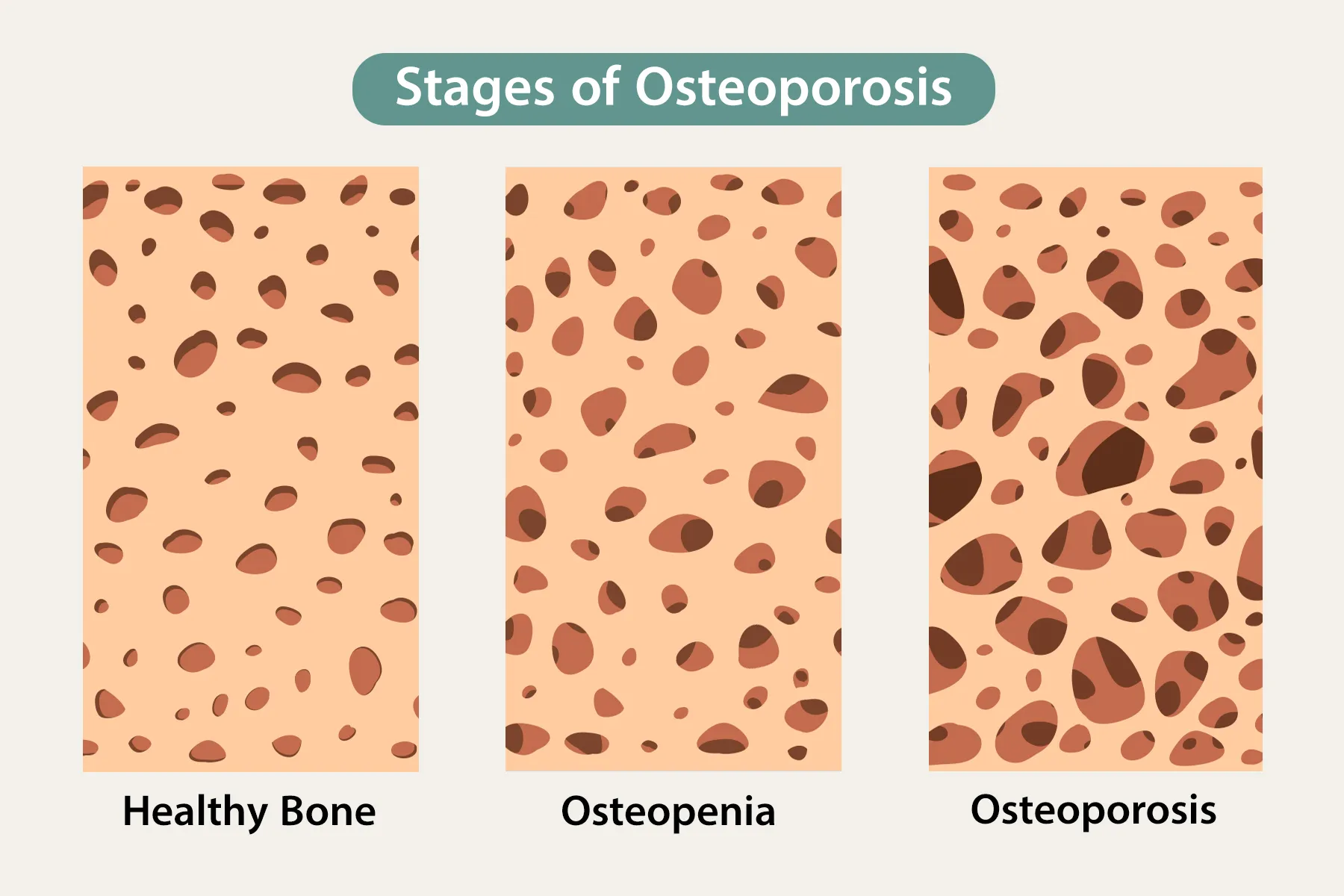
Osteopenia means bone mineral density is lower than expected but has not reached the diagnostic threshold for osteoporosis. Treatment focuses on protecting the bone you have, correcting reversible causes of bone loss, improving balance and muscle strength, and using medication when the probability of fracture is high enough to justify it.
The right osteopenia treatment plan may include calcium-rich foods, vitamin D, resistance training, fall prevention, and periodic bone-density testing. Some people also need prescription medication. The important part is matching the intensity of treatment to the person’s actual fracture risk rather than treating a scan result in isolation.
What Is Osteopenia?
Osteopenia is usually identified through a dual-energy X-ray absorptiometry scan, commonly called a DXA or DEXA scan. For postmenopausal women and men age 50 or older, the test often reports a T-score that compares bone density with that of a healthy young adult.
- A T-score of -1.0 or higher is generally considered normal.
- A T-score between -1.0 and -2.5 is classified as osteopenia or low bone mass.
- A T-score of -2.5 or lower is generally classified as osteoporosis.
A T-score is useful, but it is not a crystal ball. Two people with the same score may have very different fracture risks. Age, previous fractures, family history, falls, smoking, alcohol use, body weight, medications, and medical conditions all matter.
In younger adults, clinicians may rely more heavily on Z-scores, medical history, and possible secondary causes rather than applying postmenopausal T-score categories too rigidly.
Does Everyone With Osteopenia Need Treatment?
Everyone with osteopenia deserves a bone-health plan, but not everyone needs prescription medication. A relatively young person with a T-score of -1.3, no fractures, strong muscles, and few risk factors may need nutrition, exercise, and monitoring. An older adult with a T-score of -2.2, a previous low-trauma fracture, long-term steroid use, and frequent falls may need medication promptly.
Clinicians frequently use the FRAX fracture-risk calculator to estimate a person’s 10-year probability of hip fracture and major osteoporotic fracture. In the United States, medication is commonly considered for postmenopausal women and men age 50 or older who have osteopenia plus either:
- A 10-year hip-fracture probability of at least 3%, or
- A 10-year major osteoporotic-fracture probability of at least 20%.
These are treatment thresholds, not automatic commands. FRAX does not capture every important detail, including all aspects of falling, recent fractures, spine-bone quality, or unusually high steroid exposure. Clinical judgment still gets a vote.
Look for the Cause Before Treating the Number
Low bone density sometimes reflects more than aging. A clinician may review dietary habits, menstrual or menopause history, gastrointestinal symptoms, kidney function, thyroid disease, testosterone levels, vitamin D status, and medication use.
Possible contributors include celiac disease, inflammatory bowel disease, eating disorders, overactive thyroid or parathyroid glands, low sex-hormone levels, chronic kidney disease, excessive alcohol intake, and prolonged corticosteroid therapy. Certain seizure medicines, cancer treatments, and other drugs may also accelerate bone loss.
Correcting an underlying condition may be as important as prescribing a bone-specific treatment. Otherwise, it is a little like repainting a wall while ignoring the pipe leaking behind it.
Medications for Osteopenia
Prescription medication is generally reserved for people whose overall fracture risk is high. The goal is not simply to make the DXA number prettier. It is to prevent hip, spine, wrist, and other fragility fractures.
Bisphosphonates
Bisphosphonates slow the activity of cells that break down bone. Common options include oral alendronate and risedronate, as well as intravenous zoledronic acid. They are frequently the first medications considered for people at elevated fracture risk because they have extensive evidence, established dosing schedules, and lower-cost generic options.
Oral bisphosphonates require careful administration. Depending on the product, the tablet is taken with plain water after an overnight fast. The person must remain upright and avoid food, beverages, and other medications for the specified period. These instructions are not ceremonial pharmaceutical theater; they improve absorption and reduce irritation of the esophagus.
Possible adverse effects include heartburn, nausea, swallowing discomfort, and muscle or joint pain. Intravenous zoledronic acid avoids the digestive tract but can cause temporary fever, fatigue, or flu-like symptoms after an infusion, particularly the first one.
Rare complications include osteonecrosis of the jaw and unusual fractures of the thigh bone. These risks are more relevant with longer exposure and certain medical or dental factors. Clinicians commonly reassess fracture risk after several years to decide whether treatment should continue, change, or pause. Patients should not create their own “drug holiday” because the internet sounded confident on a Tuesday.
Denosumab
Denosumab is an injection generally given every six months. It reduces bone breakdown and can lower vertebral, hip, and other fracture risks in appropriately selected patients. It may be considered when bisphosphonates are unsuitable or when fracture risk is high.
Calcium and vitamin D status should be adequate before treatment. The U.S. Food and Drug Administration has issued a boxed warning about severe hypocalcemia in patients with advanced chronic kidney disease, especially those receiving dialysis or living with chronic kidney disease-mineral and bone disorder.
Denosumab also requires a long-term transition plan. Delaying or stopping injections without follow-on treatment can lead to rapid bone loss and an increased risk of vertebral fractures. Unlike certain bisphosphonate plans, denosumab is not a medication that should be casually paused.
Raloxifene
Raloxifene is a selective estrogen receptor modulator used in certain postmenopausal women. It primarily reduces vertebral-fracture risk and may also reduce the risk of some estrogen-sensitive breast cancers.
It may worsen hot flashes and increase the risk of blood clots, making it inappropriate for people with a history of deep-vein thrombosis, pulmonary embolism, or certain cardiovascular risks. It is not the preferred medication when hip-fracture prevention is the main priority.
Menopausal Hormone Therapy
Estrogen therapy can reduce bone loss around and after menopause. For some younger postmenopausal women who also have troublesome hot flashes or other menopausal symptoms, hormone therapy may provide both symptom relief and bone protection.
However, the decision must account for age, time since menopause, breast-cancer risk, cardiovascular health, stroke risk, blood-clot history, and whether the uterus is present. Hormone therapy is not routinely prescribed solely because a DXA scan contains the word “osteopenia.”
Bone-Building Medications
Teriparatide, abaloparatide, and romosozumab stimulate bone formation through different mechanisms. They are usually reserved for people with established osteoporosis, multiple fractures, or exceptionally high fracture risk. They are not routine treatments for uncomplicated, lower-risk osteopenia.
After completing a bone-building medication, an antiresorptive drug is generally needed to preserve the gains. Building bone without maintaining it would be rather like renovating a house and then leaving the front door open during a hurricane.
Supplements for Osteopenia
Calcium
Calcium is an essential structural mineral in bone, but more is not automatically better. The target should include calcium from food and supplements combined, not supplements alone.
Most adults need about 1,000 milligrams of calcium daily. Women older than 50 and men older than 70 generally need about 1,200 milligrams. Dairy products, calcium-fortified plant beverages, yogurt, cheese, tofu made with calcium, canned salmon or sardines with bones, and certain leafy vegetables can help meet that goal.
Food-first calcium has several advantages. It arrives with protein and other nutrients, is spread naturally across the day, and is less likely to turn breakfast into a complicated pill-sorting ceremony.
When diet does not provide enough, a supplement may fill the gap. Calcium carbonate is best absorbed with food and contains a relatively high percentage of elemental calcium. Calcium citrate can be taken with or without food and may be easier to absorb for people taking acid-suppressing medication or producing less stomach acid.
Calcium is usually absorbed more efficiently in divided doses of roughly 500 to 600 milligrams or less at a time. Supplements may cause constipation, gas, or bloating. Excessive intake can contribute to kidney stones or high blood calcium in susceptible people.
Calcium can also interfere with levothyroxine, iron, and certain antibiotics. A pharmacist can help determine how far apart to take them.
Vitamin D
Vitamin D helps the intestines absorb calcium and supports normal bone mineralization and muscle function. The general recommended intake is 600 international units daily for adults through age 70 and 800 international units after age 70, although individual needs vary.
People with low blood levels, malabsorption, limited sun exposure, darker skin, obesity, or certain medical conditions may require a clinician-directed dose. Very high doses are not automatically more effective and can cause excessive blood calcium, kidney problems, nausea, weakness, or abnormal heart rhythms.
Some people are prescribed short-term higher-dose vitamin D to correct a documented deficiency, followed by a maintenance dose. That is different from conducting a home chemistry experiment with megadose supplements.
What About Magnesium, Vitamin K, Collagen, or Strontium?
Magnesium, vitamin K, protein, and other nutrients participate in bone metabolism, but routine high-dose supplements have not been shown to replace calcium, vitamin D, exercise, or indicated prescription therapy.
Vitamin K supplements may interact with warfarin and related anticoagulants. Magnesium supplements can cause diarrhea and may accumulate in people with impaired kidney function. Over-the-counter strontium products should not be confused with approved osteoporosis medicines used in other countries, and they may distort DXA measurements.
Collagen powders can contribute protein, but claims that they independently rebuild fragile bones should be viewed with healthy skepticism. Bones need a complete diet, mechanical loading, hormones, minerals, and timenot one fashionable scoop with excellent branding.
Lifestyle Treatment for Stronger Bones
Use Weight-Bearing Exercise
Weight-bearing activity makes the skeleton work against gravity. Walking, stair climbing, dancing, hiking, tennis, and low-impact aerobics are common examples. These activities support bone maintenance while improving cardiovascular fitness and coordination.
Adults should generally work toward at least 150 minutes of moderate-intensity physical activity each week, adjusted for health, fitness, and medical restrictions.
Add Progressive Resistance Training
Resistance exercise may be especially valuable because muscles pull on bones and provide the stimulus needed to maintain strength. Training can include free weights, machines, resistance bands, or body-weight movements such as squats, step-ups, and wall pushups.
A well-designed program trains the major muscle groups at least twice weekly and gradually increases resistance. The word “gradually” matters. Bones appreciate consistency; they are less enthusiastic about an ambitious first workout followed by three weeks of limping.
Train Balance and Posture
Many fractures happen because of falls, not because a DXA machine produced an alarming decimal. Tai chi, single-leg balance work, gait training, and targeted physical therapy can reduce fall risk. Back and hip strengthening may also improve posture and stability.
People with vertebral fractures, significant osteoporosis, pain, or major balance problems should obtain individualized exercise guidance. Rapid twisting, forceful forward bending, or high-impact activity may be unsafe for some patients.
Eat Enough Protein
Bone contains a protein framework as well as minerals. Older adults who eat too little protein may lose muscle, become less stable, and face a higher risk of falls. Fish, poultry, eggs, dairy foods, beans, lentils, tofu, nuts, and seeds can contribute to a bone-supportive diet.
People with kidney disease or other medical conditions should discuss protein targets with a qualified clinician or registered dietitian.
Stop Smoking and Limit Alcohol
Smoking is associated with poorer bone health and slower fracture healing. Quitting benefits bones, lungs, blood vessels, and nearly everything else that prefers oxygen.
Heavy alcohol use can impair bone formation, reduce nutrition, interact with medications, and increase falls. People who drink should stay within personalized medical guidance and avoid alcohol when it conflicts with medications or balance.
Make the Home Less Fall-Friendly
Fall prevention is a genuine form of fracture prevention. Remove loose rugs, improve lighting, install handrails, keep frequently used objects within easy reach, and wear supportive shoes. Vision checks, hearing care, and medication reviews can also uncover correctable risks.
Monitoring Osteopenia Treatment
A successful treatment plan tracks more than a single T-score. Clinicians may monitor fractures, falls, height loss, posture changes, medication adherence, vitamin D levels, calcium balance, kidney function, and new health conditions.
Repeat DXA timing should be individualized. A scan may be repeated after approximately one or two years when medication is started or risk is changing. Longer intervals may be reasonable for stable, lower-risk patients. Whenever possible, using the same facility and machine makes comparisons more reliable.
Small changes may fall within the machine’s measurement error, so a tiny shift does not always mean treatment failed. The central outcome remains avoiding fractures while maintaining mobility, independence, and quality of life.
Practical Osteopenia Treatment Experiences
The following examples are fictional composites based on common clinical situations. They illustrate the treatment process but are not guarantees of individual results.
Experience 1: Lifestyle Treatment Without Medication
At 57, “Karen” received a hip T-score of -1.6 during an early bone-density evaluation. She had never broken a bone, did not smoke, and had a low FRAX estimate. Her first reaction was to buy the largest calcium bottle available. Her clinician instead helped her calculate how much calcium she was already getting from yogurt, fortified soy milk, tofu, and vegetables.
She discovered that her diet supplied most of her daily target, so she needed only a modest supplement. More importantly, she added strength training twice weekly and replaced two leisurely walks with faster, hillier routes. Balance exercises became part of her routine while brushing her teethan efficient combination, provided nobody attempts it on a wet bathroom floor.
Her follow-up scan did not reveal a dramatic transformation, but her bone density remained stable. She also became stronger, improved her posture, and felt more confident using stairs. Stability was considered a success because age-related bone loss had not noticeably accelerated.
Experience 2: Steroid Use Changes the Decision
“Michael,” 66, had a T-score of -2.0 and had been taking prednisone for an inflammatory disorder. Although he had never experienced a hip fracture, his age, steroid exposure, and other risk factors raised his estimated fracture probability.
His clinician recommended an oral bisphosphonate after reviewing his dental history, kidney function, calcium intake, and vitamin D level. The most difficult part was not swallowing the tablet; it was remembering to take it correctly before coffee. He placed a weekly reminder near the kitchen but kept the medication stored safely away from heat and moisture.
After initial confusion, the routine became manageable. He also worked with his specialist to use the lowest effective steroid dose for his underlying disease. This mattered because a bone medication could reduce risk, but it could not erase the influence of unnecessary long-term steroid exposure.
Experience 3: Choosing an Infusion
“Angela,” 71, had worsening osteopenia, significant reflux, and difficulty following oral bisphosphonate instructions. Her fracture-risk calculation crossed the treatment threshold, so her clinician discussed an intravenous option.
She chose zoledronic acid after laboratory testing confirmed that her kidney function, calcium, and vitamin D status were suitable. Following the first infusion, she experienced fatigue and muscle aches for about a day. Her treatment team had warned her that a short-lived flu-like reaction was possible, so the experience was irritating rather than alarming.
The annual schedule was easier for her than remembering a weekly pill. However, she still needed adequate nutrition, exercise, fall prevention, and follow-up. The infusion was part of the plan, not a magical skeleton software update.
Experience 4: Learning That Improvement Is Not Always a Bigger Number
Many people expect osteopenia treatment to produce a spectacular increase in bone density. In practice, success may mean maintaining bone density, slowing decline, preventing a fracture, improving strength, or reducing falls.
A person may also need to revise the plan. Digestive side effects can lead to a different medication. Kidney disease may limit certain choices. New fractures may require more aggressive therapy. Improved risk factors may eventually support a treatment pause after reassessment, depending on the medication.
The most useful patient experience is usually built around consistency: taking medication correctly, performing resistance exercises week after week, meeting nutritional needs without megadosing, reporting new thigh or jaw symptoms, keeping dental care current, and attending follow-up appointments. None of these actions is glamorous, but bones are famously unimpressed by glamour.
Conclusion
Osteopenia treatment is not a one-size-fits-all prescription. The most effective plan combines the DXA result with age, fracture history, medical conditions, medication exposure, fall risk, and a 10-year fracture-risk estimate.
For lower-risk patients, adequate calcium and vitamin D, progressive resistance training, weight-bearing activity, protein-rich nutrition, smoking cessation, and fall prevention may be enough. Higher-risk patients may benefit from bisphosphonates or another prescription medication selected according to their medical history and treatment preferences.
Most importantly, treatment should aim beyond improving a number on a scan. Stronger muscles, safer movement, fewer falls, preserved independence, and freedom from fractures are the outcomes that truly count.
Note: This article provides general educational information and does not replace diagnosis or treatment from a licensed healthcare professional. Do not begin, stop, delay, or change osteoporosis medication or high-dose supplements without discussing the decision with your clinician. The information was developed from current guidance and educational materials published by major U.S. medical and public-health organizations, including NIH agencies, the Bone Health and Osteoporosis Foundation, the Endocrine Society, the FDA, the USPSTF, AAFP, MedlinePlus, and leading academic medical centers.