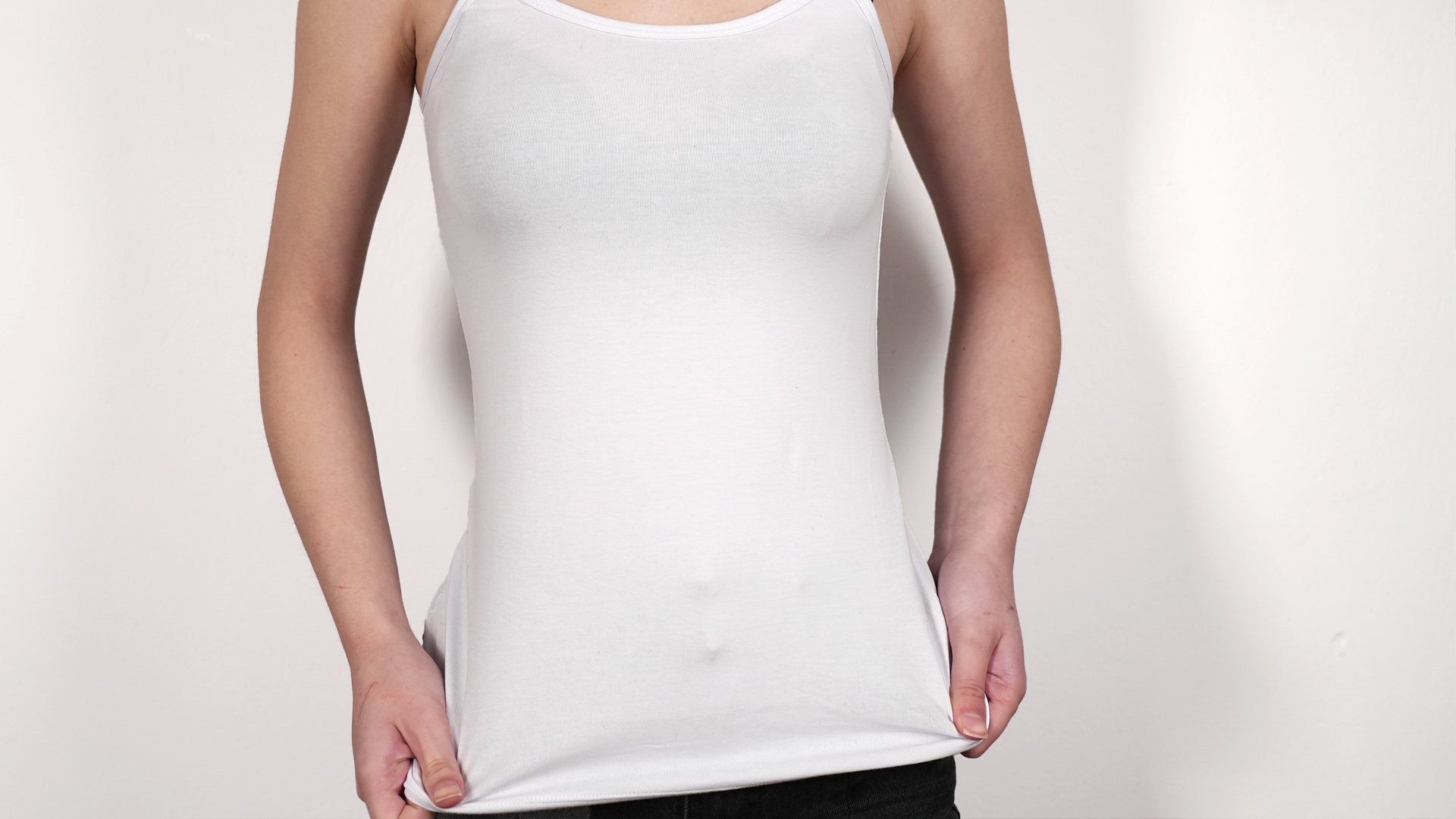
Maybe your favorite cotton T-shirt has stretched into something suspiciously close to a nightshirt. Maybe you ordered the wrong size, missed the return window, and now have to negotiate directly with the laws of textile science. The good news is that cotton can often be intentionally shrunk at home. The less-good news is that cotton does not accept precise tailoring instructions.
The most dependable approach combines moisture, movement, and drying. Washing and tumble-drying usually produce the strongest overall shrinkage, while a damp dryer treatment or carefully applied steam can make a shirt smaller without running a complete wash cycle. The secret is to work gradually, measure often, and stop before your adult-sized tee becomes suitable for a very fashionable house cat.
Cotton T-shirts are knitted rather than woven, and knitted constructions generally have more room for dimensional change. However, the result still depends on the yarn, fabric weight, manufacturing finish, prior laundering, and whether the shirt was preshrunk.
Can You Really Shrink a Cotton T-Shirt?
Yes, especially when the shirt is made from 100% cotton. Cotton fibers absorb moisture and swell. During washing, agitation helps the fabric relax from tensions created during spinning, knitting, dyeing, finishing, and sewing. As the shirt dries, its structure can settle into a smaller shape.
Heat can encourage and set this change, but heat is not the only factor. A shirt may shrink after being saturated and agitated even when it is washed in warm or cool water. Thorough tumble-drying, particularly when the garment becomes completely dry, can lock in additional shrinkage.
How Much Smaller Will It Become?
There is no universal percentage. Preshrunk cotton commonly has less remaining shrinkage than untreated cotton, and most of the noticeable change usually occurs during the first few wash-and-dry cycles. One shirt might lose only a little length, while an untreated heavyweight cotton tee could change much more dramatically.
According to Whirlpool’s consumer guidance, preshrunk cotton may still shrink approximately 2% to 5%, while certain untreated garments can shrink considerably more. Treat those numbers as possibilities rather than promises. The shirt’s construction and previous care history matter as much as the fiber label.
Check These Details Before You Begin
Read the permanent care tag before doing anything heroic. In the United States, garment manufacturers and importers are required to provide care instructions based on a method that should not substantially harm the complete garment. That includes fabric, thread, trim, prints, buttons, and other attached components.
- Confirm the fiber content: A 100% cotton shirt is the best candidate. Cotton-polyester blends resist shrinkage, while shirts containing elastane or spandex can lose elasticity under excessive heat.
- Inspect the graphic: Screen printing, vinyl lettering, decorative patches, and glued embellishments may crack, warp, loosen, or fade.
- Check the color: Hot water can accelerate fading or dye bleeding, particularly on new, dark, or brightly colored shirts.
- Measure first: Record the chest width, body length, sleeve length, and shoulder width while the shirt lies flat.
- Accept the risk: Shrinkage may be uneven. A shirt can become shorter without becoming much narrower, or the collar may tighten more than the body.
Do not intentionally shrink a valuable vintage shirt, autographed shirt, delicate garment, or item labeled “dry clean only.” Professional alteration is more predictable and usually less stressful than standing beside a dryer every five minutes whispering, “Please stop at medium.”
Method 1: Shrink a Cotton T-Shirt in the Washer and Dryer
This is the most effective method for reducing the entire shirt. It works best on 100% cotton that has not already been heavily preshrunk.
What You Need
- A washing machine
- A clothes dryer
- Regular laundry detergent
- A tape measure
Step 1: Turn the Shirt Inside Out
Turning the T-shirt inside out helps reduce direct abrasion on its exterior surface and provides some protection for printed designs. Close any buttons or zippers if the shirt has them.
Step 2: Wash the Shirt
Place the shirt in the washing machine by itself or with a few similar cotton items. Select a normal cotton cycle rather than a delicate cycle. Use the warmest water permitted by the care label.
Hot water may increase the chance of fading or fabric damage, but using the hottest possible setting is not always necessary. Saturation and agitation create much of the initial relaxation shrinkage. Starting with warm water gives you more control, especially when you need only a modest adjustment.
Step 3: Tumble-Dry the Shirt
Transfer the wet shirt to the dryer immediately. Begin with medium-high heat. Check the shirt every five to ten minutes once it is mostly dry. Higher heat and overdrying can increase shrinkage, but they also increase the risk of fading, permanent wrinkles, damaged graphics, and excessive size loss.
Laundry guidance generally recommends low heat or air-drying when the goal is to prevent shrinkage. Intentional shrinking reverses that strategy, but frequent inspections are essential.
Step 4: Measure Before Repeating
Let the shirt cool for several minutes and lay it flat without stretching it. Compare the new measurements with your starting numbers. Try it on only after it has cooled completely.
If it is still too large, repeat the process using the same settings. Several controlled cycles are safer than one volcanic laundry event. Most shrinkable garments show their biggest relaxation changes within the first one to three washings, although smaller changes may continue later.
Method 2: Shrink a Cotton T-Shirt without Machine-Washing It
You can skip the washing machine, but cotton generally needs some moisture before it will shrink effectively. In other words, “without washing” does not necessarily mean “without getting wet.”
The Hot-Water Soak Method
- Fill a heat-safe basin or large pot with very hot water.
- Turn the shirt inside out and submerge it completely.
- Use a wooden spoon or heat-resistant utensil to move the shirt gently through the water.
- Let it soak for five to ten minutes.
- Remove it carefully and allow it to cool before handling.
- Gently press out excess water without twisting the shirt.
- Tumble-dry it on medium-high heat, checking frequently.
For stronger shrinkage, some people place plain cotton garments in near-boiling water for longer periods. This aggressive version can cause color loss, uneven shrinkage, distorted seams, or damaged prints. Begin with a short soak and repeat only when necessary.
Do not leave a pot unattended, and do not handle a hot, saturated shirt with bare hands. Waterlogged cotton holds enough hot water to turn a simple clothing project into an extremely embarrassing emergency-room story.
Method 3: Shrink a Cotton T-Shirt in the Dryer without Washing It
A completely dry shirt that has already been through many laundry cycles may not shrink noticeably from another ordinary dryer session. For a more effective no-wash treatment, introduce a small amount of moisture.
Using a Spray Bottle
- Turn the T-shirt inside out.
- Mist it evenly with clean water until it is damp but not dripping.
- Place it in the dryer on medium-high heat.
- Run the dryer for five to ten minutes.
- Remove, cool, measure, and repeat if needed.
Uneven spraying can lead to uneven results, so dampen the front, back, sleeves, shoulders, and collar consistently. This method is useful when the shirt is clean and you want to avoid a complete wash cycle.
Using a Damp Towel
Place the dry T-shirt in the dryer with one clean, damp washcloth or small towel. As the towel heats, it releases moisture into the drum. The combination of dampness, heat, and tumbling may help the cotton relax and contract.
Run the dryer in short intervals and inspect the shirt frequently. Damp-towel dryer treatments are also commonly used to generate steam for releasing wrinkles, so the amount of actual shrinkage may be modest, especially on a well-worn or thoroughly preshrunk shirt.
How to Shrink Only Part of a Cotton T-Shirt
Targeted shrinking is less reliable than shrinking the entire garment, but it may help when the body is slightly loose or the sleeves feel too long.
Targeted Dryer Method
- Use a spray bottle to dampen only the area you want to reduce.
- Keep the rest of the shirt as dry as possible.
- Place the shirt in the dryer for five-minute intervals.
- Remove it, reshape the untouched areas, and inspect the fit.
Steam-Iron Method
- Lay the shirt flat on an ironing board.
- Lightly dampen the target area.
- Place a clean pressing cloth over the fabric.
- Apply steam and press rather than sliding the iron aggressively.
- Allow the area to cool and dry before measuring it.
Never place a hot iron directly on vinyl graphics, rubberized prints, sequins, or synthetic trim. Steam can encourage minor contraction, but it is better for small adjustments than major resizing.
Can You Shrink a Preshrunk Cotton Shirt?
Possibly, but the result will usually be limited. Preshrinking during manufacturing is designed to remove much of the fabric’s residual dimensional change before the garment reaches the customer. It does not necessarily make cotton completely shrink-proof.
A new preshrunk shirt may still respond to saturation and thorough tumble-drying, particularly during its first home laundering. A shirt that has already been washed and dried dozens of times is much less likely to change dramatically. Preshrinking, fabric quality, yarn structure, knit density, and finishing treatments all influence the remaining potential.
What About Cotton Blends?
Read the percentages on the fiber label. A shirt containing 90% cotton and 10% polyester may shrink somewhat, while a 50/50 cotton-polyester tee will generally resist shrinking more strongly. Pure polyester rarely shrinks under normal laundering conditions, so increasing the dryer temperature can damage the garment before producing the size reduction you want.
Be especially cautious with stretch blends. High heat can weaken elastane or spandex, reducing recovery and leaving the shirt baggy rather than smaller. The outcome is the laundry equivalent of pressing the wrong elevator button: plenty of movement, but not toward your intended destination.
Common Shrinking Mistakes
Using Maximum Heat Immediately
Maximum heat offers less control and can cause fading, scorched-looking graphics, wrinkled seams, or excessive length loss. Start moderately and repeat.
Ignoring the Shirt’s Measurements
Your eyes are not a measuring tape. Record the original dimensions so you know whether the shirt actually changed or simply looks smaller because it is wrinkled.
Trying to Shrink a Shirt by Two Full Sizes
Intentional shrinkage is best for improving a slightly loose fit. It is not dependable enough to turn an extra-large shirt into a perfectly proportioned medium. Alteration or exchanging the garment is usually the better solution.
Overdrying a Printed Shirt
The cotton body may tolerate heat better than its decorative design. Stop immediately if a graphic becomes tacky, curled, brittle, or unusually shiny.
Assuming the Shirt Will Shrink Evenly
Knitted cotton frequently changes more in length than width. Collars, cuffs, hems, and side seams can also respond differently because they contain multiple fabric layers, ribbing, elastic, or different thread.
How to Stop Shrinking Once the Shirt Fits
After reaching the desired size, return to shrink-prevention habits. Wash the shirt in cool or cold water on a gentle or normal cycle, avoid unnecessary agitation, and air-dry it when practical. When using a dryer, choose low heat and remove the shirt while it remains slightly damp.
Cold washing and low-temperature drying are consistently recommended for reducing additional shrinkage, fading, and fiber stress. Air-drying is the safest option when preserving the new dimensions matters more than speed.
Frequently Asked Questions
Can I shrink a cotton T-shirt one size?
Sometimes, particularly when it is new, untreated, and made from 100% cotton. Preshrunk shirts may change only slightly, and there is no reliable way to guarantee exactly one standardized size.
Will hot water alone shrink cotton?
Hot water can contribute, but saturation, agitation, drying, fabric construction, and manufacturing history also matter. Drying the wet shirt thoroughly generally produces a more noticeable result than soaking it and air-drying it.
Can cold water shrink a cotton shirt?
Some relaxation shrinkage can happen whenever cotton absorbs water and moves during washing. Cold water reduces heat-related risks, but it does not make cotton completely immune to dimensional change.
Does a dryer shrink cotton more than a washer?
The washer begins the process through saturation and movement, while tumble-drying can set and increase the change. Using both generally creates stronger overall shrinkage than using either one alone.
Can I reverse excessive shrinkage?
You may be able to dampen the shirt, gently stretch it on a flat surface, and air-dry it in the desired shape. Results are inconsistent and may be temporary. Avoid depending on viral “unshrinking” tricks for valuable garments.
Conclusion
The safest way to shrink a cotton T-shirt is to approach the process in stages. Check the fiber label, record the original measurements, wash or dampen the shirt, and use controlled dryer intervals. A 100% cotton shirt is the strongest candidate, while preshrunk cotton and polyester blends may change only modestly.
Remember that intentional shrinkage is controlled experimentation, not precision tailoring. Stop as soon as the fit improves, because making a shirt smaller is far easier than politely asking its fibers to reconsider.
Practical Experiences: What Usually Happens When Shrinking Cotton T-Shirts
The most common surprise is that cotton does not always shrink in the direction you expect. A loose T-shirt may lose an inch of body length while barely changing across the chest. Another shirt may tighten around the neck and sleeves but remain roomy at the waist. These differences usually come from knit construction, seam tension, ribbed components, and finishing methods. That is why measuring several areas before and after treatment is more useful than checking only the size label. A printed “large” is merely a category; the tape measure is the witness under oath.
A typical new, heavyweight, 100% cotton tee often provides the clearest result. After one normal wash and a thorough medium-high dryer cycle, it may feel shorter, denser, and slightly closer to the body. Repeating the process might produce another small change, but the second cycle is usually less dramatic. People sometimes assume that doubling the dryer time will double the shrinkage. In practice, the remaining potential decreases as the fabric approaches its relaxed dimensions, while the chance of fading and surface damage continues to rise.
Preshrunk shirts create a different experience. Someone may run one through hot water and high heat, only to discover that the difference is barely visible. That does not mean the process failed; the manufacturer may already have removed most of the available shrinkage. A small reduction of half an inch can still improve the fit, but repeated high-temperature cycles may eventually damage the shirt without making it substantially smaller. When the first two attempts produce almost no measurable change, alteration is usually more sensible than declaring war on the dryer.
Graphic T-shirts also teach an important lesson: the fabric and the decoration are separate materials with separate limits. The cotton may respond beautifully while the print begins cracking at the edges. Turning the shirt inside out helps, but it cannot make heat-sensitive vinyl invincible. Short dryer intervals are especially valuable here. Removing the shirt every five minutes may seem overly cautious until you compare that minor inconvenience with explaining why a rare concert shirt now displays half the band’s name.
The damp-spray dryer method tends to work best for small corrections. For example, lightly misting a clean cotton tee and drying it for ten minutes may tighten a recently stretched neckline or reduce a slightly relaxed body. It is less likely to transform a shirt that is significantly oversized. Even moisture distribution matters: a soaked front and nearly dry back can encourage uneven contraction. Mist the shirt methodically, then smooth it before placing it in the dryer.
Targeted shrinking is the least predictable experience. Dampening only the sleeves can shorten them slightly, but the sleeve seams, cuffs, and body may pull against one another. Steam pressing can help with subtle adjustments, yet it rarely provides the clean, symmetrical result of sewing alterations. Targeted techniques are best viewed as finishing touches rather than structural redesign.
The most successful approach is usually the least dramatic one: one controlled treatment, one cooling period, one careful measurement, and then a decision. Gradual shrinking gives you several opportunities to stop. Aggressive shrinking gives you one opportunity to discover that you should have stopped fifteen minutes earlier. Once the shirt fits, switch to cold water, low heat, and air-drying so your hard-won improvement does not continue shrinking into a brand-new problem.
Note: This article synthesizes garment-care and textile guidance from CottonWorks, the Federal Trade Commission, the American Cleaning Institute, Whirlpool, Maytag, Tide, University of Georgia Extension, Martha Stewart, Better Homes & Gardens, Real Simple, and Good Housekeeping. Always prioritize the instructions printed on the individual garment’s care label.