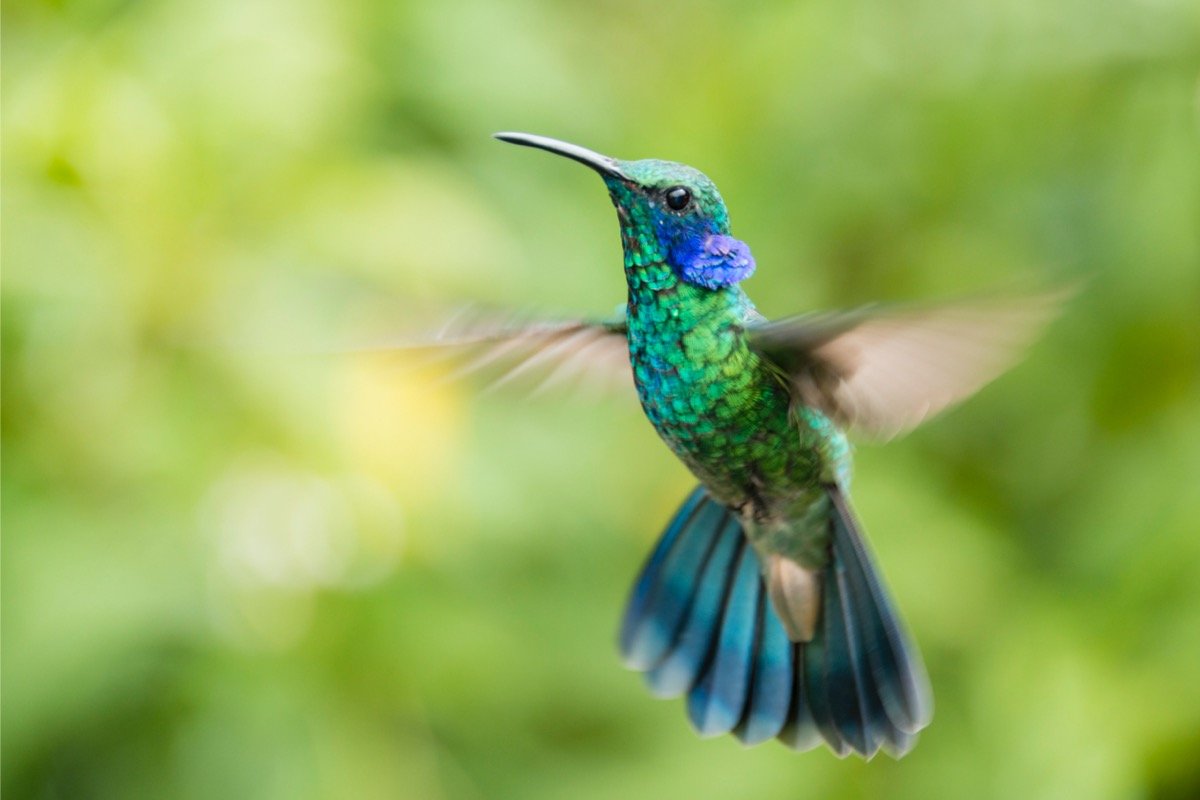
Hummingbirds are proof that nature has a flair for special effects. One second your yard is quiet; the next, a glittering speck with wings like a tiny helicopter is arguing with a salvia blossom. For backyard birdwatchers, learning the main types of hummingbirds is more than a fun identification game. It helps you understand migration, choose better plants, maintain feeders responsibly, and recognize the difference between a common summer visitor and a rare “drop everything and grab the binoculars” sighting.
Most hummingbirds in the United States are western or southwestern species, while the ruby-throated hummingbird dominates the East. Some are everyday feeder guests. Others are rare wanderers that make birders whisper excitedly in parking lots. This guide breaks down 23 hummingbird species worth knowing, with practical ID clues, habitat notes, and backyard tips that will help you turn quick flashes of color into confident observations.
Why Hummingbird Identification Can Be Tricky
Hummingbirds are small, fast, reflective, and rarely considerate enough to pose in perfect light. Their famous throat patches, called gorgets, can look black one moment and neon the next. Females and juveniles are often plainer than males, which means size, bill shape, tail color, behavior, location, and season matter just as much as sparkle. In other words, identifying hummingbirds is like solving a tiny flying puzzleexcept the puzzle has opinions and may chase other puzzles away from the feeder.
23 Types of Hummingbirds Backyard Birdwatchers Should Know
1. Ruby-Throated Hummingbird
The ruby-throated hummingbird is the superstar of eastern North America and the only hummingbird species that regularly breeds across most of the eastern United States. Males show a brilliant red throat in good light, while females have clean white throats and green backs. If you live east of the Great Plains and see a hummingbird at your summer feeder, this is usually your bird.
2. Black-Chinned Hummingbird
Common across much of the western United States, the black-chinned hummingbird is adaptable enough to use deserts, streamside woods, parks, and suburban gardens. The male’s throat often appears black, but a flash of purple at the lower edge gives away the species. Females can be subtle, so look for a neat body shape, a green back, and a habit of visiting feeders without making a grand opera out of it.
3. Anna’s Hummingbird
Anna’s hummingbird is a year-round resident along much of the Pacific Coast and has expanded with help from gardens and feeders. Males wear a rose-pink head and throat that can look almost electric. Unlike many hummingbirds, Anna’s often sings from a perch, proving that even tiny birds enjoy a dramatic balcony moment.
4. Rufous Hummingbird
The rufous hummingbird is small, fiery, and famously bold. Males glow orange-rufous with a bright orange-red throat, while females show green backs with rusty sides and tail patches. This species makes one of the most impressive migrations of any hummingbird, traveling between Mexico and breeding grounds as far north as the Pacific Northwest, western Canada, and Alaska.
5. Allen’s Hummingbird
Allen’s hummingbird looks similar to the rufous hummingbird, which is nature’s way of keeping birdwatchers humble. It breeds mainly along the California coast and into southern Oregon. Males have orange flanks, green backs, coppery tails, and glowing orange throats. In the right coastal habitat, especially chaparral and garden edges, Allen’s is a lively spring and summer visitor.
6. Broad-Tailed Hummingbird
The broad-tailed hummingbird is a mountain species of the West, often found in meadows, open forests, and high-elevation gardens. Males have a rosy-pink throat, while females are green above with pale underparts and rusty tail edges. One of the best clues is sound: males produce a metallic wing trill in flight, like a tiny wind-up toy with excellent cardio.
7. Calliope Hummingbird
The calliope hummingbird is the smallest breeding bird in the United States and Canada. Males show distinctive magenta streaks on the throat that flare outward like a miniature royal collar. This species breeds in western mountain habitats and migrates through parts of the West, where patient birdwatchers may spot it at feeders or wildflowers.
8. Costa’s Hummingbird
Costa’s hummingbird belongs to the desert Southwest, where it visits washes, scrub, and dry gardens planted with nectar-rich flowers. Males are unforgettable, with a deep purple crown and throat feathers that extend down the sides like tiny purple mustaches. Females are quieter in appearance but share the compact shape and desert-loving lifestyle.
9. Broad-Billed Hummingbird
Broad-billed hummingbirds are among the most colorful regular hummingbirds in the Southwest. Males are rich green with blue throats and long red-orange bills tipped in black. They are especially associated with Arizona and New Mexico canyons, streams, and gardens. If a jewel could drink sugar water and start a turf war, it might look like this species.
10. Buff-Bellied Hummingbird
The buff-bellied hummingbird is a specialty of South Texas and the Gulf Coast. It has a green body, warm buff belly, reddish bill, and rusty tail. Unlike many U.S. hummingbirds, it may remain in parts of its range during winter. Backyard birders in southern Texas have the best chance of seeing this handsome bird at feeders and flowering shrubs.
11. Blue-Throated Mountain-Gem
Formerly called the blue-throated hummingbird, the blue-throated mountain-gem is one of the largest hummingbirds that reaches the United States. It appears mainly in southeastern Arizona, southwestern New Mexico, and parts of Texas. Males show a bold blue throat, while both sexes have striking white facial stripes. Compared with smaller hummingbirds, this species can look almost heftyat least by hummingbird standards, which still means “weighs almost nothing.”
12. Rivoli’s Hummingbird
Rivoli’s hummingbird, once grouped under the name magnificent hummingbird, is another large southwestern species. Males have a green throat, dark body, and violet-blue crown, creating a dramatic look in mountain canyons. Females are greener and grayer, with a pale mark behind the eye. Look for Rivoli’s in shady pine-oak habitats and canyon feeders in the Southwest.
13. Violet-Crowned Hummingbird
The violet-crowned hummingbird is easier to identify than many because it skips the flashy throat and instead offers a violet cap, white underparts, and a red-orange bill with a dark tip. In the United States, it is most often associated with southeastern Arizona and occasionally southwestern New Mexico. Its clean, elegant look makes it a favorite among visiting birders.
14. Lucifer Hummingbird
The Lucifer hummingbird is a small desert and scrubland species with a curved bill and, in males, a vivid purple throat. It may appear in extreme southern Arizona, southwestern New Mexico, and west Texas. The male’s forked tail and dramatic throat color are strong clues. Despite the name, it is not evil; it is merely tiny, beautiful, and perhaps a little too stylish for its own good.
15. White-Eared Hummingbird
The white-eared hummingbird is a rare visitor to the mountains and canyons of the Southwest. Its bright white ear stripe, red-orange bill with dark tip, and green body help separate it from similar species. Males may show violet and green on the head and throat. For many U.S. backyard birdwatchers, this is a travel bird rather than a patio regular.
16. Berylline Hummingbird
Berylline hummingbirds are rare north of Mexico but occasionally appear in southeastern Arizona. They are larger than many common feeder birds, with a metallic green head, rufous wings, and warm coloring in the tail and rump. A sighting in the United States can bring excited birders from far away, so do not be surprised if one tiny bird causes a traffic jam of binoculars.
17. Mexican Violetear
The Mexican violetear, formerly known as the green violetear, is a mostly tropical species that occasionally wanders into the United States. It is bright green with violet ear patches and a bluish tail band. Most backyard birdwatchers will not see it at home, but it is worth knowing because vagrant hummingbirds can appear in surprising places.
18. Plain-Capped Starthroat
The plain-capped starthroat is a rare visitor to the U.S. Southwest, especially Arizona. It has a long, straight bill, pale underparts, greenish upperparts, and strong facial markings. Compared with the glitter-bomb look of many hummingbirds, this bird is more understated, but its long bill and rarity make it exciting for experienced observers.
19. Cinnamon Hummingbird
The cinnamon hummingbird is mostly a bird of western Mexico and Central America, but it belongs on the radar of hummingbird enthusiasts because of its warm cinnamon underparts and metallic green upperparts. It is not a typical U.S. backyard species, yet learning it helps birders understand the broader family and recognize similar rare visitors.
20. Bumblebee Hummingbird
The bumblebee hummingbird is extremely small, with males showing a magenta throat and females appearing more subdued. It is mainly found in Mexico and only rarely reported north of the border. Its name fits perfectly: watching one would feel like spotting a bee that went to bird school and graduated with honors.
21. Amethyst-Throated Mountain-Gem
The amethyst-throated mountain-gem is primarily found in Mexico and Central America. Males have a brilliant amethyst throat, while females are more muted. Although not a regular U.S. backyard bird, it is useful to know for anyone exploring hummingbirds beyond the most familiar North American species.
22. Xantus’s Hummingbird
Xantus’s hummingbird is native to the Baja California peninsula. It has a green body, reddish bill with a dark tip, and a bold white stripe above a darker facial line. Rare wanderers can appear outside the normal range, but most birdwatchers encounter this species while traveling. It is a good reminder that hummingbird diversity explodes just south of the U.S. border.
23. Green-Breasted Mango
The green-breasted mango is a tropical hummingbird that has very rarely been recorded in places such as Texas. Males show green upperparts and a dark central throat and chest, while females have pale underparts with a dark stripe. It is not a normal backyard species for most Americans, but it earns a spot on the “know it just in case” list because rare hummingbirds have a delightful habit of turning ordinary yards into birding events.
How to Attract Hummingbirds to Your Backyard
Plant Native Nectar Flowers
The best hummingbird garden is not just a feeder hanging from a hook. It is a buffet with roots. Native plants provide nectar and support tiny insects, which hummingbirds need for protein. Good choices vary by region, but many bird-friendly gardens include bee balm, cardinal flower, trumpet honeysuckle, columbine, salvia, penstemon, native sages, and trumpet-shaped blooms. Red and orange tubular flowers are famous hummingbird magnets, but do not ignore purple, pink, and yellow nectar plants.
Use Feeders the Right Way
A safe hummingbird nectar recipe is simple: one part plain white sugar to four parts water. Stir until dissolved, cool if heated, and fill a clean feeder. Skip red dye, honey, brown sugar, artificial sweeteners, and fancy “miracle” mixes. Hummingbirds are already impressive enough; they do not need a sports drink. In hot weather, change nectar frequently and clean feeders thoroughly to prevent mold and fermentation.
Create Shelter, Perches, and Water
Hummingbirds spend plenty of time resting between feeding flights. Small trees, shrubs, and thin branches near flowers or feeders give them safe perches. A fine mister or gentle moving water can also attract them, since they often prefer mist to deep birdbaths. Keep feeders away from stalking cats and reduce window collision risks by placing feeders thoughtfully and using window decals or screens where needed.
Backyard Experience: What Hummingbirds Teach Patient Birdwatchers
The first lesson of hummingbird watching is that the bird is always faster than your camera. You will hear a buzz, turn your head, lift the phone, and capture a beautiful photograph of absolutely nothing. Do not be discouraged. This is part of the initiation ceremony. Hummingbirds reward patience, routine, and a little humility.
A good backyard setup starts with consistency. Put the feeder where you can see it from a window, but close enough to shrubs or small trees that birds have resting cover. Add nectar flowers in clusters rather than scattering one plant here and one plant there. A hummingbird flying over your yard is more likely to notice a bold patch of red bee balm or salvia than a lonely flower trying to advertise by itself.
Keep a simple notebook or phone log of first arrivals, last sightings, feeder activity, weather, and flowers in bloom. After a season or two, patterns emerge. You may notice that ruby-throated hummingbirds return around the same part of spring, that activity spikes before migration, or that one male thinks the entire feeder belongs to him because apparently he signed a deed when nobody was looking.
Territorial behavior is normal. If one hummingbird guards a feeder like a tiny emerald security guard, try hanging a second feeder out of sight of the first. This does not eliminate dramahummingbirds invented dramabut it can give more birds a chance to feed. Place feeders in partial shade when possible so nectar stays fresh longer, and clean them more often during hot weather.
The best experiences often happen when you stop trying so hard. Sit quietly near the garden in the morning or evening. Watch how a hummingbird checks each flower, pauses on a twig, then vanishes with impossible speed. Notice how light changes the gorget from dark to flaming color. Listen for wing trills, chips, squeaks, and sudden aerial chases. Backyard birdwatching is not only about naming species; it is about learning the rhythms of a small wild visitor that weighs less than a coin yet crosses landscapes with astonishing confidence.
Over time, hummingbirds turn a yard into a living calendar. Spring arrivals feel like a celebration. Summer feeder battles become neighborhood entertainment. Fall departures bring a small, sincere sadness, followed by the gardener’s annual promise: next year, more native flowers. And that is the real magic of hummingbirds. They make people pay attentionto plants, seasons, migration, and the fact that a backyard can become habitat when we treat it as more than outdoor decoration.
Conclusion
Knowing these 23 types of hummingbirds gives backyard birdwatchers a stronger eye for color, shape, range, and behavior. Some species, like ruby-throated, Anna’s, black-chinned, rufous, and broad-tailed hummingbirds, are realistic feeder visitors for many Americans. Others, such as berylline, violet-crowned, Lucifer, and green-breasted mango, are regional specialties or rare surprises. Together, they show how diverse and dazzling hummingbirds can be.
To welcome them responsibly, focus on native nectar plants, clean feeders, safe sugar-water, shelter, and pesticide-free habitat. Then keep watching. The next glittering blur at your feeder may be common, rare, or simply too fast to identify on the first trybut either way, it is worth the wait.
Note: This article is written in original language for web publication and is based on real hummingbird identification, habitat, migration, and feeder-care information from reputable birding, conservation, and gardening references.