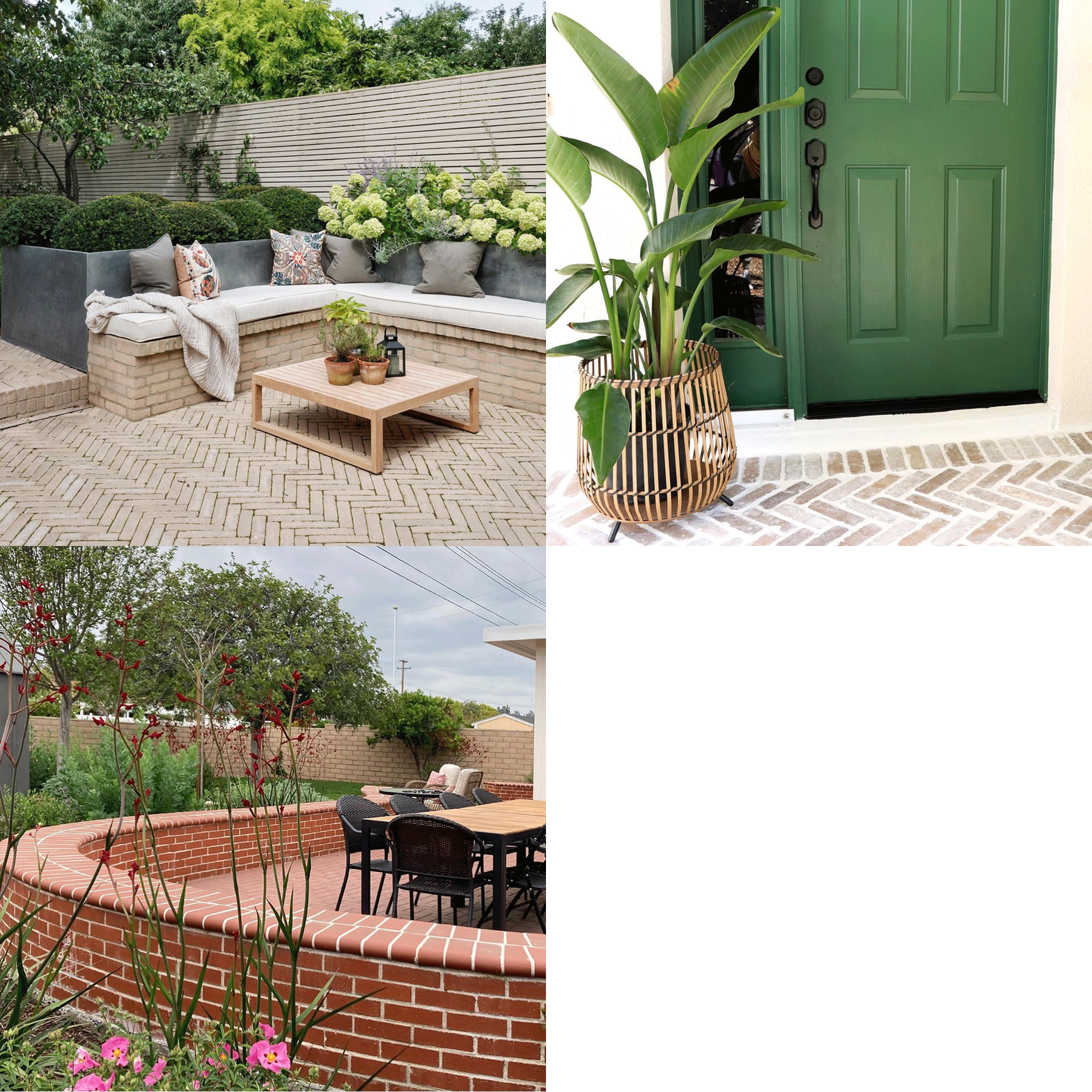
A brick patio has a rare talent: it can look established on day one and even better after ten years of cookouts, thunderstorms, and wandering flowerpots. Warm color, human-scale texture, and dozens of laying patterns make brick suitable for everything from a formal Georgian garden to a compact modern courtyard.
The best brick patio ideas are not merely attractive photographs translated into a backyard. They respond to the architecture, available space, drainage, climate, and way people actually live outdoors. Whether you want a dining terrace, a fire-pit retreat, or a two-chair escape from the household, the following designs combine lasting style with practical planning.
What to Consider Before Choosing a Brick Patio Design
Use genuine paving brick
Clay paving bricks are manufactured for horizontal surfaces, foot traffic, moisture, and outdoor temperature changes. Ordinary wall bricks may be too porous or fragile for a patio, especially where repeated freezing and thawing occur. Look for products specifically labeled as outdoor clay pavers and suitable for your regional climate.
Plan the patio around real furniture
Sketch the table, grill, lounge chairs, and walking routes before determining the patio dimensions. Allow room for dining chairs to slide backward without sending guests into a flower bed. A clear route about 36 inches wide is comfortable in many residential layouts, while larger circulation areas are helpful near doors, grills, and steps.
Give water somewhere sensible to go
A beautiful pattern cannot rescue a weak foundation. A brick patio generally needs excavated soil, a properly compacted aggregate base, a leveled bedding layer, secure edge restraints, and filled joints. The finished surface must pitch gently away from the houseoften approximately 1/8 to 1/4 inch per foot, depending on site conditions and local requirements. Drainage is not glamorous, but neither is a puddle occupying your favorite chair.
1. Classic Herringbone Patio With a Contrasting Border
Herringbone is one of the most recognizable brick patio patterns. Rectangular pavers meet at right angles to create a lively zigzag that appears to move across the ground. Because the units interlock visually and physically, the pattern works particularly well in busy entertaining areas.
For a polished finish, surround the herringbone field with a soldier-course border, meaning the border bricks sit side by side with their narrow ends facing the patio. Choose a darker brick for definition or use the same color to keep the design restrained. A 45-degree herringbone layout can make a narrow yard feel wider, although it usually involves more perimeter cuts than a square layout.
Best for traditional and transitional homes
Pair red or burgundy brick with black metal furniture, cream cushions, clipped shrubs, and warm landscape lighting. The result feels elegant without becoming stiff. It is the patio equivalent of a well-tailored jacket that does not mind holding a plate of barbecue.
2. Circular Brick Patio Around a Fire Pit
A circular patio naturally encourages conversation because every seat faces the center. Use radial brick courses, concentric rings, or a rectangular field enclosed by a circular border. The curved outline also softens a boxy backyard and creates a distinct destination away from the house.
Make the fire feature a deliberate part of the plan rather than dropping a metal bowl into the middle afterward. Leave generous circulation space between the fire and seating, follow the appliance manufacturer’s clearances, and check local fire restrictions. A built-in pit should have an appropriate fire-rated liner and materials approved for high heat; ordinary patio pavers should not automatically be treated as firebox bricks.
Create an evening-ready retreat
Adirondack chairs, low-voltage path lights, and a gravel or brick walkway turn the circle into a backyard getaway. Keep overhanging branches, fences, roofs, and combustible furniture safely outside required clearance areas.
3. Reclaimed-Brick Cottage Courtyard
Reclaimed brick brings instant patina. Variations in color, softened edges, and old markings can make a new patio feel as though it has hosted lemonade since the invention of lemons. This approach is especially compatible with cottages, farmhouses, Craftsman homes, and older urban properties.
Use a relaxed basket-weave or running-bond pattern and let small tonal differences provide the interest. Surround the patio with hydrangeas, roses, catmint, herbs, or ornamental grasses. A vintage-style bench and weathered terra-cotta pots will reinforce the lived-in character.
Inspect old brick before installation
Not every salvaged brick belongs underfoot. Confirm that reclaimed units are sound, relatively consistent in thickness, and appropriate for exterior paving in your climate. Bricks with extensive cracks, spalling, or soft faces may continue deteriorating. Purchase extra material because an exact historical match can be harder to find than a quiet leaf blower.
4. Modern Brick Patio in a Restrained Color Palette
Brick does not have to look rustic. Charcoal, brown, gray, cream, or muted red pavers can create a clean contemporary surface when installed in a simple running bond or stack-inspired grid. Crisp edges and a limited palette allow the geometry to take center stage.
Continue the straight lines with rectangular steel planters, low-profile furniture, and architectural grasses. Matte-black lighting or a cedar privacy screen supplies contrast without adding visual clutter. If the house already has brickwork, compare samples outdoors rather than attempting a nearly identical match from memory. A deliberate contrast usually looks better than a match that is just slightlyand permanentlywrong.
Use repetition to unify the space
Repeat one brick color in a step, low seat wall, planter edge, or outdoor-kitchen facade. Two or three coordinated appearances create unity; covering every visible surface in brick may make the yard feel like it is preparing to become a train station.
5. Brick-and-Gravel Patio for Casual Outdoor Living
Combining brick with gravel reduces the amount of solid paving while creating attractive contrast. Use brick to form a dining pad, broad border, stepping route, or series of geometric “rugs,” then fill neighboring areas with compacted gravel. This hybrid design is well suited to informal gardens and budgets that need to stretch.
The two materials must be separated with dependable edging so gravel does not migrate across the brick. Select a small, angular aggregate that compacts more securely than round pea gravel, particularly beneath tables and frequently used chairs. If anyone in the household uses a wheelchair, walker, or unsteady footwear, keep the primary route on a firm, smooth, stable surface.
Let the materials define activity zones
Brick can mark the dining area while gravel identifies a lounge or container garden. Repeating the same brick in nearby paths and bed edging ties the backyard together without making every square foot identical.
6. Garden-Integrated Brick Patio With Planted Joints
For a romantic, softened appearance, leave selected joints wider and introduce low-growing plants between the bricks. Creeping thyme, miniature sedums, and other durable groundcovers can blur the boundary between patio and garden. The plants must suit the site’s sunlight, rainfall, foot traffic, and regional growing conditions.
This treatment works best around lightly traveled edges or between widely spaced brick bandsnot beneath the busiest chair legs. Provide planting media and irrigation appropriate to the species, and avoid polymeric joint sand in areas intended for living plants. Expect occasional trimming and weeding; “natural” does not mean the garden elves handle maintenance after midnight.
Balance softness with safe footing
Keep main walking routes level and relatively tight-jointed. Place fuller planting near borders, where foliage can spill gently onto the paving without creating a trip hazard. Remove moss or algae if the surface becomes slippery.
7. Multi-Zone Brick Patio With Dining and Lounging Areas
A large brick patio becomes more inviting when divided into outdoor rooms. Position dining near the kitchen door, place lounging where the view is strongest, and keep the grill where smoke and heat will not invade either space. A change in brick pattern or border direction can distinguish each zone without building walls.
For example, install running bond beneath the dining table and herringbone beneath the lounge furniture, then connect both with a matching soldier-course border. A pergola can create shade and a sense of enclosure over one portion of the patio. Confirm footing locations before laying brick so posts do not become an expensive afterthought.
Design for conversation and circulation
Arrange lounge chairs close enough for comfortable conversation and leave an unobstructed route between the house, table, and yard. Built-in seat walls can save space, but add cushions or a smooth cap so guests do not spend dinner negotiating with sharp masonry.
8. Small Brick Bistro Patio With an Inlaid “Rug”
A small yard does not need a small personality. Create a compact square or rectangular patio sized for two to four seats, then use a border or contrasting center panel to imitate an outdoor rug. The inlay supplies visual structure without introducing fabric that must be rescued whenever the forecast develops opinions.
Running bond laid lengthwise can visually extend a narrow space, while diagonal herringbone adds width and energy. Choose folding chairs, a pedestal table, wall-mounted lighting, and rectangular planters that preserve floor area. A low brick wall can provide privacy and occasional seating if the site and local rules allow it.
Connect the patio to the house
Align the bistro area with a door, window, or important garden view. Borrow one color from the home’s exterior trim and repeat it in cushions or containers. This simple relationship makes even a modest DIY brick patio feel intentional rather than stranded in the lawn.
How to Choose the Best Idea for Your Yard
Begin with function. A family that eats outdoors twice a week needs a different layout from a couple seeking a quiet coffee corner. Then consider architectural style, sunlight, tree roots, utilities, elevation changes, and the direction of stormwater. Order brick samples and observe them in morning sun, afternoon shade, and wet conditions because clay colors can shift dramatically with the light.
Also decide whether the installation should be dry-laid or mortared. A dry-laid patio on a prepared aggregate and sand base is often more approachable for experienced DIYers and makes individual pavers easier to replace. Mortared construction may be appropriate over a properly designed slab, but cracks and drainage issues require more complicated repairs. Soil conditions, frost depth, patio size, and local construction practices should guide the final assembly.
Whichever design wins, do not economize on excavation, compaction, edge restraint, or grading. Patterns supply the charm; the hidden foundation keeps that charm from developing waves.
Conclusion
The best brick patio ideas combine a strong visual identity with comfortable everyday use. Herringbone creates classic energy, circular layouts invite conversation, reclaimed pavers bring history, and modern brick proves that clay is not limited to traditional gardens. Mixed materials, planted joints, multiple activity zones, and compact bistro layouts offer equally useful solutions for different yards.
Choose outdoor-rated paving brick, coordinate it with the house, and build the surface on a stable, well-drained foundation. When those essentials are handled correctly, brick will age with character rather than simply getting old.
Practical Experience: Lessons That Make a Brick Patio Better
One of the most valuable lessons in brick patio planning is to test the layout at full scale. Measurements on paper can look generous, yet a table, six chairs, and a grill have a sneaky way of consuming an entire terrace. Before excavation, mark the perimeter with stakes and string or washable marking paint. Set actual furniture inside the outline, pull out every chair, and walk through the routes people will use. This simple rehearsal often reveals that the patio needs another two feet near the dining area but can lose a foot along an unused edge.
Brick selection deserves the same hands-on treatment. Samples that appear deep red beneath showroom lighting may look orange in direct sun or nearly brown after rain. Place several units beside the house for a few days. Compare them with siding, roofing, stonework, and interior flooring visible through adjacent doors. Mixed-color lots should be blended during installation by pulling pavers from several cubes or pallets. Otherwise, the patio may develop accidental color islands that resemble a masonry weather map.
During installation, precision matters most in the base rather than in obsessive arguments over tiny surface variations. Excavate to the required depth, remove organic topsoil, and compact the aggregate in manageable lifts. Dumping all the base material into the hole and compacting only the top can leave weaker material underneath. Use string lines and a long level or screed rails to maintain the planned pitch. Recheck the height near doors and thresholds so the finished surface remains below vulnerable building materials and does not direct water toward the house.
It is also wise to lay out several rows before making numerous cuts. Brick patterns can drift, especially herringbone, and a small alignment error becomes surprisingly ambitious across a wide patio. Establish square reference lines, work from a dependable edge, and periodically measure back to the baseline. Save cuts for the perimeter whenever possible, where a secure border can hold them in place.
After the patio is installed, keep several unused pavers in a dry, labeled storage area. Years later, a stained or damaged unit can be lifted and replaced without launching a nationwide search for a discontinued shade of colonial red. Routine care is usually straightforward: sweep away leaves, remove weeds early, replenish joint material when needed, and clean stains with the gentlest effective method. Aggressive pressure washing can erode joints or damage softer brick faces, so begin with water, a suitable cleaner, and a stiff nonmetallic brush.
Finally, live with the finished space before purchasing every decorative accessory. Watch how shade moves, where guests naturally gather, and which path everyone takes despite your carefully imagined route. Add lighting, planters, and extra seating in response to those habits. A successful patio is not merely a flawless brick pattern; it is a place that makes going outside feel like the easiest decision of the day.