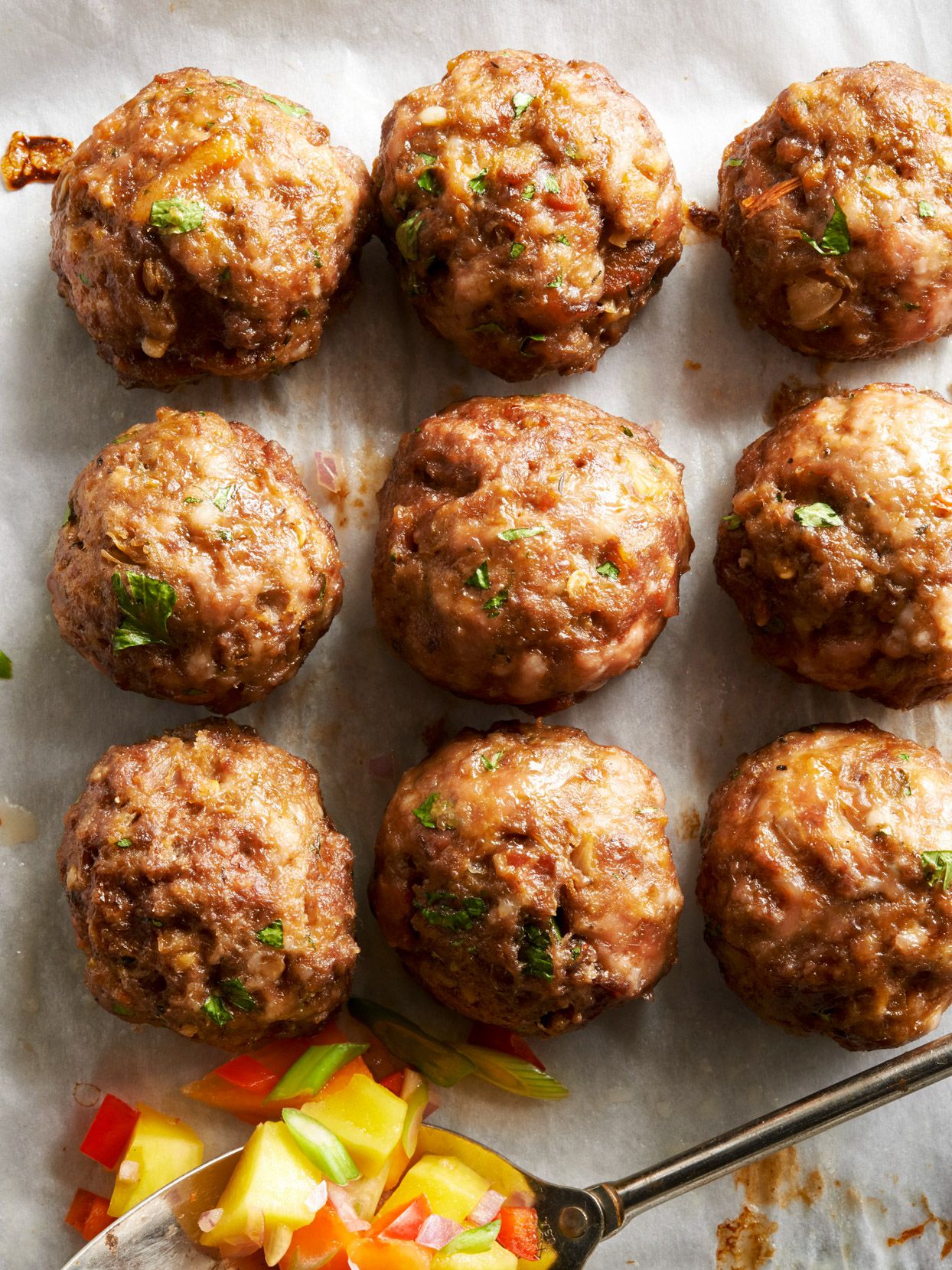
Some recipes arrive wearing a tuxedo. Others show up in sweatpants, carrying a bowl of spaghetti, and somehow become everyone’s favorite guest. This basic meatballs recipe belongs firmly in the second group: simple, dependable, cozy, and surprisingly impressive for something made from ground meat, breadcrumbs, eggs, milk, and seasonings.
The beauty of homemade meatballs is that they do not require culinary gymnastics. You do not need a pasta-making machine, a grandmother named Nonna, or a mysterious copper pot that has been passed down since 1894. You need a mixing bowl, a baking sheet or skillet, and a few practical techniques that keep the meatballs juicy instead of bouncy, flavorful instead of bland, and firm enough to hold together without turning into tiny meat-flavored golf balls.
This recipe is designed for weeknight dinners, meal prep, spaghetti night, meatball subs, appetizer platters, or the kind of “I just need something good” dinner that rescues a long day. It uses easy-to-find ingredients and gives you flexible cooking options, including baking, pan-searing, and simmering in sauce. Once you learn the basic method, you can turn it into Italian-style meatballs, Swedish-inspired meatballs, turkey meatballs, party meatballs, or freezer-friendly meal prep heroes.
Why This Basic Meatballs Recipe Works
Great meatballs are all about balance. Ground meat brings flavor and structure. Breadcrumbs and milk create moisture. Egg helps bind everything together. Parmesan cheese, garlic, onion, herbs, salt, and pepper make the mixture taste like dinner instead of a school cafeteria memory.
The biggest mistake people make with meatballs is overmixing. When ground meat is handled too aggressively, the proteins tighten and the finished meatballs can become dense. A gentle hand keeps the texture tender. Think “folding laundry,” not “kneading bread like it owes you money.”
The second secret is moisture. Dry breadcrumbs alone can pull moisture from the meat, but when combined with milk, they become a soft binder called a panade. This simple mixture helps meatballs stay juicy as they cook. It is one of those quiet kitchen tricks that looks boring in the bowl but makes a big difference on the plate.
Basic Meatballs Recipe Overview
Prep Time
15 minutes
Cook Time
18 to 25 minutes, depending on size and cooking method
Total Time
About 40 minutes
Yield
About 24 medium meatballs, serving 4 to 6 people
Best For
Spaghetti and meatballs, meatball subs, appetizers, baked meatballs, freezer meals, family dinners, and quick weeknight cooking.
Ingredients for Basic Homemade Meatballs
- 1 pound ground beef, preferably 80% to 85% lean
- 1/2 cup plain breadcrumbs or panko breadcrumbs
- 1/3 cup whole milk
- 1 large egg, lightly beaten
- 1/3 cup grated Parmesan cheese
- 2 tablespoons finely chopped parsley
- 2 cloves garlic, minced
- 1/4 cup finely grated or minced onion
- 1 teaspoon kosher salt
- 1/2 teaspoon black pepper
- 1 teaspoon Italian seasoning
- 1 tablespoon olive oil, if pan-searing
- 2 to 3 cups marinara sauce, optional for simmering
Ingredient Notes and Easy Substitutions
Ground Beef
Ground beef with a little fat makes juicier meatballs. Very lean beef can work, but it may produce a drier result. For classic flavor, 80/20 ground beef is a strong choice. For a richer blend, use half ground beef and half ground pork.
Breadcrumbs
Plain breadcrumbs give the meatballs structure without overpowering the seasoning. Panko breadcrumbs create a slightly lighter texture. Fresh breadcrumbs also work beautifully if you have a slice of bread that has been waiting for its big break.
Milk
Milk softens the breadcrumbs and helps create a tender bite. Whole milk adds a little richness, but 2% milk is fine. For dairy-free meatballs, use unsweetened oat milk, broth, or water.
Egg
Egg acts as a binder. One egg is enough for one pound of ground meat. Too much egg can make the meatballs rubbery, and nobody wants a meatball that bounces back emotionally and physically.
Parmesan Cheese
Parmesan adds salty, savory depth. Freshly grated Parmesan melts into the mixture better, but pre-grated Parmesan can work in a busy kitchen. This is a basic meatballs recipe, not a courtroom drama.
Garlic, Onion, and Herbs
Garlic and onion add backbone flavor. Finely grating the onion helps it blend smoothly into the meat mixture and adds moisture. Parsley brightens the flavor, while Italian seasoning brings oregano, basil, thyme, and other familiar herbs into the mix.
How to Make Basic Meatballs
Step 1: Make the Breadcrumb Mixture
In a large mixing bowl, combine the breadcrumbs and milk. Let the mixture sit for 3 to 5 minutes, until the breadcrumbs absorb the liquid and soften. This quick step helps prevent dry meatballs and gives the final texture a more tender bite.
Step 2: Add the Flavor Ingredients
Add the beaten egg, Parmesan cheese, parsley, garlic, onion, salt, pepper, and Italian seasoning to the breadcrumb mixture. Stir until everything is evenly combined. Mixing the seasonings before adding the meat helps distribute flavor more evenly, so one meatball does not taste like garlic fireworks while another tastes like plain Tuesday.
Step 3: Add the Ground Meat
Add the ground beef to the bowl. Use clean hands or a fork to gently combine the mixture. Stop as soon as the ingredients are evenly mixed. Do not squeeze, mash, or overwork the meat. A light touch keeps the meatballs tender.
Step 4: Shape the Meatballs
Scoop the mixture into 1 1/2-inch balls, about 2 tablespoons each. Lightly dampen your hands with water to prevent sticking. Place the shaped meatballs on a plate or parchment-lined baking sheet. Try to keep them similar in size so they cook evenly.
Step 5: Cook the Meatballs
You have three reliable options: bake them, pan-sear them, or simmer them in sauce after browning. Baking is easiest for hands-off cooking. Pan-searing creates a deeper browned crust. Simmering in sauce gives the meatballs extra flavor and moisture.
Cooking Method 1: Baked Meatballs
Preheat the oven to 400°F. Line a baking sheet with parchment paper or lightly grease it. Arrange the meatballs in a single layer with a little space between them. Bake for 18 to 22 minutes, or until browned and cooked through.
Baking is the best method when you want easy cleanup or are making a large batch. It is also excellent for meal prep because you can cook all the meatballs at once instead of babysitting a skillet.
Cooking Method 2: Pan-Seared Meatballs
Heat 1 tablespoon olive oil in a large skillet over medium heat. Add the meatballs in a single layer, leaving room between them. Cook for 8 to 10 minutes, turning occasionally, until browned on several sides. Reduce the heat if they brown too quickly.
After browning, you can finish them in marinara sauce. Add sauce to the skillet, cover, and simmer for 10 to 15 minutes, until the meatballs are fully cooked. This method gives you browned flavor plus saucy comfort, which is basically the dinner version of a warm blanket.
Cooking Method 3: Meatballs Simmered in Sauce
For extra-tender meatballs, brown them first in a skillet, then gently simmer them in marinara sauce. Browning adds flavor, while simmering keeps the meatballs moist and helps the sauce absorb savory richness from the meat.
Avoid boiling the sauce aggressively. A gentle simmer is enough. If the sauce bubbles like a volcano in a cartoon, lower the heat. Meatballs prefer a spa day, not a lava bath.
Food Safety Tip
Ground beef meatballs should reach an internal temperature of 160°F. Use an instant-read thermometer inserted into the center of a meatball for the most reliable result. If you use ground turkey or ground chicken, cook them to 165°F. This keeps the recipe safe while still allowing the meatballs to stay juicy when cooked properly.
What to Serve With Basic Meatballs
The most famous pairing is spaghetti and marinara sauce, and honestly, classics become classics for a reason. Serve the meatballs over spaghetti, linguine, rigatoni, or penne with extra Parmesan and fresh basil.
For meatball subs, tuck warm meatballs into toasted rolls, spoon marinara over the top, add mozzarella or provolone, and broil briefly until the cheese melts. This is not just a sandwich; it is a personal achievement.
For appetizers, make smaller meatballs and serve them with toothpicks and warm sauce on the side. You can also serve meatballs with mashed potatoes, roasted vegetables, rice, polenta, garlic bread, or a crisp green salad.
How to Store and Reheat Meatballs
Store cooked meatballs in an airtight container in the refrigerator for 3 to 4 days. If they are stored in sauce, they often taste even better the next day because the flavors have time to mingle. Reheat gently on the stovetop, in the oven, or in the microwave.
To freeze meatballs, let them cool completely first. Arrange them in a single layer on a baking sheet and freeze until firm. Then transfer them to a freezer bag or airtight container. This prevents them from freezing into one giant meatball iceberg. Frozen cooked meatballs are excellent for fast dinners and can usually be reheated directly in sauce.
Common Meatball Mistakes to Avoid
Overmixing the Meat
Mix only until the ingredients come together. Overmixing creates a compact texture.
Skipping the Milk and Breadcrumbs
The breadcrumb and milk mixture adds tenderness. Without it, meatballs can become dry or crumbly.
Making Uneven Sizes
Large and small meatballs on the same pan will cook at different speeds. Use a cookie scoop for consistency.
Not Seasoning Enough
Ground meat needs salt, herbs, garlic, and savory ingredients. If you are unsure, cook a tiny test patty before shaping the whole batch and adjust the seasoning as needed.
Cooking at Too High a Heat
High heat can burn the outside before the inside is done. Medium heat for pan-searing and a moderate oven temperature for baking are safer bets.
Easy Variations
Italian-Style Meatballs
Add extra Parmesan, fresh basil, oregano, and a pinch of crushed red pepper flakes. Simmer in marinara and serve with pasta.
Turkey Meatballs
Use ground turkey instead of beef. Add an extra tablespoon of olive oil or a little grated onion to help keep the mixture moist.
Cheesy Meatballs
Press a small cube of mozzarella into the center of each meatball before cooking. Seal the meat around the cheese completely so it does not escape like a tiny dairy fugitive.
Gluten-Free Meatballs
Use gluten-free breadcrumbs or crushed gluten-free crackers. Make sure any sauce or seasoning blend you use is also gluten-free.
Spicy Meatballs
Add crushed red pepper flakes, cayenne, or finely chopped Calabrian chiles. Start small; you can always add more heat, but you cannot politely remove fire from dinner.
Experience Notes: What I’ve Learned From Making Basic Meatballs Again and Again
The first thing experience teaches you about meatballs is that simple does not mean careless. A basic meatballs recipe can taste better than a complicated one when the small details are handled well. The difference between “pretty good” and “where have these been all my life?” often comes down to moisture, mixing, size, and patience.
One of the most useful lessons is to prepare the binder before adding the meat. When breadcrumbs have a few minutes to absorb milk, they become soft and almost creamy. That texture spreads through the meat mixture and helps every bite feel tender. If you dump dry breadcrumbs straight into the ground beef and start mixing, they may not hydrate evenly. Some parts can turn dry while others stay too wet. Giving the breadcrumbs a short soak is a small step that pays rent.
Another lesson is that your hands are the best mixing tool, but they must behave themselves. Hands can feel when the mixture is combined, which makes them better than a spoon for this job. However, it is easy to keep squeezing and folding long after the mixture is ready. Stop when the ingredients look evenly distributed. The meatball mixture should feel cohesive but not paste-like. If it looks like something that could be used to patch a wall, you have gone too far.
Size also matters more than people expect. Large meatballs feel dramatic, and yes, they look impressive sitting on pasta like delicious little planets. But smaller or medium meatballs are easier to cook evenly. A 1 1/2-inch meatball is a practical sweet spot: big enough to stay juicy, small enough to cook through without drying out. For appetizers, go smaller. For subs, slightly larger meatballs work well, especially if you plan to slice them in half before loading the roll.
Baking meatballs is the method I recommend for beginners because it is predictable and low-stress. You can shape the batch, slide the pan into the oven, and clean up while they cook. Pan-searing creates a better crust, but it also requires more attention. If the skillet is crowded, the meatballs steam instead of brown. If the heat is too high, the outside darkens too quickly. If you try to turn them too soon, they may stick. Pan-searing is worth learning, but baking is the friendly neighbor who returns your lawn tools.
When serving meatballs with sauce, I like to finish them in the sauce for at least 10 minutes. Even baked meatballs benefit from a short simmer. The sauce clings better, the flavor deepens, and the meatballs become more relaxed in texture. The key is gentle heat. A slow bubble is perfect. A roaring boil can make the meatballs tough and may cause them to break apart.
For meal prep, cooked meatballs are one of the most useful freezer foods. Freeze them separately first, then bag them. Later, you can drop a handful into marinara, soup, gravy, or even a quick skillet meal. This turns future dinner into a much smaller problem. And honestly, any recipe that helps Future You eat well deserves applause.
Finally, do not be afraid to taste and adjust. Since raw ground meat should not be tasted, cook a tiny spoonful of the mixture in a skillet before shaping the full batch. This little test tells you whether the salt, garlic, herbs, and cheese are balanced. It feels like an extra step until it saves you from 24 underseasoned meatballs. Then it feels like wisdom.
Conclusion
A basic meatballs recipe should be easy, flexible, and delicious enough to earn a permanent place in your dinner routine. With ground beef, breadcrumbs, milk, egg, Parmesan, garlic, onion, herbs, and a gentle mixing technique, you can make tender homemade meatballs without stress. Bake them for convenience, pan-sear them for deeper flavor, or simmer them in marinara sauce for classic comfort food.
Once you master the base recipe, the variations are endless. Serve them over spaghetti, tuck them into subs, freeze them for busy nights, or turn them into appetizers for a crowd. The humble meatball may not look fancy, but it knows exactly how to make dinner better.
SEO Tags
Note: This article is written as original, publication-ready web content based on widely accepted U.S. cooking practices and food-safety guidance, with no embedded citation markers or unnecessary publishing artifacts.