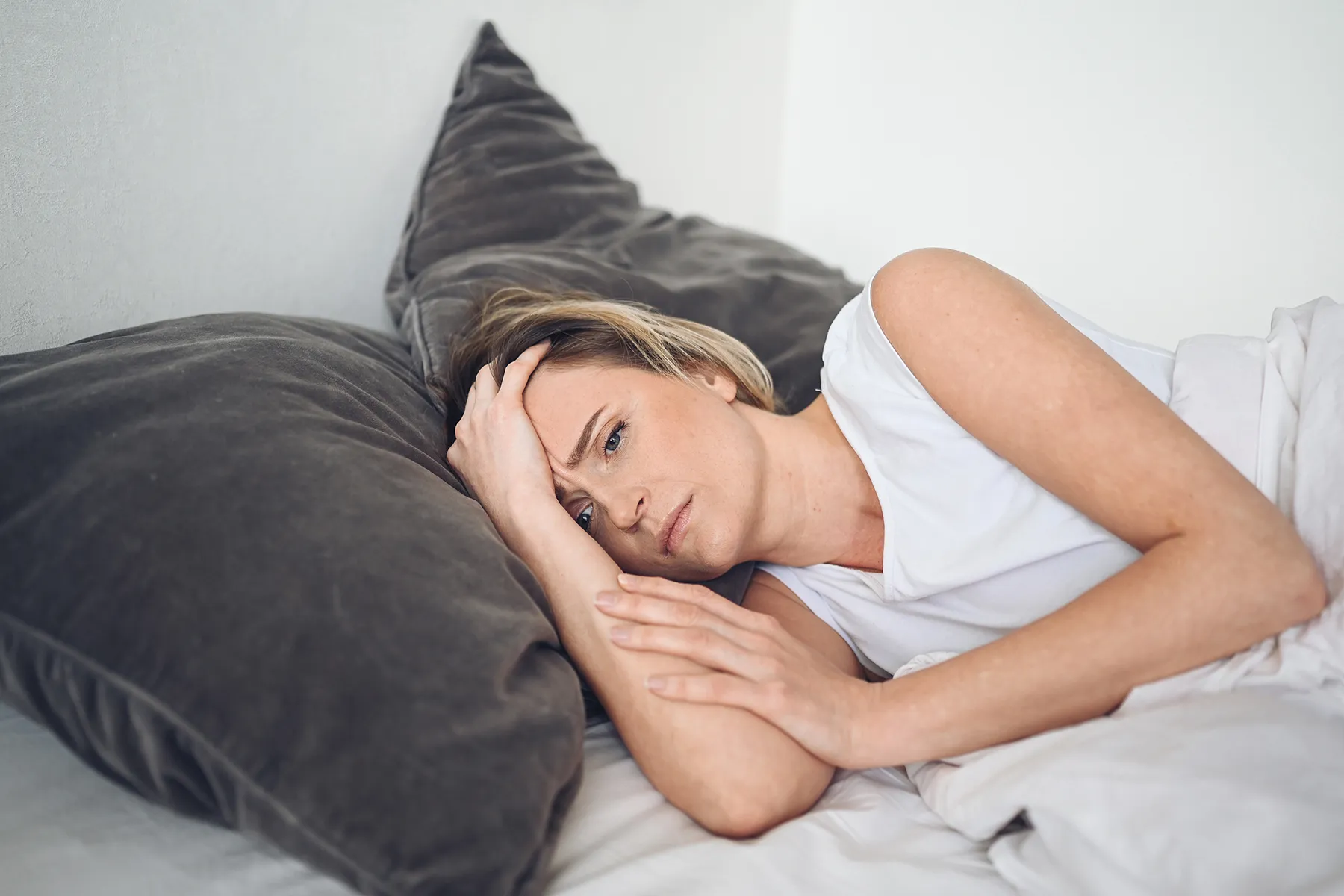
There is a special kind of betrayal that happens when your body is exhausted, your pillow is perfectly fluffed, the room is dark, and your brain suddenly decides it is the ideal time to review every awkward sentence you have ever said since 2009. Welcome to sleeping with anxiety: the nightly board meeting nobody scheduled, nobody enjoys, and somehow your brain still insists on chairing.
Sleeping with anxiety is more than “having a lot on your mind.” Anxiety can make it harder to fall asleep, stay asleep, or wake up feeling rested. Poor sleep can then make anxiety feel louder the next day, creating a loop that feels like a hamster wheel powered by caffeine, worry, and one suspiciously bright phone screen. The good news is that this cycle can be interrupted. With the right habits, practical stress tools, and medical support when needed, better sleep is possible.
This health check explains why anxiety disrupts sleep, what symptoms to watch for, how to calm racing thoughts at night, and when to reach out for professional help. No magic wand required. A consistent bedtime routine, however, may be involved.
What Does “Sleeping With Anxiety” Actually Mean?
Sleeping with anxiety means trying to rest while your nervous system is still acting as if a bear, unpaid bill, work deadline, or mysterious email subject line is chasing you. Anxiety activates the body’s stress response. Heart rate may rise, breathing may become shallow, muscles may tense, and thoughts may speed up. Those reactions are useful if you need to escape real danger. They are less useful when the “danger” is tomorrow’s meeting, a social interaction from last week, or the possibility that you forgot to turn off the oven even though you checked it twice.
Sleep anxiety is a related pattern where a person becomes anxious about sleep itself. Instead of worrying only about work, health, relationships, or finances, the person begins worrying about whether they will sleep. The bed becomes less of a sanctuary and more of a performance review: “Will I fall asleep? What if I don’t? How many hours are left? Why am I still awake?” That pressure can make sleep even harder.
Why Anxiety Gets Louder at Night
During the day, distractions are everywhere. Emails arrive. People talk. Tasks demand attention. At night, the noise drops, the lights dim, and the mind finally has open space. Unfortunately, anxiety sees open space and thinks, “Perfect, let’s unpack every possible disaster.”
Several factors explain why anxiety often feels worse at bedtime:
1. Your Brain Finally Has Quiet Time
When external distractions disappear, internal worries become easier to hear. Thoughts that were pushed aside during the day can surface at bedtime. This is why many people feel fine at 3 p.m. but suddenly become amateur philosophers of doom at 11:47 p.m.
2. The Body Is Still Physically Alert
Anxiety can keep the body in a state of hyperarousal. That may include tense muscles, a racing heart, sweating, stomach discomfort, or shallow breathing. Sleep requires the body to shift into a calmer state. Anxiety keeps tapping the brakes and gas pedal at the same time.
3. Poor Sleep Makes Anxiety Worse
Sleep helps regulate mood, attention, memory, and emotional control. When sleep is short or broken, the brain has less capacity to manage stress. Small problems may feel bigger. Annoyances may feel personal. The next night, anxiety may increase again because the body is overtired. And the loop continues, like a very boring sequel nobody asked for.
4. The Bed Becomes Linked With Worry
If you spend many nights tossing, checking the clock, scrolling, worrying, or fighting sleep, your brain can start associating the bed with wakefulness. This is why sleep experts often recommend using the bed mainly for sleep and intimacy, not for doom-scrolling, work emails, arguments, or dramatic life audits.
Common Signs of Anxiety-Related Sleep Problems
Anxiety does not affect everyone’s sleep in the same way. Some people cannot fall asleep. Others fall asleep quickly but wake at 2 or 3 a.m. with their brain suddenly broadcasting in high definition. Some sleep for eight hours but wake up feeling like they spent the night wrestling a spreadsheet.
Common symptoms include:
- Racing thoughts at bedtime
- Fear of not sleeping
- Repeated clock-checking
- Difficulty relaxing physically
- Waking during the night and struggling to fall back asleep
- Restless or light sleep
- Morning fatigue, irritability, or brain fog
- Muscle tension, stomach upset, or rapid heartbeat at night
- Feeling sleepy during the day but wired at bedtime
Occasional anxious nights are normal, especially during major changes, grief, deadlines, financial stress, illness, travel, or family drama. But if sleep problems happen several nights a week, last for weeks or months, or interfere with daily functioning, it is time to take them seriously.
The Anxiety-Sleep Cycle: A Simple Explanation
The anxiety-sleep cycle usually looks like this:
- You feel anxious during the day or evening.
- Your body stays alert at bedtime.
- You struggle to sleep.
- You worry about not sleeping.
- You wake up tired.
- Fatigue makes stress harder to handle.
- Anxiety increases the next night.
The key is not to win a wrestling match with sleep. Sleep is stubborn. The more you chase it, the more it hides behind the couch. The better strategy is to create conditions where sleep is more likely to happen naturally: steady routines, less stimulation, calmer breathing, realistic thoughts, and a bedroom that does not feel like a command center.
How to Sleep Better With Anxiety
There is no single trick that works for everyone. The best approach is usually a combination of behavioral changes, relaxation practices, and anxiety management during the day. Think of it like building a sleep-friendly ecosystem. Your bed is not the whole forest; your schedule, light exposure, caffeine, stress habits, and evening routine are all trees in it.
Keep a Consistent Wake Time
If you only change one habit, start with your wake time. Waking up around the same time every day helps regulate your body’s internal clock. Yes, even on weekends. No, your Saturday self will not be thrilled at first. But your future Sunday-night self may send a thank-you note.
A consistent wake time builds sleep pressure throughout the day, making it easier to feel sleepy at night. Sleeping in for hours after a rough night may feel tempting, but it can shift your rhythm and make the next night harder.
Create a Wind-Down Routine
An anxious brain needs transition time. You cannot sprint through emails, news, chores, and social media and then expect your nervous system to gently float into sleep like a spa commercial. Give yourself a 30- to 60-minute buffer before bed.
A useful wind-down routine may include:
- Dimming lights
- Taking a warm shower
- Reading something calming
- Stretching gently
- Listening to quiet music
- Writing tomorrow’s to-do list
- Practicing slow breathing
The goal is not to make the routine fancy. You do not need imported candles, silk pajamas, or a moonlit flute soundtrack. You need repeatable cues that tell your brain, “We are safe, the day is ending, and no, we are not solving our entire life tonight.”
Use a Worry Window Earlier in the Day
If worries keep appearing at bedtime, schedule them. This sounds odd, but it can work. Set aside 10 to 20 minutes in the early evening as a “worry window.” Write down what is bothering you, what you can control, what the next small action is, and what must wait.
For example:
- Worry: “I might mess up tomorrow’s presentation.”
- What I can control: Review notes for 15 minutes and choose my opening sentence.
- What must wait: Other people’s reactions.
- Next step: Practice once, then stop.
This practice gives your brain a place to put concerns before bedtime. When the worry returns at night, you can remind yourself, “Already logged. The committee is adjourned.”
Try Breathing That Extends the Exhale
Anxiety often brings fast, shallow breathing. Slow breathing, especially with a longer exhale, can help signal safety to the body. Try inhaling gently through the nose for four seconds and exhaling slowly for six to eight seconds. Repeat for several minutes.
Do not force giant breaths. This is not competitive balloon inflation. Keep it easy and smooth. If counting makes you more anxious, use a simple phrase instead: “In, I soften. Out, I release.”
Practice Progressive Muscle Relaxation
Progressive muscle relaxation helps you notice and release tension. Starting at your feet, gently tense one muscle group for a few seconds, then release. Move upward through calves, thighs, abdomen, shoulders, hands, jaw, and face.
This works well for people who carry anxiety in the body. It also gives the mind a task that is boring in the best possible way. Boring is underrated at bedtime. Boring is basically sleep’s opening act.
Get Out of Bed if You Cannot Sleep
If you are awake for about 20 minutes and becoming frustrated, get out of bed. Go somewhere quiet, keep the lights dim, and do something calm, such as reading a dull book, listening to soft audio, or folding laundry. Return to bed when sleepy.
This helps retrain your brain to connect the bed with sleep instead of struggle. Avoid turning this into a midnight productivity festival. The goal is not to reorganize the garage, start a business, or deep-clean the refrigerator. Keep it calm and low-stimulation.
What to Avoid When Anxiety Keeps You Awake
Avoid Clock-Checking
Clock-checking turns insomnia into a math problem: “If I fall asleep now, I get five hours and twelve minutes. If not, I become a raccoon in business casual.” Turn the clock away or place your phone across the room. Knowing the exact time rarely helps you sleep.
Limit Caffeine Later in the Day
Caffeine can linger for hours and may worsen both anxiety and sleep problems. Coffee, energy drinks, some teas, chocolate, and certain pre-workout products can all contribute. If you are sensitive, consider stopping caffeine by late morning or early afternoon.
Be Careful With Alcohol
Alcohol may make you feel sleepy at first, but it can fragment sleep later in the night. It can also worsen anxiety for some people, especially the next morning. The “nightcap” is sneaky: it enters like a lullaby and leaves like a marching band.
Do Not Fight Sleep With Your Phone
Phones are tiny anxiety vending machines. They offer news, messages, work reminders, social comparison, blue light, and videos that somehow turn “five minutes” into “why is it 1:18 a.m.?” Keep your phone out of bed when possible. If you use it as an alarm, place it across the room.
Avoid Heavy Meals Right Before Bed
Going to bed stuffed can cause discomfort, reflux, and restlessness. Going to bed extremely hungry can also keep you awake. Aim for balance. If needed, choose a small, simple snack rather than a heroic late-night feast.
Daytime Habits That Help Nighttime Anxiety
Better sleep does not begin at bedtime. It begins in the morning, afternoon, and early evening. Anxiety at night often reflects how the nervous system has been treated all day.
Get Morning Light
Light exposure helps set the body’s circadian rhythm. Getting outside in the morning, even briefly, can support alertness during the day and sleepiness at night. Bonus: the sun does not ask you to answer emails.
Move Your Body
Regular physical activity can reduce stress and support sleep. Walking, cycling, swimming, strength training, yoga, or dancing in your kitchen all count. Try not to do intense workouts right before bed if they leave you wired.
Reduce Stress Before It Overflows
If you wait until bedtime to manage anxiety, you are asking your pillow to do the job of a therapist, planner, friend, and life coach. Build small stress resets into the day: five slow breaths, a short walk, a quick journal entry, or a conversation with someone supportive.
Keep Naps Short
Naps can help after a bad night, but long or late naps may reduce sleep pressure at bedtime. If you nap, keep it brief and earlier in the day.
When Anxiety and Insomnia Need Professional Help
Self-help strategies are useful, but they are not a moral test. If anxiety and sleep problems persist, professional support can make a major difference. Cognitive behavioral therapy for insomnia, often called CBT-I, is a structured, evidence-based treatment that helps people change the thoughts and behaviors that keep insomnia going. Therapy for anxiety, such as cognitive behavioral therapy, acceptance and commitment therapy, mindfulness-based approaches, or other forms of counseling, can also help.
Talk with a healthcare professional if:
- Sleep problems last more than a few weeks
- Anxiety interferes with work, school, relationships, or daily tasks
- You rely on alcohol, sedatives, or other substances to sleep
- You wake up gasping, snore heavily, or suspect sleep apnea
- You have panic attacks at night
- You feel depressed, hopeless, or unsafe
- You have thoughts of self-harm
Medication may be appropriate for some people, but it should be discussed with a qualified clinician. Over-the-counter sleep aids and supplements can have side effects, interact with other medications, or fail to address the root cause. “Natural” does not automatically mean “risk-free.” Poison ivy is natural, and nobody wants that in their bedtime tea.
A Practical Night Plan for Sleeping With Anxiety
Here is a simple plan you can try tonight:
- Two hours before bed: Stop heavy work and reduce intense stimulation.
- One hour before bed: Dim lights, lower noise, and put stressful tasks away.
- Thirty minutes before bed: Write down worries and tomorrow’s top three priorities.
- At bedtime: Do slow breathing or progressive muscle relaxation.
- If awake too long: Leave bed, do something quiet in dim light, and return when sleepy.
- In the morning: Wake at the same time and get light exposure.
Do not judge success by whether you sleep perfectly the first night. Judge success by whether you are building trust with your nervous system. The message is: “We have a rhythm. We have tools. We do not need to panic about being awake.”
Real-Life Experiences: What Sleeping With Anxiety Can Feel Like
Sleeping with anxiety often feels lonely, but it is incredibly common. One person may describe it as lying still while their thoughts run laps around the room. Another may say they fall asleep easily but wake up at 3 a.m. with a sudden sense that something is wrong. Someone else may feel exhausted all day, then strangely alert the moment their head touches the pillow. Anxiety is creative. Annoyingly creative.
Consider the experience of a working parent who spends the day juggling deadlines, meals, school messages, bills, and the emotional weather system of an entire household. During the day, there is no time to process stress. At night, the house finally gets quiet, and the mind opens every unfinished folder at once. Did I pay that bill? Is my child doing okay? Did my boss sound annoyed? Why did I say “you too” when the dentist said “open wide”? The body is tired, but the mind is still wearing shoes.
Or think about a college student facing exams. They climb into bed knowing they need sleep to perform well, but that very need becomes pressure. The thought “I must sleep” turns into “What if I cannot sleep?” Then comes the clock-checking, the frustration, the bargaining, and the dramatic mental forecast: If I fail this exam, my future collapses, my plants will judge me, and I will have to move into a cave. Anxiety exaggerates consequences. Sleep loss makes those exaggerations feel more believable.
Another common experience is the nighttime panic spiral. A person wakes suddenly with a racing heart. Because the symptoms feel intense, they become afraid of the symptoms themselves. The fear increases adrenaline, which makes the heart beat faster, which confirms the fear. In that moment, the person may not need a perfect explanation. They need grounding: feet on the floor, slow exhales, a reminder that panic is uncomfortable but temporary, and a plan to seek help if episodes continue.
Many people also feel embarrassed about anxiety-related sleep problems. They may think, “Why can’t I just relax?” But anxiety is not a character flaw. It is a nervous system pattern. You would not shame a smoke alarm for being loud; you would check why it is going off and adjust the system. The same applies here. Nighttime anxiety is information, not failure.
Small changes can feel surprisingly powerful. A person who stops checking the clock may notice fewer spirals. Someone who writes worries earlier in the evening may find that bedtime thoughts lose some urgency. A person who gets out of bed instead of tossing for two hours may slowly rebuild the bed-sleep connection. Another may discover that afternoon caffeine was secretly running the night shift.
The most important experience to remember is this: progress is rarely linear. You may sleep well for three nights and badly on the fourth. That does not mean the plan failed. It means you are human, not a software update. Keep the routine steady, keep the self-talk kind, and get support when the problem is bigger than home strategies can handle.
Conclusion: Better Sleep With Anxiety Is a Skill, Not a Personality Trait
Sleeping with anxiety can make bedtime feel like a nightly negotiation with a very dramatic brain. But anxiety-related sleep problems are manageable. The foundation is simple, even if the practice takes patience: keep a regular schedule, build a calming wind-down routine, reduce stimulants, protect the bed as a sleep cue, move your body during the day, and give worries a place to land before your head hits the pillow.
If anxiety or insomnia is persistent, do not try to tough it out forever. Professional support, especially CBT-I and anxiety-focused therapy, can help break the cycle. Sleep is not a luxury prize for people with perfectly organized lives. It is a health need, a mood regulator, and frankly, one of the few activities where doing absolutely nothing is the whole point. Respect it. Protect it. And when your brain tries to schedule a midnight crisis meeting, remember: not every thought deserves a microphone.
Note: This article is for general educational purposes and should not replace medical advice. If anxiety, insomnia, panic symptoms, depression, or thoughts of self-harm are affecting your life, contact a licensed healthcare professional or emergency support service.