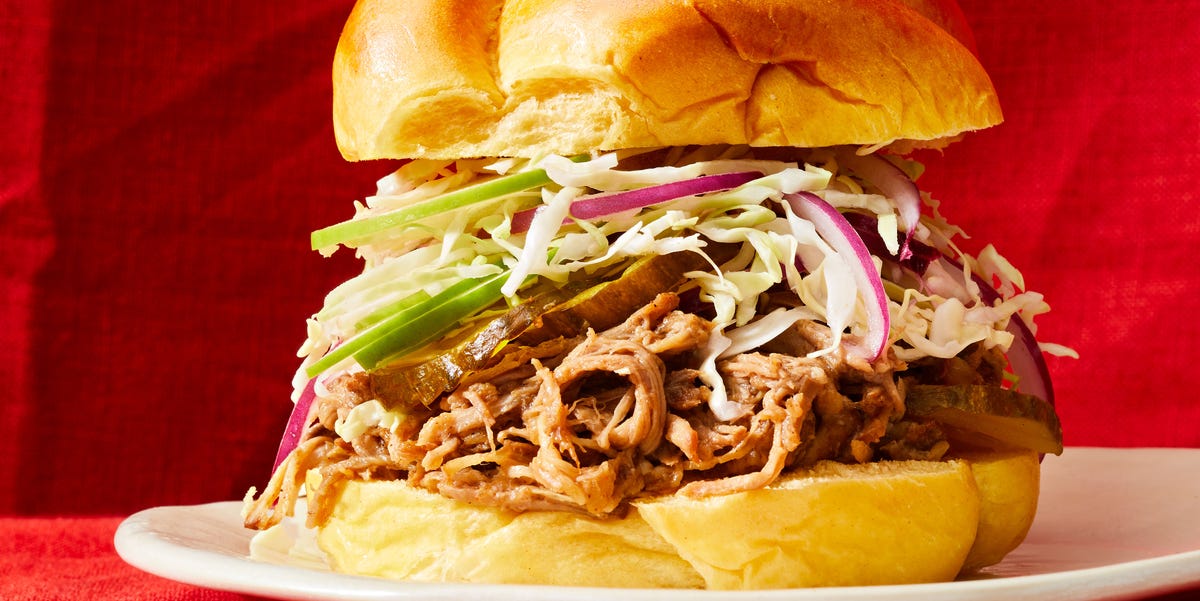
Some recipes walk politely into your kitchen. Others kick open the door wearing a barbecue-sauce cape. These applesauce pulled pork sandwiches are the second kind. They are sweet, tangy, tender, messy in the best possible way, and built for the kind of meal where everyone suddenly forgets forks exist.
The idea is simple but brilliant: slow-cook pork shoulder until it turns soft enough to shred, then toss it with a glossy sauce made with applesauce, apple cider vinegar, warm spices, and a little smoky barbecue attitude. The applesauce does more than add sweetness. It gives the sauce body, helps balance the vinegar, and makes the pork taste like it has been simmering next to an apple orchard and a backyard smoker all afternoon.
This recipe is ideal for game day, casual dinners, potlucks, cookouts, weekend meal prep, or any Tuesday that needs emotional support in sandwich form. The pork is rich, the apple flavor is mellow, and the slaw on top brings crunch so the whole thing does not collapse into one delicious, saucy nap. Although, honestly, there are worse problems.
Why Applesauce Works So Well With Pulled Pork
Pork and apples have been friends for a very long time. Pork is savory, fatty, and deeply flavorful, while apples bring brightness, sweetness, and acidity. In this recipe, applesauce becomes the secret weapon because it blends smoothly into the sauce instead of sitting on top like a polite garnish.
Unsweetened applesauce is best because it gives you control. Sweetened applesauce can work in a pinch, but it may push the sandwich toward dessert territory, and pulled pork should flirt with sweetness, not move into a candy store. A good applesauce pulled pork sandwich should taste balanced: tangy enough to wake up the meat, sweet enough to round out the edges, smoky enough to feel like barbecue, and savory enough that nobody asks, “Is this pie filling?”
The sauce also clings beautifully to shredded pork. Because applesauce has natural pectin and a thick texture, it helps create a coating that is glossy without being heavy. That means every bite gets flavor instead of leaving all the good stuff behind in the bottom of the slow cooker, where many sauces go to retire.
Best Cut of Pork for Applesauce Pulled Pork Sandwiches
The best cut for pulled pork is pork shoulder, also sold as pork butt or Boston butt. Despite the name, pork butt does not come from the rear of the pig. It comes from the upper shoulder, which is exactly the kind of hardworking cut that becomes magical when cooked low and slow.
Pork shoulder has enough fat and connective tissue to stay juicy during long cooking. Lean cuts such as pork tenderloin can be used, but they are less forgiving and can become dry if cooked too long. For truly tender pulled pork sandwiches, choose a 3 1/2- to 4-pound boneless pork shoulder roast with visible marbling. Bone-in pork shoulder also works beautifully; just allow a little extra weight and remove the bone before shredding.
Ingredients for Applesauce Pulled Pork Sandwiches
For the pork
- 3 1/2 to 4 pounds boneless pork shoulder or pork butt
- 2 teaspoons kosher salt
- 1 teaspoon black pepper
- 1 tablespoon smoked paprika
- 1 teaspoon garlic powder
- 1 teaspoon onion powder
- 1/2 teaspoon ground cumin
- 1/2 teaspoon dry mustard
- 1 tablespoon neutral oil, for searing
For the applesauce barbecue sauce
- 1 1/2 cups unsweetened applesauce
- 1/2 cup apple cider vinegar
- 1/2 cup ketchup
- 1/3 cup packed brown sugar
- 2 tablespoons Worcestershire sauce
- 1 tablespoon Dijon mustard
- 1 tablespoon tomato paste
- 2 cloves garlic, minced
- 1 small yellow onion, thinly sliced
- 1 teaspoon chili powder
- 1/4 teaspoon cayenne pepper, optional
- 1 bay leaf
- 1/2 cup chicken broth or apple cider
For serving
- 8 brioche buns, potato rolls, or soft sandwich buns
- 2 cups creamy coleslaw or vinegar slaw
- Pickles, optional
- Extra barbecue sauce, optional
How To Make Applesauce Pulled Pork Sandwiches
Step 1: Season the pork generously
Pat the pork shoulder dry with paper towels. This may seem boring, but dry meat browns better, and browning equals flavor. In a small bowl, mix the salt, pepper, smoked paprika, garlic powder, onion powder, cumin, and dry mustard. Rub the seasoning all over the pork, making sure every side gets attention. Pulled pork is not the place for shy seasoning.
Step 2: Sear for deeper flavor
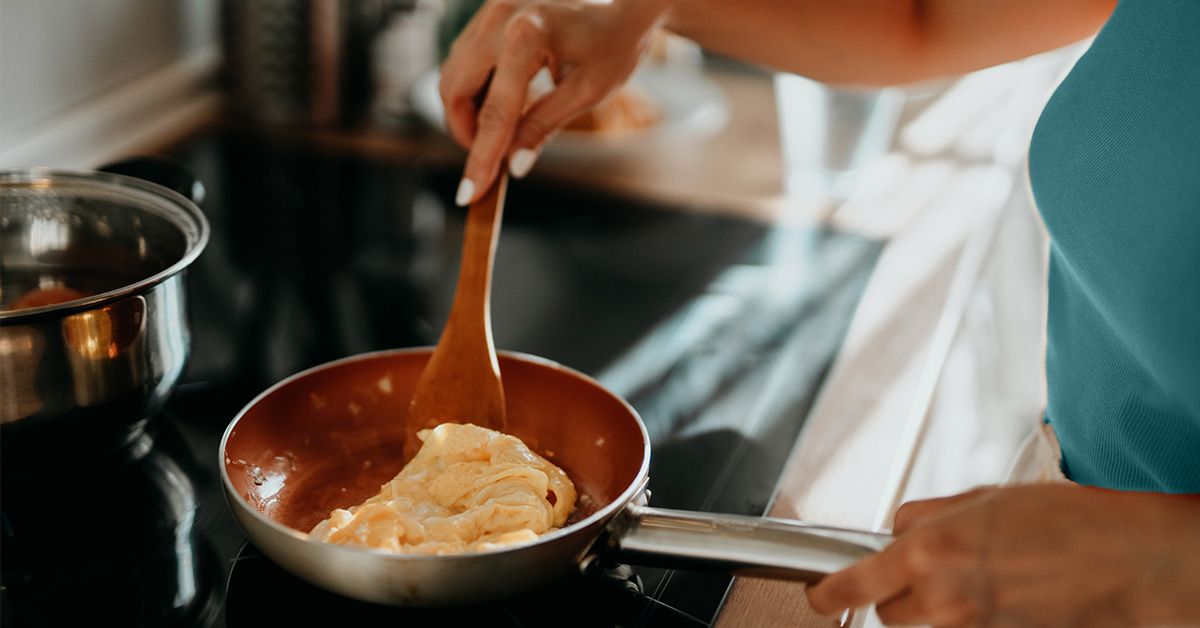
Heat the oil in a large skillet or Dutch oven over medium-high heat. Sear the pork for 3 to 4 minutes per side, until browned. This step is optional if you are truly in a hurry, but it adds a richer, roasted flavor that makes the final sandwich taste like you tried harder than you did. That is the kind of kitchen trick we support.
Step 3: Build the applesauce sauce
In the insert of a slow cooker, whisk together the applesauce, apple cider vinegar, ketchup, brown sugar, Worcestershire sauce, Dijon mustard, tomato paste, garlic, chili powder, cayenne, and broth or apple cider. Stir in the sliced onion and add the bay leaf. The sauce will look a little unusual at first, like barbecue sauce took a wholesome field trip, but trust the process.
Step 4: Slow-cook until tender
Add the seared pork to the slow cooker and turn it a few times to coat it in the sauce. Cover and cook on low for 8 to 10 hours or on high for 5 to 6 hours, until the pork is very tender and pulls apart easily with two forks. For shreddable pulled pork, tenderness matters more than simply reaching the minimum safe temperature. The pork should be cooked long enough for the connective tissue to break down and become juicy, soft, and easy to shred.
Step 5: Shred the pork
Transfer the pork to a large cutting board or shallow dish. Remove and discard the bay leaf. Use two forks to shred the meat into bite-size pieces. If you see large pieces of fat, remove them. Do not remove every bit of richness, though; that is where flavor lives. Flavor pays rent here.
Step 6: Reduce and finish the sauce
For the best texture, skim excess fat from the cooking liquid. If the sauce looks thin, pour it into a saucepan and simmer for 8 to 12 minutes, stirring occasionally, until slightly thickened. Return the shredded pork to the sauce and toss until fully coated. Taste and adjust. Add a splash of vinegar for more tang, a spoonful of brown sugar for sweetness, or a pinch of salt if the flavors need sharpening.
Step 7: Assemble the sandwiches
Toast the buns lightly so they can stand up to the saucy pork. Pile the applesauce pulled pork onto the bottom buns, add coleslaw, pickles, or extra sauce, then cap with the top buns. Serve immediately with napkins. Not one napkin. Napkins. Plural. This sandwich has ambition.
Recipe Tips for the Best Applesauce Pulled Pork
Use unsweetened applesauce
Unsweetened applesauce gives the sauce apple flavor without making it too sugary. If you only have sweetened applesauce, reduce the brown sugar by half and taste before adding more.
Do not rush the cooking time
Pork shoulder needs time. If it does not shred easily, it is not done enough. Put the lid back on and keep cooking. The difference between tough pork and dreamy pulled pork can be one extra hour.
Toast the buns
A soft bun is wonderful, but a completely untoasted bun can surrender quickly under juicy pork. Toasting adds structure and a little buttery flavor. It is sandwich insurance.
Balance sweet, tangy, and smoky flavors
The best pulled pork sauce has contrast. Applesauce and brown sugar bring sweetness. Apple cider vinegar brings tang. Smoked paprika adds barbecue depth. Mustard and Worcestershire sauce bring savory complexity. Together, they create a sauce that tastes layered, not flat.
Slow Cooker, Oven, or Instant Pot?
The slow cooker is the easiest method for applesauce pulled pork sandwiches because it lets the pork gently braise in the sauce. It is perfect for busy days, parties, or anyone who enjoys putting dinner in a pot and then receiving applause eight hours later.
For the oven, place the seasoned and seared pork in a Dutch oven with the sauce. Cover and cook at 300°F for about 3 1/2 to 4 hours, or until the pork is fork-tender and shreddable. The oven gives a slightly deeper roasted flavor, especially if you uncover the pork near the end.
For the Instant Pot, cut the pork into large chunks, sear them using the sauté function, add the sauce, and pressure cook on high for about 60 to 75 minutes with a natural release. The flavor will be good, though the sauce may need simmering after cooking to thicken.
What To Serve With Applesauce Pulled Pork Sandwiches
These sandwiches are rich, sweet, tangy, and savory, so the best side dishes bring crunch, brightness, or freshness. Classic coleslaw is the top choice because it cools everything down and adds texture. A vinegar slaw is especially good if you want a lighter sandwich with more zip.
Other excellent sides include baked beans, potato salad, cornbread, roasted sweet potatoes, kettle chips, dill pickles, macaroni salad, grilled corn, or a crisp green salad. If you are serving these at a party, set up a sandwich bar with buns, slaw, pickles, jalapeños, extra sauce, and hot sauce. People love building their own sandwich because it makes them feel powerful, even if the only decision is “more pickles.”
Storage and Make-Ahead Instructions
Applesauce pulled pork is a fantastic make-ahead recipe. In fact, it often tastes even better the next day after the flavors have had time to mingle. Store leftovers in an airtight container in the refrigerator for up to 4 days. Reheat gently on the stovetop or in the microwave with a splash of broth, apple cider, or water to loosen the sauce.
You can also freeze the pulled pork for up to 3 months. Let it cool completely, portion it into freezer-safe bags or containers, and freeze with some sauce to keep the meat moist. Thaw overnight in the refrigerator before reheating. For best results, freeze the pork without the buns or slaw. Frozen coleslaw is nobody’s dream.
Common Mistakes To Avoid
Using pork that is too lean
Pork loin and tenderloin can be delicious, but they are not ideal for classic pulled pork. They lack the fat and connective tissue that make pork shoulder so tender after long cooking.
Adding too much liquid
A slow cooker traps moisture, so you do not need to drown the pork. Too much liquid can water down the sauce. The pork will release juices as it cooks, creating plenty of braising liquid.
Skipping the final taste test
Before serving, always taste the finished pork. A little salt, vinegar, or sweetness at the end can make the difference between good and “please send me this recipe immediately.”
Serving on weak buns
Choose buns that are soft but sturdy. Brioche, potato rolls, and bakery sandwich buns are all great choices. Very airy buns can fall apart under saucy pork, and while eating with your hands is fun, eating from your lap is less charming.
Flavor Variations
Spicy applesauce pulled pork
Add 1 minced chipotle pepper in adobo sauce or increase the cayenne. The smoky heat works beautifully with the applesauce.
Maple apple pulled pork
Replace half the brown sugar with maple syrup for a cozy, fall-inspired flavor. This version is especially good with sharp cheddar on the sandwich.
Carolina-style apple pulled pork
Use extra apple cider vinegar, reduce the ketchup, and add crushed red pepper. The result is tangier, lighter, and perfect with vinegar slaw.
Smoky barbecue apple pulled pork
Add a teaspoon of liquid smoke or use a smoky barbecue sauce in place of some ketchup. A little goes a long way, so do not pour like you are trying to extinguish a campfire.
Experience Notes: What I Learned Making Applesauce Pulled Pork Sandwiches
The first time you make applesauce pulled pork, the sauce may feel a little unexpected. Applesauce in barbecue sauce sounds like something a creative aunt would bring to a potluck and describe as “different” while everyone makes polite eye contact. But once it cooks with pork shoulder, vinegar, onions, garlic, and warm spices, the applesauce disappears into the sauce in the best way. It does not scream apple. It whispers, “I made this juicier.”
One of the biggest lessons is that pulled pork rewards patience. At hour five in the slow cooker, the pork may smell incredible but still resist shredding. This is the danger zone for impatient cooks. Do not panic. Do not start wrestling the pork with forks like it owes you money. Let it keep cooking. When pork shoulder is ready, it tells you. The meat loosens, the fibers separate easily, and the whole roast begins to slump like it has accepted its delicious destiny.
Another useful experience is learning how much sauce the pork actually needs. Right after shredding, it can look like there is too much cooking liquid. After simmering and tossing, however, the pork absorbs and carries the sauce beautifully. Reducing the liquid is worth the extra few minutes because it concentrates the apple, vinegar, spice, and pork drippings into something far better than bottled sauce alone.
Texture matters just as much as flavor. A pulled pork sandwich without crunch can feel heavy by the third bite. That is why coleslaw is not just decoration here. It is structural engineering with cabbage. A simple slaw made with shredded cabbage, a little mayo, vinegar, salt, pepper, and a pinch of sugar makes every bite brighter. If you prefer a lighter sandwich, use vinegar slaw. If you want comfort food energy, creamy slaw is the way to go.
Toasting the buns is another small move with big results. When the pork is saucy, warm, and generous, an untoasted bun can collapse quickly. A lightly toasted brioche bun gives you a soft interior, a golden surface, and enough strength to hold the filling without turning into bread pudding. Potato rolls are also excellent because they are tender but resilient.
The leftovers may be the best part. Applesauce pulled pork reheats beautifully, and the flavor deepens overnight. You can pile it onto sandwiches again, tuck it into tacos, spoon it over baked potatoes, fold it into quesadillas, or serve it with rice and pickled onions. It is the kind of leftover that makes lunch feel planned, even if you are eating it while standing at the counter.
If you are cooking for guests, this recipe is especially forgiving. You can make the pork a day ahead, refrigerate it, then reheat it slowly before serving. Keep the slaw and buns separate until the last minute. Set everything out buffet-style and let people build their own sandwiches. Someone will add too much pork. Someone will build a tower of slaw. Someone will ask if applesauce is really in the sauce. Say yes, then watch them go back for seconds.
Conclusion
These applesauce pulled pork sandwiches are everything a great sandwich should be: tender, saucy, balanced, satisfying, and just messy enough to feel like a celebration. The applesauce adds gentle sweetness and body, the vinegar keeps the sauce lively, and the slow-cooked pork shoulder brings rich, pull-apart comfort. Whether you make them for a weekend dinner, a backyard party, or a meal-prep win, this recipe proves that applesauce belongs in more places than a lunchbox cup.
The best part is how flexible the recipe can be. Keep it mild and family-friendly, make it spicy with chipotle, lean into maple for fall flavor, or brighten it with vinegar slaw. Once you master the method, this sandwich becomes one of those dependable recipes you can return to whenever you need a crowd-pleaser that tastes like effort but behaves like convenience.