Let’s be honest: searching for the best ways to remove butt hair is not exactly the kind of thing most people announce at brunch. Still, it is one of those very normal body-care questions that deserves a clear, shame-free answer. Butt hair is natural. It helps reduce friction, protects sensitive skin, and quietly minds its own business. But if you prefer a smoother feel, less sweat-trapping fuzz, or a cleaner look in swimwear, you have options.
The key is choosing a method that matches your skin, pain tolerance, budget, hair type, and patience level. The skin around the buttocks, gluteal cleft, perineum, and anal area can be delicate, sweaty, curved, and hard to see. In other words, this is not the place for reckless bathroom gymnastics with a dull razor and overconfidence.
This guide breaks down the safest and most practical butt hair removal methods, including trimming, shaving, waxing, sugaring, depilatory creams, laser hair removal, and electrolysis. We will also cover aftercare, common mistakes, and what to do if bumps, itching, or ingrown hairs show up uninvited.
Why Do People Remove Butt Hair?
People remove butt hair for different reasons, and none of them require a dramatic backstory. Some people want less sweat and odor. Others prefer a smoother feel, especially during workouts, beach days, or intimate moments. Some remove hair because it catches on underwear, causes friction, or makes wiping feel less efficient. And some people simply like the look. That is enough.
There is no medical requirement to remove butt hair. In fact, removing it can sometimes cause irritation, razor bumps, ingrown hairs, folliculitis, itching, small cuts, or dark marks after inflammation. So the goal is not “remove everything at all costs.” The goal is “get the result you want without making your backside file a formal complaint.”
Before You Start: Know the Area
When people say “butt hair,” they may mean several areas: hair on the outer butt cheeks, hair between the cheeks, hair near the perineum, or hair around the anus. These areas are not all equal. The outer buttocks can usually tolerate hair removal better than the crease or anal area. The closer you get to mucous membranes, folds, and high-friction zones, the more careful you need to be.
Avoid using harsh products directly on the anus, inside the rectum, on broken skin, or near irritated genital skin. If you have active hemorrhoids, open cuts, a rash, a yeast infection, painful bumps, or unexplained sores, skip hair removal until the area heals or a healthcare provider checks it.
1. Trimming: The Safest Low-Drama Option
If you want less hair without the drama of stubble, cuts, or hot wax, trimming is usually the best first choice. It does not remove hair from the root, so the results are not silky-smooth. However, trimming greatly reduces bulk while leaving the skin barrier mostly alone.
Best for:
Beginners, sensitive skin, people prone to ingrown hairs, and anyone who wants a cleaner feel without committing to total smoothness.
How to do it safely:
- Use a clean electric body groomer with a guard.
- Trim dry hair before a shower, when the hair is easier to lift.
- Use a mirror or squat carefully so you can see what you are doing.
- Do not press hard into the crease or around the anus.
- Clean the device after use and let it dry fully.
Trimming wins the “least likely to cause chaos” award. It is not glamorous, but neither is explaining why you injured yourself while attempting a full moon landing in the bathroom mirror.
2. Shaving: Fast, Cheap, and Slightly High-Maintenance
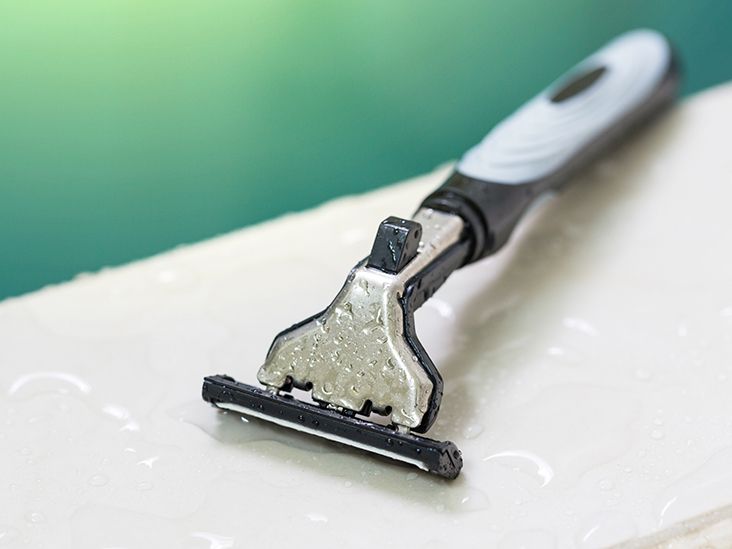
Shaving is one of the most popular ways to remove butt hair because it is affordable and quick. A razor cuts hair at the surface of the skin, so results are immediate. The downside is that regrowth can feel prickly, and the butt area is especially prone to friction, sweat, and ingrown hairs.
Best for:
People who want a smooth result today and are willing to maintain it every few days.
How to shave butt hair safely:
- Shower first with warm water to soften the hair.
- Use a fragrance-free shaving gel or cream. Do not dry shave.
- Use a fresh, sharp razor. A dull blade is basically a tiny irritation machine.
- Shave in the direction of hair growth, not aggressively against it.
- Use short, gentle strokes and rinse the blade often.
- Avoid shaving directly over bumps, cuts, rashes, or irritated skin.
- Rinse well, pat dry, and apply a gentle, fragrance-free moisturizer.
If you are shaving between the cheeks, take your time. Do not stretch the skin too tightly, do not use heavy pressure, and do not chase every last microscopic hair. A close shave is nice. A cut in a sweaty fold is not.
Common shaving mistakes
The biggest mistakes are using an old razor, shaving too closely, shaving against the grain, skipping shaving cream, and immediately wearing tight underwear afterward. After shaving, choose breathable cotton underwear and loose pants for a few hours. Your skin just had a blade dragged over it; let it enjoy a peaceful afternoon.
3. Waxing: Longer-Lasting, But Not for the Faint of Cheek
Waxing removes hair from the root, so results usually last longer than shaving. Many people stay smoother for a few weeks, and regrowth may feel softer over time. However, waxing can hurt, especially in areas where the skin is thin or the hair is coarse.
Best for:
People who want longer-lasting smoothness and are comfortable with professional help.
At-home or professional?
For outer butt cheeks, experienced users may wax at home. For between-the-cheeks or Brazilian-style waxing, a professional is usually safer. The angle is awkward, the skin is delicate, and hot wax is not a substance you want to mismanage near sensitive anatomy.
Waxing safety tips:
- Hair should be about one-fourth to three-fourths of an inch long.
- Do not wax sunburned, broken, inflamed, or very sensitive skin.
- Avoid waxing if you have used isotretinoin recently or are using certain skin-thinning medications.
- Make sure the salon does not double-dip waxing sticks.
- Test wax temperature before applying it.
- After waxing, avoid hot tubs, heavy sweating, tight clothing, and fragranced products for 24 hours.
Waxing can be great, but it is not magic. It can still cause bumps, redness, bruising, burns, and ingrown hairs. If you tend to get painful ingrowns, waxing may not be your best long-term strategy.
4. Sugaring: A Gentler Cousin of Waxing
Sugaring uses a sticky paste, often made from sugar, water, and lemon juice, to remove hair from the root. Many fans say it feels gentler than waxing because the paste may stick more to the hair and less to the skin. Like waxing, it can give longer-lasting results than shaving.
Best for:
People who like root-level hair removal but want an alternative to traditional wax.
Sugaring is still a pull-from-the-root method, which means it can hurt and can still cause irritation or ingrown hairs. For butt hair removal, especially near the crease, a trained professional is the safer route. DIY sugaring can become messy quickly. One minute you are doing self-care; the next minute your bathroom looks like a failed candy factory.
5. Depilatory Creams: Easy, But Use Extreme Caution
Depilatory creams dissolve hair chemically at or just below the surface of the skin. They are easy to use and results may last a little longer than shaving. But the same chemicals that dissolve hair can irritate or burn sensitive skin if used incorrectly.
Best for:
Outer butt cheeks only, and only if your skin tolerates the product well.
Important safety rules:
- Choose a product labeled for the body or sensitive skin.
- Patch test 24 hours before using it on a larger area.
- Do not use depilatory cream on or inside the anus.
- Do not use it on broken, shaved, irritated, sunburned, or inflamed skin.
- Follow timing instructions exactly. More time does not mean more smoothness; it may mean a chemical burn.
- Rinse thoroughly and stop immediately if burning or stinging occurs.
Depilatories can be useful for the outer buttocks, but they are not ideal for the deep crease or anal area. When in doubt, do not put a chemical cream where you would not put spicy salsa. That rule is not in dermatology textbooks, but it should be.
6. Laser Hair Removal: Best for Long-Term Reduction
Laser hair removal targets pigment in the hair follicle with light energy. Over multiple sessions, it can reduce hair growth significantly. It is not usually a one-and-done treatment. Most people need a series of appointments, and occasional maintenance may be needed.
Best for:
People who want long-term butt hair reduction, get frequent ingrown hairs, or are tired of shaving and waxing cycles.
Laser works best on darker hair because the device targets pigment. It is less effective on white, gray, very blond, or red hair. Modern devices can treat many skin tones, but provider experience matters. Darker skin tones require the right laser settings and a trained professional to reduce the risk of burns, discoloration, or scarring.
What to ask before booking:
- Who performs the treatment?
- Are they experienced with your skin tone and hair type?
- Is the device appropriate for your skin?
- Will they do a patch test?
- What aftercare is required?
- How many sessions are realistic for the area?
Laser hair removal costs more upfront, but it may save time and frustration for people who regularly battle razor bumps or ingrown hairs. For the butt area, choose a licensed, medically supervised clinic or board-certified dermatology office when possible.
7. Electrolysis: Permanent, Precise, and Slow
Electrolysis uses a fine probe and electrical current to damage individual hair follicles. It can permanently remove hair and works on all hair colors, including light hair that lasers may not target well. The tradeoff is time. Because each follicle is treated individually, electrolysis is usually better for smaller areas or stubborn remaining hairs after laser.
Best for:
People who want permanent hair removal and have patience for multiple sessions.
For butt hair, electrolysis may be practical for smaller patches, but it can be time-consuming for large areas. Choose a properly trained electrologist who follows strict sanitation practices. Poor technique can lead to burns, infection, or scarring.
How to Prevent Ingrown Hairs and Razor Bumps
Ingrown hairs happen when hair curls back into the skin instead of growing outward. They are more common with coarse, curly hair and can appear after shaving, waxing, tweezing, or other removal methods. Around the butt and pubic area, friction from underwear, sweat, and tight clothing can make the problem worse.
Prevention tips:
- Exfoliate gently one or two times a week with a soft washcloth or mild chemical exfoliant.
- Do not scrub aggressively; irritation can make bumps worse.
- Shave with the grain and avoid repeated passes.
- Use clean tools every time.
- Wear breathable underwear after hair removal.
- Keep the area clean and dry, especially after sweating.
- Avoid picking at bumps. Picking turns a small problem into a longer relationship.
If bumps become painful, pus-filled, hot, spreading, or accompanied by fever, seek medical care. Folliculitis, boils, cysts, yeast infections, and sexually transmitted infections can sometimes look similar to simple shaving irritation.
Aftercare: What to Do After Removing Butt Hair
Good aftercare can make the difference between smooth skin and two days of regret. After any butt hair removal method, treat the area like sensitive skin because that is exactly what it is.
For the first 24 hours:
- Skip hot tubs, saunas, and very hot showers.
- Avoid heavy workouts if the area is red or tender.
- Wear loose, breathable underwear and clothing.
- Avoid fragrance, deodorant sprays, strong acids, and alcohol-based products.
- Use a bland, fragrance-free moisturizer if the skin feels dry.
Moisture and friction are the villains here. The butt area naturally gets warm and sweaty, so keep it clean, dry, and calm. If you are prone to yeast rashes in skin folds, staying dry matters even more.
Which Butt Hair Removal Method Is Best?
The best method depends on your goal. If you want the safest and easiest option, trim. If you want cheap smoothness, shave carefully. If you want longer-lasting results, consider professional waxing or sugaring. If you want long-term reduction, laser hair removal is usually the strongest option. If you want permanent removal for specific hairs, electrolysis is worth considering.
For most people, the best routine is simple: trim first, shave only if you truly want smoothness, and avoid harsh products in the crease. If irritation keeps happening, stop the cycle and consider laser or professional advice.
When to See a Doctor or Dermatologist
See a healthcare provider if you have recurring painful bumps, pus, spreading redness, fever, open sores, severe itching, bleeding, or a rash that does not improve. Also get checked if hair growth changes suddenly or becomes excessive in a way that feels unusual for you, as hormonal or medication-related causes may be involved.
A dermatologist can help identify whether the problem is razor bumps, folliculitis, contact dermatitis, yeast, cysts, hidradenitis suppurativa, or another condition. That matters because each one needs different care.
Conclusion: Smooth Is Optional, Safety Is Not
Butt hair removal is a personal grooming choice, not a beauty requirement. The best ways to remove butt hair are the methods that fit your skin, your comfort level, and your lifestyle. Trimming is the safest low-maintenance choice. Shaving is fast but can cause stubble and bumps. Waxing and sugaring last longer but may hurt and irritate sensitive skin. Depilatory creams can work on the outer buttocks but should be kept away from the anus and delicate folds. Laser hair removal offers long-term reduction, while electrolysis can permanently remove individual hairs.
Whatever you choose, do it gently. Use clean tools, avoid broken or irritated skin, follow aftercare, and do not ignore persistent bumps or pain. Your butt does a lot for you every day. The least you can do is not attack it with a rusty razor and blind optimism.
Experience Notes: What People Usually Learn After Trying Butt Hair Removal
The first lesson many people learn is that visibility matters. Removing hair from the back of your body is not like shaving your shin while half-watching a podcast. The area curves, folds, and disappears from view at the exact moment you need precision. A handheld mirror, good lighting, and a calm pace can save you from nicks, missed patches, and the classic “I thought I was done, but apparently I only shaved one mysterious stripe” situation.
The second lesson is that smoother is not always better. A super-close shave may feel amazing for the first few hours, but the butt area has constant friction from walking, sitting, sweating, and underwear. For some people, trimming short gives the best comfort because it reduces bulk without creating sharp stubble. This is especially true for people with curly or coarse hair, who may be more prone to ingrown hairs after shaving or waxing.
The third lesson is that aftercare is not optional. People often focus on the removal step and then immediately put on tight leggings, go to the gym, or sit in sweaty clothes for hours. That is how smooth skin turns into an itchy red protest. A better routine is to remove hair at night, rinse gently, moisturize lightly, wear breathable underwear, and avoid heavy sweating until the skin settles. The next morning, your skin is usually much happier.
The fourth lesson is that professional waxing is less awkward than expected. Many first-timers imagine a silent room filled with judgment. In reality, experienced waxers have seen every hair pattern, body shape, and nervous facial expression imaginable. A good professional works quickly, explains positioning, uses clean technique, and keeps the mood normal. If a salon feels unhygienic, rushes consultation, double-dips sticks, or makes you uncomfortable, leave. Your cheeks deserve standards.
The fifth lesson is that chemical creams are not the shortcut everyone hopes for. They can be convenient on the outer buttocks, but they can also sting, smell strong, or irritate skin. The most common mistake is leaving the cream on longer than directed because a few hairs remain. Do not do that. Rinse it off on time. A couple of stubborn hairs are easier to handle than a chemical burn in a place that touches a chair all day.
The sixth lesson is that laser hair removal can be a relief for people stuck in a cycle of shaving, bumps, healing, and shaving again. It requires money, multiple sessions, and the right provider, but many people appreciate the reduction in regrowth. It is not instant perfection, and it may not remove every hair forever, but less density can make grooming easier and irritation less frequent.
Finally, people learn that there is no single “correct” amount of butt hair. Some remove it all. Some trim occasionally. Some leave it alone forever and live peacefully. The best grooming routine is the one that makes you comfortable without hurting your skin or turning your bathroom into a high-risk obstacle course.