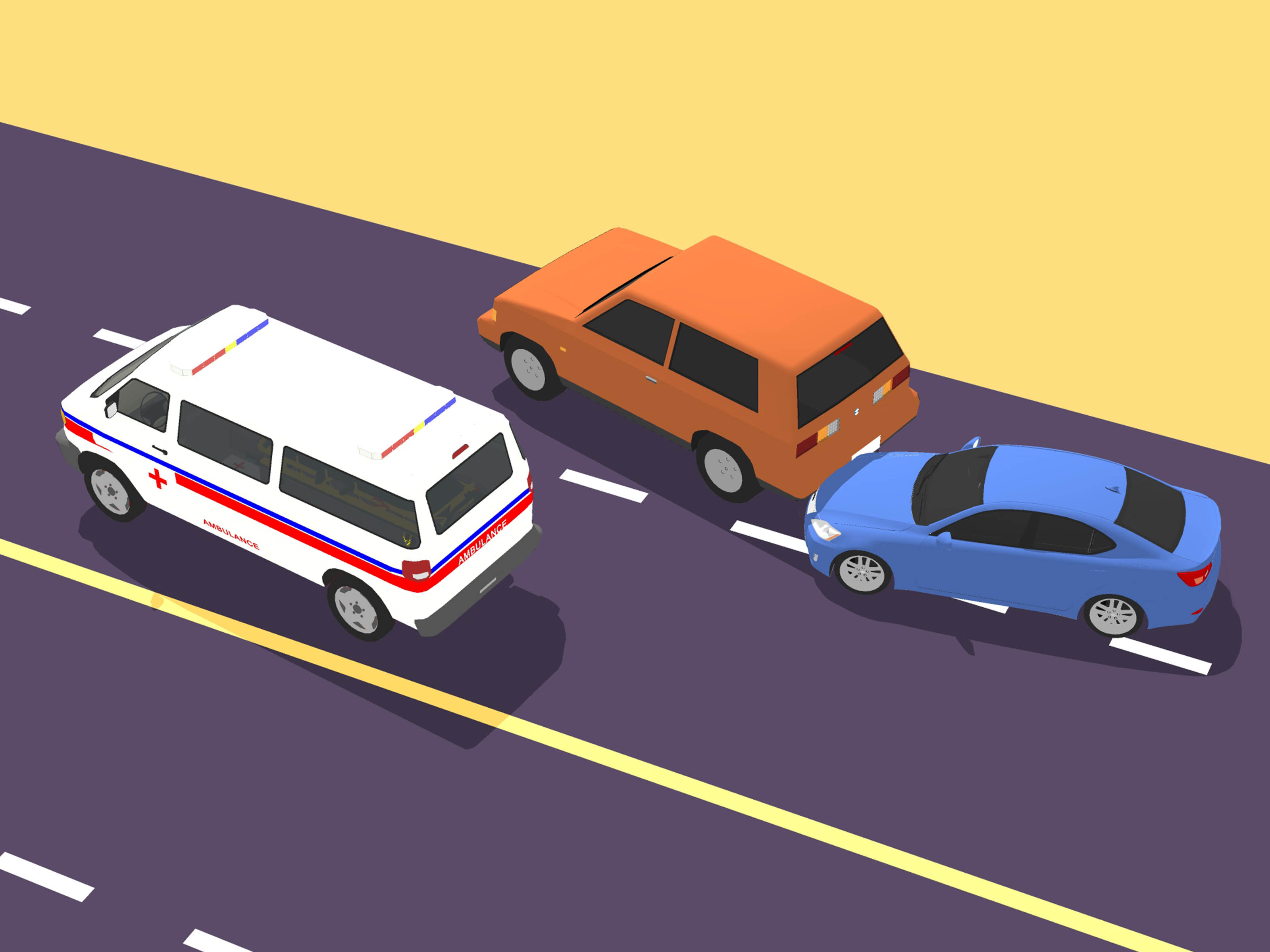
Brake-checking is one of those driving behaviors that can turn a normal commute into a rolling soap opera with airbags. One second, everyone is trying to get to work, school, the grocery store, or a suspiciously urgent coffee run. The next second, a driver taps or slams the brakes in front of another vehicle, usually to send a message: “Back off.” Unfortunately, cars do not read emotional subtext very well. They read speed, distance, friction, reaction time, and impact.
So, what does brake-checking mean? In simple terms, brake-checking is when a driver intentionally brakes suddenly in front of another vehicle, often because the driver behind is tailgating, driving aggressively, or following too closely. Sometimes people call it “brake testing,” but let’s be honest: nobody is testing the brakes for science. They are testing everybody’s patience, reflexes, and insurance coverage.
The problem is that brake-checking is not a harmless warning. It can trigger rear-end collisions, chain-reaction crashes, road rage, injury claims, legal trouble, and a very awkward conversation with a claims adjuster. This article explains why people brake-check, what it means, why it is dangerous, how it connects to aggressive driving, and what safer choices drivers can make when traffic gets spicy.
What Is Brake-Checking?
Brake-checking means deliberately applying the brakes in front of another driver to force that driver to slow down. It often happens when the rear driver is tailgating. The front driver may feel threatened, annoyed, or disrespected, so they hit the brakes to “teach a lesson.” The lesson, sadly, is usually: physics has no chill.
A normal brake is different. Drivers brake because traffic slows, a pedestrian crosses, a light changes, an animal appears, or a hazard pops up. Brake-checking is different because the brake action is used as communication or retaliation rather than as a necessary safety response.
Brake-Checking vs. Normal Braking
Normal braking is predictable and connected to road conditions. Brake-checking is sudden, unnecessary, and often emotional. Normal braking says, “Traffic ahead is stopping.” Brake-checking says, “I am irritated, and now everyone behind me gets to participate.”
This distinction matters because crashes are often evaluated based on reasonableness. A driver who brakes for a child, a deer, or stopped traffic is acting responsibly. A driver who brakes to scare a tailgater may be seen as contributing to the danger, even if the other driver was also wrong for following too closely.
Why Do People Brake-Check?
People brake-check for several reasons, and most of them begin with emotion rather than logic. Driving places strangers in close contact at high speeds, but without normal social cues. You cannot calmly say, “Excuse me, kind citizen, your bumper is invading my personal bubble.” Instead, some drivers use the brake pedal as a megaphone. Bad idea. Very bad megaphone.
1. They Feel Tailgated
The most common reason people brake-check is tailgating. When someone follows too closely, the front driver may feel pressured, threatened, or boxed in. Tailgating removes the comfortable safety cushion between vehicles. It can feel like someone is breathing down your neck, except the breath weighs 4,000 pounds and has headlights.
Brake-checking may feel like a quick way to tell the tailgater to back off, but it creates the exact situation everyone should be avoiding: sudden braking with very little stopping distance. The safer option is to maintain a steady speed, avoid escalation, and move over or let the aggressive driver pass when it is safe.
2. They Want to “Teach a Lesson”
Some drivers brake-check because they believe the other driver deserves punishment. Maybe the rear driver is speeding. Maybe they flashed their lights. Maybe they are riding the bumper like the car owes them money. The front driver thinks, “I’ll show them.”
That mindset is dangerous because roads are not classrooms, and brake pedals are not teaching tools. A “lesson” at highway speed can become a crash, and a crash can involve innocent drivers who had nothing to do with the original conflict.
3. They Are Angry or Experiencing Road Rage
Brake-checking often overlaps with road rage and aggressive driving. Road rage can include yelling, rude gestures, blocking lanes, chasing, cutting off vehicles, and other hostile behavior. Brake-checking fits into that same emotional family: the “I am upset, therefore traffic laws are optional” family.
Anger narrows attention. A driver who is mad may stop thinking about surrounding traffic, weather, motorcycles, trucks, children in nearby cars, or the fact that everything is being recorded by someone’s dashcam. The moment becomes personal, even though safe driving should never be personal.
4. They Misunderstand Defensive Driving
Some drivers believe tapping the brakes is a defensive move. They think it creates space. In reality, it may do the opposite. A gentle reduction in speed by easing off the accelerator can create space gradually. A sudden brake-check creates surprise, and surprise is the villain in many crashes.
Good defensive driving is calm, predictable, and boring in the best possible way. It does not involve baiting another driver, making sudden moves, or turning the commute into a duel. Defensive driving is less “action movie chase scene” and more “responsible adult who enjoys arriving with all mirrors attached.”
5. They Feel Anonymous
People sometimes behave worse behind the wheel because they feel anonymous. In a car, a driver may think they will never see the other person again. That false distance can make rude or risky behavior feel easier. The same person who would never shove someone in a grocery line may suddenly cut off a minivan like they are auditioning for a racing game.
Brake-checking is often part of that anonymity problem. The driver thinks, “They annoyed me, so I’ll react.” But anonymity disappears quickly after a crash, especially when police reports, witness statements, camera footage, and insurance investigations enter the chat.
Is Brake-Checking Illegal?
Brake-checking is generally treated as dangerous and may fall under reckless driving, careless driving, aggressive driving, unsafe stopping, or similar laws depending on the state and circumstances. Traffic laws vary across the United States, so the exact legal wording differs. Still, the basic idea is consistent: intentionally creating a hazard on the road can lead to citations, liability, or worse.
It is also important to understand that rear-end crashes are not always simple. Many people assume the rear driver is automatically at fault. Often, the rear driver does have a duty to maintain a safe following distance. But if the front driver intentionally slammed on the brakes for no legitimate reason, fault may be shared or shifted depending on evidence.
What Evidence Matters After a Brake-Check Crash?
After a crash involving possible brake-checking, investigators and insurers may look at dashcam footage, traffic cameras, skid marks, vehicle damage, witness statements, phone records, road conditions, and whether either driver was speeding, distracted, or behaving aggressively. A rear driver who was tailgating may be blamed. A front driver who intentionally brake-checked may also face consequences.
In short, brake-checking can turn a simple irritation into a complicated legal and insurance mess. And nobody wakes up thinking, “You know what would complete my week? Comparative fault analysis.”
Why Brake-Checking Is So Dangerous
Brake-checking is dangerous because it steals reaction time. Safe driving depends on drivers having enough space and time to notice a hazard, decide what to do, and slow down safely. When a front driver brakes suddenly for no real road hazard, the rear driver may have less than a second to respond. That is not much time. It is barely enough time to say, “Oh no,” and make the face people make in insurance commercials.
It Can Cause Rear-End Collisions
The most obvious risk is a rear-end collision. Even at lower speeds, rear-end crashes can cause vehicle damage and injuries. At highway speeds, the danger grows quickly. The rear driver may brake hard, swerve, or get hit by another vehicle behind them. One sudden brake can ripple through several lanes of traffic.
It Can Trigger Chain-Reaction Crashes
Brake-checking does not only affect two cars. In dense traffic, one sudden stop can create a chain reaction. Drivers behind the first rear driver may not see the original conflict. They only see brake lights, panic, and possibly a bumper approaching at an unfriendly speed.
This is especially dangerous near large trucks, motorcycles, buses, and vehicles towing trailers. Larger vehicles need more distance to stop. Motorcyclists are more exposed. A brake-check that seems like a “quick tap” to one driver can become a serious hazard for someone else.
It Escalates Road Rage
Brake-checking rarely calms anyone down. It can make an aggressive driver more aggressive. A tailgater who was already impatient may respond by honking, swerving, flashing lights, passing dangerously, or trying to retaliate. Now two drivers are emotionally invested in a contest where the prize is danger.
The safest road-rage strategy is boring on purpose: do not engage, do not stare, do not gesture, do not block, and do not retaliate. Let the other driver go be dramatic somewhere far away from your rear bumper.
Brake-Checking and Tailgating: Two Bad Ideas Wearing Matching Jackets
Brake-checking and tailgating often appear together. The tailgater starts the pressure. The front driver responds with a brake-check. Then the rear driver reacts. Each driver believes the other one is the problem. Spoiler: they can both be the problem.
Tailgating is dangerous because it reduces following distance. Brake-checking is dangerous because it creates sudden deceleration. Put them together and you have a recipe for a crash with a garnish of anger.
The Safe Following Distance Rule
A common safety guideline is to keep at least a three-second following distance in ideal conditions. That means when the vehicle ahead passes a fixed object, such as a sign or tree, your vehicle should not reach that object for at least three seconds. In rain, fog, snow, heavy traffic, darkness, or when driving a larger vehicle, more time is safer.
This matters because following distance is not just empty space. It is decision time. It is reaction time. It is the difference between controlled braking and explaining to a police officer why your front license plate is now socializing with someone’s trunk.
What Should You Do Instead of Brake-Checking?
If someone is tailgating you, the goal is not to win. The goal is to get away from the risk. Winning a road argument is like winning a pie-eating contest where the prize is more pie and a deductible.
Stay Calm and Predictable
Keep your speed steady. Avoid sudden braking, sudden acceleration, or sharp lane changes. Predictability gives other drivers more time to understand what you are doing. It also keeps you from feeding the other driver’s anger.
Let the Tailgater Pass When Safe
If you are on a multi-lane road and it is safe, move right and let the driver pass. If you are on a single-lane road, wait for a safe turnout, parking lot, or well-lit public place. Do not pull onto a dangerous shoulder just to satisfy an impatient driver, but do create space when you can do so safely.
Do Not Make Eye Contact or Gestures
Eye contact can feel confrontational during a road-rage situation. Hand gestures, even the “Are you kidding me?” variety, can escalate tension. Keep your attention on driving. Let the other driver’s performance review be handled by their own choices, karma, or possibly a traffic camera.
Call for Help if You Feel Threatened
If another driver is following you, harassing you, or making you feel unsafe, do not drive home. Go to a public place, a police station, or another safe location. If necessary, call emergency services. Your home address does not need a guest appearance in someone else’s bad decision.
What If Someone Brake-Checks You?
If another driver brake-checks you, resist the urge to retaliate. Increase your distance as soon as possible. Slow gradually. Change lanes when safe. Let the driver go. If their behavior continues, avoid following them, avoid confrontation, and consider reporting dangerous driving when it is safe to do so.
If a crash happens, check for injuries, move to a safe location if possible, call the police, exchange information, document the scene, take photos, and contact your insurer. If you have dashcam footage, preserve it. Do not argue at the roadside. The shoulder of a highway is not a courtroom, even if everyone suddenly becomes a lawyer.
Common Myths About Brake-Checking
Myth 1: “The Rear Driver Is Always at Fault”
Not always. Rear drivers are generally expected to leave enough space to stop safely, but intentional brake-checking can complicate fault. If evidence shows the front driver braked without a legitimate reason to provoke or punish the rear driver, that front driver may share responsibility.
Myth 2: “A Little Tap Is Harmless”
A small tap can still surprise the driver behind you. Surprise causes hard braking, swerving, overcorrection, and panic. Even if nobody crashes, the behavior can escalate anger and create risk for nearby traffic.
Myth 3: “Brake-Checking Makes Tailgaters Stop”
Sometimes it does. Sometimes it makes them angrier. Sometimes it causes a crash. A strategy that depends on an aggressive stranger reacting calmly is not exactly a masterpiece of planning.
Real-World Experiences: What Brake-Checking Feels Like on the Road
Ask drivers about brake-checking, and you will hear the same pattern in different costumes. One person says they were cruising in the right lane when a truck appeared behind them, close enough to inspect the bumper sticker. They felt trapped, annoyed, and a little scared. Their first instinct was to tap the brakes. Then they thought better of it, eased off the gas, signaled, and moved over when safe. The truck blasted past like it was late for a tornado audition. The driver arrived home annoyed but intact. That is a success story, even if it did not feel heroic.
Another common experience happens in city traffic. A driver merges into a lane, perhaps a little too closely. The person behind honks. The merging driver feels insulted and taps the brakes. Now traffic compresses. A third driver, who has no idea what started the drama, nearly rear-ends the second car. Suddenly one tiny ego flare has recruited innocent commuters into the production. Nobody planned a chain reaction, but traffic does not care about intentions. It only responds to movement.
On highways, brake-check stories often involve left-lane frustration. A driver believes the car ahead is going too slowly. They tailgate. The front driver thinks, “Absolutely not,” and brake-checks. This is where bad driving becomes a duet. The tailgater should have backed off or passed safely. The front driver should not have used braking as punishment. Both drivers may later describe themselves as the reasonable one. That is the funny thing about road rage: everyone is the hero in their own dashboard documentary.
Dashcams have changed the conversation, too. Years ago, brake-checking incidents often became “he said, she said.” Today, a camera may show whether traffic actually slowed, whether the front driver braked suddenly without cause, and whether the rear driver was following too closely. Many drivers who feel bold in the moment forget that modern roads are full of lenses: dashcams, traffic cameras, business cameras, doorbell cameras near intersections, and passengers filming because apparently every commute is now eligible for content.
Parents teaching teens to drive often describe brake-checking as one of the hardest behaviors to explain because it looks simple but carries hidden consequences. A new driver may ask, “What do I do if someone is right behind me?” The safest answer is not dramatic: keep calm, create space, avoid sudden moves, and let the driver pass when possible. It is not flashy advice. It will not get applause. But safe driving is often the art of doing the least exciting thing at the exact right moment.
Commercial drivers have another perspective. Truck drivers know that heavy vehicles need more stopping distance. When a passenger car cuts in and brakes sharply, the truck driver may not be able to stop quickly. Even if the truck driver reacts perfectly, weight and speed still matter. This is why brake-checking near large vehicles is especially dangerous. A small car can dart, brake, and accelerate quickly. A loaded truck cannot rewrite physics just because someone wanted to make a point.
Insurance experiences can be equally painful. A driver may believe they were justified because the other person was tailgating. But after a crash, justification is not the only question. Investigators ask what each driver did, whether those actions were reasonable, and whether either driver created unnecessary danger. A moment of anger can lead to repairs, medical bills, higher premiums, lost time, and stress that lasts much longer than the original tailgating incident.
The best real-world lesson is simple: brake-checking feels powerful for one second and risky for everything after that. Letting an aggressive driver pass may feel unfair, but it is often the smartest move. You are not surrendering. You are choosing not to let a stranger with poor impulse control become the main character in your day.
Final Thoughts
Brake-checking means intentionally braking in front of another driver, usually to warn, punish, or scare a tailgater. People do it because they feel pressured, angry, disrespected, or unsafe. But brake-checking is not a smart solution. It can cause rear-end crashes, escalate road rage, create legal problems, and put innocent drivers at risk.
The safer response is boring, calm, and effective: stay steady, increase space when possible, let aggressive drivers pass, avoid eye contact and gestures, and call for help if the situation becomes threatening. On the road, peace is not weakness. Peace is arriving with your bumper, your record, and your blood pressure still mostly in the same shape they were when you left.
Note: This article is for general road-safety information only and is not legal advice. Traffic laws and liability rules vary by state, and drivers should follow local laws and official safety guidance.