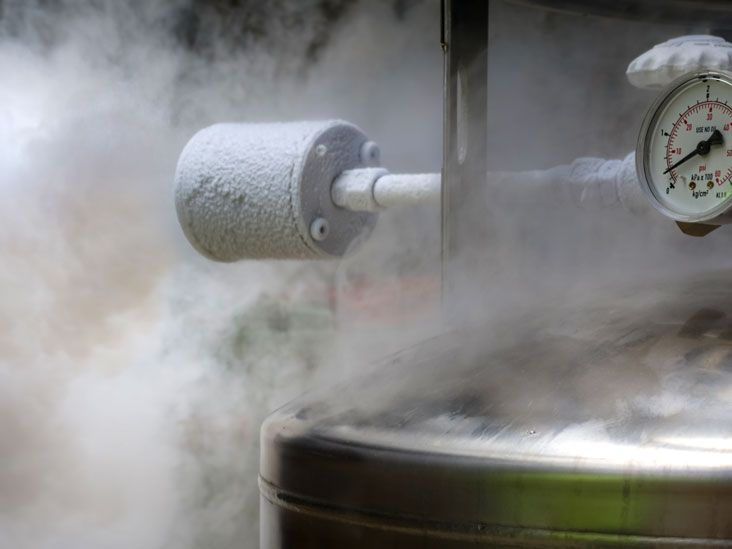
Cryosurgery sounds like something performed by a futuristic robot in a stainless-steel laboratory. In reality, it is a well-established medical treatment that uses extreme cold to destroy abnormal or diseased tissue. Depending on what is being treated, a healthcare professional may apply liquid nitrogen to the skin, place a freezing instrument against the cervix, or guide thin cryoprobes into a tumor deep inside the body.
You may also hear cryosurgery called cryotherapy or cryoablation. These terms overlap, although “cryoablation” is often used for image-guided procedures involving internal organs. The central idea is the same: carefully freeze targeted tissue, allow it to thaw, and damage the unwanted cells while preserving as much healthy tissue as possible.
Doctors use cryosurgery for everything from ordinary warts to selected cancers. It can offer shorter recovery times and smaller incisions than conventional surgery, but it is not automatically the safest or most effective option for every condition. Location, size, diagnosis, overall health, and the experience of the treating specialist all matter.
What Is Cryosurgery?
Cryosurgery is a localized medical procedure that destroys tissue by exposing it to extremely low temperatures. The freezing process forms ice inside and around cells, damages cell membranes, interrupts blood flow, and eventually causes the treated tissue to die.
Many procedures use a freeze-thaw cycle rather than one continuous blast of cold. The doctor freezes the target, allows it to thaw, and may repeat the process. This is not because the machine forgot what it was doing. Repeated freezing and thawing can increase cellular injury and help treat the intended area more thoroughly.
Cryosurgery, Cryotherapy, and Cryoablation
The terminology can be confusing because the words are sometimes used interchangeably:
- Cryotherapy is the broadest term and can describe the therapeutic use of cold.
- Cryosurgery usually means controlled freezing intended to destroy abnormal tissue.
- Cryoablation commonly refers to minimally invasive treatment using one or more cryoprobes, often guided by ultrasound, computed tomography, or magnetic resonance imaging.
Whole-body cryotherapy offered by some fitness and wellness businesses is different. Standing in a cold chamber after leg day is not the same medical procedure as freezing a kidney tumor under CT guidance.
What Is the Purpose of Cryosurgery?
The purpose of cryosurgery is to eliminate or control abnormal tissue without necessarily removing it through traditional cutting surgery. It may be used with curative intent, to manage a precancerous condition, to relieve symptoms, or to reduce pain caused by a tumor.
Benign Skin Growths
Dermatologists commonly use liquid nitrogen cryotherapy for noncancerous skin growths. Examples include:
- Common and plantar warts
- Seborrheic keratoses
- Skin tags in selected cases
- Molluscum contagiosum
- Certain superficial vascular or inflammatory lesions
Skin cryosurgery is popular because it can be performed quickly in an outpatient office and usually does not require stitches. However, thick, deep, poorly defined, or suspicious lesions may need a biopsy or a different removal method. Freezing first and asking diagnostic questions later is generally not an award-winning medical strategy.
Precancerous Conditions
Cryosurgery may treat actinic keratoses, which are sun-damaged patches that can sometimes progress to squamous cell carcinoma. It can also be used in certain cases of cervical intraepithelial neoplasia, a term for abnormal cervical cells that may become cancerous if they are not appropriately managed.
Cervical treatment must be selected carefully. The abnormal area generally needs to be visible and suitable for an ablative procedure. Some abnormalities require excision instead, because removing a tissue specimen allows a laboratory to examine it more completely.
Skin Cancer
Cryosurgery may be considered for selected low-risk, early-stage skin cancers, including some basal cell and squamous cell carcinomas. It is not ideal for every skin cancer. Tumors with unclear borders, aggressive features, high-risk locations, or a need for precise margin evaluation often require another treatment, such as standard excision or Mohs surgery.
Internal Tumors
Image-guided cryoablation may be used for carefully selected tumors involving organs or tissues such as the:
- Kidney
- Liver
- Lung
- Prostate
- Bone
- Soft tissue
It may be recommended when open surgery would be difficult, when a patient has other conditions that increase surgical risk, or when a small tumor can be reached safely with a cryoprobe. Cryoablation may also help relieve pain from cancer that has spread to bone or other structures.
How Does Cryosurgery Work?
The treatment creates a controlled zone of freezing around abnormal tissue. Ice crystals disrupt cellular structures, while the extreme temperature damages small blood vessels supplying the target. As the area thaws, additional cellular stress occurs. The damaged cells then die and are removed, shed, or gradually absorbed by the body.
For internal tumors, imaging lets the medical team monitor the growing “ice ball” around the cryoprobes. This visible frozen zone helps the doctor cover the tumor while trying to avoid nearby nerves, blood vessels, ducts, bowel, skin, and other healthy structures.
How to Prepare for Cryosurgery
Preparation varies dramatically. A five-minute wart treatment requires a different game plan from a three-hour liver cryoablation.
Before Skin Cryotherapy
Little preparation may be needed for a straightforward skin lesion. The clinician should first confirm that freezing is appropriate. Tell the medical team if you have poor circulation, reduced sensation, a history of abnormal scarring, a cold-related disorder, an active infection, or previous problems with cryotherapy.
Before Internal Cryoablation
For an image-guided procedure, preparation may include:
- Blood tests to evaluate blood counts, kidney function, and clotting
- CT, MRI, ultrasound, or other imaging
- Fasting for a specified period
- Temporary adjustment of blood thinners or certain medications
- Planning for sedation or general anesthesia
- Arranging transportation and help at home
Never stop anticoagulants, aspirin, diabetes medicine, or another prescribed drug without specific instructions from the treating clinician. Internet bravery is not an approved substitute for medication management.
Patients should also discuss allergies, pregnancy, implanted devices, previous reactions to anesthesia, and all prescription drugs, over-the-counter medicines, vitamins, and supplements.
What Happens During the Procedure?
Surface Cryosurgery
For a skin lesion, the clinician cleans and examines the area. Liquid nitrogen may be delivered through a spray device, a cotton-tipped applicator, or a probe placed directly against the lesion.
The area often turns white as it freezes. Patients may feel stinging, burning, aching, or pressure. A small lesion may require only several seconds of treatment, while thicker growths may need a longer freeze or repeated sessions. Local anesthetic is sometimes used, particularly for painful locations or more aggressive freezing.
Cervical Cryosurgery
During cervical cryosurgery, a speculum allows the clinician to view the cervix. A cryoprobe is positioned against the abnormal area, and compressed gas cools the probe. The tissue freezes, thaws, and may be frozen again according to the treatment protocol.
Cramping, pressure, warmth, flushing, or lightheadedness can occur. The procedure is usually completed without a hospital stay, although cervical cryosurgery is now used less often in some settings because other treatments may provide a tissue specimen or better suit particular abnormalities.
Image-Guided Internal Cryoablation
Internal cryoablation is usually performed by an interventional radiologist, surgeon, or another specialist. The patient receives local anesthesia with sedation or general anesthesia. After sterilizing the skin, the doctor makes a tiny opening and guides one or more cryoprobes into the target.
Ultrasound, CT, or MRI confirms the probe position. Argon gas or another cooling system circulates through the probes, creating a frozen zone. The medical team monitors the temperature and ice-ball boundaries, completes one or more freeze-thaw cycles, and removes the probes.
A scan may be performed afterward to look for bleeding, lung collapse, incomplete coverage, or another complication. Some patients go home the same day; others require overnight observation.
Benefits of Cryosurgery
Potential advantages include:
- Small or no surgical incisions
- Less blood loss than open surgery in selected cases
- Shorter hospital stays
- Faster return to routine activities
- Ability to target a specific localized area
- Possibility of repeating treatment if medically appropriate
- Potential preservation of more surrounding tissue
- An option for some patients who cannot undergo conventional surgery
These advantages are possibilities, not guarantees. A minimally invasive procedure can still be technically complex, and the best treatment is the one most likely to control the condition safelynot necessarily the one with the coolest name.
Risks and Side Effects of Cryosurgery
Risks depend on the treatment site, the depth and duration of freezing, the patient’s health, and the experience of the medical team.
Common Skin Reactions
After skin cryotherapy, the treated area may develop:
- Pain, tenderness, or burning
- Redness and swelling
- A clear, red, or purple blister
- Crusting or scab formation
- Temporary drainage
- Changes in skin color
Loss of pigment can be permanent and may be particularly noticeable on Black or brown skin. Less common complications include infection, scarring, numbness, hair loss in the treated area, tissue loss, and injury to nearby nerves or tendons.
Risks of Internal Cryoablation
Possible complications include:
- Bleeding
- Infection
- Blood clots
- Persistent pain
- Anesthesia reactions
- Damage to nearby nerves, vessels, organs, or skin
- Incomplete destruction of the target
- Recurrence requiring another treatment
Organ-specific problems are also possible. Lung cryoablation can cause a pneumothorax, or collapsed lung. Liver treatment may injure bile ducts or major vessels. Prostate cryotherapy can lead to urinary blockage, urinary leakage, erectile dysfunction, or damage to nearby structures. Kidney treatment may cause bleeding or interfere with renal function, especially in someone with limited kidney reserve.
Limitations of Cryosurgery
Cryosurgery destroys tissue in place, which means the entire treated area may not be available for laboratory examination afterward. That can be a disadvantage when physicians need to confirm the diagnosis, analyze tumor features, or evaluate surgical margins.
It can also be difficult to know whether microscopic abnormal cells extend beyond the visible frozen zone. Follow-up imaging, skin examinations, cervical testing, PSA tests, or other monitoring may therefore remain essential.
Recovery and Aftercare
After Skin Cryotherapy
The area may sting for several hours and become swollen. A blister commonly appears within hours. Unless the clinician says otherwise, patients are often advised to wash the site gently, pat it dry, avoid picking, and use a dressing when clothing rubs against it.
A scab may form and fall away as healing occurs. Healing time varies by location, treatment depth, and individual health. Areas on the lower legs can heal more slowly than facial skin because circulation and skin characteristics differ.
After Cervical Cryosurgery
Watery discharge can continue for days or weeks as the treated tissue sheds and the cervix heals. Mild cramping may occur. Patients should follow their clinician’s instructions regarding tampons, intercourse, swimming, bathing, and strenuous activity.
After Internal Cryoablation
Fatigue, soreness, bruising, or swelling near the probe site may occur. Recovery can range from a few days to several weeks, depending on the organ treated and whether complications develop. The care team may prescribe pain medicine or antibiotics and schedule imaging to evaluate the treatment zone.
When to Contact a Healthcare Professional
Seek medical guidance promptly after cryosurgery if you develop:
- Fever or chills
- Increasing redness, warmth, swelling, or pus
- Heavy or uncontrolled bleeding
- Severe or worsening pain
- Shortness of breath or chest pain
- Difficulty urinating
- Fainting, confusion, or unusual weakness
- Persistent vomiting or inability to drink fluids
- Any symptom identified as urgent in your discharge instructions
Call emergency services for severe breathing trouble, major bleeding, loss of consciousness, signs of stroke, or another potentially life-threatening reaction.
Who May Not Be a Good Candidate?
Cryosurgery may not be appropriate when:
- The diagnosis has not been confirmed
- A biopsy specimen or margin analysis is necessary
- The lesion has poorly defined borders
- The tumor is too large or located near a vulnerable structure
- The disease has spread beyond an area that can be treated locally
- The patient has uncontrolled bleeding problems
- Cold could worsen an existing circulation or sensitivity disorder
- Another treatment offers a stronger chance of long-term control
Eligibility is highly condition-specific. A person who is an excellent candidate for freezing a small kidney tumor may be a poor candidate for cryotherapy of a suspicious facial lesionand vice versa.
Questions to Ask Before Cryosurgery
- Has the diagnosis been confirmed with a biopsy?
- Why is cryosurgery recommended instead of excision, heat ablation, radiation, or medication?
- Is the goal to cure the condition, control it, or relieve symptoms?
- How many similar procedures has the specialist performed?
- What anesthesia or sedation will be used?
- Which complications are most relevant to this treatment location?
- Could freezing affect nearby nerves, organs, fertility, sexual function, or urinary control?
- How will the medical team confirm that treatment worked?
- What follow-up schedule will be required?
- What symptoms should trigger an urgent phone call?
What the Cryosurgery Experience May Feel Like
The word “surgery” can make patients imagine operating-room lights, dramatic music, and someone urgently requesting a scalpel. Many cryosurgery experiences are less theatrical. A small skin treatment may take less time than finding parking, while internal cryoablation can involve substantial preparation, anesthesia, imaging, and recovery monitoring.
Experience Example 1: Freezing a Wart
Imagine a patient with a stubborn plantar wart that has ignored drugstore treatments with the confidence of a tenant protected by a 40-year lease. At the dermatology appointment, the clinician confirms the diagnosis and may trim away some thick surface skin. Liquid nitrogen is sprayed onto the wart.
The freezing may feel sharply cold, followed by stinging or burning. The discomfort usually lasts longer than the spray itself. Later that day, the area may throb, swell, or form a blister. Walking can feel awkward when the treated spot is on a pressure-bearing part of the foot.
The patient keeps the area clean, protects it from friction, and avoids tearing off the blister roof. The wart may require additional sessions because plantar warts can extend beneath thick skin. One treatment is not always a magical eviction notice.
Experience Example 2: Cervical Cryosurgery
A patient undergoing cervical cryosurgery may arrive expecting something similar to a longer pelvic examination. After the speculum is placed, the clinician positions the cryoprobe against the cervix. The patient may feel pressure, menstrual-like cramping, warmth, or lightheadedness during the freeze-thaw cycles.
The appointment itself may be relatively brief, but the recovery continues at home. Watery discharge can be surprisingly heavy because damaged cervical tissue is being shed. Having pads ready can make the experience less inconvenient. The patient follows restrictions on intercourse, tampons, and other activities while the cervix heals.
Follow-up remains important even when symptoms disappear. Cryosurgery treats abnormal cells; it does not cancel the need for future cervical screening.
Experience Example 3: Image-Guided Kidney Cryoablation
A person with a small kidney tumor may undergo a much more involved process. Before treatment, the team reviews imaging, blood tests, medication use, anesthesia risk, and whether the tumor can be reached without injuring the bowel, major vessels, or healthy kidney tissue.
On the procedure day, the patient changes into a hospital gown, receives an IV, and meets the radiology and anesthesia teams. Once sedation or anesthesia begins, the doctor uses imaging to guide cryoprobes into the tumor. The patient is unlikely to feel the actual freezing but may awaken with soreness near the probe entry site.
Recovery staff monitor blood pressure, oxygen level, pain, urination, and signs of bleeding. The patient may return home the same day or stay overnight. Fatigue can last longer than expected, even though the skin openings are tiny. Small incisions do not necessarily mean the body thinks nothing happened.
In the following weeks or months, repeat imaging evaluates the ablation zone. A successful procedure does not make follow-up optional. The dead tumor tissue may remain visible and gradually change, so radiologists compare scans rather than simply looking for an empty space where the tumor used to be.
Practical Lessons From the Patient Perspective
Across different forms of cryosurgery, several practical lessons apply. First, ask what normal recovery should look like. A blister may be expected after skin treatment, while increasing redness and pus are not. Second, prepare the home environment before the procedure. Fill prescriptions, arrange transportation, buy dressings or pads if recommended, and keep the care team’s phone number handy.
Third, do not measure success only by immediate appearance. A skin lesion may look worse before it looks better, and an internally frozen tumor may require months of imaging follow-up. Finally, mention every new or worsening symptom. Healthcare professionals would rather answer a cautious question than manage a complication that spent three days being politely ignored.
Frequently Asked Questions
Is cryosurgery painful?
Surface treatment can cause stinging, burning, aching, or pressure. Internal procedures are performed with local anesthesia, sedation, general anesthesia, or a combination. Discomfort afterward depends on the location and extent of treatment.
Does cryosurgery leave a scar?
Scarring is possible but not inevitable. The risk rises with deeper or longer freezing, repeated treatments, infection, and certain body locations. Skin color changes may be more noticeable than a traditional scar.
Can abnormal tissue return?
Yes. Cryosurgery may not destroy every abnormal cell, and new lesions can develop. Repeat treatment or another therapy may be necessary.
How long does healing take?
A small superficial area may heal within a few weeks. Deeper treatment, cervical cryosurgery, or internal tumor ablation can require longer recovery and follow-up. The treating team can provide a more accurate timeline.
Is cryosurgery better than regular surgery?
Not universally. Cryosurgery may reduce incision size, blood loss, and recovery time in selected cases. Traditional surgery may be better when a complete tissue specimen, clear margins, or removal of a larger tumor is necessary.
Conclusion
Cryosurgery uses controlled extreme cold to destroy abnormal tissue. It can treat common skin lesions, selected precancerous changes, certain early skin cancers, and some tumors inside the body. Its minimally invasive nature may mean smaller wounds, shorter hospital stays, and faster recovery compared with open surgery.
However, cryosurgery is not risk-free. Blistering, pain, pigment changes, scarring, infection, bleeding, nerve injury, organ damage, and incomplete treatment are possible. The safest approach begins with an accurate diagnosis, careful patient selection, an experienced specialist, and a clear follow-up plan.