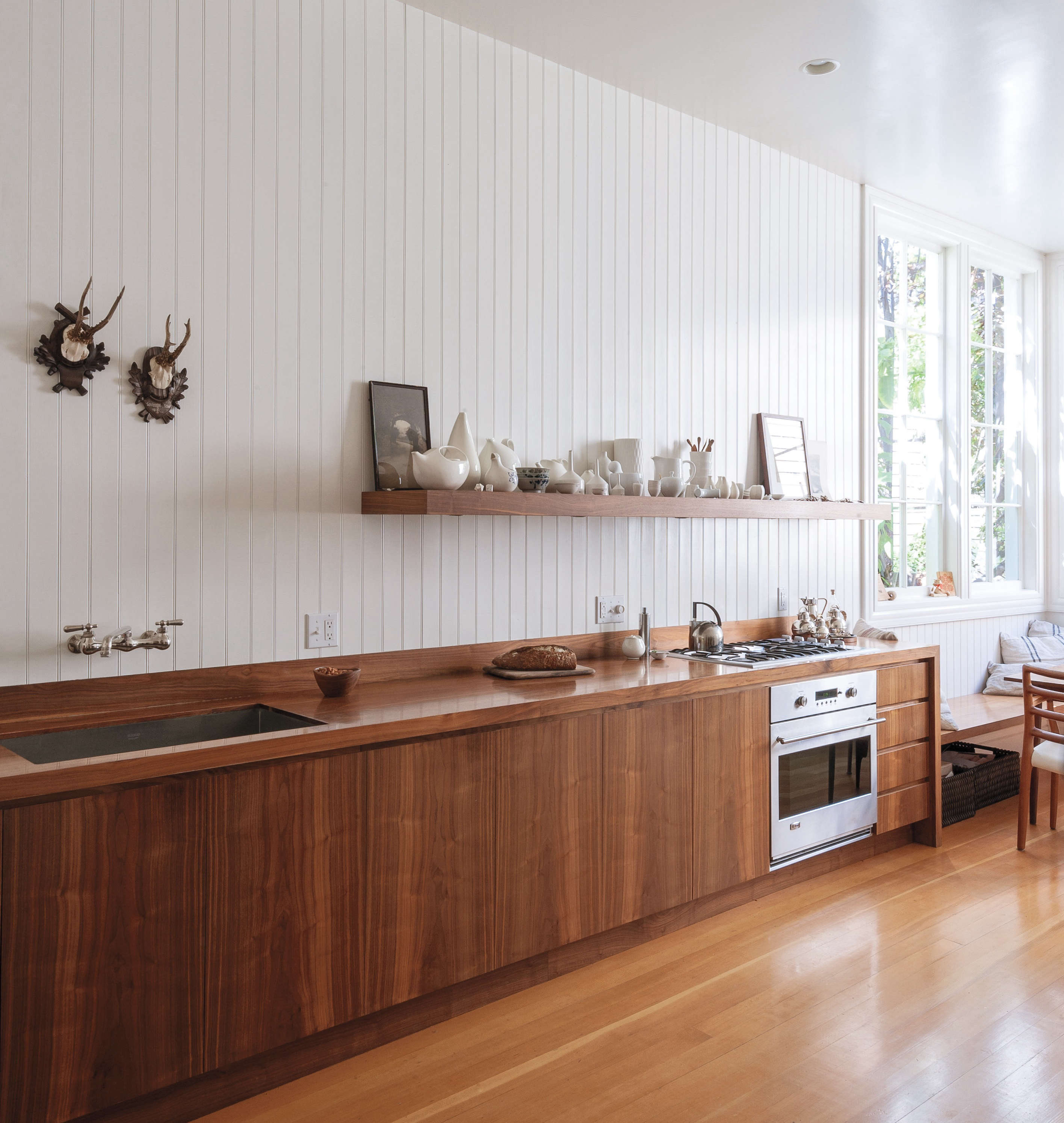
The 2018 Remodelista Considered Design Awards invited homeowners,ts, and organization enthusiasts to put their best spaces in front of a design-loving audience. It was not necessary to own a mansion, employ a celebrity decorator, or possess a kitchen island large enough to have its own ZIP code. Thoughtful design was the real attraction.
Entries were accepted from June 1 through June 22, 2018, across 13 categories presented by Remodelista, Gardenista, and The Organized Home. The competition celebrated projects that combined beauty with function, restraint, personality, and practical problem-solving. Although the 2018 entry period has long since closed, its structure remains a useful case study for anyone preparing a residential project for a design award, editorial feature, or professional portfolio.
What Were the 2018 Remodelista Considered Design Awards?
The Considered Design Awards were created to recognize spaces shaped by deliberate choices rather than decoration for decoration’s sake. Remodelista had organized the program since 2013, opening it to both design professionals and ordinary people who loved and improved their homes.
That inclusive structure was important. A professionally designed kitchen could compete in its own division, while a homeowner who planned a renovation independently could enter an amateur category. Renters, gardeners, and committed DIYers were also welcome when their projects matched the eligibility requirements.
In 2018, every eligible submission was reviewed by editors from Remodelista, Gardenista, and The Organized Home. Guest judges helped select up to five finalists in each category, and readers then voted for the winners. In other words, entrants first had to impress design experts and then survive the unpredictable enthusiasm of the internet.
The 13 Award Categories
Six Remodelista Interior Categories
Remodelista divided three major residential spaces into professional and amateur classifications:
- Best Kitchen Space Designed by Professionals
- Best Kitchen Space Designed by Amateurs
- Best Living and/or Dining Space Designed by Professionals
- Best Living and/or Dining Space Designed by Amateurs
- Best Bath Space Designed by Professionals
- Best Bath Space Designed by Amateurs
The professional-versus-amateur distinction concerned who designed the project, not who performed the construction. A homeowner could hire contractors and still qualify as an amateur if the homeowner independently developed the design. Conversely, a homeowner submitting a room created mainly by an architect or interior designer needed to enter the professional division and credit the designer.
The Organized Home Category
The Organized Home sponsored a seventh Remodelista-hosted category: Best Kitchen Organization Project. It was open to everyone and focused on whole-kitchen systems rather than one photogenic drawer containing six perfectly aligned wooden spoons.
Entrants could show pantry storage, cabinet interiors, spice organization, refrigerator layouts, under-sink solutions, open shelving, food storage, and other practical details. The strongest projects demonstrated how several organizational ideas worked together to make a kitchen easier to use.
Six Gardenista Categories
Outdoor projects could be submitted through Gardenista in six additional divisions:
- Best Landscape Designed by Professionals
- Best Garden Designed by Amateurs
- Best Outdoor Living Space Open to Everyone
- Best Curb Appeal Open to Everyone
- Best Edible Garden Open to Everyone
- Best Hardscape Project Open to Everyone
These categories covered everything from vegetable beds and entry paths to patios, pools, fences, terraces, outdoor kitchens, and full residential landscapes. Together, the indoor and outdoor divisions made the awards accessible to projects of many sizes and budgets.
Why Entering Was Worth the Effort
A Meaningful Prize
Each category winner received a $500 Schoolhouse gift card that could be used online or at the company’s stores. A prize like that could fund lighting, hardware, accessories, or another finishing detailbecause completing one renovation apparently makes people want to begin another.
Editorial Exposure
The greater reward was visibility. Winning projects were scheduled to receive full editorial profiles on Remodelista, Gardenista, or The Organized Home. Professional winners also gained automatic entry into the Remodelista and Gardenista Architect/Designer Directory.
For a designer, that coverage could introduce a studio to potential clients and editorial contacts. For an amateur, it offered validation that an independently designed room deserved a place beside professional work. Even nonwinning entries could be noticed by editors and considered for later coverage.
A Permanent Project Record
The contest pages also created an online archive of submissions, finalists, and winners. Remodelista’s 2018 archive ultimately displayed hundreds of entries, forming a visual record of the period’s kitchens, bathrooms, dining rooms, and organizational ideas.
Important Dates in the 2018 Awards Timeline
- June 1, 2018: The submission period opened.
- June 22, 2018: Entries closed at 11:59 p.m. Pacific Time.
- June 23 through July 8: Editors and guest judges reviewed submissions.
- July 9, 2018: Finalists were announced and public voting began.
- August 3, 2018: Reader voting ended.
- August 6, 2018: Category winners were announced.
Readers could vote once per day in each category. Finalists were permitted to publicize their entries, but duplicate voting, automated activity, and other forms of manipulation were prohibited. The rule was simple: enthusiasm was welcome; digital ballot-box acrobatics were not.
How to Build a Strong Design Award Submission
Choose the Correct Category
A beautiful project can still fail if it is entered in the wrong division. The 2018 rules applied a strict professional-versus-amateur policy. Anyone employed as a home or garden design professional, paid for work on the submitted project, or presenting the project as professional portfolio work needed to use the appropriate professional category.
Before entering any award, read the eligibility language carefully. Do not choose the category that appears easier to win. Choose the category that accurately describes the project and its design team.
Lead With the Best Photograph
Entrants could upload as many as 10 images, and the first photograph became the project’s cover image. That opening shot therefore needed to explain the room immediately. A judge should not have to inspect six close-ups of cabinet knobs before discovering that the submission is a kitchen.
Remodelista recommended beginning with a wide view, followed by supporting angles and detail photographs. Images needed to be sharp, level, and preferably taken in natural light. Borders, text overlays, and watermarks were discouraged. Photographs also could not show identifiable people.
The technical requirements included JPG, JPEG, or PNG files, a minimum width of 733 pixels, and a combined upload limit of 25 MB. Images between approximately 1,000 and 1,500 pixels wide were preferred, provided they had not been artificially enlarged.
Tell the Project’s Real Story
Strong design photography attracts attention, but a clear description gives the images meaning. An effective entry explains the problem, the constraints, the important decisions, and the result.
Instead of writing, “We wanted a timeless kitchen,” describe what timeless meant in that particular house. Perhaps the owners preserved original woodwork, moved storage into a former passageway, reused existing cabinets, or selected durable materials for children and pets. Specific details are more persuasive than a paragraph filled with “elevated,” “curated,” and “bespoke” until all three words need a nap.
Secure Permission and Credit Everyone
Entrants were responsible for having the right to submit every photograph and for obtaining permission from photographers and other rights holders when necessary. The submission process also required accurate project information and contributor credits.
This remains essential for modern awards and editorial pitches. Confirm image licenses before submitting, record the photographer’s preferred credit, and identify the architect, designer, builder, landscape professional, stylist, fabricator, and homeowner as appropriate.
What the 2018 Winners Can Teach Future Entrants
The winning projects did not rely on one identical aesthetic. They included rustic retreats, renovated bungalows, modern kitchens, carefully organized farmhouses, and bathrooms that balanced practicality with character.
The Hunt Sunday House in Texas won the amateur kitchen category, while Seattle’s Montlake Residence received recognition in the professional kitchen division. The Whitetail Farmhouse won for kitchen organization. Other winners included a Craftsman bungalow guest bathroom in Georgia, a modern farmhouse bathroom in California, the Hunter Greenhouse in the Catskills, and a Spanish bungalow renovation in Pasadena.
These projects suggest several useful principles. First, the design should suit the architecture and location rather than chase an unrelated trend. Second, materials and storage should solve real problems. Third, the photography should reveal how the space works. Finally, a memorable project usually has a point of view. “Nice room with fashionable objects” is pleasant; “clever transformation with a clear purpose” is award material.
Common Submission Mistakes to Avoid
- Entering the wrong division: Misclassifying professional work as amateur can lead to disqualification.
- Using weak opening photography: The cover image should show the project clearly and attract attention at thumbnail size.
- Submitting repetitive photos: Ten nearly identical angles do not create a stronger story.
- Overstyling the space: Props should support the design, not make the room look as though a decorative pumpkin convention just ended.
- Writing vague descriptions: Explain the project’s challenge, decisions, and measurable improvements.
- Ignoring image rights: Permission from the photographer and relevant contributors should be secured before entry.
- Waiting until the deadline: Upload limits, file names, captions, and internet connections become remarkably mischievous at 11:57 p.m.
A Practical Design Award Submission Checklist
- Review all categories and eligibility definitions.
- Confirm that the project has not been excluded by previous publication or prior award rules.
- Collect image permissions and contributor credits.
- Select one strong wide shot as the cover image.
- Add supporting views that show circulation, materials, storage, and details.
- Remove blurry, tilted, repetitive, or heavily filtered photographs.
- Write a concise description centered on the design problem and solution.
- Check image dimensions, formats, and total file size.
- Proofread every title and caption.
- Submit early enough to correct technical problems.
Experience: What Preparing an Entry Typically Feels Like
Preparing a design award entry often begins with unreasonable confidence. The entrant opens a folder containing 400 project photographs and thinks, “I will choose the best 10 before lunch.” Three hours later, the entrant is comparing two nearly identical photographs of a faucet while wondering whether the second one feels more emotionally available.
The process becomes easier when the project is treated as a short visual story. Start by identifying the central transformation. Perhaps a dark kitchen became a bright family workspace, an awkward dining room gained useful storage, or a tiny bathroom was reorganized without changing its footprint. That transformation becomes the filter for every image and sentence.
The first photograph should establish the whole project. The second might show the main functional improvement. Later photographs can reveal custom joinery, restored materials, hardware, storage, or an important transition between spaces. When two images communicate the same information, keep the stronger one. Judges have limited time, and no award has ever been secured by the seventh photograph of the same sink.
Writing the description usually exposes details that photography alone cannot communicate. A modest-looking cabinet may conceal plumbing, appliances, recycling bins, and pantry storage. Reclaimed flooring may have been selected to match an original room. A window may have been moved three feet to bring morning light onto a work surface. These decisions are the project’s intellectual structure, and they deserve more attention than a list of paint colors.
Another valuable part of the experience is assembling accurate credits. Renovations are collaborative, even when the homeowner develops the design. Builders, cabinetmakers, architects, landscape designers, craftspeople, photographers, and stylists may all contribute. Recording their roles prevents confusion and makes the final entry more professional.
A mock review can also reveal problems. Show the draft to someone who has never visited the space. Ask what changed, why it matters, and which photograph is most memorable. When the answers are unclear, the entry needs editing. Familiarity often causes entrants to skip explanations because they already know why a narrow shelf, hidden door, or unusual material was important.
Finally, submit before the deadline. An early entry allows time to replace a corrupted file, correct a caption, or discover that a vertical photograph does not meet the required minimum width. Once the form is complete, save copies of the text, image order, credits, and confirmation message.
Whether or not the project becomes a finalist, the work is rarely wasted. The finished package can support a portfolio, website feature, social campaign, client presentation, or editorial pitch. Award preparation forces the entrant to understand and communicate the project more clearlyand that may be the most useful prize of all.
Conclusion
The 2018 Remodelista Considered Design Awards celebrated more than expensive remodeling. They recognized rooms, gardens, and organizational systems shaped by intelligent decisions and presented through clear photography and honest storytelling.
The submission period ended on June 22, 2018, so new projects can no longer be entered in that edition. However, its rules still provide a practical blueprint for preparing award-worthy work: select the correct category, show the entire space, explain the problem and solution, credit every contributor, and make each image earn its place.
A compelling design entry does not need to shout. It needs to show what changed, why the choices mattered, and how the finished space improved everyday life. Thoughtfulness photographs surprisingly well.
SEO Information
Note: This article covers a historical competition. Entries for the 2018 Remodelista Considered Design Awards closed on June 22, 2018.