Some archaeological discoveries sparkle. Some rewrite history. And some make everyone nearby wish they had packed a clothespin for their nose. The story behind Rotten Eggs Smell – Archaeologists Find Ancient Eggs has a little bit of everything: Roman Britain, a waterlogged pit, a basket of fragile eggs, a burst of sulfurous odor, and one astonishing survivor that kept its secrets for roughly 1,700 years.
At first glance, ancient eggs might not sound like the headliners of archaeological drama. Coins? Sure. Golden jewelry? Absolutely. A dusty old egg? That sounds more like the beginning of a failed brunch than a breakthrough in science. But this discovery turned out to be extraordinary. Archaeologists working near Aylesbury in England uncovered Roman-era eggs so delicate that several broke during recovery, releasing the unforgettable smell associated with rotten eggs. One egg, however, survived intact and later stunned experts when scans suggested it still held liquid inside.
That combination of smell, survival, and scientific potential is exactly why this find has captured so much attention. It is not just a quirky story for history lovers. It offers a rare glimpse into Roman ritual behavior, ancient preservation, archaeozoology, and the strange ways time can protect the most fragile objects. In other words, history sometimes arrives with a wow factor and a warning label.
The Ancient Egg Discovery That Made Headlines
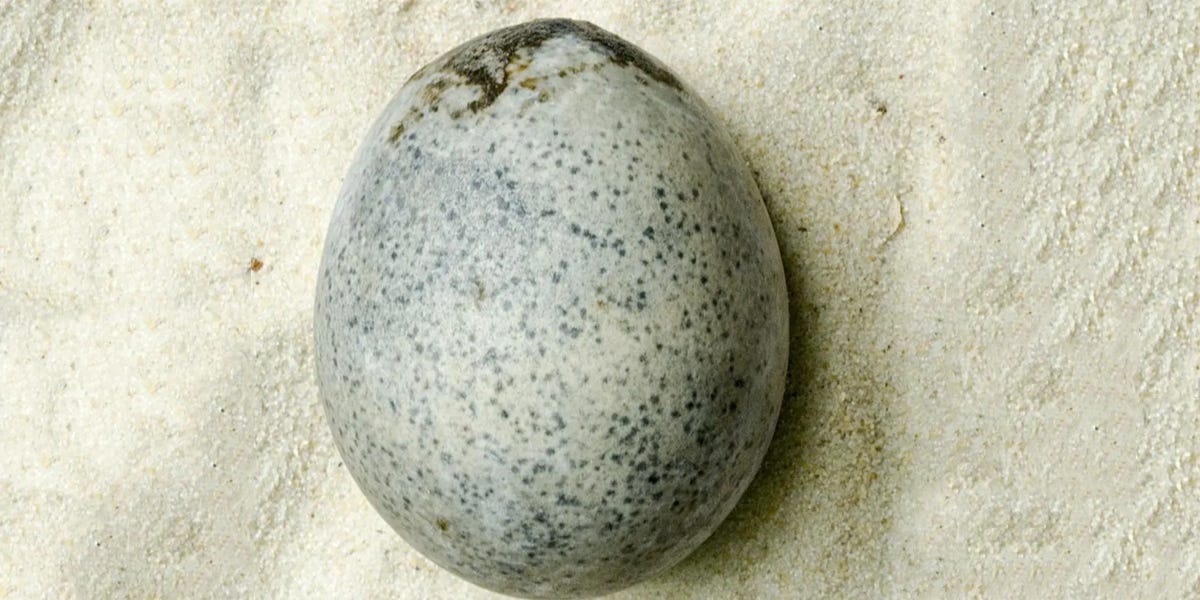
The discovery came from Berryfields, near Aylesbury, where archaeologists were investigating a site with evidence of Roman occupation. Among the finds were pottery vessels, coins, leather shoes, animal bone, and a woven basket that held eggs. That alone would have been impressive, because eggshells from the Roman period usually survive only in broken fragments. Whole eggs are another matter entirely.
What made this site so remarkable was the condition of the deposit. The eggs had been preserved in a wet, oxygen-poor environment. That waterlogged setting created the kind of archaeological miracle workers dream about: organic materials that normally decay simply did not break down in the usual way. Basketry survived. Leather survived. And, against all odds, one Roman egg survived nearly whole.
Of course, archaeology is not always gentle theater. Several of the eggs fractured during excavation. When they did, they released the kind of smell that needs no translation across centuries. A rotten egg smell is instantly recognizable, and in this case it linked modern noses directly to ancient organic matter. That awful aroma was not just gross; it was evidence. It suggested that the eggs had retained original material for an incredibly long time.
Later examination of the surviving egg pushed the story from memorable to almost unbelievable. A micro-CT scan indicated that the shell was not merely intact on the outside. It also appeared to contain liquid remains inside, likely related to the original yolk and albumen. That gave archaeologists and conservators a new problem to solve: how do you study a once-in-a-lifetime egg without turning it into the world’s oldest omelet accident?
Why Rotten Eggs Smell So Terrible
Let’s pause for the science, because the smell matters here. The classic rotten egg smell is associated with sulfur compounds, especially hydrogen sulfide. That gas is notorious for its sharp, unpleasant odor. When proteins containing sulfur break down, they can produce compounds that create that signature smell. In ordinary life, that odor may come from spoiled eggs, well water, marshy environments, or decomposing organic material.
So when archaeologists described a sulfurous stench from ancient eggs, the chemistry made sense. The eggs had been buried in conditions that slowed full decay, but when the shells broke and the contents were exposed, trapped compounds and decayed organic material had a chance to announce themselves in the least polite way possible. It was one of those moments when science and smell shook hands.
There is something wonderfully humbling about that detail. Empires rise and fall. Roads disappear. Buildings collapse. Yet a rotten egg still smells exactly like a rotten egg. Human beings in the Roman world would have known that odor just as quickly as archaeologists did. Some experiences are universal, and unfortunately for the excavation team, sulfur appears to be one of them.
How a 1,700-Year-Old Egg Survived
The real miracle of the story is preservation. Eggs are fragile under ideal conditions. Leave one too long in the back of a modern refrigerator and it becomes a tiny biology lesson. Bury one in the ground for centuries and, under normal circumstances, you would expect nothing but scattered shell fragments. That is why the Berryfields discovery stands out.
The waterlogged pit created an anaerobic environment, meaning there was very little oxygen available. Oxygen is a major driver of decay, especially for organic materials. Without much oxygen, the bacteria and chemical processes that usually destroy delicate remains were slowed. The soft wet silt also helped physically support the eggs, preventing them from being crushed by soil pressure over time.
This explains why the egg did not simply collapse into powder. The shell remained intact because the internal contents did not dry out and the surrounding environment stayed relatively stable. It is a reminder that archaeology is often a story of survival through circumstance. A dry site tells one kind of history. A wet site tells another. In rare cases like this, a wet site tells a story with a shell on it.
Experts have described the surviving egg as uniquely important because it appears to be an unintentionally preserved avian egg of great antiquity. That distinction matters. Museums have older eggs in some collections, but those were often preserved deliberately through mummification or other special conditions. This egg seems to have endured by accident, which makes its survival all the more astonishing.
What the Egg Reveals About Roman Britain
Ancient eggs are not just oddities. They can reveal real information about daily life, ritual practice, food, farming, and animal management. In Roman Britain, eggs carried symbolic meaning and were associated with fertility, rebirth, and offering. Archaeologists believe the Berryfields eggs may have been deposited intentionally, possibly as votive offerings or as part of funerary or ritual activity.
The context supports that interpretation. The pit may first have served a practical purpose connected to water, malting, or brewing before taking on a more symbolic role. Objects placed in wet places often suggest ritual deposition in Roman archaeology, especially when the finds include items that appear intentionally arranged rather than casually discarded. A basket, vessels, coins, and eggs together do not look like random kitchen waste. They look like a meaningful deposit.
That helps shift the story away from “wow, old egg” and toward a richer understanding of Roman life. Eggs may have been food, but they were also symbols. In the ancient world, objects could carry both practical and spiritual meaning at once. That dual role is part of what makes archaeology so fascinating. A simple egg can move from breakfast to belief system in a single trench.
There is also the bird itself to consider. If researchers can identify the species with greater certainty, the find may contribute to the study of domestic fowl in Roman Britain. It could offer clues about husbandry, trade, breeding, and the spread of animals through the Roman world. Tiny details sometimes carry huge interpretive value. History loves hiding in plain sight.
The Challenge of Studying an Egg Without Destroying It
Once archaeologists realized the surviving egg still contained liquid, conservation became the star of the show. You cannot just crack a find like this open and hope for the best. Every move has to balance curiosity with preservation. Modern imaging made the first stage possible. A micro-CT scan allowed researchers to look inside without smashing the shell, revealing a liquid mass and air sac.
That scan was more than a neat picture. It was proof that the egg held research potential far beyond its shell. Conservators and scientists could begin planning how to extract material in a controlled way, ideally after creating highly detailed models and careful preservation strategies. The process has been compared to blowing an egg, but on a vastly more delicate level. Imagine doing arts and crafts with a 1,700-year-old artifact and a room full of experts holding their breath.
This is where archaeology becomes part science, part patience, part nerves of steel. A dramatic discovery does not end in the field. It enters the slower, less glamorous, but deeply important phase of imaging, stabilizing, documenting, and deciding what questions matter most. What species laid it? What exactly remains inside? Was the egg fertilized? Can proteins, lipids, or DNA survive? Each answer could open a new chapter in the study of ancient animal remains.
Why the Public Loves This Story
There is a reason this ancient egg story spread so quickly. It combines everything people enjoy about archaeology: surprise, sensory detail, scientific mystery, and a wonderfully ordinary object made extraordinary by time. Not everyone gets excited about ceramics typology. But everyone understands an egg. And everyone understands the universal truth that rotten eggs smell horrific.
The story also works because it makes the ancient world feel close. Roman Britain can seem remote, all roads and ruins and textbook captions. But an intact egg with a sulfurous smell collapses that distance. Suddenly the past is not abstract. It is physical, funny, vivid, and weirdly relatable. Someone in antiquity handled these eggs. Someone placed them carefully in that pit. And centuries later, modern experts discovered that time had not erased every trace of them.
In the age of viral headlines, this is one of those rare stories that earns the attention. It is bizarre without being fake, entertaining without being empty, and important without needing to shout. It proves that archaeology is not only about kings, battles, and treasure. Sometimes it is about one stubborn egg refusing to disappear.
Experiences Related to “Rotten Eggs Smell – Archaeologists Find Ancient Eggs”
What makes this topic so memorable is not just the fact of the discovery, but the experiences wrapped around it. Even if you were not standing at the excavation trench, you can almost feel the sequence unfold. First comes the slow work of digging through wet soil, where every trowel movement has to be careful because organic finds can be unbelievably fragile. Then comes the surprise of seeing something round and pale emerge from mud that has been holding its breath for centuries.
Imagine the tension on site. An object is identified as an egg, which already feels improbable. Then another appears. And another. Suddenly the excavation is no longer routine. Every person nearby knows they are dealing with something rare. There is the excitement of discovery, yes, but also the rising fear that one careless move could destroy the evidence. Archaeology often looks calm from the outside, but moments like this are full of quiet panic.
Then comes the sensory experience no one asked for: the smell. When ancient eggs cracked and released a sulfurous odor, that was probably the kind of moment people remember long after reports are filed and finds are cataloged. The smell would have transformed the discovery from visually interesting to fully immersive. It is one thing to see the past. It is another to smell it. Museums usually spare us that part, and perhaps that is for the best.
There is also the experience of conservation, which is its own kind of drama. Instead of dramatic music and whips, the real action happens under lights, scanners, and careful hands. A surviving egg is moved, supported, imaged, and studied with extraordinary caution. Every trip between institutions becomes a nerve-racking mission. Every scan result feels like a plot twist. When experts discovered that liquid still remained inside, the experience must have shifted from hopeful curiosity to genuine amazement.
For museum visitors and readers, the experience is different but still powerful. Stories like this turn archaeology into something immediate. You do not need specialist training to understand why an intact ancient egg is amazing. You can picture its fragility. You can laugh at the rotten smell. You can appreciate the weird brilliance of a waterlogged pit acting like nature’s accidental storage locker. That accessibility matters. It helps the public connect with archaeological work as something alive, surprising, and deeply human.
There is even a philosophical side to the experience. An egg is a symbol of life, food, renewal, and fragility. To find one still present after 1,700 years feels almost poetic. It reminds us that history does not survive only in monuments and inscriptions. Sometimes it survives in everyday things people once carried, offered, used, or discarded. A humble egg can hold a whole chain of experiences: Roman ritual, burial environment, excavation shock, conservation skill, and modern fascination.
That may be the deepest appeal of Rotten Eggs Smell – Archaeologists Find Ancient Eggs. It invites people into archaeology through a detail that is funny, gross, and unforgettable, then leaves them with a stronger appreciation for how the past is recovered. It is not every day that one ancient egg manages to be scientific evidence, cultural symbol, media sensation, and cautionary tale for anyone tempted to underestimate breakfast foods.
Conclusion
The story of ancient eggs found by archaeologists is more than a novelty headline. It is a rare example of how preservation, context, and science can combine to turn a fragile everyday object into a major archaeological event. The Berryfields egg matters because it survived where almost nothing like it should have. It matters because the smell confirmed organic survival in the most dramatic way possible. And it matters because it may still reveal new details about Roman ritual, birds, and life in ancient Britain.
In the end, this is the kind of discovery that sticks with people. Not because it is polished or glamorous, but because it is strange, human, and wonderfully real. History, it turns out, does not always smell like old books. Sometimes it smells like rotten eggs.