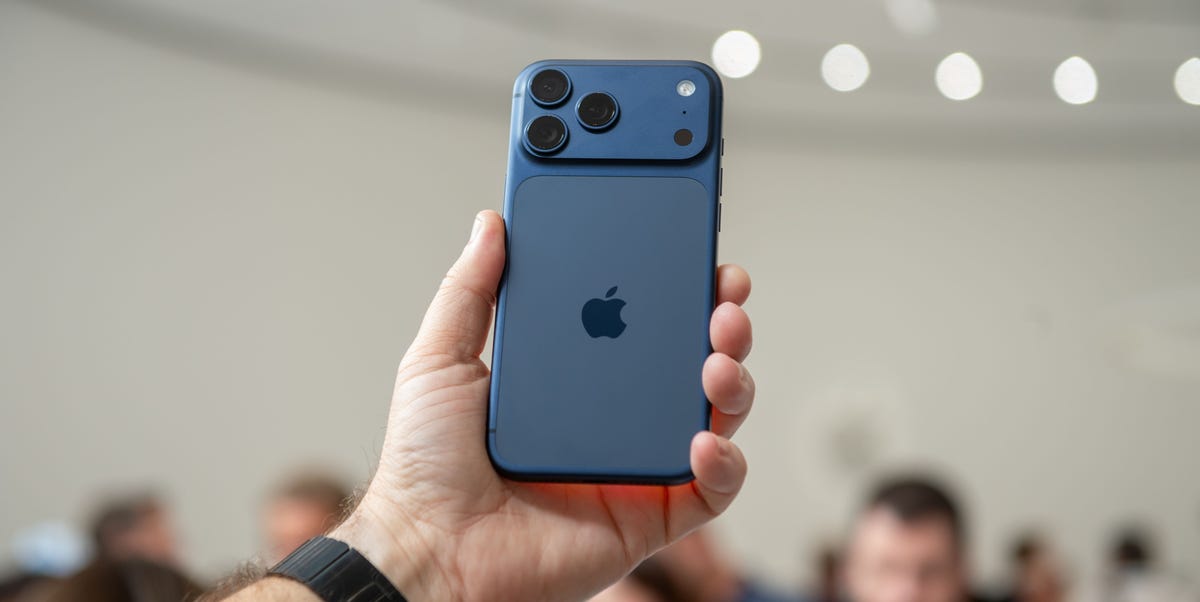
If you just spent premium-phone money on an iPhone 17 Pro or iPhone 17 Pro Max, congratulations: you now own a gorgeous slab of power, polish, and mild financial anxiety. The next move is obvious. You need a case. But not just any case. You need the right casethe one that protects your phone without turning it into a brick, works with MagSafe, doesn’t make Camera Control feel weird, and still lets your expensive device look like something more elegant than a tactical lunchbox.
That is where a lot of buyers get stuck. One case promises military-grade drop protection. Another swears it is ultra-thin. A third looks stunning but seems about as protective as a polite suggestion. And then there is the classic trap: buying a case because it looks good online, only to discover it is slippery, bulky, weak with magnets, or impossible to love after three days in a pocket.
This guide breaks down how to buy the perfect case for your iPhone 17 Pro or Pro Max using real-world buying logic, not just marketing buzzwords. We will look at fit, materials, MagSafe, grip, drop protection, camera coverage, comfort, and price so you can choose a case that matches how you actually use your phone every day.
Step One: Buy for the Exact Model, Not the Vibe
This sounds painfully obvious, yet it is where plenty of people get tripped up. The iPhone 17 Pro and iPhone 17 Pro Max are not the same size, and last year’s cases are not safe “close enough” picks either. The iPhone 17 Pro is more compact, while the Pro Max is noticeably larger and heavier, so your case needs to match the exact model from the start.
If you are shopping carefully, treat the dimensions as part of the buying checklist. The iPhone 17 Pro measures 150.0 x 71.9 x 8.75 mm, while the iPhone 17 Pro Max comes in at 163.4 x 78.0 x 8.75 mm. That larger footprint changes everything from one-handed comfort to pocket fit to how much bulk a rugged case will add. In plain English: a case that feels pleasantly protective on the Pro may feel like a small cinder block on the Pro Max.
That is also why reusing an older case is a bad bet. Even tiny differences in camera layout, button placement, thickness, or edge shape can ruin the fit. A case that “basically works” often becomes a daily annoyanceloose corners, awkward button response, blocked accessories, poor camera ring alignment, and wobbly table use included.
Step Two: Decide How Much Protection You Actually Need
Most case shoppers don’t need maximum protection. They need the right amount of protection. That distinction matters because every extra layer of defense usually adds weight, thickness, or stiffness.
Minimalist Protection
A slim case works best if you rarely drop your phone, mostly use it indoors, and care a lot about keeping the iPhone sleek. These are great for people who hate bulk, but they are not ideal for commuters, travelers, parents of tiny chaos gremlins, or anyone whose phone regularly meets concrete.
Everyday Protection
This is the sweet spot for most people. A good everyday case gives you raised edges, solid corner impact protection, grippy sides, reliable MagSafe magnets, and enough structure to survive the usual pocket, bag, desk, couch, and pavement drama of real life. If you only buy one case and want no regrets, start here.
Rugged Protection
Choose a rugged case if your phone lives a harder life than average: job sites, outdoor travel, lots of movement, frequent drops, or heavy daily use. These cases are thicker and less elegant, but they can be worth it. The catch is simple: if you hate the way your case feels, you will hate using your phone. A fortress is not useful if it makes your pocket feel like it is storing a brick sandwich.
Step Three: Pay Attention to Camera Control Compatibility
On the iPhone 17 Pro and Pro Max, Camera Control is not a side feature. It is part of the experience. That means a case needs to work with it well, not merely leave a hole nearby and hope for the best.
Some of the better case makers now build in a dedicated Camera Control button or a thoughtfully engineered cover that preserves swipes, clicks, and smooth interaction. That is the smarter design. A bad cutout can feel awkward, collect dust, and make an otherwise premium case feel cheap.
So when you compare cases, do not just ask, “Does it fit?” Ask, “Does it work naturally with Camera Control?” If a product page mentions precise finger movement support, integrated button design, or seamless Camera Control response, that is a strong sign the brand actually accounted for real use instead of just carving out a hole and calling it innovation.
Step Four: MagSafe Is No Longer Optional for Many Buyers
If you use magnetic charging, wallet attachments, stands, car mounts, or desk accessories, MagSafe is not a nice extra. It is a core feature. The iPhone 17 Pro lineup supports fast MagSafe and Qi2 wireless charging, so a weak magnetic case can quietly sabotage one of the best parts of owning the phone.
That means you want more than the word “compatible” on the box. You want strong magnets, reliable alignment, and a case that does not slide around on a mount like it is trying to escape responsibility. If you use a wallet, a car mount, or a grip accessory, strong magnetic hold matters every single day.
This is also where premium and midrange cases separate themselves. Some brands emphasize stronger magnetic systems, while others focus on keeping the profile slim. Neither is automatically better. The right choice depends on whether your phone lives on a charger stand, in a car mount, or in your hand all day.
Step Five: Pick the Right Material for Your Lifestyle
Case material changes more than appearance. It affects grip, scratch resistance, how fast the case ages, how much lint it attracts, and whether you enjoy touching it fifty times a day. That last part matters more than marketing teams would like to admit.
Clear Cases
Clear cases are ideal if you want to show off the phone’s finish. The best ones now promise anti-yellowing coatings, but quality still varies. A cheap clear case can go from crystal-clear to “old takeout lid” faster than you think. If you go clear, look for brands that specifically mention anti-yellowing materials and raised camera and screen lips.
Silicone Cases
Silicone cases usually feel soft, grippy, and comfortable in hand. They are easy to recommend for everyday use because they absorb minor bumps well and tend to feel secure. Their downside is wear: they can attract lint, scuff over time, and age faster than harder finishes.
Woven or Fabric-Style Cases
These appeal to buyers who want texture and a more premium, less plasticky feel. Apple’s current direction in this category gives buyers a stylish, low-profile option, especially if they want an official case with a precise fit. Just remember that a beautiful texture is not a substitute for serious drop protection.
Hard Shell and Hybrid Cases
Hybrid designs mix hard backs with flexible bumpers, which often creates the best balance of structure and impact defense. Many of today’s best everyday iPhone cases live in this category because they combine grip, MagSafe support, and better corner protection without going full tank mode.
Fashion Cases
If style matters most, there are plenty of designer-forward and customizable cases that turn your phone into a mini accessory. That is completely valid. Just make sure the fashion choice still checks the basics: raised edges, decent grip, strong magnets, and a clean fit around the cameras and buttons.
Step Six: Check the Protection Details That Actually Matter
Drop-test claims are helpful, but they are not the whole story. One case may claim 10-foot protection, another may brag about 22 feet, and another may promise military-standard testing. Those numbers are useful for comparison, but only if the case still feels practical in daily life.
What matters more is how the protection is built. Look for these features:
- Raised screen lip: Helps protect the display when the phone lands face-down.
- Raised camera ring: Gives the camera housing extra buffer on tables and rough surfaces.
- Corner reinforcement: Corners take the worst impact in many drops.
- Firm sidewalls: Help reduce flex and improve grip.
- Scratch resistance: Especially useful for clear and glossy cases.
This is where smart buyers slow down and read past the hero image. A slim case can still be smartly engineered. A rugged case can still be awkward. The goal is not the most protection on paper. The goal is the most protection you will actually enjoy carrying.
Step Seven: Do Not Underestimate Grip
Let’s be honest: a lot of case shopping is really anti-drop shopping. And one of the best ways to prevent a drop is not to drop the phone in the first place. That is why grip is one of the most underrated features in a great iPhone 17 Pro or Pro Max case.
Textured backs, grippy sides, soft-touch finishes, and slightly tacky materials all help. In fact, many reviewers now praise cases that feel secure in the hand more than ones that simply look impressive on a spec sheet. A slippery case can undo all its other advantages. It might be slim, beautiful, magnetic, and premium, but if it slides out of your hand while you are stepping out of a cab, it has already failed the assignment.
This point matters even more on the Pro Max. Larger phones naturally feel more top-heavy and more noticeable in one-handed use. Add a glossy case with minimal grip, and you have basically created a tiny expensive fish.
Step Eight: Think About Bulk Before You Click “Buy”
Protection is good. Ergonomics are also good. The perfect case lives somewhere between the two.
If you carry your phone in jeans, small bags, coat pockets, or your hand for long periods, case thickness matters. A rugged case can turn the iPhone 17 Pro Max into something that feels closer to a field device than a premium phone. Some people love that. Others regret it by lunchtime.
The easiest way to choose is to think about where your phone spends most of its life. If it usually sits in a car mount, bag, or backpack, a slightly thicker case may not bother you. If it lives in your palm, pocket, or blazer, slim-to-medium protection will probably make you happier in the long run.
Step Nine: Match the Case to Your Routine
The best case for your friend, coworker, or favorite reviewer may still be the wrong case for you. Buying based on lifestyle is smarter than buying based on hype.
For the Commuter
Choose a grippy MagSafe case that works well with car mounts and doesn’t feel bulky in a pocket. A built-in stand is a bonus for trains, airports, and lunch breaks.
For the Frequent Traveler
Prioritize stronger drop protection, secure magnets, scratch resistance, and maybe a strap attachment point. Travel is where phones get juggled, rushed, and punished.
For the Minimalist
Go slim, but do not go flimsy. You still want raised edges and reliable magnets. Thin does not have to mean fragile.
For the Style-First Buyer
Pick a design-forward case from a reputable brand, but treat good protection as non-negotiable. Beauty is great. Broken lenses are less great.
For the Accident-Prone
You know who you are. Stop pretending a featherweight shell will suddenly turn you into a careful person. Buy the protective case. Future you will be thrilled.
What a Smart Budget Looks Like
You do not need to overspend, but this is not the accessory where the absolute cheapest option usually wins.
Under $25: Good for basic coverage, especially if you find a solid clear or simple TPU case. Just verify MagSafe strength, button feel, and anti-yellowing claims.
$25 to $50: Often the best value range. This is where you start seeing stronger magnets, better materials, more grip, built-in stands, and better long-term durability.
$50 to $80 and up: This tier usually adds premium finishes, stronger drop ratings, refined design, better tactility, and more polished details. It can be worth it if you care about feel, look, and accessory performance every day.
In other words, do not buy a $1,000-plus phone and then choose a terrible $8 case that feels like it came free with a mystery charger from 2017.
Red Flags to Avoid
- A listing that vaguely says it fits “iPhone 17 series” without clearly naming Pro or Pro Max.
- No mention of MagSafe when the product photos clearly show a magnetic ring.
- A huge cutout for Camera Control instead of a more refined design.
- No mention of raised edges, corner protection, or camera protection.
- Glossy clear plastic with no anti-yellowing claim and no scratch resistance details.
- Over-the-top drop claims with no practical info on thickness, weight, or real daily comfort.
A Simple Checklist Before You Buy
If you want the fastest path to the right case, run through this checklist:
- Did I choose the exact model: iPhone 17 Pro or iPhone 17 Pro Max?
- Does the case support MagSafe strongly enough for my chargers and accessories?
- Will Camera Control still feel natural?
- Are there raised edges around the screen and cameras?
- Does the material match my taste and my tolerance for lint, scratches, and yellowing?
- Will I still like the size and weight after carrying it every day?
- Am I buying for my real routine, not my fantasy life as a person who never drops anything?
Buying Experiences That Show What Actually Works
One of the most common experiences people have when shopping for an iPhone 17 Pro or Pro Max case is discovering that “best” is wildly personal. The buyer who loves a slim, barely-there shell often hates the same rugged case that a frequent traveler swears by. Meanwhile, the person who thought style did not matter ends up keeping the colorful, textured case simply because it feels better every time they pick up the phone.
A commuter’s experience usually starts with convenience. They want a case that slides into a pocket, works with a car mount, and feels secure while walking, texting, and juggling coffee like a modern circus act. In practice, these buyers are happiest with medium-protection MagSafe cases that have real grip and dependable magnets. They often regret ultra-smooth cases because those look sleek but feel slippery during one-handed use.
Pro Max buyers tend to learn a specific lesson very quickly: bulk compounds. A case that seems only “a little thicker” online can make a much larger phone feel dramatically heavier in daily use. Many people start with the most rugged option available, then switch to an everyday hybrid case after a week because the original choice feels too chunky in pockets, too wide for one-handed use, or too tiring during long scrolling sessions.
Minimalists usually have the opposite journey. They buy the thinnest case they can find because they love the phone’s shape and finish. For some people, that works beautifully. But others discover they miss a stronger grip, better camera protection, or firmer corners after a few close calls on tile, pavement, or kitchen counters. They do not necessarily go full rugged afterward; they just move up to a smarter everyday case with better edges and more confidence.
Travelers and parents often have the clearest priorities. They care less about shaving off a few millimeters and more about surviving motion, drops, bags, snack spills, and whatever chaos the day throws around. Their favorite cases usually include stronger corners, textured sides, proven magnetic performance, and sometimes stand features or strap anchors. These buyers often value practicality over aesthetics at first, then end up pleasantly surprised when a protective case also looks polished.
Style-focused shoppers often assume they must choose between fashion and function, but the market has improved enough that this trade-off is not as harsh as it once was. Plenty of people now buy cases based on color, artwork, pattern, or texture and keep them because the protection is good enough for real life. The key is not avoiding stylish cases; it is avoiding stylish cases that ignore the basics.
Another common experience is learning that button feel matters more than expected. A case can have strong magnets, nice color options, and a decent price, yet still annoy the user if the side buttons feel mushy or Camera Control becomes awkward. This is one of those details buyers rarely think about until after purchase, but once they notice it, they cannot unnotice it.
Then there is the clear-case crowd. These buyers want to show off the phone and usually begin with excitement and optimism. Their long-term happiness depends on whether the case stays clear, resists scratches, and does not become slippery. When clear cases are good, they are excellent. When they are bad, they age like milk left in a sunny car.
The best buying experience, ultimately, comes from choosing a case that fits your habits instead of your impulses. When buyers think about grip, weight, MagSafe strength, Camera Control, and daily comfort before checkout, they are far more likely to end up with a case they genuinely enjoy using rather than one they replace two weeks later.
Conclusion
The perfect case for your iPhone 17 Pro or Pro Max is not the one with the loudest promises. It is the one that fits your exact model, supports MagSafe properly, respects Camera Control, protects the screen and camera housing, feels good in your hand, and matches your real routine.
If you want the safest all-around pick, go for an everyday hybrid case with reliable magnets, raised edges, solid grip, and a comfortable profile. If you are hard on your gear, move up to rugged protection. If you care most about feel and form, choose a slim or design-forward casebut make sure it still covers the basics. In short, shop like a realist, not a marketing intern.
Your iPhone 17 Pro or Pro Max already does premium things. Your case should too.