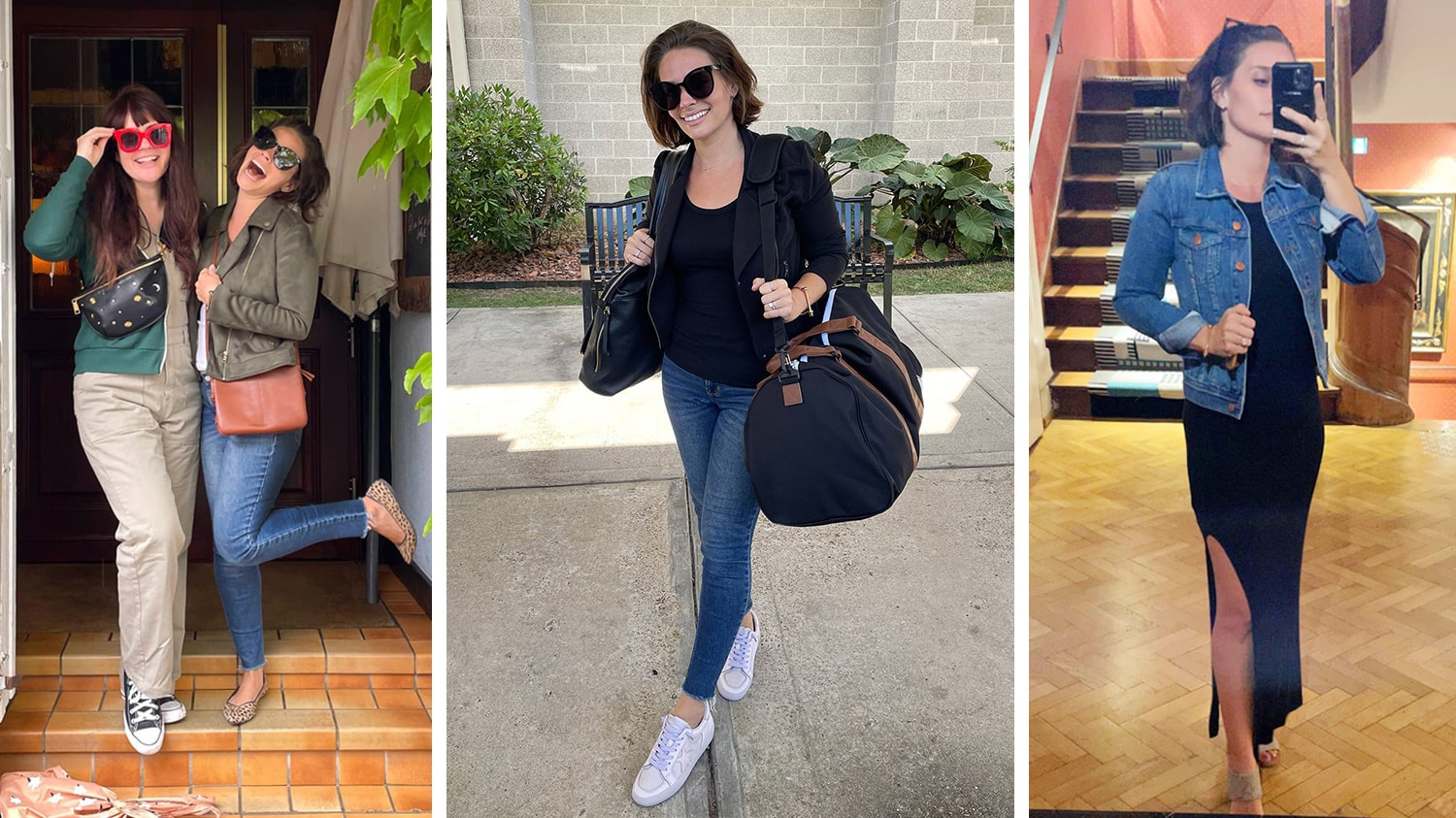
Paris is made for wandering. You may start the morning with coffee near the Canal Saint-Martin, spend the afternoon museum-hopping, and somehow end up at sunset beside the Seine with a pastry in one hand and a questionable amount of shopping in the other. What Paris is not made for is hauling a suitcase the size of a washing machine across cobblestones, métro stairs, and hotel elevators designed for approximately one person and one emotional-support baguette.
Learning how to pack light for Paris makes the trip easier, cheaper, and much more enjoyable. A smart Paris packing list helps you move quickly through airports, avoid baggage claim roulette, fit into small hotel rooms, and leave room for souvenirs. The goal is not to survive on two shirts and heroic optimism. The goal is to bring a small, versatile wardrobe that works for sightseeing, cafés, museums, dinners, changing weather, and all the unplanned detours that make Paris memorable.
Why Packing Light Is Perfect for Paris
Paris rewards travelers who can move easily. You may take the métro several times a day, climb stairs at stations, walk through busy markets, or squeeze into a boutique where your suitcase would be treated like an invading army. A carry-on suitcase or travel backpack gives you freedom to change hotels, take trains, and walk farther without feeling as though you are transporting a small apartment.
There is another benefit: a lighter bag creates a lighter itinerary. You are more likely to say yes to a spontaneous stop in Le Marais, a long lunch in Montmartre, or a late-night walk after dinner when you are not worried about guarding, dragging, or repacking an oversized suitcase. Paris has enough drama already. Your luggage does not need a supporting role.
Choose the Right Carry-On Bag First
Your bag determines how much you pack, so choose it before choosing clothes. Look for a lightweight carry-on that meets your airline’s current size and weight restrictions. A rolling suitcase is convenient for smooth airport floors, while a travel backpack can be easier on stairs, uneven sidewalks, and crowded train stations. Neither option is automatically better; the best one is the bag you can lift, wheel, carry, and close without requiring a motivational speech.
Bring one small personal item for essentials. A zip-top tote, compact backpack, or secure crossbody bag should hold your passport, phone, wallet, medication, charger, power bank, headphones, snacks, and one light layer. Keep valuables close in crowded areas such as airports, train stations, the métro, and major attractions. A secure bag is not glamorous, but neither is replacing your phone during a vacation.
Create a “First 24 Hours” Personal Item
Your personal item should contain everything you would need if your main bag were delayed. Pack a clean shirt, underwear, travel-size toiletries, medication, charging cables, travel documents, and a lightweight sweater or scarf. This small emergency kit gives you peace of mind without making you look like you are preparing for a wilderness expedition through Terminal 2.
Build a Paris Capsule Wardrobe
The easiest way to pack light for Paris is to create a travel capsule wardrobe. This means bringing a limited number of clothing pieces that mix and match naturally. Instead of packing a separate outfit for every day, choose clothes that can be worn in multiple combinations.
Start with two or three neutral colors. Black, navy, cream, gray, camel, denim blue, olive, and chocolate brown are easy to combine. Add one accent color, print, or interesting accessory if you want personality. A bright scarf, patterned blouse, statement earrings, colorful socks, or lipstick can make repeat outfits feel different without taking up much space.
Before putting anything in your suitcase, ask three questions:
- Can I wear this at least three times?
- Does it work with at least two other items?
- Can it be layered for different weather or occasions?
If the answer is no, leave it home. A shirt that only works with one pair of pants is not a wardrobe item. It is a demanding houseguest.
A Simple Seven-Day Paris Packing Formula
For a week in Paris, most travelers can build plenty of outfits with the following basics:
- Two bottoms, such as jeans, trousers, skirts, or lightweight pants
- Four to five tops that coordinate with both bottoms
- One long-sleeve shirt or button-down for layering
- One lightweight sweater, cardigan, or merino knit
- One polished layer, such as a blazer, overshirt, chore jacket, or structured cardigan
- One dress, jumpsuit, or elevated dinner outfit
- One weather-ready outer layer
- Sleepwear, underwear, socks, and workout gear only if you truly plan to use it
This formula is flexible. Travelers who prefer dresses can pack two dresses and fewer bottoms. Business travelers may need one more polished outfit. The key is not following a fashion rulebook; it is making every piece work with the rest of the bag.
Choose Travel-Friendly Fabrics
Fabrics matter when you are living out of one carry-on. Merino wool is useful because it is lightweight, breathable, and can be reworn without holding odor as quickly as some fabrics. Cotton, Tencel, ponte, lightweight denim, linen blends, and wrinkle-resistant technical fabrics can also work well.
Pure linen is beautiful for summer Paris, but it wrinkles like it has a personal grudge. Linen blends are often easier to manage. Look for fabrics that dry fairly quickly, feel comfortable on long walking days, and do not need a full ironing ceremony after one night in a packing cube.
Bring Shoes That Can Handle Paris
Comfortable shoes are one of the most important items on any Paris packing list. Even travelers who use the métro often walk much more than expected. Museums are large, sidewalks are long, and cobblestones do not care how expensive your shoes were.
For most trips, bring two pairs of shoes, or three at the absolute maximum. Wear the bulkiest pair on the plane. A practical combination might include supportive sneakers or walking shoes for daytime, plus loafers, flats, ankle boots, sandals, or another dressier option for dinners. Choose shoes you have already worn for several long days at home.
New shoes may look spectacular in your hotel mirror. Blisters look considerably less spectacular while standing in line for the Louvre.
Pack for Paris Weather With Layers
Paris weather can change quickly, especially in spring and fall. The answer is not packing an entire closet for every possible forecast. The answer is layers. Start with a breathable top, add a sweater, cardigan, or overshirt, and bring an outer layer that works with every outfit.
Spring and Fall Packing
Bring long-sleeve tops, a lightweight sweater, closed-toe walking shoes, a scarf, and a trench coat or water-resistant jacket. A compact umbrella can be useful, but a rain jacket is often easier when your hands are busy holding a coffee, map, or pastry.
Summer Packing
For summer, choose breathable fabrics such as cotton, linen blends, and lightweight knits. Pack sunglasses, sunscreen, a light overshirt, and comfortable shoes for long walks. A dress, shorts, linen trousers, or breathable skirt can all work well, but bring one light layer for cool evenings, museums, and air-conditioned flights.
Winter Packing
Winter requires warmth without turning your suitcase into a puffy-cloud storage unit. Wear your largest coat and heaviest boots during travel. Pack thermal layers, warm socks, gloves, a scarf, and one compact sweater. A single high-quality coat that works with every outfit is better than multiple bulky jackets that only work with one look.
Keep Toiletries Small and Simple
For flights departing the United States, follow the TSA 3-1-1 liquids rule: liquids, gels, creams, aerosols, toothpaste, and similar products should be in containers of 3.4 ounces or 100 milliliters or less, packed inside one quart-size clear bag. This rule applies to more products than many travelers expect, including sunscreen, moisturizer, hair gel, foundation, and some makeup items.
Solid alternatives can save space. Shampoo bars, bar soap, powder makeup, solid perfume, and makeup sticks can reduce the pressure on your liquids bag. Pack medication in your personal item, ideally in labeled containers. For easy-to-replace basics, buy travel sizes or purchase them after arrival. Paris has pharmacies, supermarkets, and enough skincare options to make your bathroom cabinet feel insecure.
How To Fit Everything Into One Carry-On
Lay out every item before packing. Build outfits for your main activities, then identify what can be repeated. This visual step is important because overpacking usually happens one anxious “just in case” item at a time.
Use packing cubes to organize categories, not to smuggle an entire second wardrobe into your suitcase. Roll soft clothes, fold structured pieces, and place socks or small accessories inside shoes. Put heavier items near the wheels of a rolling suitcase. Bring one lightweight laundry bag or zip bag for worn clothing so your clean clothes do not slowly merge into a mysterious fabric ecosystem.
Do a Trial Pack
Pack your bag a few days before departure. Lift it, wheel it around your home, and make sure it closes easily. Then remove two items. Most travelers do not regret bringing less. They regret bringing the third pair of shoes that never left the suitcase.
What Not To Pack for Paris
Leave behind full-size toiletries, duplicate electronics, oversized hair tools, clothing that requires special care, and shoes that only work with one outfit. Avoid bringing several paper guidebooks when maps, tickets, hotel details, and reading material can be downloaded to your phone or e-reader.
Skip the temptation to pack for an imaginary version of yourself. You probably do not need a formal outfit, hiking outfit, nightclub outfit, beach outfit, gym outfit, and five emergency outfits for a five-day city trip. Bring clothes for the activities you have actually planned.
Experiences That Teach You How To Pack Light for Paris
Most travelers learn the value of packing light during a moment that is not particularly cinematic. It may happen after a taxi drops them on a narrow Paris street, when the hotel elevator turns out to be barely large enough for one person, or when they discover their room is several flights up a winding staircase. Suddenly, the extra boots, third jacket, and “emergency” outfit do not feel like preparation. They feel like a personal betrayal with wheels.
Traveling light changes how you experience the city. Paris is full of places that encourage wandering: side streets in Le Marais, bookshops near the Latin Quarter, hidden courtyards, market stalls, and cafés that look too inviting to ignore. When your luggage is manageable, you can take detours without calculating how far you are from the hotel. You can change neighborhoods, take the métro, walk along the river, and say yes to unexpected plans.
A small wardrobe also makes mornings easier. Instead of opening a suitcase full of random clothing and wondering why nothing works together, you already know the trousers match every top, the sweater layers over the dress, and the shoes can handle the entire day. This gives you more time for breakfast, which is always a better use of time than arguing with a wrinkled blouse.
Many travelers are surprised by how freeing it feels to repeat outfits intentionally. On day four, you may wear the same dark trousers from day one with a different shirt, scarf, or jacket. Nothing has gone wrong. You are simply traveling efficiently. Most people around you are not keeping a spreadsheet of your outfit choices. They are busy navigating their own day, choosing lunch, or trying to understand why a tiny coffee costs more than expected.
Laundry becomes part of the rhythm of light travel. Washing a few small items in a hotel sink or visiting a local laundromat may sound inconvenient before the trip, but it can be surprisingly simple once you are there. Quick-drying underwear, socks, and lightweight tops make it possible to travel longer with fewer clothes. Wear, wash, dry, repeat. It is not glamorous, but neither is dragging a 50-pound suitcase across a train platform.
Packing light also leaves room for the unexpected. You might buy a book from Shakespeare and Company, find a scarf at a market, pick up gifts for family, or return with more pastries than your bag technically agreed to carry. A packable tote can help with groceries or souvenirs, but leaving some space inside your carry-on gives you options without forcing you to buy another suitcase.
More importantly, a lighter bag leaves emotional space. You spend less time worrying about where your things are, whether they fit, or how you will carry them. You become more available for the small details that make Paris special: the sound of café cups on a terrace, evening light on the Seine, a quiet street after rain, or the first bite of a pastry that somehow improves your entire afternoon. Paris is already full of beauty. Your suitcase does not need to compete with it.
Pack Less, Experience More
Knowing how to pack light for Paris is really about traveling with intention. Choose a manageable carry-on, build a capsule wardrobe, limit shoes, rely on layers, simplify toiletries, and bring only the electronics and extras you will actually use. Rewearing clothes is not a travel failure. It is a practical choice that gives you more freedom, more energy, and a much easier relationship with stairs.
Note: Confirm your airline’s latest carry-on dimensions, baggage weight limits, and security requirements before departure, as rules can vary by airline and route.