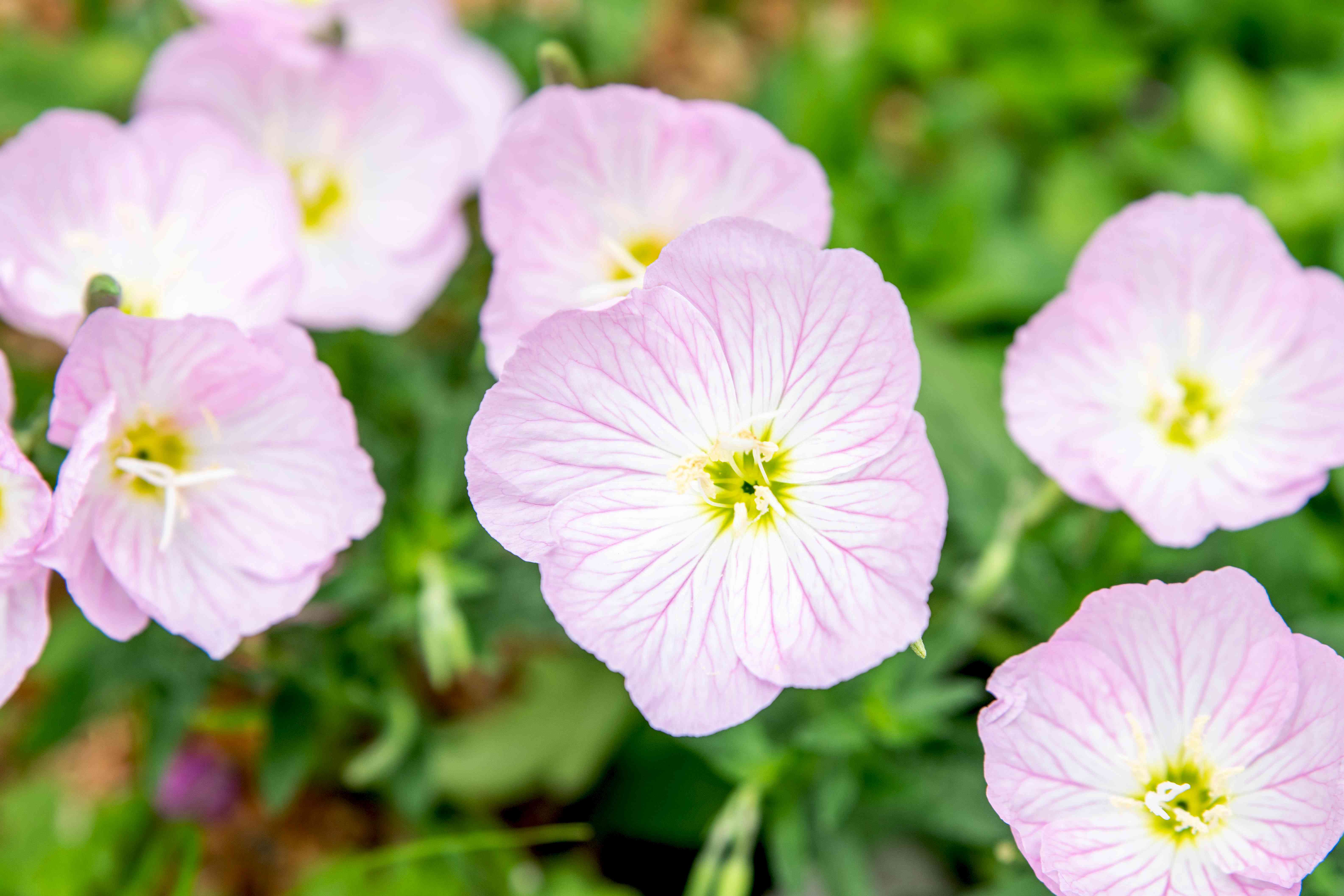
Pink evening primrose is the kind of flower that makes gardeners feel wildly competent, even when they are mostly winging it with a trowel and a coffee mug. Known botanically as Oenothera speciosa, this cheerful native wildflower brings soft pink blooms, easygoing manners in tough sites, and a pollinator-friendly reputation that earns it serious garden cred. The twist, of course, is that it can also spread with the enthusiasm of a houseguest who has decided to move in permanently.
That is exactly why learning how to grow and care for pink evening primrose matters. When you understand what this plant likes, where it behaves best, and how to keep its adventurous roots in check, it becomes a beautiful, low-fuss perennial instead of a floral takeover story. Whether you call it pink evening primrose, showy evening primrose, or Mexican evening primrose, this plant rewards smart placement with months of charm and very little drama.
What Is Pink Evening Primrose?
Pink evening primrose is a low-growing perennial wildflower native to parts of the south-central United States and Mexico. It is often found in prairies, fields, open woodlands, and meadows, which tells you something important right away: this plant was not designed to sit in pampered, fussy conditions waiting for bottled fertilizer and pep talks. It likes open skies, decent drainage, and room to wander.
The flowers are cup-shaped with four petals and often appear in shades ranging from pale blush to richer rose pink, sometimes with darker pink veining and a yellow throat. In some regions, blooms open in the evening or on cloudy days, while in warmer parts of the country they may open earlier in the day. Some flowers even start out lighter and deepen to pink as they age, which gives a planting a soft watercolor effect instead of a rigid, uniform look.
This wildflower is commonly grown as a flowering groundcover or front-of-border perennial. It usually stays fairly short, but it spreads by both rhizomes and seed. That spreading habit is either delightful or terrifying depending on whether you planted it in a meadow edge or next to your most prized compact perennials.
Best Growing Conditions for Pink Evening Primrose
Sunlight
If you want the best bloom show, plant pink evening primrose in full sun. It can tolerate partial shade and may still form a decent green groundcover there, but flowering will be lighter. In plain English: shade gives you leaves, sun gives you the party.
Soil
One of the reasons pink evening primrose is so popular is that it is not precious about soil type. It can grow in clay, loam, sand, and even shallow rocky ground as long as the site drains reasonably well. Poor drainage is the bigger issue. Wet feet and stagnant soil are not its thing.
Interestingly, this is one of those plants that often behaves better in leaner soil. Rich, moist, heavily amended beds can encourage more aggressive spreading. If you want a tidier clump, resist the urge to create a luxury spa treatment of compost, fertilizer, and constant irrigation. This is more of a “rustic cabin with good sunlight” kind of plant.
Water
Pink evening primrose appreciates regular moisture while it is getting established, but mature plants are notably drought tolerant. In hot, dry periods, the plant may slow down or even go summer dormant, especially in harsher climates. That can be alarming if you are new to it, but do not panic and hold a memorial service. Once moisture and cooler conditions return, it often rebounds.
Hardiness
In many garden references, pink evening primrose is listed for USDA Zones 5 through 8, though performance can vary a bit by region and local conditions. In warmer areas, it may bloom earlier and behave more like an easy naturalized perennial. In cooler spots, it still performs well if it gets sun and sharp drainage.
How to Plant Pink Evening Primrose
Plant pink evening primrose in spring or fall when temperatures are moderate and roots can settle in without immediate heat stress. Choose a site where its spreading habit makes sense. Good options include a naturalized bed, prairie-style border, sunny slope, mailbox garden, gravel bed, or open patch near a walkway where it can spill a bit without causing neighborhood tension.
Dig a hole as deep as the root ball and a little wider, then set the plant so the crown sits at the same level it was growing in the pot. Backfill, water thoroughly, and give it breathing room. Because it spreads, do not cram plants tightly unless you are intentionally creating a fast groundcover effect.
If you are planting on a slope or in an erosion-prone space, a light mulch between young plants can help protect exposed soil while they establish. Just do not smother the crowns. Pink evening primrose likes airflow and dislikes soggy conditions, so a thin, tidy layer works better than a heavy blanket.
Seasonal Care: Watering, Feeding, and Maintenance
Watering Routine
Water newly planted specimens regularly for the first several weeks. After that, let the soil dry somewhat between waterings. Established plants generally do well with moderate watering and can tolerate dry spells. In average garden soil, overwatering is more likely to create trouble than underwatering.
Fertilizer
Pink evening primrose is not a heavy feeder. In fact, heavy feeding can encourage lush growth and make an already enthusiastic spreader even more ambitious. A modest amount of compost at planting time is usually enough. In most garden settings, this is a plant that thrives more on restraint than on indulgence.
Deadheading and Cleanup
You do not have to deadhead pink evening primrose for it to keep looking good, but removing spent blooms can make the patch look tidier and may help reduce self-seeding. If you want to limit spread, deadheading before seeds mature is a smart move. You can also trim back ragged growth after the main flush of bloom to refresh the planting.
At the end of the growing season, cut back dead or tired stems if you prefer a cleaner look. In naturalistic plantings, many gardeners simply let it fade on its own and tidy the area in late winter or early spring.
How to Keep Pink Evening Primrose from Taking Over
This is the section that saves relationships between gardeners and their flower beds.
Pink evening primrose spreads through rhizomes and by self-seeding. In moist, rich soil, it can move aggressively and form colonies faster than many beginners expect. That does not mean you should avoid it. It just means you should grow it where that habit works in your favor.
Here are the simplest control strategies:
- Plant it in naturalized areas rather than tightly curated mixed borders.
- Use edging or a physical barrier if you want to confine a patch.
- Grow it in leaner, well-drained soil instead of rich, highly irrigated beds.
- Deadhead if you want to reduce volunteer seedlings.
- Dig and divide roaming clumps before they start muscling into neighboring plants.
If you love the flowers but not the wanderlust, think of pink evening primrose as a plant for the garden’s “casual wing” rather than the formal dining room.
How to Propagate Pink Evening Primrose
By Division
Division is one of the easiest ways to multiply pink evening primrose and also one of the best ways to manage its spread. Lift a portion of the clump, separate rooted sections, and replant them where you want more coverage. This is especially useful if the patch is getting crowded or drifting beyond its assigned real estate.
By Seed
Pink evening primrose can also be grown from seed. In seed guides, it is often recommended for direct sowing, and it performs well in a wide range of soils and growing conditions. If you are sowing from seed, fall or late winter are often good times, depending on your climate. Keep in mind that seedlings may not stay politely where you imagined them. They have dreams.
By Cuttings
Some horticultural references also list stem cuttings as a propagation option, though division and seed are the most common home-garden methods. If you are buying plants or seed, use a reputable nursery source and never dig plants from the wild.
Common Problems and Simple Solutions
Pink evening primrose is generally easy to grow and not especially plagued by serious issues. Most problems come from placement rather than pests.
Too Few Flowers
The usual culprit is insufficient sun. Move the plant to a brighter location or thin surrounding vegetation so it gets more direct light.
Floppy or Overgrown Growth
This often happens in rich soil or crowded conditions. Cut the plant back lightly after bloom and avoid overfeeding.
Rot or Weak Growth
Check drainage. If the site stays wet, especially in winter, the plant will struggle. Improving drainage matters more than adding fertilizer.
Too Much Spreading
This is not really a problem so much as the plant doing exactly what it warned everyone it would do. Dig out runners, divide clumps, and deadhead if needed.
Why Gardeners Love It in the Landscape
Pink evening primrose works hard in the garden. It provides soft color, supports pollinators, and tolerates dry conditions once established. Bees and butterflies visit the flowers, and the seeds can attract birds and small mammals. In some plant lists, it is even noted as a bee-friendly choice and a useful plant for pollinator-minded landscapes.
It also fits beautifully into relaxed design styles. Try it in a cottage garden with blue salvia and coreopsis, in a native meadow mix with prairie grasses, or along a sunny path where the blooms can glow in the softer light of morning and evening. Some gardeners even use it in moon gardens because the pale pink flowers can reflect light beautifully around dusk.
Gardener Experiences: What Growing Pink Evening Primrose Is Really Like
If you talk to people who have grown pink evening primrose for more than one season, the stories tend to follow a charming pattern. Year one usually begins with admiration. The plant settles in, throws up delicate pink blooms, and looks like the easiest perennial in the world. You start thinking you have finally become one of those naturally gifted gardeners who just “understand plants.” Pink evening primrose does not immediately correct this belief.
Then comes the second season. The original clump returns stronger, wider, and slightly more confident. A few new shoots appear a little farther out. Maybe one pops up near a stepping stone. Another appears at the edge of the border. At first, this feels like a bonus. Free plants are exciting. You begin mentally spending the money you did not spend on more flowers.
By season three, the relationship becomes more realistic and, oddly enough, more enjoyable. You learn that pink evening primrose is not a formal border plant unless you are willing to supervise it. It is a relaxed, generous, sun-loving rambler. Once gardeners stop trying to make it behave like a compact mounding perennial and start treating it like a flowering groundcover with opinions, success usually follows.
Many gardeners also notice that the plant performs best where other flowers complain. Sunny slopes, rocky patches, poor soil near the street, and awkward open areas are often where pink evening primrose shines. In lush, irrigated beds, it can become a little too ambitious. In tougher spaces, it often looks right at home. That is part of its charm. It does not need a perfect setting to give a beautiful performance.
Another common experience is thinking the plant has faded out in summer heat, only to realize later that it was simply resting. This temporary summer slowdown can surprise beginners. Seasoned growers learn to wait before pulling anything up. Pink evening primrose has a way of returning when moisture and temperatures become more favorable, as if to say, “I was not gone, I was just being dramatic.”
Gardeners who love pollinators often become especially fond of it. Even a small patch can feel lively when bees start working the blooms. And because the flowers look soft and almost old-fashioned, the plant blends well into naturalistic designs that do not feel overly engineered. It gives a garden motion, softness, and a little wild spirit.
Perhaps the most useful lesson experienced gardeners share is this: plant it where you can say yes to its nature. Do that, and pink evening primrose is easy, beautiful, and generous. Put it in the wrong place, and you will spend your Saturdays negotiating with roots. The good news is that even then, it is usually a pleasant argument. Few plants that spread this much manage to stay this pretty.
Final Thoughts
Pink evening primrose is one of the best perennials for gardeners who want a long-lasting, drought-tolerant, pollinator-friendly flower with a natural look. Give it full sun, well-drained soil, moderate water while establishing, and a spot where its spreading habit will not cause chaos. In return, it offers soft pink blooms, easy care, and the kind of resilience that makes difficult garden spaces feel full of possibility.
The secret to growing pink evening primrose well is not pampering it. It is understanding it. Treat it less like a fragile diva and more like a cheerful native wildflower that enjoys sunshine, freedom, and the occasional chance to wander. Once you do that, this plant becomes less of a challenge and more of a garden ally.