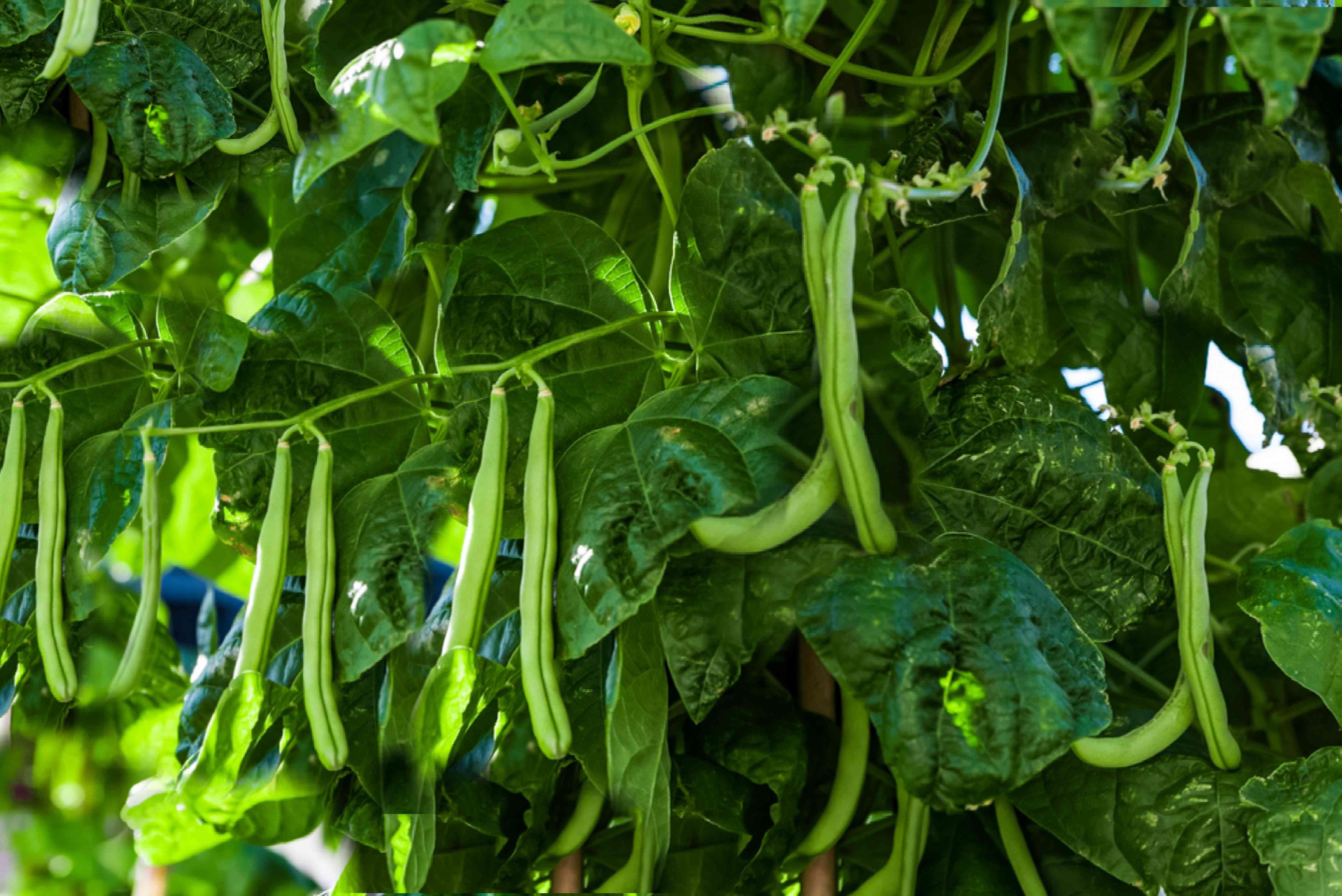
If beans had a dating profile, it would read something like this: “Easygoing, productive, generous with nitrogen, but absolutely not interested in sharing a bed with onions.” And honestly? Fair. Beans are some of the friendliest vegetables in the garden, but they still have opinions about their neighbors.
Companion planting is all about putting the right plants together so they help each other grow, save space, confuse pests, and make your garden feel less like a monocrop and more like a tiny, overachieving ecosystem. When it comes to pole beans and bush beans, the good news is that both types are excellent team players. The trick is knowing which companions deserve the VIP pass and which ones should stay on the other side of the fence.
Below, you’ll find the best companion plants for pole beans and bush beans, the biggest differences between how each type behaves in the garden, what not to plant nearby, and practical layout ideas that actually work in real backyards. No mystical moon charts. No folklore-only fluff. Just solid, usable gardening advice with a little personality.
Why Companion Planting Works So Well for Beans
Beans bring real value to a planting bed. As legumes, they form relationships with soil bacteria that help them access nitrogen. That is one reason beans are so often included in mixed plantings. They do not just take up space and demand snacks from the soil all season long; they also contribute to a healthier system over time.
But the nitrogen story is only part of the picture. Beans are also useful because they come in two very different growth habits. Pole beans climb, which makes them perfect for vertical gardening and for sharing space with lower-growing crops. Bush beans stay compact, which makes them great for filling open pockets in raised beds, border rows, and succession plantings. In other words, pole beans are the dramatic, lanky cousins who need a support system, while bush beans are the tidy relatives who show up on time and do not ask for a trellis.
Companion planting with beans can help you do four practical things at once: use space better, keep soil covered, attract beneficial insects, and reduce pest pressure. It can also make harvesting easier when the bed is planned thoughtfully. The key word there is thoughtfully. Throwing random flowers around your beans and hoping for garden destiny is not really a strategy.
Pole Beans vs. Bush Beans: Same Family, Different Roommates
Pole Beans
Pole beans are climbers. They grow upward, need support, and usually produce over a longer period. That makes them excellent for gardeners who want a steady harvest instead of one big bean avalanche. Their vertical habit also means they can share a bed with sprawling plants below them, as long as those plants do not get smothered or shaded out.
Because pole beans grow tall, their best companions usually fall into one of two camps: plants that provide support, such as corn, or plants that benefit from the shade, structure, or space created underneath the trellis. Pole beans are the better choice when you want to layer crops in a small garden.
Bush Beans
Bush beans stay low and compact. They do not need staking, and they tend to produce a heavier crop over a shorter window. That makes them great for gardeners who love a neat bed, quick turnover, or succession sowing every couple of weeks. Bush beans also pair especially well with root crops and compact vegetables that can share the same general space without tangling into a jungle.
If pole beans are the vertical organizers of the garden, bush beans are the efficient little coworkers who quietly get the job done.
The Best Companion Plants for Pole Beans
1. Corn
This is the classic companion for pole beans, and for good reason. Corn can act as a living trellis, which is the backbone of the traditional Three Sisters planting method. The pairing works best when the corn is allowed to get established first. Once the corn is several inches tall, pole beans can be planted nearby so they climb the stalks instead of wrestling young seedlings to the ground like tiny green wrestlers.
Corn and pole beans also make sense because they use space differently. Corn shoots up with a fibrous root system, while beans climb and contribute nitrogen. Add squash nearby and you suddenly have a bed doing the work of three beds without looking crowded in a bad way.
2. Squash and Pumpkins
Low-growing squash is one of the best partners for pole beans, especially in a Three Sisters-inspired layout or under a sturdy trellis. Squash vines shade the soil, slow moisture loss, and help suppress weeds. That is useful around beans, which prefer consistent moisture but do not enjoy being drowned or baked into cracked dirt.
The only warning is practical: give squash enough room so you can still pick your beans without performing a full-body yoga pose in the middle of July. Companion planting should save effort, not require a search-and-rescue team.
3. Nasturtiums
Nasturtiums are the garden equivalent of a decoy purse. Aphids often find them irresistible, which can help draw pest attention away from your beans. They also spill beautifully over the edges of beds, making the planting look intentional instead of like you tossed seeds while running late.
For pole beans, nasturtiums work especially well at the front of the bed or at the edges of trellised rows. They keep the lower layer lively, edible, and pollinator-friendly without competing for vertical space.
4. Summer Savory
If one herb keeps showing up on bean companion charts like it owns the place, it is summer savory. Gardeners value it because it is traditionally associated with improved bean growth and with discouraging bean beetles. It is also a culinary match, which is always nice. A plant that helps in the garden and ends up in dinner is really pulling its weight.
Plant summer savory close to the base of pole beans or along the edge of the row. It stays manageable, smells fantastic, and does not try to take over the neighborhood.
5. Rosemary
Rosemary is often recommended as a companion for beans because of its strong aroma and insect-repelling reputation. In warm climates or containers near bean beds, it can be a useful partner. Just remember that rosemary likes excellent drainage and leaner conditions than some vegetable beds provide, so it often performs best close by rather than jammed directly into rich, frequently watered bean rows.
6. Cucumbers
Cucumbers and pole beans can be good neighbors when the layout is planned carefully. Both appreciate warm weather, and both can benefit from efficient use of space. In larger beds, you can run pole beans up one support and let cucumbers use another nearby, or you can place cucumbers where they benefit from a bit of afternoon moderation without getting crowded out.
This pairing works best when you manage airflow and access. If everything climbs into one tangled green blob, harvesting becomes a scavenger hunt.
The Best Companion Plants for Bush Beans
1. Beets
Beets are one of the standouts for bush beans. This is where the bush-bean-versus-pole-bean difference actually matters. Many companion charts specifically call out beets as a good partner for bush beans but not for pole beans. Bush beans stay low and tidy enough to share space with beets without overwhelming them.
In a raised bed, this combo is wonderfully efficient. Bush beans fill the upper layer while beets work the root zone below. It is tidy, productive, and refreshingly low-drama.
2. Cabbage Family Crops
Broccoli, cabbage, Brussels sprouts, cauliflower, and other brassicas are commonly listed as good companions for beans. The pairing makes sense in mixed beds because the plants use space differently and benefit from a more diverse planting pattern. Beans also fit well into rotations that support overall soil health.
If you are trying to make a brassica bed less of a buffet for pests, adding beans plus a few strategic flowers and herbs can create a more complex planting that is harder for pests to target. It is not a force field, but it is smarter than a solid block of one crop.
3. Carrots and Radishes
These root crops are useful companions for bush beans because they occupy a different layer of the soil and can help you get more from the same bed. Radishes are especially handy in smaller spaces because they mature quickly and can be pulled before the bean plants really hit their stride.
Carrots take longer, but they fit well in a planting plan where you want roots below and bush beans above. Think of it as a split-level garden with better snacks.
4. Celery
Celery is another good companion often paired with beans. It occupies space differently, shares warm-season timing, and works especially well in mixed vegetable beds where the goal is diversity rather than tidy single-crop rows. It is not the flashiest pairing, but it is a practical one.
5. Potatoes
Potatoes and beans often appear together on companion charts, especially bush beans. The two crops use space differently, and beans can fit into a broader mixed planting that reduces the visual and biological monotony pests love. Just give both crops enough elbow room, because potatoes are not exactly known for being shy underground.
6. Strawberries
This one surprises people, but strawberries are frequently listed as friendly neighbors for beans. The combination can work especially well in diversified garden beds where strawberries occupy an edge or permanent strip and bush beans are planted nearby as seasonal companions.
Flowers and Herbs That Help Both Pole and Bush Beans
Marigolds
Marigolds are probably the most famous companion plant in America, and yes, they often show up on bean lists. They are commonly recommended for pest management, especially around bean beetles and soil problems like nematodes. That said, marigolds deserve a realistic introduction: they are helpful, but they are not tiny orange security guards with walkie-talkies.
If you love marigolds, use them. They add color, bring in pollinators, and fit nicely at the ends of rows or corners of raised beds. Just do not rely on them as your only line of defense if Mexican bean beetles are already planning a buffet.
Nasturtiums
Yes, they deserve a second mention. Nasturtiums are that useful. They can help as trap plants, they flower generously, and they soften the look of edible beds. Plus, the flowers and leaves are edible, which makes them feel delightfully overqualified.
Summer Savory
For both pole and bush beans, summer savory remains one of the most consistently recommended herb companions. It is compact, useful, and easy to tuck into almost any bean planting.
What Not to Plant Near Pole Beans and Bush Beans
Onions, Garlic, Shallots, and Other Alliums
If there is one warning that shows up again and again, it is this: keep beans away from the onion family. Onions, garlic, shallots, and similar crops are commonly listed as poor companions because they can stunt bean growth. If you are planning a bed, do not force this relationship. The garden does not need that kind of tension.
Beets Near Pole Beans
Beets are a great match for bush beans, but not usually for pole beans. The difference is easy to remember: bush beans and beets, yes; pole beans and beets, no. Your future self, standing in the garden trying to remember what you planted where, will thank you.
Anything That Creates a Harvesting Traffic Jam
This is less about a specific enemy and more about common sense. Avoid pairing pole beans with sprawling crops in a way that blocks access to the beans. Avoid planting bush beans under something that shades them too heavily. And avoid building a bed so dense that picking one vegetable requires apologizing to six others.
Simple Garden Layout Ideas That Actually Work
Layout 1: Classic Pole Bean Trellis Bed
Put a trellis on the north side of the bed. Plant pole beans along the trellis. Add nasturtiums and summer savory in front. Let a squash plant spread at one end where it can roam without swallowing the path. This layout gives you vertical production, flowers, herbs, and living mulch in one tidy zone.
Layout 2: Bush Bean and Root Crop Bed
Alternate short rows of bush beans with beets and radishes. Place marigolds at the corners and tuck in a few carrots where space allows. This is an efficient setup for raised beds because everything stays fairly accessible and manageable.
Layout 3: Three Sisters-Inspired Planting
Plant corn first. Once it is established and several inches tall, sow pole beans around it. Add squash around the outside. It is classic for a reason: support, soil coverage, and smart layering all happen in one system.
Real-World Growing Experiences and Practical Lessons
One of the most useful lessons gardeners learn with beans is that “good companion” does not always mean “plant everything shoulder to shoulder and walk away.” In real gardens, spacing and access matter just as much as the companion chart. A beautiful plan on paper can become a sweaty midsummer argument with a tangle of vines if you do not leave room to reach in and harvest. Pole beans, especially, teach this lesson fast. They start out looking innocent, and then one day they have climbed to the top of the trellis, leaned sideways, and started acting like they pay the mortgage.
Gardeners who grow pole beans often discover that the best companions are the ones that cooperate with the trellis system rather than compete with it. Squash can be wonderful underneath, but only if it is guided early. Nasturtiums can be helpful and gorgeous, but if you let them sprawl across the entire front of the bed, you may end up stepping through them every time you pick beans. The combination still works; it just works better when someone in the relationship respects boundaries.
Bush beans teach a different lesson: succession and simplicity win. Because bush beans stay compact and produce over a shorter window, they are easy to slot between other crops. Many gardeners find that bush beans work beautifully next to beets and radishes because everything stays visible. You can actually see what is happening. You can weed without excavation equipment. You can harvest without wondering whether a cucumber is secretly living under the leaves plotting against your ankle.
Another common experience is that flowers and herbs help most when they are part of a bigger system. Marigolds, nasturtiums, rosemary, and summer savory all earn their place, but they work best alongside practical habits such as rotating crops, cleaning up old bean debris, watching for egg clusters on leaf undersides, and using row covers when pest pressure is intense. In other words, companion plants are excellent assistants. They are not substitute teachers running the whole classroom alone.
Many gardeners also notice that bean beds perform better when companions are chosen for structure as much as for folklore. Pole beans on the north side of a bed prevent them from casting too much shade on shorter plants. Bush beans in the middle or front of a bed are easier to harvest and less likely to disappear behind a wall of tomatoes. Corn works with pole beans when timed right, but not when beans are planted so early that they drag young corn over like a badly planned trust fall.
The biggest practical takeaway is simple: the best bean companions are the plants that make your bed easier to manage, healthier to grow, and easier to harvest. Corn, squash, beets, brassicas, nasturtiums, marigolds, summer savory, and a few smart herbs all deserve serious consideration. But the winning design is the one that fits your space, your climate, and your willingness to untangle vines in August.
So yes, companion planting with beans is real, useful, and worth doing. Just keep it grounded. Give pole beans strong support. Give bush beans clean, open room. Pair them with plants that fill a different niche. And keep the onions far enough away that nobody starts throwing shade before lunch.
Conclusion
The best companion plants for pole beans and bush beans are not random garden decorations. They are practical partners that help you use space better, support healthy growth, and create a more balanced planting. For pole beans, corn, squash, nasturtiums, and summer savory are standout choices. For bush beans, beets, brassicas, carrots, radishes, and celery are especially useful. Across both types, flowers and herbs like marigolds, nasturtiums, rosemary, and summer savory can round out the bed nicely.
The biggest rule is also the easiest to remember: keep beans away from the onion family, and keep pole beans away from beets. Follow that, design for access, and your bean patch will be a lot more productive and a lot less chaotic. Your harvest basket will thank you. Your lower back might, too.