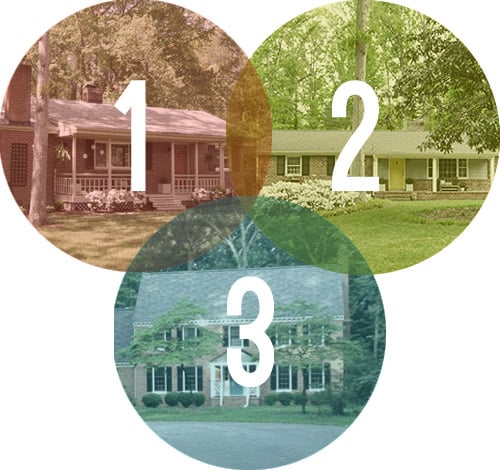
Our first house was a little like our first attempt at assembling flat-pack furniture: full of hope, slightly crooked, and way more educational than expected. We loved it, complained about it, and learned from it in equal measure. Then came the second house, where we made fewer dreamy mistakes, asked smarter questions, and finally understood that a home is not just a pretty shell with a nice front door. It is a daily experience.
That is really the heart of this story. The first house teaches you what brochures leave out. The second house teaches you what actually matters. Somewhere between the charming starter home and the more intentional next move, you stop buying for the fantasy version of your life and start buying for the one that wakes up late, misplaces keys, cooks on weeknights, pays utility bills, and wants enough storage for all the mystery cords in the junk drawer.
The First House: Humbling, Helpful, and Slightly Too Optimistic
Our first house taught us that excitement is not a strategy. We walked in, saw fresh paint, decent natural light, and a kitchen that looked adorable in listing photos. We were sold far too quickly. What we should have noticed was the lack of closet space, the awkward traffic flow, the ancient water heater making sounds like it was narrating its own retirement, and the fact that the “cozy” dining area could barely fit two chairs and a plant with self-esteem issues.
But that is what first houses do. They introduce you to the difference between liking a home and living well in a home. Before you own one, it is easy to focus on the visible features: countertops, floors, curb appeal, and whether the bathroom mirror makes you look like a person who definitely folds fitted sheets correctly. After you live there, you start caring about things that never make the glamorous photo carousel.
Lesson 1: The Mortgage Payment Is Only the Opening Act
Our first major surprise was that the monthly payment was not the whole financial story. Yes, we budgeted for the mortgage. We even felt very responsible about it. Gold star for us. What we did not fully understand was how quickly all the other costs lined up at the door like party guests we forgot to invite: maintenance, repairs, insurance, property taxes, lawn tools, window coverings, appliance replacements, and the random hardware store runs that somehow always end with spending more than planned.
The first house taught us that affordability is not about whether you can technically buy the house. It is about whether you can comfortably keep the house. That shift in thinking changed everything. By the time we looked for our second house, we built breathing room into the budget. Not “maybe we will be fine” room. Real room. The kind that makes space for a leaky faucet, a broken dishwasher, and life generally doing what life does best: improvising.
Lesson 2: Location Wins Arguments Every Single Time
Our first house also taught us a classic truth that sounds boring until you live it: you can change paint colors, light fixtures, and landscaping, but you cannot move the house without creating a very dramatic local news story. We learned that the right zip code is not enough. The right micro-location matters too. How long is the commute really? What is traffic like at 8:15 a.m.? Is the street peaceful at noon but loud at night? Do you have easy access to groceries, schools, parks, or the things you use every week?
At first, we treated location as a checkbox. By the second house, we treated it like a lifestyle decision. We drove through the neighborhood at different times of day. We noticed parking, noise, walkability, and how the area felt on a regular Tuesday instead of a sunny open-house Saturday. That alone made us better buyers.
Lesson 3: Layout Beats Square Footage
One of the most useful lessons from our first house was that square footage can be a sneaky little statistic. A bigger home does not automatically live bigger. Our first place had enough square footage on paper, but the layout made daily life clunky. There was dead space where we did not need it and not enough useful space where we did. The living room was large, but the kitchen lacked prep space. The bedrooms were fine, but there was nowhere sensible to drop bags, shoes, coats, or all the other clutter that arrives with actual humans.
By the time we searched for the second house, we had become deeply loyal to flow. We wanted a kitchen that connected logically to the dining area, laundry where it would not feel like a weekend punishment, and enough separation for privacy without turning the house into a maze. We learned to ask a simple question in every room: “Would this make a normal day easier?” That question is worth more than a dramatic foyer ten times out of ten.
Lesson 4: Storage Is Not Boring. Storage Is Freedom.
In our first house, storage was treated like an afterthought. We thought we could “just organize better,” which is a sentence many optimistic people say right before buying bins in twelve different sizes. What we really needed was usable storage: linen closets, kitchen cabinets that made sense, garage shelving, and room for seasonal items that should not be living in the guest bedroom year-round.
After living with too little storage, we stopped seeing it as a dull practical detail and started seeing it as daily quality of life. Good storage makes a home feel calmer, cleaner, and larger. Bad storage makes a perfectly nice home feel chaotic by lunchtime. In the second house, we paid attention to closets, pantry space, built-ins, and whether furniture would have to do all the heavy lifting. It was one of the smartest things we did.
Lesson 5: Maintenance Starts on Day One, Not “Someday”
Our first house politely introduced us to maintenance. Then it stopped being polite. Owning a home means things wear out on their own schedule, not yours. Gutters need cleaning, filters need changing, caulk fails, paint cracks, seals age, and roofs never ask whether this is a good month for extra expenses. The lesson was not just that maintenance exists. The lesson was that maintenance rewards consistency and punishes procrastination.
That experience changed how we viewed our second house immediately. We no longer asked only, “Do we like it?” We asked, “What will this place demand from us?” We looked more closely at the age of systems, the condition of windows, drainage around the foundation, exterior materials, and whether the house had been cared for over time. A well-loved home is easier to own than a pretty one with secrets.
The Second House: Fewer Fantasies, Better Questions
By the time we bought the second house, we were less dazzled and more observant. We had survived our first round of repairs, learned how expensive “small projects” can become, and discovered that some dream-home features are only dreamy if they match your real routine. The second house was not about chasing perfection. It was about choosing with more clarity.
Lesson 6: Buy for the Life You Actually Live
The first house was partly chosen for our aspirational selves. In our heads, we were the kind of people who would host elegant dinners, keep every surface styled, and somehow maintain white upholstery with complete confidence. Reality was less cinematic. We needed durable floors, practical entry space, and a kitchen that worked for busy weeknights, not just holiday photos.
So the second house taught us to buy for our real habits. If you work from home, a bright corner is not the same as a functional workspace. If you have kids, pets, or frequent guests, a beautiful but fragile setup may age badly. If you hate yard work, a massive lot is not a gift. It is a subscription. The right house is the one that supports your life without requiring a personality transplant.
Lesson 7: Renovation Potential Is Not the Same as Renovation Capacity
We used to hear the phrase “great bones” and immediately start mentally remodeling. The first house taught us that vision is lovely, but vision paired with limited time, limited money, and limited patience is how people end up eating takeout beside unfinished trim for six months. On the second round, we became brutally honest about our renovation tolerance.
Could we live through a kitchen remodel? Maybe. Did we want to? Absolutely not. Would we repaint? Sure. Replace lighting? Fine. Tackle a full-blown layout overhaul? Only if we suddenly developed unlimited energy and a personal relationship with every contractor in town. The second house taught us to respect the difference between cosmetic upgrades and lifestyle-consuming projects. That difference can save both money and sanity.
Lesson 8: Light, Noise, and Flow Matter More Than Listing Photos
Our second house search made us much more sensitive to the invisible parts of a home. How does the house sound when windows are open? Does natural light reach the rooms you actually use, or only the hallway no one cares about? Does the home feel peaceful, or does it somehow create low-level friction all day long?
These are the details people underestimate until they live with them. A dim kitchen can make everyday routines feel dull. A weirdly placed doorway can interrupt furniture placement in every room. A bedroom facing a noisy street may look fine online and feel miserable at 2 a.m. We learned that comfort is often built from subtle things, not flashy ones.
Lesson 9: Resale Value Is Not Selling Out
One of the biggest mindset shifts between the first and second house was understanding that resale value is not a cold, joyless concept. It is practical wisdom. Even if you plan to stay for years, life changes. Jobs move, families grow, priorities shift. That means you should notice features that hold value over time: functional layout, good location, decent schools if that matters in your market, solid maintenance history, and updates that feel classic rather than wildly specific.
Buying with resale in mind does not mean turning your home into a bland investment robot. It means recognizing that the things that make a house easier for you to live in often make it easier for someone else to love later too.
Lesson 10: The Right House Feels Calm, Not Just Exciting
If the first house taught us how to get swept away, the second house taught us how to listen for calm. Excitement is easy. It can come from a dramatic kitchen island, a stylish primary bedroom, or a backyard that makes you briefly believe you are the type of person who hosts lantern-lit summer parties every weekend. Calm is different. Calm sounds like, “This would work.” Calm sounds like, “I can picture Tuesday here.”
That turned out to be one of the best filters of all. The right home is not always the one that creates the loudest first impression. Sometimes it is the one that quietly solves the most problems.
What Both Houses Taught Us About Homeownership
Together, our first and second houses taught us that a home is part shelter, part financial decision, part daily operating system. The first house gave us a crash course in reality. The second house gave us the confidence to act on what we had learned. We stopped treating home buying like a treasure hunt for perfection and started treating it like a search for alignment.
We learned to value budget margin over bravado, layout over raw size, storage over stylish emptiness, maintenance history over cosmetic charm, and neighborhood rhythm over clever staging. We learned that every house is a package deal. You are not just buying bedrooms and bathrooms. You are buying future chores, future comfort, future convenience, and future trade-offs.
Most of all, we learned that a good house does not need to impress everyone. It just needs to support the people living in it. That is a lesson worth carrying from the first set of keys to the second, and probably to every house after that.
500 More Words of Experience: The Stuff We Only Understood After Living It
There were also dozens of smaller lessons that never sounded important until they became wildly important. In the first house, for example, the laundry setup seemed acceptable during the tour. Then we moved in and realized that every load required a tiny obstacle course worthy of an amateur fitness challenge. Suddenly, “laundry location” was not a footnote. It was a quality-of-life issue. The same thing happened with entry space. Our first house did not have a proper drop zone, which meant shoes, bags, mail, and jackets collected wherever gravity felt most welcome. We spent an amazing amount of time tidying the same pile in slightly different forms.
The first house also taught us not to underestimate utility costs. A drafty room can turn into an ongoing argument with the thermostat. Old windows are charming right up until the energy bill arrives looking confident. A giant room with high ceilings might feel luxurious for ten minutes and expensive for ten years. By the time we looked at the second house, we cared more about comfort and efficiency than dramatic scale.
Then there was the yard. Ah, yes, the yard. On paper, outdoor space sounded glorious. In practice, it introduced us to mowing schedules, drainage concerns, seasonal cleanup, and the realization that landscaping is a hobby whether you asked for one or not. Our second-house mindset became much more realistic: outdoor space is wonderful if you will truly use it and maintain it. If not, it becomes a scenic guilt trip.
Another huge lesson was how much a home changes once your stuff arrives. Empty rooms are persuasive liars. They make almost any space seem airy and easy. But once furniture, pantry items, cleaning supplies, sports gear, holiday boxes, and the completely inexplicable number of charging cables show up, the truth appears. In the first house, we discovered that several rooms worked beautifully in theory and awkwardly in practice. In the second house, we started mentally placing our actual furniture during every showing. Could the sofa fit without blocking traffic? Was there wall space for a bed where it belonged? Would the dining area still function after adding real chairs instead of imaginary minimalist ones?
We also became more respectful of inspections, not because we expected perfection, but because we finally understood what ownership asks of people. An older house is not a bad house. A newer house is not automatically an easy house. Every property comes with systems, timelines, and maintenance needs. The goal is not to find a flawless home. The goal is to know what you are signing up for and make sure it matches your bandwidth.
And perhaps the most emotional lesson of all was this: houses hold your hopes, so it is easy to project too much onto them. We wanted our first house to prove that we had arrived. We wanted our second house to prove that we had learned. In reality, both homes were simply places where life happened. Morning coffee, late bills, birthday dinners, small repairs, big conversations, tired Tuesdays, and ordinary weekends made those houses meaningful. Not the finishes. Not the square footage. Not the bragging rights. Just the living.
That is why the best lesson from both houses is surprisingly simple. A home should make life easier to live, not harder to perform. Once we understood that, every future decision became clearer.