Note: This article is for general educational purposes only and should not replace medical advice. Anyone with heart disease, high blood pressure, diabetes, circulation problems, nerve damage, pregnancy, cold sensitivity, or a history of fainting should speak with a healthcare professional before trying an ice bath.
Ice baths used to belong mostly to elite athletes, military training scenes, and people who considered “refreshing” a suspiciously flexible word. Now, cold plunges are everywhere: backyard tubs, boutique wellness studios, gym recovery rooms, and social media videos where someone calmly claims they “love the cold” while their face says otherwise.
But beyond the dramatic breathing, goosebumps, and motivational captions, there is a real question: do ice baths actually work? The answer is not a simple yes or no. Research suggests that cold water immersion may help reduce muscle soreness, support short-term recovery, improve alertness, and possibly influence stress, sleep, and mood. At the same time, the science is still developing, and ice baths are not harmless. Cold water can put sudden stress on the heart, breathing, nerves, and blood vessels, especially for people with underlying health conditions.
This guide breaks down the best-supported ice bath benefits, what the research really says, how to take an ice bath safely, who should avoid cold plunges, and how to use cold water without turning your bathroom into a survival documentary.
What Is an Ice Bath?
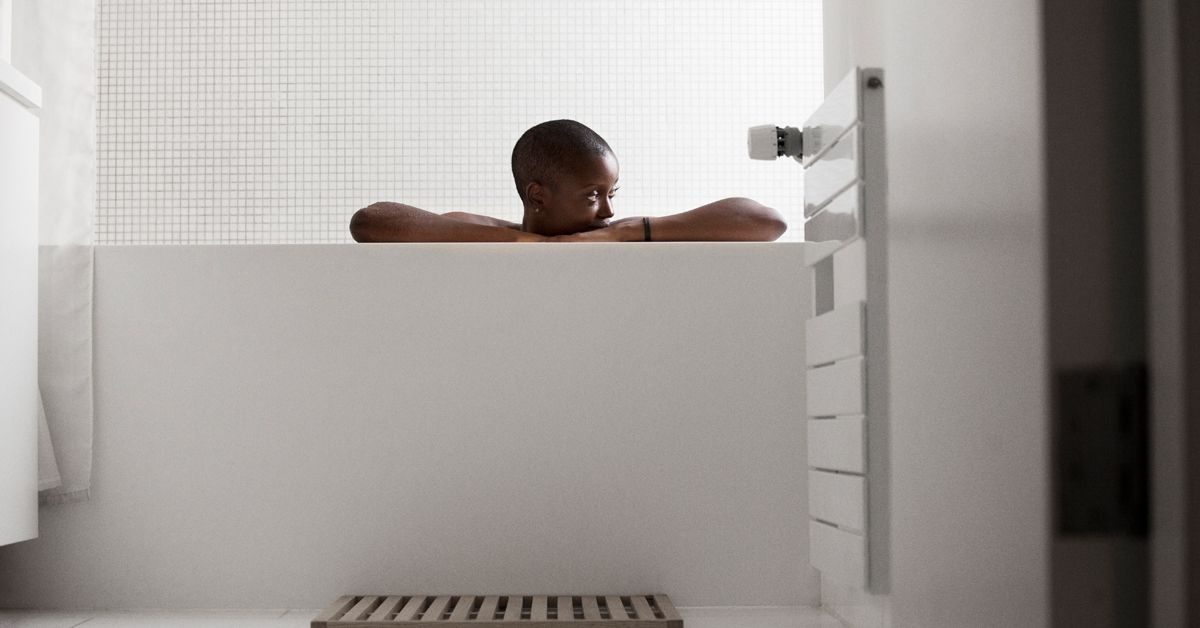
An ice bath is a form of cold water immersion, often called CWI, where a person sits or partially submerges the body in cold water for a short period. The water is usually cold enough to feel uncomfortable but not so extreme that it becomes unsafe when done properly. Many athletic recovery protocols use water temperatures around 50 to 59 degrees Fahrenheit, though exact recommendations vary based on the person, purpose, and experience level.
Despite the name, an ice bath does not need to contain a mountain of ice cubes worthy of a seafood counter. A cold tub, plunge pool, or chilled bath can all qualify. The key is controlled exposure: cold enough to trigger a physiological response, short enough to avoid dangerous cooling.
How Ice Baths Affect the Body
When you enter cold water, your body reacts immediately. Blood vessels near the skin constrict, breathing may become faster, heart rate can rise, and the nervous system shifts into alert mode. This is part of the cold shock response. It is one reason beginners should never jump into very cold water alone or dunk their head without experience.
After the first shock passes, the body continues working to protect core temperature. Blood flow is redirected toward vital organs, muscles may feel numb, and the brain receives a strong “wake up immediately” signal. After leaving the bath, blood vessels gradually widen again, circulation changes, and many people report a rush of warmth, clarity, or calm.
That sequence helps explain both the potential benefits and the risks. Cold exposure is a stressor. Used carefully, it may train resilience and support recovery. Used recklessly, it can cause hypothermia, dizziness, breathing trouble, or heart strain. In other words: the cold is a tool, not a personality test.
Ice Bath Benefits Backed by Research
1. Ice Baths May Reduce Muscle Soreness
The most common reason athletes use ice baths is to reduce delayed onset muscle soreness, also known as DOMS. This is the stiff, tender feeling that shows up after hard workouts, especially after eccentric exercises like downhill running, heavy squats, lunges, or trying a new fitness class that looked “beginner-friendly” in the brochure.
Research reviews have found that cold water immersion can reduce perceived muscle soreness after intense exercise. The effect is not magical, but it can be meaningful for people who need to train or compete again soon. Cold water may reduce swelling, slow certain inflammatory processes, and alter pain signaling, making sore muscles feel less angry.
For recreational exercisers, this benefit may be useful after a demanding race, tournament, long hike, or unusually hard gym session. However, if your body is simply asking for rest, an ice bath should not become a way to ignore basic recovery. Sleep, hydration, protein, mobility work, and sensible programming still do most of the heavy lifting.
2. Cold Water Immersion May Support Short-Term Exercise Recovery
Some studies suggest that cold water immersion can help athletes recover performance more quickly after high-intensity exercise. This may be especially useful when workouts, games, or events are close together. For example, a soccer player in a weekend tournament or a runner doing back-to-back events may benefit from reducing soreness and fatigue between sessions.
The recovery effect seems most relevant for endurance, repeated sprint, and competition settings where feeling fresher matters in the near term. Ice baths are less clearly useful for someone who lifts weights once, has two rest days, and mainly wants long-term muscle growth.
Think of cold water as a short-term recovery lever. It may help you feel better sooner, but it does not automatically mean your body has fully repaired. A cold plunge can make your legs feel civilized again, but it cannot erase poor sleep, under-eating, or a training plan designed by your most chaotic self.
3. Ice Baths May Help Manage Inflammation
Cold exposure causes blood vessels to narrow, which may temporarily reduce swelling and inflammation in tissues after exercise. This is one reason cold therapy has long been used for acute injuries, although an ice bath is not the same as icing a sprained ankle.
Research on whole-body cold water immersion shows mixed but interesting findings. Some studies suggest it can influence inflammatory markers, while others show that cold water is not always superior to active recovery. The body’s inflammatory response is also not purely bad. Inflammation helps signal repair and adaptation after training.
This is where timing matters. If your goal is to recover quickly between events, reducing soreness and inflammation may be useful. If your goal is to maximize muscle growth from resistance training, repeatedly shutting down the normal post-workout response immediately after lifting may not be ideal.
4. Ice Baths May Improve Mood and Mental Alertness
Many people swear that cold plunges improve mood, focus, and mental energy. While personal enthusiasm sometimes outruns the research, there is a plausible biological basis. Cold exposure activates the sympathetic nervous system and may influence neurotransmitters involved in alertness and motivation.
People often describe feeling awake, calm, and strangely proud after an ice bath. Part of that may come from the simple fact that they voluntarily did something uncomfortable and survived without turning into a popsicle. This sense of self-control can be powerful.
That said, ice baths are not a treatment for depression, anxiety, trauma, or chronic stress. They may be a helpful wellness habit for some people, but they should not replace therapy, medication, sleep, movement, social support, or medical care when those are needed.
5. Cold Water May Support Stress Resilience
An ice bath is a controlled stressor. You enter an uncomfortable environment, regulate your breathing, stay calm, and exit safely. Over time, some people find that this practice helps them respond better to stress outside the tub. The body learns, in a very chilly classroom, that discomfort does not always equal danger.
Early research on cold water immersion suggests possible effects on stress levels and quality of life, though the evidence is not yet strong enough to make sweeping claims. Still, the ritual can be useful: breathe slowly, stay present, observe the urge to panic, and realize that the moment passes.
The lesson is surprisingly transferable. A cold email from your boss? Not an ice bath. A delayed flight? Not an ice bath. A toddler with permanent-marker ambitions? Emotionally similar, perhaps, but still not an ice bath. Calm breathing helps in all of them.
6. Ice Baths May Help Some People Sleep Better
Sleep claims around cold plunging are popular, but the evidence is still developing. Some research suggests cold water immersion may improve sleep quality in certain groups, particularly athletes. The mechanism may involve nervous system regulation, body temperature shifts, and post-exposure relaxation.
However, timing is important. A very cold plunge late at night may feel too stimulating for some people. Others find it relaxing once they warm up. If sleep is the goal, experiment cautiously. Many people do better with cold exposure earlier in the day and a warm, calming routine before bed.
Remember: no recovery tool beats consistent sleep. An ice bath cannot compensate for scrolling until 1:37 a.m. while insisting you are “just checking one thing.”
7. Cold Exposure May Affect Circulation
Cold water causes blood vessels near the skin to constrict. After the plunge, as the body warms, blood flow changes again. This vascular “workout” is sometimes described as a circulation benefit, though it should be discussed carefully.
For healthy people, controlled cold exposure may be tolerated well and may contribute to a feeling of improved circulation. For people with cardiovascular disease, uncontrolled high blood pressure, circulation disorders, or nerve problems, the same response can be risky. The sudden rise in heart rate and blood pressure during cold shock can place stress on the heart.
If you are using ice baths for circulation, do not guess. Get medical clearance if you have any relevant health concerns.
When Ice Baths May Not Be Helpful
Ice Baths After Strength Training: Use Caution
One of the biggest debates in cold water immersion research involves muscle growth. Some studies suggest that using cold water immediately after resistance training may reduce signals involved in muscle repair and growth. This does not mean one ice bath will ruin your gains. Your biceps will not file a complaint.
But if your main goal is hypertrophy, strength adaptation, or building muscle over time, frequent ice baths right after lifting may not be the best strategy. A smarter approach is to save cold plunges for rest days, conditioning days, endurance sessions, or times when short-term soreness relief matters more than maximum muscle-building adaptation.
Ice Baths Are Not a Weight Loss Shortcut
Cold exposure can increase energy expenditure because the body works to stay warm. It may also activate brown fat, a type of fat tissue involved in heat production. But the calorie burn from ice baths is usually modest and should not be treated as a weight loss plan.
If fat loss is the goal, nutrition, strength training, daily movement, sleep, and consistency matter far more. An ice bath may make you feel disciplined, but it will not cancel out a week of “emergency nachos.”
Ice Baths Do Not Replace Medical Treatment
Cold plunges are often promoted for immune health, mental health, inflammation, metabolism, and longevity. Some early findings are interesting, but many claims are ahead of the science. Ice baths should be viewed as a supportive wellness practice, not a cure.
If you have chronic pain, depression, autoimmune disease, cardiovascular concerns, or persistent fatigue, cold water immersion should not be your primary treatment plan. Talk with a qualified clinician and use evidence-based care first.
How to Take an Ice Bath Safely
Start Slowly
Beginners should start with cold showers or cool water before attempting a true ice bath. Try 30 to 60 seconds of cold water at the end of a shower. Practice slow breathing. Learn how your body reacts. If you feel dizzy, panicked, numb, or unwell, stop.
Once you are comfortable, try a short cold bath. You do not need extreme temperatures. A safe routine is built gradually, not through a dramatic leap into freezing water while your common sense watches from the doorway.
Use a Reasonable Temperature
Many cold plunge protocols use water between 50 and 59 degrees Fahrenheit. Beginners may prefer slightly warmer water. Colder is not always better. Extremely cold water increases the risk of cold shock, numbness, poor coordination, and hypothermia.
Use a thermometer rather than guessing. Your hand is not a scientific instrument, even if it has strong opinions.
Keep Sessions Short
Most people do not need long sessions. Beginners may start with 30 seconds to two minutes. More experienced users often stay in for two to five minutes. Some athletic protocols use about 10 minutes, but longer exposures should be approached carefully and with professional guidance.
Do not stay in until you are shivering uncontrollably, confused, numb, or unable to move comfortably. More suffering does not equal more benefit. It often just equals more suffering.
Breathe Before You Move
The first moments are the hardest. Enter slowly, keep your head above water, and focus on controlled breathing. Avoid gasping, hyperventilating, or dunking your face unexpectedly. If you cannot control your breathing, the water is too cold, the session is too intense, or you are not ready.
A simple pattern works well: inhale through the nose if possible, exhale longer than you inhale, and relax your shoulders. The goal is not to look heroic. The goal is to stay safe.
Warm Up Gradually Afterward
After an ice bath, dry off, put on warm clothes, and let your body rewarm naturally. Gentle movement is fine. Avoid jumping straight into a very hot shower if you feel lightheaded, because rapid temperature shifts can make some people dizzy.
Warm drinks, layers, and calm movement are better than sprinting around the house wrapped in a towel like a startled penguin.
Who Should Avoid Ice Baths?
Ice baths are not appropriate for everyone. Avoid cold water immersion or get medical clearance first if you have heart disease, a history of heart rhythm problems, uncontrolled high blood pressure, poor circulation, diabetes with nerve issues, peripheral neuropathy, Raynaud’s phenomenon, cold urticaria, seizure disorders, fainting episodes, pregnancy, or any condition that affects temperature regulation.
You should also avoid ice baths when using alcohol or sedating substances, when alone in open water, when feeling ill, or after an injury that has not been properly evaluated. Cold water can reduce coordination and judgment, which increases drowning risk even in shallow water.
Ice Bath Tips for Beginners
Choose the Right Time
If your goal is soreness relief after endurance training or a competition, an ice bath soon after exercise may help. If your goal is muscle growth after lifting, consider waiting several hours or using cold exposure on non-lifting days.
Do Not Compete With the Internet
Social media cold plunge challenges are not medical guidance. Your body does not care that someone online stayed in for 12 minutes while quoting ancient philosophy. Start small, stay safe, and progress gradually.
Track Your Response
Notice how you feel before, during, and after. Track soreness, mood, sleep, workout performance, and energy. If ice baths help, keep them. If they make you dread recovery, sleep worse, or feel exhausted, adjust or stop.
Pair Ice Baths With Real Recovery
The best recovery plan is boring in the way all reliable things are boring: sleep enough, eat protein, hydrate, manage training load, move gently, and take rest days. Ice baths can be the garnish, not the whole salad.
Common Ice Bath Mistakes
Going Too Cold Too Soon
Beginners often assume colder water means better results. It does not. Extreme cold increases risk and can make the experience so unpleasant that you never try again.
Staying In Too Long
Long sessions raise the risk of hypothermia and numbness. A short, controlled plunge is usually enough for most wellness and recovery goals.
Ignoring Warning Signs
Stop immediately if you feel chest pain, severe shortness of breath, confusion, dizziness, weakness, blue lips, intense shivering, or numbness that does not resolve. These are not signs of toughness. They are signs to exit.
Using Ice Baths to Punish Yourself
Cold exposure should not be a punishment for eating dessert, missing a workout, or feeling stressed. A healthy ice bath routine is based on curiosity, recovery, and disciplinenot self-bullying with ice cubes.
Sample Ice Bath Routine
Here is a simple beginner-friendly routine:
- Start with a cold shower for 30 to 60 seconds, three times per week.
- After one to two weeks, try a cool bath around 60 degrees Fahrenheit for one to two minutes.
- Gradually lower the temperature toward 50 to 59 degrees Fahrenheit if tolerated.
- Keep most sessions between two and five minutes.
- Use cold plunges after hard conditioning sessions, races, or high-soreness workouts.
- Avoid frequent immediate plunges after strength workouts if muscle growth is the main goal.
- Stop if symptoms feel unsafe or unusually intense.
Personal Experience: What Ice Baths Feel Like in Real Life
The first ice bath experience is rarely elegant. Most people imagine themselves entering the water like a calm wellness influencer in a luxury spa. Reality is often more like a confused squirrel discovering winter. The first few seconds can feel sharp, loud, and almost comically dramatic. Your brain may offer several helpful suggestions, such as “leave immediately,” “why are we doing this,” and “remember warm soup?”
Then something interesting happens. If the water is not dangerously cold and you focus on slow breathing, the panic usually drops. The body realizes the situation is uncomfortable but manageable. Your shoulders lower. Your jaw unclenches. The cold is still cold, obviouslyit does not become a tropical vacationbut it becomes less bossy.
After one or two minutes, many beginners notice a shift from shock to focus. The mind gets quiet because cold water is excellent at deleting unnecessary browser tabs from the brain. You are not thinking about emails, errands, or whether your houseplants are judging you. You are thinking about breathing, posture, and staying calm. That simplicity is part of the appeal.
The best results often come when expectations are realistic. A single ice bath probably will not transform your life, fix your sleep forever, or turn sore legs into rocket engines. But after a hard run, long hike, or intense training session, it may reduce that heavy, swollen feeling in the muscles. After a stressful day, it may create a clean break between “work mode” and “human again mode.” For some people, the benefit is physical. For others, it is the confidence of doing one hard thing on purpose.
A practical experience-based approach is to treat the ice bath like a skill. The first goal is not duration. It is control. Can you enter calmly? Can you breathe without gasping wildly? Can you exit before you overdo it? Can you warm up gradually afterward? These are better measures of progress than bragging about minutes.
It also helps to build a ritual. Set the towel nearby before you start. Use a timer. Keep warm clothes ready. Choose music if it helps, but avoid distractions that make you ignore your body. Do not enter when you are exhausted, intoxicated, sick, or trying to prove a point. The cold does not care about your ego; it has been cold much longer than you have been ambitious.
Many people find that two or three short sessions per week are enough. Some prefer cold showers because they are easier, cheaper, and less logistically dramatic. Others love dedicated plunge tubs because they enjoy routine and precise temperature control. There is no single correct method. The best cold therapy routine is the one that fits your goals, health status, and lifestyle without becoming another stressful obligation.
One underrated lesson from ice baths is learning the difference between discomfort and danger. Discomfort can be breathed through. Danger should be respected immediately. That distinction matters in fitness and in life. The goal is not to become numb to stress; it is to respond more wisely.
For beginners, the most satisfying moment may actually come after the bath. You step out, dry off, put on warm clothes, and feel a wave of alert calm. Your skin tingles. Your mood lifts. The ordinary room feels surprisingly cozy. Even a basic towel feels like advanced technology. That afterglow is one reason people keep coming back.
Still, the experience is not universal. Some people dislike cold plunges, and that is perfectly fine. Wellness should not require pretending to enjoy shivering in a tub. If ice baths help you recover, focus, and feel better, they can be a useful tool. If they make you miserable or unsafe, there are plenty of other recovery options: walking, stretching, massage, sauna, sleep, hydration, and not doing burpees for every minor inconvenience.
Final Thoughts on Ice Bath Benefits
Ice baths can be useful, but they are not magic. The strongest evidence supports cold water immersion for reducing muscle soreness and helping short-term recovery after intense exercise. There is also growing interest in possible effects on mood, stress, sleep, inflammation, and mental resilience, but these areas need more research.
The smartest approach is balanced. Use ice baths strategically, keep sessions short, avoid extreme cold, and respect your health history. If your goal is endurance recovery or soreness relief, cold plunges may help. If your goal is maximum muscle growth, avoid making immediate post-lifting ice baths a daily habit. And if your body says “nope” in a medically concerning way, listen immediately.
Cold water immersion is best viewed as one tool in a larger recovery toolbox. It works better when combined with sleep, smart training, good nutrition, hydration, and rest. The ice bath may get the attention, but the basics still run the show.