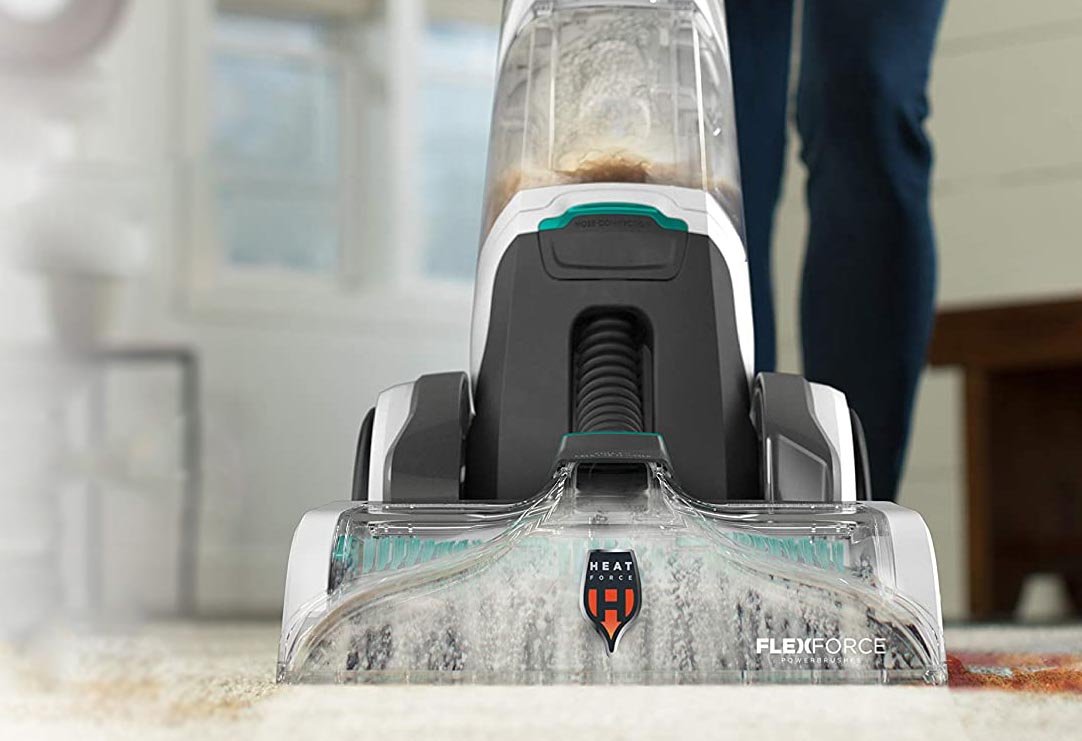
Carpet has a sneaky talent: It can look perfectly respectable while quietly storing tracked-in soil, cooking odors, pet accidents, drink spills, and enough crumbs to cater a small office meeting. Regular vacuuming removes loose debris, but a good carpet shampoo reaches deeper, loosening the oily residue and embedded grime that a vacuum cannot simply negotiate with.
The best carpet shampoo is not necessarily the strongest-smelling bottle or the formula with the most dramatic label. It is the product that matches the carpet fiber, cleaning machine, stain type, and needs of the household. Oxygen-based cleaners can brighten dingy high-traffic areas, enzyme formulas are useful for organic pet messes, fragrance-free products suit scent-sensitive homes, and dry powders offer an alternative when adding moisture is undesirable.
This guide compares several widely available carpet-cleaning formulas and explains how to choose and use them without leaving the floor soggy, sticky, or mysteriously dirtier two weeks later.
The Best Carpet Shampoo Options at a Glance
- Best overall: Bissell Pro Oxy Deep Clean Carpet Formula
- Best for large carpeted areas: OxiClean Large Area Carpet Cleaner
- Best for pet stains and odors: Nature’s Miracle Carpet Shampoo
- Best fragrance-free option: Bissell Revolution Pet Oxy Deep Clean Free & Clear
- Best heavy-duty formula: Rug Doctor Professional Oxy Carpet Cleaner
- Best dry carpet cleaner: Capture Carpet & Rug Dry Cleaner
- Best plant-powered concentrate: Puracy Carpet & Upholstery Shampoo
- Best enzymatic value: Hoover Paws & Claws Carpet Cleaning Solution
How We Evaluated Carpet Shampoos
These selections were compared by cleaning chemistry, intended use, machine compatibility, fragrance level, concentration, pet-mess performance, drying considerations, and fiber restrictions. Manufacturer directions were weighed alongside recommendations from independent cleaning organizations and flooring-care authorities.
The Carpet and Rug Institute’s Seal of Approval program laboratory-tests cleaning products and equipment for effectiveness. The Environmental Protection Agency’s Safer Choice label offers another useful shopping signal because every chemical ingredient in a certified formula is reviewed against the program’s safety criteria. Neither label guarantees that a product is ideal for every carpet, but both are more meaningful than a bottle simply describing itself as “green,” “professional,” or “miraculous.”
The cleaning machine also matters. Independent evaluations from Consumer Reports and Good Housekeeping show significant differences in stain removal, ease of operation, water extraction, and drying time among carpet cleaners. Even an excellent shampoo cannot compensate completely for weak extraction or improper technique.
The Best Carpet Shampoos for Deep Cleaning
1. Bissell Pro Oxy Deep Clean Carpet Formula: Best Overall
Bissell Pro Oxy Deep Clean is a balanced choice for households dealing with ordinary traffic soil, food spills, muddy footprints, and general discoloration. Its oxygen-based stain-fighting formula is designed for upright carpet-cleaning machines and is positioned as safe around children and pets when used according to the label.
It is best suited to synthetic wall-to-wall carpeting that needs an occasional full-room reset rather than treatment for one specialized problem. The formula’s broad purpose also makes it a sensible starting point for first-time carpet-cleaner owners who do not want to assemble a chemistry set of separate shampoos, boosters, and odor products.
Best for: General deep cleaning, dingy traffic lanes, and mixed household stains.
2. OxiClean Large Area Carpet Cleaner: Best for Large Carpeted Areas
OxiClean Large Area Carpet Cleaner is made for home-owned and rental extraction machines. Its oxygen-based cleaning action targets discoloration and stubborn stains across rooms, hallways, and other broad sections of carpeting.
Compatibility is a major advantage: The manufacturer permits its use in different carpet-cleaning machines as long as users follow the machine’s detergent-to-water instructions. However, the formula should not be used on wool, leather, or silk, and a hidden colorfastness test is required. That restriction is important. Oxygen chemistry can be a carpet’s helpful friend, but it should not be invited to every fiber party.
Best for: Synthetic carpeting, rental machines, and whole-room cleaning.
3. Nature’s Miracle Carpet Shampoo: Best for Pet Stains and Odors
Pet accidents contain organic material that ordinary detergent may lift visually without fully addressing the odor source. Nature’s Miracle Carpet Shampoo uses bio-enzymatic odor-locking technology and is designed to penetrate carpet and upholstery fibers, making it especially relevant for homes with repeat pet accidents.
The shampoo can address both recent and older stains, although serious contamination that has soaked through the carpet into the pad may require more than one surface treatment. When an odor returns during humid weather, that often suggests the affected area extends below the visible carpet pile.
Best for: Dog and cat accidents, organic stains, and lingering pet odors.
4. Bissell Revolution Pet Oxy Deep Clean Free & Clear: Best Fragrance-Free Option
A “clean” fragrance can be pleasant, but it can also become overwhelming when applied across several hundred square feet. Bissell Revolution Pet Oxy Deep Clean Free & Clear is made without dyes, synthetic fragrances, or heavy perfumes. It combines oxygen-powered stain removal with a hypoallergenic, fragrance-free approach.
The formula is intended for upright carpet cleaners and can be used in Bissell machines as well as other leading upright deep cleaners when directed. It is a practical choice for homes where strong scents cause headaches, bother sensitive occupants, or inspire the family cat to file a formal complaint.
Best for: Scent-sensitive households, pet homes, and bedrooms.
5. Rug Doctor Professional Oxy Carpet Cleaner: Best Heavy-Duty Formula
Rug Doctor Professional Oxy Carpet Cleaner is aimed at heavily used carpeting with embedded dirt, odors, mud, food stains, and other challenging messes. The formula combines oxygen-based stain fighting with deodorizing ingredients and StainProtect technology intended to make future spills less likely to set immediately.
It is a logical partner for a powerful rental or full-size extraction machine. The temptation with a heavy-duty shampoo is to pour in extra concentrate for “bonus strength,” but overdosing can create foam, slow rinsing, and leave residue behind. The measuring line is not a polite suggestion.
Best for: High-traffic rooms, neglected carpeting, and powerful extraction machines.
6. Capture Carpet & Rug Dry Cleaner: Best Dry Carpet Cleaner
Capture takes a different approach from liquid shampoos. Its dry-cleaning powder contains porous particles designed to attach to and absorb dirt, odors, and allergen-containing debris before being vacuumed away. A pre-mist can be applied first to help release stubborn soil.
This system is useful when a wet extraction machine is impractical, when a room needs to return to service quickly, or when the user wants to avoid soaking the carpet backing. It still requires thorough vacuuming, and deeply embedded spills may need targeted treatment. Think of it as controlled dirt removal, not enchanted floor confetti.
Best for: Quick refreshes, moisture-conscious cleaning, and smaller carpeted areas.
7. Puracy Carpet & Upholstery Shampoo: Best Plant-Powered Concentrate
Puracy Carpet & Upholstery Shampoo is a concentrated, plant-powered option formulated for carpets and other washable fabrics. Its concentrated design reduces the amount of packaging and product required per cleaning session, while its intended uses include both machine extraction and manual spot treatment.
This option will appeal to shoppers who value ingredient transparency and concentrated formulas. As with any plant-derived cleaner, however, “plant-powered” does not eliminate the need for proper dilution, color testing, rinsing, or ventilation. Poison ivy is plant-powered too, so labels still matter.
Best for: Concentrate buyers, upholstery cleaning, and eco-conscious households.
8. Hoover Paws & Claws Carpet Cleaning Solution: Best Enzymatic Value
Hoover Paws & Claws uses enzymatic cleaning ingredients to break down pet messes and neutralize odors. It is designed for carpets, area rugs, upholstery, stairs, and vehicle interiors, giving it more flexibility than a formula intended only for full-size upright machines.
The formula continues working on traces of organic residue after the initial cleaning stage. It is particularly useful for recurring pet problems, but users should first remove solid material, blot excess moisture, and treat beyond the visible edge of a urine spot because liquid can spread underneath the surface.
Best for: Pet-owning households, upholstery, stairs, and car interiors.
What to Look for When Choosing Carpet Shampoo
Match the Formula to the Stain
Different messes respond to different chemistry. Enzymes are useful for protein-based and biological material, including urine, vomit, and some food spills. Oxygen formulas are well suited to many colored organic stains and general dinginess. Standard detergents help release oily soil and tracked-in grime.
A shampoo intended for full-room maintenance may not be the best first treatment for dried urine or a concentrated red-wine spill. Pretreating the specific stain and then shampooing the room usually produces a more even result.
Check Carpet-Fiber Compatibility
Most consumer extraction formulas are designed primarily for common synthetic carpets such as nylon, polyester, and olefin. Wool, silk, natural-fiber rugs, handmade rugs, and carpets with unstable dyes require more caution. Several oxygen-based products specifically exclude wool and silk. Always read both the carpet manufacturer’s care instructions and the shampoo label before cleaning.
Choose Low-Foaming Machine Shampoo
Dish soap, laundry detergent, and general household cleaner are poor substitutes for machine carpet shampoo. They may generate excessive foam, leave sticky residue, interfere with extraction, or create a much larger cleanup project than the original stain.
Use only the amount recommended for the machine and formula. More soap does not automatically mean more cleaning. Often it means more rinsing, longer drying, and a carpet that attracts new soil faster.
Consider Fragrance and Household Sensitivities
Fragrance can temporarily improve the room’s atmosphere, but it should not be confused with odor removal. A heavily scented formula may mask contamination without eliminating it. Homes with babies, scent-sensitive occupants, or pets may be better served by fragrance-free or lightly scented products.
Look for Meaningful Certifications
The CRI Seal of Approval identifies formulas and machines that have met carpet-cleaning performance standards. EPA Safer Choice certification indicates that the product’s chemical ingredients have undergone the agency’s safety review. These programs provide more useful information than broad marketing phrases that have no standardized definition.
How to Shampoo Carpet Correctly
1. Vacuum Thoroughly
Vacuum slowly in more than one direction before introducing water. Removing dry soil first prevents the shampoo from turning loose dust into damp gray paste. Concentrate on edges, traffic lanes, and areas beneath recently moved furniture.
2. Test a Hidden Area
Apply the diluted product in a closet, behind a door, or beneath a large piece of furniture. Check the area after it dries for color transfer, texture changes, browning, or stiffness. Bob Vila’s carpet-cleaning guidance likewise recommends testing an inconspicuous section before treating the entire floor.
3. Pretreat Concentrated Stains
Remove solids gently and blot liquids with a clean white cloth. Avoid aggressive scrubbing, which can distort the carpet pile and spread the stain. The Carpet and Rug Institute recommends blotting rather than rubbing so liquid is lifted from the fibers without unnecessary damage.
4. Follow the Dilution Instructions
Measure the shampoo according to both the formula label and machine manual. Do not combine unrelated cleaning products. Mixing chemicals can damage carpet, create excessive foam, or produce unsafe fumes.
5. Make Controlled Wet and Dry Passes
Work in manageable sections. Apply solution during the recommended wet passes, then release the trigger and make additional extraction passes. Rug Doctor recommends following wet passes with drying passes and slightly overlapping cleaned sections.
6. Avoid Oversaturation
More water does not equal a deeper clean. Excess moisture can reach the backing and pad, extend drying time, encourage odor development, and contribute to carpet damage. Shaw warns that over-wetting and inadequate extraction can cause wrinkling, backing problems, and rapid resoiling when detergent residue remains.
7. Improve Airflow While the Carpet Dries
Open windows when weather permits, run ceiling fans, use portable fans, and operate air conditioning or a dehumidifier in humid conditions. Keep people and pets off the carpet until it is fully dry. Replacing furniture too early can trap moisture or transfer stain from wood and metal legs.
How Often Should Carpet Be Deep-Cleaned?
A typical home may need extraction cleaning approximately every 12 to 18 months, while busy homes with children, pets, outdoor shoes, or allergy concerns may need more frequent attention. Shaw recommends professional hot-water extraction within a range of roughly 6 to 18 months depending on traffic, and Bob Vila notes that annual shampooing may be appropriate for stained or heavily soiled synthetic carpet.
Cleaning should happen before the carpet appears dramatically dirty. Once oily soil has accumulated and traffic lanes have become visibly gray, restoring an even appearance becomes harder. Frequent vacuuming, entrance mats, prompt spot treatment, and a shoes-off policy can extend the time between full-room cleanings.
Frequently Asked Questions
Can carpet shampoo remove every old stain?
No. Results depend on the substance, carpet fiber, dye stability, previous cleaning attempts, and whether the stain reached the backing or pad. Some discoloration is permanent fiber damage rather than removable soil.
Should carpet be rinsed after shampooing?
A clear-water rinse can help remove residue when permitted by the machine and carpet manufacturer. It is particularly useful when too much detergent was applied. Follow the machine manual and make extra extraction passes afterward.
Can carpet shampoo eliminate pet urine completely?
Enzymatic shampoo can treat organic residue in the carpet fibers, but urine that has soaked into the pad or subfloor may require lifting the carpet, replacing pad, sealing the subfloor, or hiring a professional.
Is carpet shampoo safe for area rugs?
Only when the rug’s care label and the shampoo instructions allow wet cleaning. Wool, silk, jute, viscose, handmade rugs, antique rugs, and rugs with unstable dyes may require professional care.
Real-World Deep-Cleaning Experience: What Usually Makes the Biggest Difference
A realistic carpet-cleaning session often begins with an uncomfortable discovery: The dirty-water tank becomes dark long before the carpet looked seriously dirty. That does not necessarily mean the home was filthy. Carpet pile hides fine soil extremely well, especially in beige, gray, and patterned flooring. The first lesson is simpleappearance alone is a poor cleaning schedule.
The most successful sessions usually involve more preparation than actual shampooing. Furniture is moved, small objects disappear from the floor, baseboard edges are vacuumed, and traffic lanes receive a slow second vacuuming. Skipping this work may save 20 minutes at the beginning, but it can add an hour of muddy frustration later.
Pretreatment also changes the outcome. A single full-room pass rarely erases every coffee drip, pet accident, and mystery spot equally. Applying the appropriate stain treatment first gives the active ingredients time to work. The trick is patience without oversaturation. A stain should be damp enough for treatment, not transformed into an indoor koi pond.
Another common experience is the urge to keep making wet passes until the carpet looks dramatically different. This usually adds more water than cleaning power. Once the shampoo has loosened the soil, repeated dry extraction passes are often more valuable. Watching additional water enter the recovery tank without pressing the spray trigger is oddly satisfying and significantly improves drying.
Residue becomes obvious a few days or weeks later. Carpet that feels slightly crunchy or becomes dirty again unusually quickly may have retained detergent. This is why careful measuring and optional clear-water rinsing matter. Concentrate is designed to be diluted; doubling it does not turn a household machine into a commercial cleaning truck.
Drying conditions can determine whether the entire project feels successful. In a cool or humid room with closed windows, carpet may remain damp far longer than expected. Fans placed at opposite sides of the room, air conditioning, and a dehumidifier can shorten that period. It also helps to finish early in the day rather than at bedtime, unless everyone enjoys navigating the house across an improvised archipelago of towels.
Pet odor presents its own lesson. A carpet can look clean and still smell unpleasant because the contamination reached the pad. Repeatedly applying scented shampoo may temporarily cover the problem, but it can also add moisture without addressing the source. An enzyme formula, treatment beyond the visible stain boundary, and inspection of the carpet pad are more effective steps.
Finally, the best results come from realistic expectations. Carpet shampoo can lift soil, improve color, reduce odors, and make the pile feel fresher. It cannot repair bleached fibers, reverse permanent wear, restore crushed padding, or remove every stain created during the previous decade. When a careful cleaning produces a noticeably fresher, more even floor without residue or prolonged dampness, the shampoo has done its jobeven if the carpet does not emerge believing it is brand new.
Editorial note: Product names, formulas, packaging, certifications, and availability may change. Confirm the current label, carpet-care instructions, and machine manual before use. The selections above are an editorial comparison based on published product information and carpet-care guidance, not a claim of hands-on laboratory testing.