A dining table is rarely just a dining table. It moonlights as a breakfast counter, homework station, craft studio, makeshift office, gift-wrapping department, and emergency landing zone for grocery bagly life and considerably less wonderful for an unprotected wood surface.
That is where Anorak oilcloths earn their place at the table. Known for bold, nature-inspired prints and practical waterproof finishes, these table coverings offer a cheerful alternative to stiff formal linens and flimsy disposable plastic. They bring pattern, personality, and spill protection together in one very useful package.
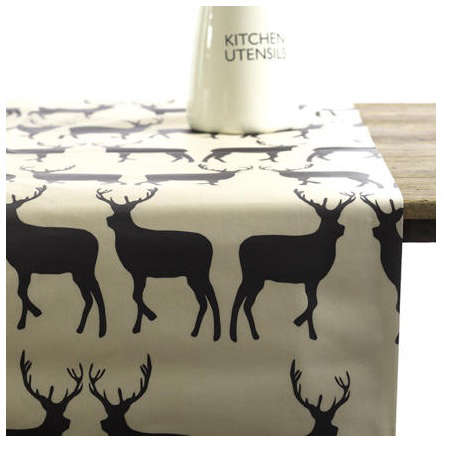
The early Anorak tabletop collection attracted attention for coated-cotton designs such as Kissing Stags and Kissing Robins. The motifs reflected designer Laurie Robertson’s memories of camping and the outdoors, while the products were manufactured in Britain. Anorak continues to describe itself as an independent British brand focused on printed clothing and homeware, including waterproof cotton tablecloths. >In other words, an Anorak oilcloth is not trying to turn your kitchen into a formal banquet hall. It is trying to make everyday meals look more joyful while preventing tomato sauce from becoming a permanent part of the furniture.
What Is an Anorak Oilcloth?
Traditional oilcloth was made by coating tightly woven cotton or linen with linseed oil to create a flexible, water-resistant surface. Modern products sold as oilcloth are usually constructed differently. Many use printed cotton covered with a protective PVC, acrylic, or similar wipe-clean coating.
This distinction matters because contemporary oilcloth generally feels more like coated fabric than the heavy, oily material its name suggests. The printed textile beneath the coating gives it color and character, while the surface layer prevents most everyday spills from immediately soaking into the fibers. Historically, oilcloth was used for table covers, floor coverings, luggage, tents, and other applications that needed flexible protection from moisture. >Anorak’s tabletop products fit the modern interpretation: decorative printed cotton designed to be waterproof or wipeable. The result sits somewhere between a conventional cotton tablecloth and a vinyl protector. It has the visual appeal of fabric, but it does not demand a trip to the washing machine every time someone drops a spoonful of yogurt.
The Design Appeal of Anorak Oilcloths
Nature Motifs Without the Rustic Clichés
Anorak built much of its visual identity around repeating animal, bird, tree, and outdoor-inspired motifs. These prints feel playful without looking like children’s party decorations. A repeated stag silhouette can appear graphic and architectural from across the room, while the individual animals add humor when viewed up close.
The well-known Kissing Stags design used mirrored deer figures to form a rhythmic pattern. Kissing Robins followed the same basic idea with birds. These motifs were simple enough to coordinate with everyday dishes but distinctive enough to become the main decorative feature of a room.
That balance is important. A patterned tabletop should be interesting, but it should not make every plate look as though it has wandered into a visual argument. Anorak’s limited-color prints traditionally worked well because repetition created energy while a controlled palette kept the overall effect organized.
Pattern as a Practical Decorating Tool
A large printed tablecloth can change a room faster than painting a wall, replacing chairs, or purchasing a cabinet full of new dishes. It covers scratches, softens a hard tabletop, introduces color, and creates a background for everything placed on top of it.
Interior designers often treat a tablecloth as an anchor for a tablescape, much like a rug anchors a seating area. Pattern can establish the mood before the food arrives, whether the goal is cozy, playful, modern, rustic, or celebratory. >For renters or anyone reluctant to commit to permanent decor, this is especially useful. One tablecloth can make a plain white kitchen feel warmer in minutes. When the mood changes, roll it up and replace it. No paint rollers, no contractor, and no panicked conversation with the landlord.
Why Oilcloth Works So Well on Busy Tables
It Handles Everyday Spills
The most obvious benefit is moisture resistance. Water, milk, coffee, and many food spills remain on the coated surface long enough to be wiped away. That gives you a valuable window between “someone knocked over a glass” and “the dining table has absorbed a permanent memory of grape juice.”
No table covering makes a surface invincible, and spills should still be cleaned promptly. Strong pigments, ink, nail polish, curry, tomato-based sauces, and other staining substances can mark some coatings if they sit too long. Still, for routine family meals, an oilcloth tablecloth is dramatically easier to manage than untreated linen.
It Protects the Table Beneath It
A coated tablecloth helps shield a surface from crumbs, sticky fingerprints, moisture rings, craft glue, and minor scratches. This can be valuable on wood tables, vintage furniture, painted surfaces, and inexpensive tables that have already collected a few mysterious dents.
For delicate finishes, place a breathable table pad or soft liner beneath the oilcloth and periodically remove the covering. Trapped moisture, heat, or coating-to-finish contact may affect certain furniture surfaces. Manufacturer care instructions for both the tablecloth and the table should always take priority.
It Reduces Laundry
Traditional table linens usually need shaking, stain treatment, washing, drying, folding, and occasionally ironing. Oilcloth usually asks for a damp cloth and perhaps a little mild dish soap. It is the rare household product whose primary instruction is essentially, “Give me a wipe and carry on.”
Easy-to-clean materials such as oilcloth, vinyl, and coated fabrics are commonly recommended for outdoor dining, households with children, and tables used every day. Their practicality is one reason waterproof tablecloths remain popular for patios, picnics, craft areas, and casual entertaining. 2>How to Choose the Right Size
Before choosing a print, measure the tabletop. Guessing based on the number of chairs is surprisingly unreliable. Some six-person tables are compact rectangles, while others are long enough to require diplomatic negotiations over who gets the gravy.
Measure the table’s length and width for a rectangular or square table. For a round table, measure the diameter through the center. Then decide how much fabric you want to hang over each edge. This overhang is called the drop.
A casual table generally looks comfortable with a drop of approximately 6 to 12 inches per side. A longer drop feels more formal but may become inconvenient around children, pets, chair arms, or guests who enjoy moving their knees enthusiastically. Outdoor dining guides commonly recommend adding about 24 inches to the table’s dimensions to create roughly a 12-inch drop on each side. >Use this simple formula:
Tablecloth length = table length + twice the desired drop
Tablecloth width = table width + twice the desired drop
For example, a table measuring 60 by 36 inches with a desired 8-inch drop needs a cloth measuring approximately 76 by 52 inches. When buying material by the yard, check the roll width carefully. Some oilcloth fabrics are narrower than large American dining tables, which may affect how much side drop is possible.
How to Style an Anorak Oilcloth Indoors
Let the Print Be the Main Event
Because Anorak patterns are visually strong, start with simple tableware. White stoneware, cream enamel plates, clear glasses, and natural wood serving boards allow the print to remain prominent without making the table feel busy.
Choose one color from the oilcloth and repeat it in two or three smaller details. A black-and-cream animal print, for example, might be paired with black candlesticks, cream napkins, and a small arrangement of green branches. The greenery introduces life without competing with the illustrated motif.
Mix Materials Rather Than More Prints
If the tablecloth already has a bold repeat, add texture through woven placemats, cork coasters, matte ceramics, linen napkins, or brushed metal flatware. Texture creates depth without forcing another pattern into the conversation.
Pattern mixing can still work, but scale should vary. A small gingham napkin may coordinate with a large animal motif better than another large illustrated print. Keep the color palette connected and allow some solid-colored items to provide visual breathing room.
Keep the Centerpiece Low
A bold table surface already supplies plenty of decoration. Try a shallow bowl of fruit, a line of small bud vases, clipped garden branches, or a compact pot of herbs. Guests should be able to see one another without leaning sideways around a floral arrangement that appears to have ambitions of becoming a hedge.
Using Anorak Oilcloths Outdoors
Oilcloth is naturally suited to patio meals, picnics, garden parties, and camping-inspired gatherings. It creates a clean food-preparation surface, brightens plain outdoor furniture, and can be wiped after exposure to crumbs, condensation, or light rain.
Outdoor use still requires planning. Place the table in shade when possible, particularly during hot weather. Strong sun can heat the coated surface, fade prints over time, and make tableware uncomfortable to touch. Entertaining experts also recommend shade for guest comfort, whether it comes from trees, umbrellas, canopies, or covered patios. >Wind is another concern. Use tablecloth clips, a fitted cover, or strategically placed heavy serving pieces. Do not rely on one decorative lemon to restrain an entire tablecloth during a determined breeze. When the meal is over, wipe the cloth clean and bring it indoors rather than leaving it exposed to sun, rain, pollen, and temperature changes for days.
Cleaning and Caring for an Oilcloth Tablecloth
Wipe Spills Promptly
Use a soft damp cloth with warm water. For greasy food or sticky residue, add a small amount of mild dish soap. Wipe again with clean water, then dry the surface with a soft towel or allow it to air-dry completely.
Avoid abrasive pads, powdered cleansers, harsh solvents, bleach, and aggressive scrubbing unless the manufacturer specifically approves them. These treatments can dull, scratch, discolor, or weaken the protective coating. Wipe-clean fabric specialists generally recommend mild soap and prompt attention to spills as the safest routine. 3>Do Not Assume It Is Machine Washable
Some modern coated fabrics have specialized laundering instructions, but many PVC-coated oilcloths should not go into a washing machine or dryer. Flexing, heat, detergent, and spinning may damage the coating or create permanent creases. Always check the product label rather than applying ordinary cotton-tablecloth advice.
Store It Rolled
Rolling is usually better than folding because deep fold lines can remain visible in coated fabric. Roll the clean, dry cloth around a cardboard tube with the printed surface facing outward or according to the manufacturer’s guidance. Store it horizontally in a cool, dry location away from heaters and direct sunlight.
If wrinkles appear, lay the oilcloth flat in a warm room and allow it time to relax. Do not place a hot iron directly on the coating. If the care label permits gentle heat, use extreme caution from the fabric side with a protective cloth between the material and the iron.
Is an Anorak Oilcloth Right for Every Table?
Anorak oilcloths are particularly well suited to breakfast rooms, family kitchens, craft tables, casual dining areas, covered patios, and homes where attractive things are expected to do actual work.
They may be less appropriate for highly formal dinners where soft drape, embroidered detail, or traditional linen is part of the experience. They also require care around very hot cookware. A waterproof coating is not automatically heatproof, so use trivets beneath serving dishes, kettles, fondue pots, and anything recently removed from the oven.
Buyers who are sensitive to synthetic materials should review current product specifications carefully. The term “oilcloth” is used broadly, and two products with the same label may have different base fabrics, coatings, finishes, odors, certifications, and care requirements.
Five Real-World Experiences With Anorak-Style Oilcloths
1. The Weekday Breakfast Test
The most convincing test of an oilcloth is not a beautifully photographed dinner party. It is breakfast on a school or work morning. There are cereal bowls, toast crumbs, coffee rings, jam, and at least one person who has misplaced something important.
On a table covered with an Anorak-style printed oilcloth, the mess feels less serious. Crumbs brush away, milk wipes up, and the graphic pattern disguises tiny marks that would look obvious on a plain white cloth. The cheerful print also gives the room personality before anyone has achieved a fully operational facial expression.
The main lesson is to keep a soft cleaning cloth nearby. When cleanup takes less than a minute, people are more likely to do it immediately instead of leaving a sticky archaeological layer for later.
2. The Children’s Craft Session
A coated tablecloth is extremely useful beneath washable paint, modeling clay, glue sticks, markers, and paper crafts. It creates a clear work zone and reduces anxiety about the table underneath. Children can focus on making something, while adults can reduce the number of times they say, “Please be careful,” from 47 to a more civilized 12.
However, waterproof does not mean art-supply-proof. Permanent markers, solvent-based paint, ink pads, and strong adhesives may stain or damage the coating. For ambitious projects, place scrap cardboard or a cutting mat over the oilcloth. The table covering should be the first layer of defense, not a volunteer for total destruction.
3. The Backyard Lunch
Outdoors, a bold animal or woodland print feels completely at home. Paired with enamel plates, reusable tumblers, cloth napkins, and a bowl of fruit, it creates a relaxed camping-inspired table without requiring anyone to sleep on the ground.
The waterproof surface handles condensation and small spills well, but tablecloth clips become essential when the wind rises. Without them, a lightweight cloth can transform from charming decor into a low-flying picnic sail. After lunch, wiping pollen and crumbs away is much easier than shaking and laundering a conventional fabric cloth.
4. The Temporary Home Office
Many dining tables now serve as daytime desks. An oilcloth can protect the surface from coffee, pen marks, charging cables, and the repeated movement of notebooks. It also visually separates the work area from the furniture beneath it.
A desk mat should still be used under computer equipment, especially if devices generate heat. At the end of the day, removing the laptop and wiping the surface helps the table return to its actual profession: holding dinner.
5. The Casual Dinner Party
An Anorak oilcloth is at its best when the gathering is stylish but not stiff. The print does much of the decorative work, so preparation can stay simple. Add plain plates, generous serving bowls, low candles, and one unfussy centerpiece. Guests notice the table, but nobody is afraid to place a spoon on it.
The most useful experience is psychological. Hosts tend to relax when the table covering is durable and wipeable. A spilled drink becomes a quick interruption rather than a domestic tragedy. That change in mood may be the oilcloth’s greatest benefit. A table that can handle real life encourages people to use it, gather around it, and stay for another serving.
Conclusion
Anorak oilcloths combine two qualities that household products rarely manage at the same time: strong visual character and genuine practicality. Their nature-inspired repeats can transform a plain table into the focal point of a kitchen, patio, or breakfast room, while the coated surface makes everyday cleanup refreshingly straightforward.
The best results come from selecting the correct size, balancing bold prints with simple tableware, wiping spills promptly, avoiding direct heat, and storing the material rolled rather than sharply folded. Treated well, a quality printed oilcloth can move easily from family breakfast to craft session, backyard lunch, and casual dinner party.
Most importantly, it allows a table to look thoughtfully decorated without becoming precious. That is useful design: attractive enough for guests, durable enough for children, and forgiving enough for the person who always manages to spill coffee before 8 a.m.
Note: Older Anorak designs discussed in editorial archives may be discontinued, reissued, or available only through resale channels. Confirm current dimensions, coating materials, care instructions, prices, and availability with the seller before purchasing.