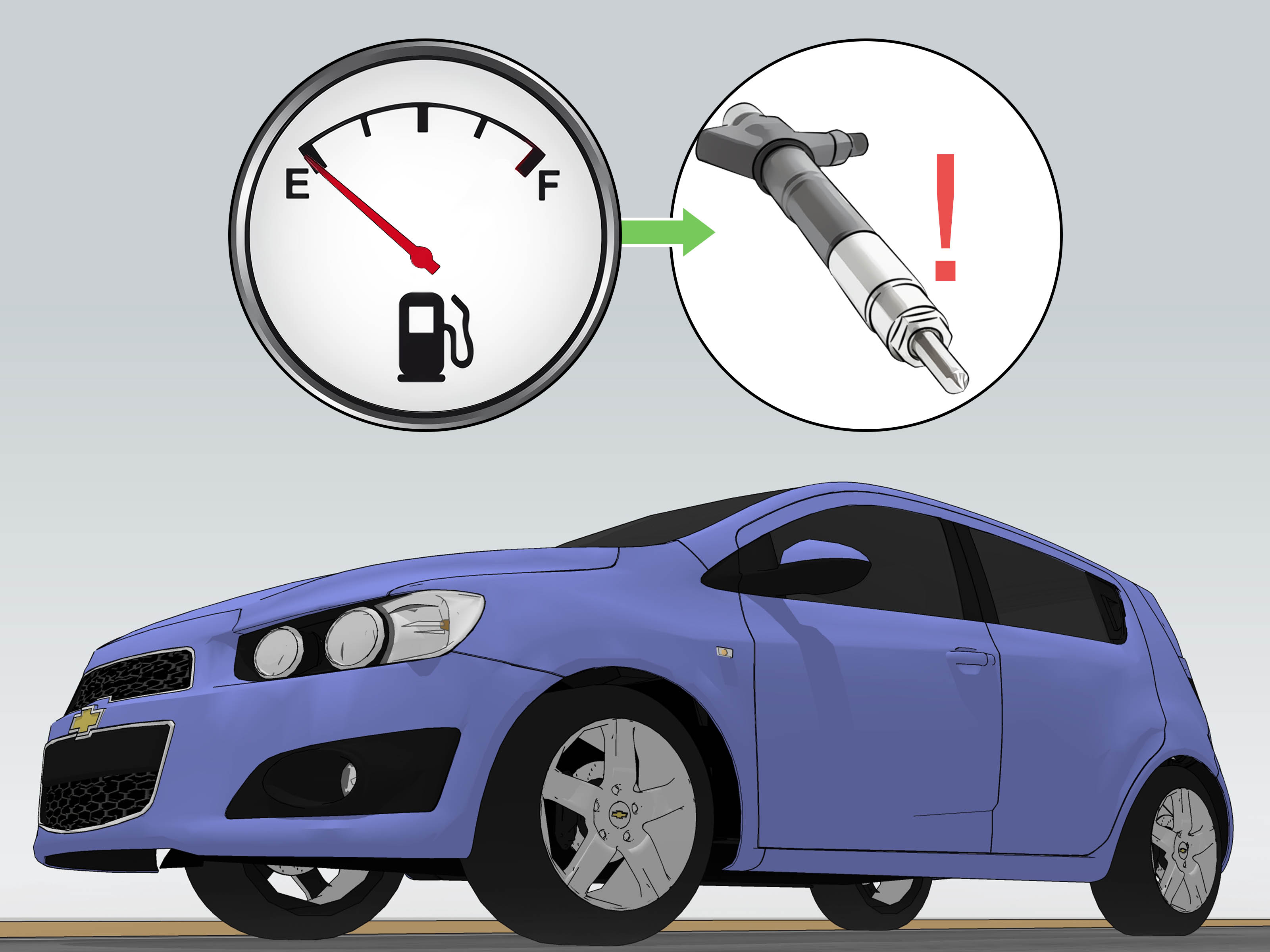
Running out of gas is one of those classic driving moments that makes time slow down. The engine coughs, the dashboard becomes suddenly fascinating, and every gas station you passed five minutes ago turns into a personal betrayal.
It happens to careful drivers, busy parents, road-trippers, commuters, and people who believed the “miles to empty” display had a stronger commitment to accuracy than it actually did. The good news: running out of gas is usually survivable for both you and your vehicle. The important part is knowing how to react safely, restart correctly, and avoid making an awkward roadside pause turn into a costly repair or dangerous situation.
This guide explains what happens when your car runs out of fuel, why steering and braking may feel different, what to do immediately, how to restart after refueling, and how to prevent the low-fuel light from becoming your most dramatic dashboard accessory.
What Happens When Your Car Runs Out of Gas?
When a gasoline-powered vehicle runs out of fuel, the engine does not usually stop with a theatrical explosion or a cloud of movie smoke. Instead, it often begins to lose power. You may notice sputtering, hesitation, weak acceleration, or a brief surge-and-fade feeling before the engine stalls completely.
Your engine needs a steady mixture of air and fuel to keep combustion going. Once the fuel pump can no longer send enough gasoline through the fuel system, the engine simply cannot keep running. The car may coast for a short distance, but it is no longer producing power.
Your Car May Lose Engine Power Before It Stops
The warning signs are often subtle at first. The accelerator may feel less responsive. The engine may stumble when you press the gas pedal. The vehicle may slow down even though you are trying to maintain speed. In many cars, the engine eventually cuts out entirely.
This can feel alarming, especially on a highway, but the vehicle will still roll. Your goal is to use that remaining momentum wisely and guide the car to the safest available location.
Steering and Braking Can Feel Much Harder
When the engine shuts off, many vehicles lose power assistance for steering and brakes. That does not mean the steering wheel locks or the brakes disappear. It means they can require much more effort.
The steering wheel may feel heavy, especially at low speed. The brake pedal may feel firmer than usual because the brake booster has limited stored assist after the engine stops. You can still steer and brake, but you may need to press more firmly and make gradual movements.
This is why it is smart to stay calm, keep both hands on the wheel, and avoid sudden turns. Your car is not haunted. It is simply asking you to do more of the work yourself.
Your Fuel Pump May Be Under Extra Stress
A single incident of running out of gas does not automatically mean your fuel pump is ruined. Most modern vehicles can survive one accidental empty-tank episode without a dramatic repair bill appearing from the shadows.
However, frequently driving with very little fuel can put extra stress on the fuel pump. In many vehicles, the electric fuel pump sits inside the fuel tank and relies on gasoline to help cool and lubricate it. Repeatedly running near empty can contribute to overheating, increased wear, and premature fuel-pump failure.
There is also a possibility that sediment or debris in the bottom of an older fuel tank can be drawn into the fuel system when fuel is extremely low. Fuel filters are designed to catch contaminants, but chronic low-fuel driving can increase the chance of clogging or extra strain on fuel-system components.
What to Do Immediately When You Run Out of Gas
The moment you realize your car is losing power, your priority is not finding the nearest gas station on your phone. Your priority is getting yourself and your passengers out of danger.
1. Stay Calm and Turn On Your Hazard Lights
Take a breath. Panic does not add gasoline. Turn on your hazard lights as soon as you realize the engine is struggling or the vehicle is slowing unexpectedly. Hazard lights alert other drivers that your vehicle has a problem and may be moving slower than traffic.
Keep your eyes on the road and begin planning where you can pull over safely. Look for a shoulder, parking lot, exit ramp, rest area, wide driveway, or other location away from moving traffic.
2. Use Your Remaining Momentum Wisely
If your engine is still running weakly, do not floor the accelerator in hopes of squeezing out a few superhero miles. Aggressive acceleration burns the little remaining fuel faster and can make the stall happen sooner.
Instead, ease off the accelerator, maintain control, and coast toward a safe stopping point. If you are approaching an exit, a parking lot, or a wide shoulder, use your momentum to reach it.
On a steep hill, remember that your vehicle may coast farther downhill than uphill. Gravity is suddenly very interested in your travel plans.
3. Pull Over as Far From Traffic as Possible
If you can safely reach a shoulder, move as far to the right as possible without driving into a ditch, soft ground, or unsafe terrain. Avoid stopping on a blind curve, narrow bridge, freeway lane, railroad crossing, or entrance ramp whenever possible.
Once stopped, put the transmission in Park, engage the parking brake, and keep your hazard lights on. If you are on a slope, turn your wheels away from traffic when practical.
4. Do Not Shut Off the Ignition Too Early
If the engine has not stalled yet, do not switch off the ignition while you are still moving. Turning off the vehicle prematurely can reduce your ability to use power-assisted steering and brakes before you are safely stopped.
Let the vehicle slow naturally, steer it carefully to a safe place, then fully stop before shutting everything down.
5. Decide Whether to Stay in the Vehicle
On a busy highway, it is usually safer to remain inside the vehicle with the doors locked and seat belts fastened, especially if traffic is moving fast or the shoulder is narrow. Walking along a freeway to find gas may sound brave in your head, but it is often a terrible real-world plan.
If you are stopped in a safe parking lot or quiet area, you may be able to walk to a nearby gas station. Use good judgment. Consider traffic, weather, lighting, distance, neighborhood safety, and whether children, older passengers, or pets are in the vehicle.
If your vehicle is in a dangerous location, such as partially blocking a travel lane, near a blind curve, or in severe weather, call emergency services rather than attempting a risky DIY rescue.
How to Get Gas When You Are Stranded
Once your car is safely parked, you have several options. The best choice depends on where you are, how far the nearest station is, and whether you have roadside assistance.
Call Roadside Assistance
Roadside assistance is often the easiest and safest solution. Many auto insurance policies, vehicle warranties, credit-card programs, dealership plans, and membership organizations offer fuel delivery. Depending on your coverage, the service may deliver enough fuel to get you to a nearby station, while you pay only for the gasoline itself.
Before calling, have your exact location ready. Use your phone’s map app, highway mile marker, cross streets, nearby business name, or location-sharing feature. “Somewhere near a tree and a suspiciously confident squirrel” is not a useful address.
Ask a Friend or Family Member for Help
A trusted friend or family member can bring fuel, but make sure they use an approved gasoline container. Gasoline should never be transported in an open container, drink bottle, glass jar, or anything that once held lemonade. A gasoline can is not optional fancy packaging; it is a safety tool.
Ask them to bring enough fuel to start the vehicle and reach a station comfortably. One or two gallons is often enough for a gasoline car, but the right amount depends on your vehicle, location, road conditions, and how completely the tank ran dry.
Walk to a Gas Station Only When It Is Truly Safe
Walking for gas may be reasonable when the station is very close, the route is safe, it is daylight, weather conditions are mild, and you are not on a high-speed road. Carry the approved fuel container empty, not full, until you reach the station.
Do not walk along a freeway shoulder, cross multiple traffic lanes, or leave vulnerable passengers alone in an unsafe situation. In many cases, waiting for roadside help is smarter than turning a fuel problem into a pedestrian-safety problem.
How to Restart Your Car After Running Out of Gas
After you add fuel, your car may restart immediately. Or it may act like it needs a moment to recover from the emotional experience. Both are possible.
For Most Gasoline Vehicles
Once you have added enough fuel, try starting the car normally. If it does not start right away, avoid cranking the engine continuously for long periods. Excessive cranking can drain the battery and overheat the starter.
For many vehicles, turning the ignition to the “On” position for a few seconds before starting can allow the fuel pump to build pressure. In push-button vehicles, you may be able to enter accessory or ignition mode without starting the engine. Check your owner’s manual for the correct procedure for your vehicle.
Try starting the vehicle again after a short pause. If it starts, let it idle briefly and confirm that it runs smoothly before driving away.
For Diesel Vehicles
Diesel vehicles can be more complicated after running out of fuel because air may enter the fuel system. Some diesel engines need a priming procedure before they will restart properly. The correct process varies by make and model.
Do not guess, do not over-crank the engine, and do not treat a diesel fuel system like a gasoline engine. Consult the owner’s manual, contact roadside assistance, or have a qualified technician help if the vehicle does not restart normally.
For Hybrid and Plug-In Hybrid Vehicles
A hybrid can still run out of gasoline even if the battery display looks reassuring. The electric system may help temporarily, but a conventional hybrid or plug-in hybrid still needs fuel for the gasoline engine when the battery charge is low or when the vehicle requires engine power.
Some hybrids need more than a tiny splash of fuel before the system will restart. Add a reasonable amount of gasoline, park on level ground if possible, and follow your owner’s manual instructions. A hybrid dashboard can be calm and futuristic right up until it asks for actual fuel.
What Not to Do When You Run Out of Gas
Being stranded can make almost any idea sound reasonable. Here are a few ideas that should remain firmly in the “absolutely not” category.
Do Not Keep Cranking the Engine
If the car does not start after refueling, repeated long cranking attempts can drain the battery and create a second problem. Try a few short attempts, follow your owner’s manual, and call for help if the engine still will not start.
Do Not Smoke or Use Open Flames Near Fuel
Gasoline vapors are highly flammable. Do not smoke, light a lighter, use a candle, or perform any action that belongs in a questionable action movie near the vehicle or fuel container.
Do Not Accept Mystery Fuel
Fuel from an unknown container may be contaminated, stale, mixed with water, or simply the wrong type of fuel. Using bad gasoline can create a much larger repair problem than waiting for proper assistance.
Do Not Assume “Empty” Means You Still Have Plenty of Range
Fuel gauges, reserve ranges, and distance-to-empty displays are estimates. They can change based on traffic, hills, speed, weather, towing load, driving style, and how level the vehicle is parked. Treat a low-fuel warning as a prompt to refuel soon, not as an invitation to play a game called “Maybe I Can Make It.”
Can Running Out of Gas Damage Your Car?
One accidental empty-tank incident is not usually catastrophic. Many drivers refill, restart, and continue their day with nothing more serious than a bruised ego and a renewed appreciation for gas-station coffee.
The bigger concern is repeated low-fuel driving. Keeping the tank extremely low on a regular basis can increase wear on an in-tank electric fuel pump, raise the chance of pump overheating, and potentially allow debris near the bottom of the tank to place extra strain on the fuel system.
If your vehicle runs poorly after refueling, struggles to start, stalls again, loses power, or shows a check-engine light, have it inspected. The issue may be related to the fuel pump, fuel filter, fuel injectors, battery, or a separate mechanical problem that only happened to reveal itself at a very inconvenient moment.
How to Prevent Running Out of Gas Again
Prevention does not require turning into a fuel-management expert with a clipboard. A few easy habits can dramatically lower your chances of being stranded.
Refuel Around One-Quarter Tank
For many drivers, refueling when the gauge reaches about one-quarter tank is a practical habit. It gives you a comfortable buffer for traffic jams, detours, road construction, bad weather, closed stations, and spontaneous “I thought there was a gas station here” moments.
Use Your Fuel Range as a Reminder, Not a Promise
Distance-to-empty displays can be useful, but they are estimates based on recent driving conditions. If you have been cruising gently on a flat road, the number may look generous. Add hills, stop-and-go traffic, high speeds, cold weather, or a loaded vehicle, and that estimate can shrink quickly.
Plan Fuel Stops on Long Trips
Before a road trip, identify stretches where gas stations may be scarce. This is especially important in rural areas, deserts, mountain roads, national parks, late-night travel routes, and areas affected by storms or power outages.
If you drive a diesel vehicle, plan even more carefully because not every gas station offers diesel fuel. If you drive an electric vehicle, remember that this article has a cousin called “What Happens When You Run Out of Charge,” and it is equally unimpressed by optimism.
Keep a Basic Roadside Emergency Kit
A useful vehicle emergency kit can include a phone charger, flashlight, reflective triangle, first-aid supplies, water, blanket, jumper cables, tire inflator, basic tools, and a printed copy of important roadside-assistance contact information. You may never need every item, which is ideal. Emergency kits are like umbrellas: their best feature is making the bad weather hesitate.
Real-World Experiences and Lessons From Running Out of Gas
Running out of gas has a special way of creating stories that are funny only after everyone is safe. The experience usually starts with confidence. A driver sees the fuel gauge hovering near empty and decides the next station is probably close. Then traffic appears. Or the station is closed. Or the map sends the car toward a scenic route that is scenic mostly because there are no buildings, people, or fuel pumps for twenty miles.
One common experience happens during a busy commute. A driver leaves home with enough fuel for the normal route, but an accident creates a long detour. The car spends forty minutes inching along in stop-and-go traffic, air conditioning running, radio playing, and fuel range shrinking like it has entered a competitive sport. The lesson is simple: traffic can turn “enough gas” into “barely enough gas” much faster than expected.
Another familiar situation is the road trip fuel-gauge misunderstanding. Someone says, “We can get gas at the next town.” The next town turns out to have one station. That station turns out to close early. Suddenly the family vehicle is coasting into a gravel pull-off while everyone remembers the giant travel center they passed an hour ago. The lesson here is not that road trips are bad. Road trips are wonderful. The lesson is that rural fuel planning should be done before the fuel light becomes a glowing negotiation.
Many people also discover that their car behaves differently once it stalls. They expect the engine to restart immediately after adding a small amount of fuel, but the car may need a few moments for fuel pressure to return. This can be stressful because the driver is standing beside a vehicle that seems personally offended by the whole arrangement. In reality, the important thing is to avoid endless cranking, follow the owner’s manual, and get help when the vehicle does not restart normally.
There are also lessons from weather. In hot summer conditions, drivers may keep the air conditioning running while waiting in traffic. In winter, drivers may need heat, defrosting, and extra caution on icy roads. Fuel use can rise in those conditions, and the range display may be less reliable than usual. A low tank becomes more serious when weather makes walking unsafe or when a roadside wait could expose passengers to heat or cold.
The most useful experience-based takeaway is that running out of gas is rarely caused by one mistake alone. It is usually a stack of small assumptions: the warning light came on, the station was probably open, traffic would probably move, the range estimate would probably hold, and the next exit would probably have fuel. “Probably” is a charming word until you are stopped on the shoulder with hazards blinking.
Drivers who have been stranded once often develop better habits afterward. They refill earlier. They keep roadside-assistance details on their phone. They carry a charger and emergency kit. They check fuel before long drives instead of trusting memory. These habits are not dramatic, but they make driving less stressful and can prevent a minor inconvenience from becoming a dangerous roadside event.
Conclusion
Running out of gas is inconvenient, embarrassing, and occasionally expensive, but it does not have to become a crisis. The safest response is to stay calm, turn on your hazard lights, coast carefully to a safe location, avoid risky roadside decisions, and arrange for proper fuel delivery or assistance.
After refueling, restart the vehicle according to your owner’s manual and pay attention to any signs of rough running, repeated stalling, or difficulty starting. Most importantly, build a better buffer into your driving routine. Refueling earlier costs far less than replacing a stressed fuel pump, calling for a tow, or explaining to your passengers why the dashboard said “0 miles” and you decided to keep going anyway.
Note: This article provides general vehicle-safety information. Always follow your specific vehicle owner’s manual, local traffic laws, and roadside-assistance instructions.