Mac and cheese has long enjoyed a near-sacred status in the American pantry. It is the emergency dinner, the rainy-day lunch, the “I forgot to thaw the chicken” backup plan, and sometimes the only thing standing between a busy household and complete culinary mutiny. That is exactly why a nationwide recall involving boxed mac and cheese gets attention so quickly. When a comfort food this common lands in recall headlines, people do not just read the news. They march to the pantry, squint at lot codes, and suddenly become much more interested in the side panel of a cardboard box.
In this case, the recall centers on select Goodles products, a brand that built its following by making boxed macaroni and cheese feel a little more modern, a little more playful, and a little more grown-up. But this recall is not about taste, branding, or whether truffle in a pasta box sounds fancy or suspicious. It is about undeclared allergens, which is serious business. For people with milk or tree nut allergies, a labeling mistake is not a small typo. It can be the difference between a quick dinner and a medical emergency.
This recall matters for several reasons. First, the products were distributed nationwide, which means this is not some blink-and-you-miss-it local shelf issue. Second, one of the recalled products was marketed as plant-based, which adds another layer of concern for shoppers who rely on labels for dietary, ethical, or health reasons. And third, reported allergic reactions had already surfaced by the time the recall became public. In other words, this is not a technical paperwork problem floating in a corporate void. It is a real-world food safety issue that made it all the way to consumers’ kitchens.
What Happened With the Recall?
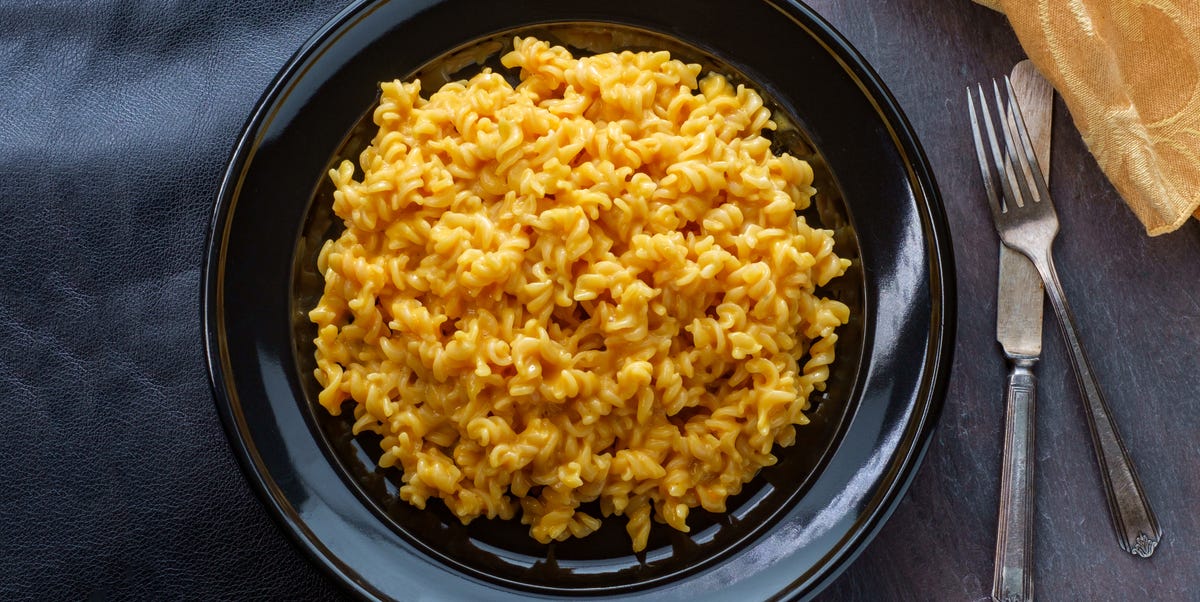
Gooder Foods issued a voluntary recall for specific lots of two boxed macaroni and cheese products sold under the Goodles brand. The issue was undeclared allergens. The recalled Vegan Is Believin’ – Plant Based White Cheddar with Spirals may contain milk, while the recalled Here Comes Truffle – Creamy Truffle Flavored Cheddar and Shells may contain cashew. Neither allergen was properly declared on the affected packaging.
That detail is the heart of the problem. Food allergies are not lifestyle preferences. They are medically significant conditions that can trigger reactions ranging from mild hives to severe breathing difficulty and anaphylaxis. When a product label fails to disclose a major allergen, the risk is not theoretical. A person may buy the item in good faith, prepare it, serve it, and only then discover that the box was keeping a very important secret.
The recall also spread across a broad distribution window, meaning the products had time to travel widely through stores and online channels before the issue was flagged. That makes consumer awareness even more important. Plenty of people who bought the product months ago may still have it tucked away behind the canned soup, the pancake mix, and that mysterious pasta shape nobody remembers purchasing.
Which Products Are Affected?
If you are writing about a recall, this is the part readers care about most: “Do I have it?” The answer depends on the exact product name, package size, UPC, lot code, and best-by date. The safest move is always to check the box itself rather than rely on memory. Pantry memory is famously overconfident.
| Product | Package Size | UPC | Affected Lot Codes | Best-By Dates | Undeclared Allergen |
|---|---|---|---|---|---|
| Goodles Vegan Is Believin’ – Plant Based White Cheddar with Spirals | 5.25 oz | 850031990074 | 09725N, 09825N, 09925N, 10025N, 10125N | Jul-7-2026 through Jul-11-2026 | Milk |
| Goodles Here Comes Truffle – Creamy Truffle Flavored Cheddar and Shells | 6 oz | 850031990159 | 10125N, 10425N, 10525N | Jul-11-2026, Jul-14-2026, Jul-15-2026 | Cashew |
Those products were distributed nationally through wholesale channels, operators, retailers, and online sales. Reports about the recall noted that Goodles products are sold by major retailers, which raises the odds that many shoppers saw the boxes in stores they visit all the time. In recall terms, this is exactly the sort of situation that turns a niche food safety story into a household one.
Why Undeclared Allergens Are Such a Big Deal
Undeclared allergens are one of the most common reasons packaged foods get recalled, and for good reason. In the United States, certain foods are recognized as major allergens because they account for a large share of serious allergic reactions. Milk and tree nuts are both on that list. So when either one appears in a product without proper disclosure, regulators and companies do not shrug and move on. They recall.
Milk may sound ordinary to people who do not live with food allergies, but for someone with a milk allergy, it is not harmless background dairy. It can trigger symptoms quickly. Cashew is equally serious. As part of the tree nut category, it can pose a major risk to people who rely on accurate labeling every single time they shop. This is why allergen labeling rules exist in the first place: consumers need to make informed, safe choices without treating every boxed dinner like a detective novel.
And yes, the irony here is hard to miss. A product labeled plant-based may contain milk. That is not just a branding hiccup. It undermines trust for shoppers who depend on those claims. Some consumers buy plant-based foods because of allergies. Others buy them because of religious practice, ethics, or digestive concerns. Either way, label accuracy is not optional decoration. It is part of the product’s promise.
How the Problem Came to Light
According to recall reporting, the issue was discovered through consumer feedback. That detail deserves attention because it highlights something important about modern food safety: sometimes the alarm bell rings not in a lab coat moment, but in someone’s kitchen. A shopper notices something is off. A reaction occurs. A report is made. Then the investigation begins to connect the dots.
By the time the recall was announced, eight allergic reactions had been reported. That number should not be treated casually. Even when all the details behind each case are not public, the existence of reported reactions changes the tone of the story. This is no longer a hypothetical labeling risk. It is a reminder that real consumers interacted with a mislabeled product and paid the price for that mismatch.
For brands, incidents like this are a wake-up call about supply chains, formulation controls, allergen management, packaging review, and quality checks. For shoppers, it is a reminder that recalls are not just legal announcements companies bury on a website. They are part of the public health system that tries to catch problems after something has gone wrong, and ideally before more people are harmed.
What Consumers Should Do Right Now
If you have one of the affected Goodles boxes in your pantry, do not eat it. That is the simple headline version. The more useful version is this: check the flavor name, package size, UPC, lot code, and best-by date. If the details match the recalled product, stop there. Do not “probably” use it. Do not serve it to guests. Do not pass it along to someone else. A recalled food is not a weird gift.
The usual consumer guidance applies here:
- Compare the box carefully with the recall details.
- Do not consume the product if it matches the affected lot information.
- Return it to the place of purchase for a refund or dispose of it according to the recall instructions.
- Keep the packaging available until you verify the UPC and lot code.
- If anyone has symptoms of an allergic reaction, seek medical care right away. Severe symptoms warrant emergency attention.
That last point matters. Food allergy symptoms can escalate quickly. Some people may experience hives, swelling, stomach symptoms, or dizziness. Others may develop breathing trouble or signs of anaphylaxis. Recalls tied to undeclared allergens always carry extra urgency because exposure can happen in a single normal meal. No dramatic warning, no strange smell, no obvious red flag in the bowl. Just dinner, until it is not.
Why This Recall Resonates With So Many Shoppers
There is a reason food recalls involving boxed staples feel different from recalls involving obscure specialty ingredients. Boxed mac and cheese is not an exotic pantry item. It is familiar. It is fast. It gets bought on autopilot. Parents buy it. College students buy it. Adults who claim they are “just getting ingredients for salads this week” absolutely buy it. When a product like that gets recalled, it lands with extra force because the item already lives in the rhythms of everyday life.
The Goodles recall also shows how much modern shoppers lean on packaging cues. Words like plant-based, cheddar, truffle, and even the visual design of the box all shape expectations. Consumers assume that the label tells the truth, especially about allergens. Most of the time, that trust is warranted. But when it fails, it feels personal. Food is intimate. It enters your home, your routine, and your body. A recall disrupts all three.
And because Goodles positions itself as a fun, upgraded take on a nostalgic food, the disconnect becomes even more striking. A playful brand voice can help sell dinner. It cannot soften the seriousness of an undeclared allergen. In fact, the friendlier the branding, the more jarring the recall can feel. Consumers are reminded that no amount of charming packaging can substitute for rigorous food safety systems.
What This Says About Recall Culture in America
Americans are seeing recall headlines more often, which can make the whole system feel noisy. One week it is snacks, the next week produce, then frozen meals, then boxed pasta. That constant churn can lead to recall fatigue, where people start tuning out because everything sounds urgent all the time. But stories like this are a reminder that some recalls are especially important to act on quickly, particularly those involving major allergens.
The good news is that the recall system exists precisely because mistakes can happen. Companies are expected to issue alerts, identify affected lots, and tell consumers what to do. Media outlets then amplify the information. Public health agencies post official notices. Retailers sometimes add their own warnings. In a best-case scenario, that information chain moves fast enough to prevent further harm.
The less cheerful truth is that recalls are still reactive. They usually happen after a problem has already entered the marketplace. That means shoppers need to stay alert, especially families managing allergies. Reading labels remains essential, but so does keeping an eye on food safety news and official recall updates. It is not glamorous, but neither is an ER visit caused by a noodle dinner that told half the truth.
Pantry Lessons From the Goodles Recall
This recall offers a few practical lessons beyond the specifics of these two products. First, pantry staples deserve the same scrutiny as specialty foods. Familiarity can make people less careful, not more. Second, anyone shopping for allergy-sensitive households should save packaging until the product is eaten. That cardboard box may contain the lot code you need if a recall is announced later. Third, products marketed around dietary identity, such as plant-based foods, should still be checked just as carefully as everything else. The front of the box is helpful. The side panel is where reality lives.
There is also a broader trust lesson here. Brands spend years building consumer loyalty and about five seconds losing it when a labeling issue becomes public. Shoppers are forgiving about many things. They will tolerate price increases, recipe changes, and the occasional annoying resealable pouch that does not reseal. But when a label fails on allergen disclosure, trust drops fast. That is not drama. That is survival logic.
Experiences From Real Life: What a Recall Feels Like at Home
A food recall story often sounds clinical in headlines, but the lived experience is much messier. For many households, it starts with a random scroll through the news, a social media post from a friend, or a text that reads something like, “Do you buy this brand?” That is when dinner turns into detective work. Somebody heads to the pantry. Somebody else reads lot codes out loud like they are cracking a safe. The kitchen suddenly feels less like a cozy domestic scene and more like an unusually carbohydrate-focused emergency response unit.
For allergy-aware families, that moment carries an extra layer of stress. These are the households that already read labels carefully, ask questions at restaurants, pack backup snacks, and know exactly where the antihistamines or epinephrine are stored. A recall involving undeclared allergens can feel especially frustrating because it breaks the system they are relying on. They did their part. They checked the label. They trusted the package. Then the package turned out to be incomplete.
Even for people without food allergies, recalls are unsettling because they break the illusion that pantry foods are simple and settled. Boxed mac and cheese is supposed to be one of the least dramatic items in the kitchen. It is not sushi from a gas station. It is noodles and sauce powder in a cardboard box. The idea that such a familiar product could become a serious concern is exactly what makes the story stick in people’s minds.
There is also the everyday inconvenience factor, which is not life-threatening but is definitely real. Maybe a parent bought several boxes because the kids actually liked this one, which in family meal planning counts as a small miracle. Maybe a college student stocked up during a sale and now has to inspect every box on a dorm shelf. Maybe someone chose the plant-based variety specifically because they were avoiding dairy and now feels understandably irritated that “plant-based” ended up requiring a much closer look. A recall takes a low-effort meal and turns it into paperwork, customer service, and pantry triage.
Then there is the emotional whiplash. Mac and cheese is nostalgia food. It carries comfort, convenience, and the general promise that at least one thing today can be easy. A recall interrupts that feeling. Suddenly the box becomes suspicious. The meal is canceled. Trust has to be rebuilt. And once shoppers feel burned, they do not always come back quickly, even after the immediate issue is resolved.
Still, these moments can sharpen good habits. People learn to keep boxes until products are used. They learn where to find UPCs and lot codes. They learn that recalls are not abstract government notices but practical consumer information that belongs in real household routines. That may not be the warm, cheesy takeaway anyone hoped for, but it is useful.
In the end, the experience of a recall is about more than one box of pasta. It is about trust, routine, and the invisible contract between a food label and the person reading it. When that contract holds, nobody notices. When it breaks, everybody suddenly does. And that is why this nationwide boxed mac and cheese recall matters. It is not just a story about dinner. It is a story about what happens when ordinary food stops feeling ordinary.
Conclusion
The nationwide recall on popular boxed mac and cheese is a reminder that even the most familiar foods deserve careful attention when food safety issues emerge. In this case, the concern is not flavor disappointment or a manufacturing quirk. It is undeclared milk and cashew in specific Goodles products, a combination that can pose serious health risks for people with allergies. The practical takeaway is clear: check the box, confirm the lot code, and do not eat the product if it matches the recall information.
More broadly, the story shows how much trust modern shoppers place in labels, especially on foods marketed around plant-based or specialty claims. A box of mac and cheese should not require a forensic team. But when a recall happens, paying attention to those small printed details matters. For households with dietary restrictions, allergy concerns, or simple pantry habits, this is one recall worth taking seriously. Comfort food should feel comforting. When it does not, the label needs to answer for it.