A radiator is one of those home features people tend to notice only when it is doing something dramatic: clanking, hissing, scorching your ankle, or stubbornly refusing to make the room feel less like a walk-in freezer. But when it is working well, a radiator is quietly brilliant. It delivers steady heat, makes older homes feel wonderfully cozy, and can even become part of a room’s design instead of a clunky metal interruption.
The trick is knowing how to use a radiator the smart way. That means more than just turning the heat on and hoping for the best. A well-used radiator can help you warm a room efficiently, improve everyday comfort in winter, and even support the function and look of your space. A poorly used radiator, on the other hand, turns into a dust magnet, a furniture obstacle, and an expensive way to heat the back of a sofa.
In this guide, we will cover three practical ways to use a radiator, plus the habits that help it work better and the mistakes that make it work harder than it should. Whether you live with an old cast-iron steam radiator that sounds like it has opinions or a more modern hot-water model, the goal is the same: more comfort, less waste, and a lot fewer winter grumbles.
What a Radiator Actually Does and Why That Matters
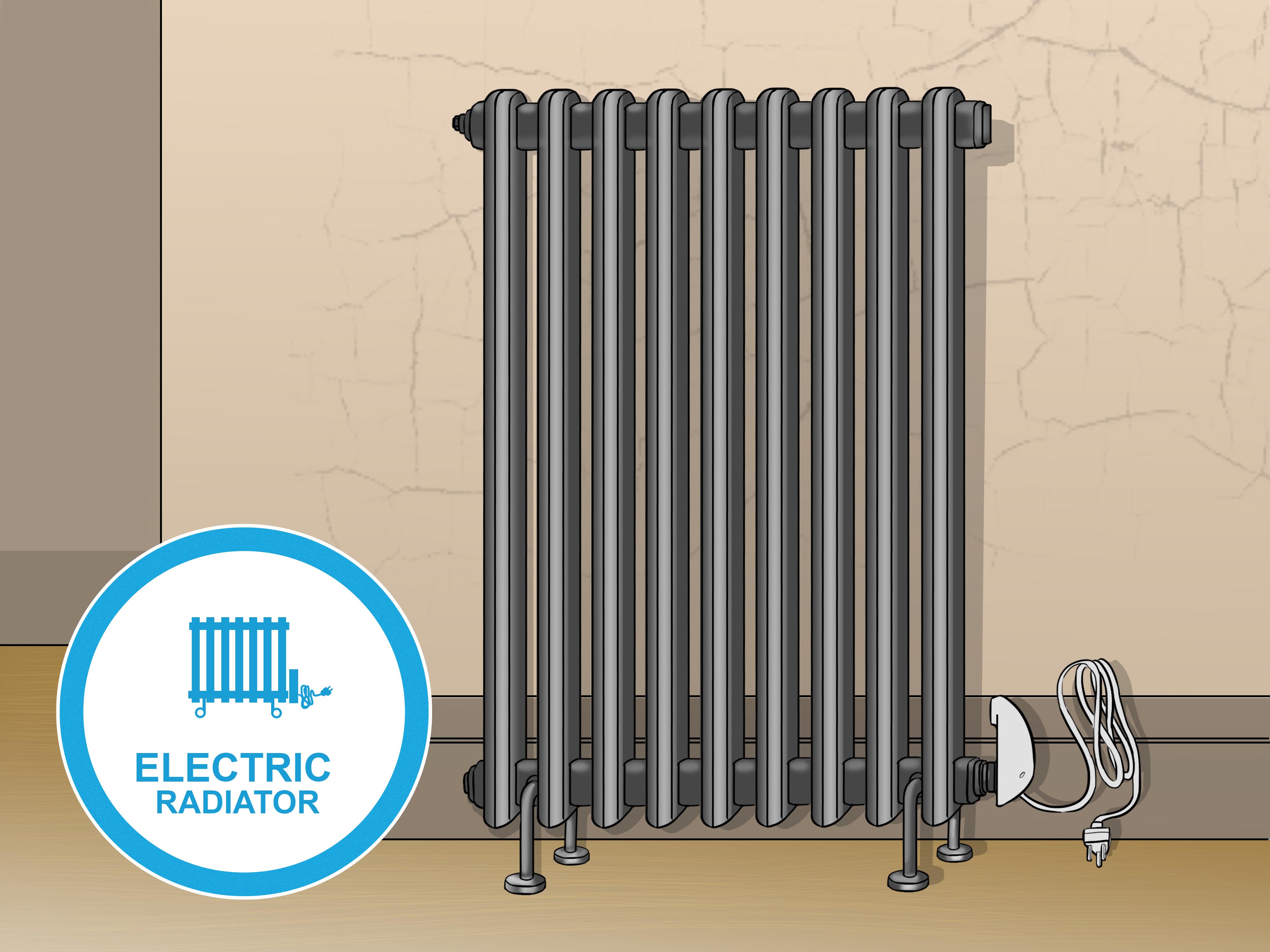
Before getting into the three best uses, it helps to understand what a radiator is built to do. In most homes with radiator heat, a boiler sends hot water or steam through pipes to units placed in different rooms. The radiator then releases warmth into the space through a combination of radiant heat and convection. In plain English, it warms the air around it and also sends out heat you can physically feel when you stand nearby.
That matters because a radiator performs best when it can breathe. If you block it with thick curtains, crowd it with furniture, or turn it into a drying rack for half the laundry basket, you are not “multitasking.” You are basically asking your heating system to do push-ups while wearing a winter coat.
Once you understand that airflow, surface temperature, and room layout all affect performance, using a radiator gets much easier.
1. Use a Radiator as an Efficient, Reliable Heat Source
The first and most obvious use of a radiator is also the one people most often sabotage. A radiator is there to heat the room, and if you want it to do that well, you need to set it up for success.
Keep the airflow open
If there is one simple rule that improves radiator performance fast, it is this: do not block it. A couch pressed right up against the radiator might look tidy, but it traps heat where you do not need it. Heavy drapes hanging over the front can do the same thing. So can baskets, storage bins, or that ambitious pile of folded blankets that has somehow become a permanent resident on top.
Give your radiator room to move heat into the space. You do not need to create a museum exhibit around it, but you do want a clear path for warm air to rise and circulate. The difference is often noticeable. Rooms feel warmer faster, and the system does not need to work as hard to hit a comfortable temperature.
Bleed it when it gets noisy or patchy
If your hot-water radiator is warm at the bottom but cold at the top, or if it makes noises that sound like a kettle arguing with a toolbox, trapped air may be the problem. Bleeding a radiator releases that air so hot water can circulate the way it should.
This is one of the least glamorous but most useful things you can do for radiator efficiency. It is also one of the cheapest. In many homes, a quick bleed at the start of heating season can improve comfort right away. If you are not comfortable doing it yourself, call a heating professional. The point is not to become a boiler wizard overnight. The point is to stop paying for heat your radiator is refusing to share.
Use the wall behind it wisely
If your radiator sits against an exterior wall, some heat can escape in the wrong direction. That is where a heat-resistant radiator reflector or reflective panel can help. Instead of warming the wall like it is a beloved family pet, the panel bounces more warmth back into the room.
This is not the flashiest home upgrade in the world. No one will walk in and gasp, “A reflective panel? Stunning.” But it can be a practical way to squeeze more useful heat out of the same system, especially in older homes where radiators are often installed under windows or against outside walls.
Do the small maintenance jobs
Dust, grime, and neglected valves are not just cosmetic issues. They can make a radiator less effective. Wiping it down, checking for cold spots, and making sure steam vents or valves are functioning properly can all improve performance. If you have a steam system, pipe insulation and vent maintenance matter too.
In short, the best way to use a radiator as a heat source is not to “blast it harder.” It is to let it work the way it was designed to work.
2. Use a Radiator to Add Everyday Comfort Without Turning It Into a Problem
A radiator can do more than heat a room. It can make winter living noticeably more comfortable. The key word there is comfortable, not chaotic.
Create a warm zone in the room
Radiators are especially good at producing a steady, gentle warmth that makes certain parts of a room feel inviting. That is why window seats near radiators, reading chairs beside them, and desks placed thoughtfully in radiator-heated rooms often feel great in winter. You are using the radiator not just to warm the air, but to create a more livable space.
This is particularly useful in older apartments and houses where heating can be uneven. Instead of trying to make every inch of the room feel identical, use furniture placement to take advantage of the radiator’s comfort zone. A chair set a safe distance away can become the best seat in the house from November through March.
Warm textiles carefully, not recklessly
Yes, a radiator can make a towel feel pleasantly warm. Yes, that sounds delightful on a cold morning. No, that does not mean a standard radiator should become your full-time laundry assistant.
Draping wet clothes directly over a radiator is one of those habits that feels clever for about seven minutes. After that, it starts causing trouble. It blocks heat from circulating into the room, can increase indoor moisture, and in some situations may create a safety issue when fabrics and heat sources get too cozy. If you want warm towels regularly, a purpose-built towel warmer is the grown-up solution. If you need to dry something quickly, use a drying rack placed nearby rather than piling fabric directly on the radiator.
Think of it this way: a radiator is a heating appliance, not a closet rod with ambitions.
Use a humidifier for dry air instead of wet laundry hacks
Winter indoor air can get very dry, especially in heated homes. That can lead to scratchy throats, dry skin, irritated sinuses, and the kind of lips that make you buy lip balm in bulk. Some people respond by hanging damp items over the radiator to “add moisture” to the room. That may raise humidity a little, but it is a sloppy solution. Too much moisture indoors can encourage condensation and mold, while too little can make the room uncomfortable.
A better move is to monitor humidity and aim for a balanced range. If the air is truly dry, use a properly maintained humidifier. If moisture is already high from cooking, showers, or poor ventilation, focus on airing out damp spaces and keeping the radiator uncovered so it can do its actual job.
In other words, use the radiator for warmth and use the right tools for humidity. Let every appliance stay in its lane.
Make the area safer for kids and pets
This point matters a lot in homes with toddlers, pets, or anyone who tends to move first and think later. Some radiators, especially older steam models, can get hot enough to cause serious burns fast. If the radiator is low to the floor and easy to touch, safety should move high up the priority list.
A well-designed radiator cover, insulated pipes, and thoughtful furniture placement can all reduce risk. Do not crowd a bed, couch, or play area right against the unit. Make sure small hands and curious paws are less likely to come into direct contact with hot metal. Cozy is good. Accidental branding is not.
3. Use a Radiator as a Functional Design Feature
Radiators are often treated like design villains, but they do not have to be. Used well, they can become part of a room’s function and style.
Hide it with a vented cover
A radiator cover can turn an awkward metal block into something that looks intentional. In the right room, it can behave like a narrow console table, a shelf, or a visual bridge between pieces of furniture. The important part is the design. A cover should allow heat to escape, not trap it like a grumpy little furnace in a wooden box.
The best radiator covers use front grilles or slats for airflow and reflective backing to send heat into the room rather than into the cover itself. They also leave enough clearance around the unit so warm air can rise naturally. A bad radiator cover may look charming for Instagram, but it can quietly reduce heat output and make the room less comfortable. Style points are nice. Actual warmth is nicer.
Turn dead space into useful space
One of the smartest ways to use a radiator is to build around it thoughtfully. A radiator under a window can pair beautifully with a bench above it, provided airflow is protected. In an entryway, a slim top shelf over a radiator can hold keys, mail, or gloves. In a home office, a radiator cover can visually connect storage and desk areas so the room feels finished instead of interrupted.
The goal is not to suffocate the radiator with cabinetry. The goal is to treat it like a fixed element of the room and design around it with common sense.
Paint and blend, but do not mummify
Painting a radiator to match trim or walls can help it disappear visually, especially in older homes with ornate cast-iron units. That said, avoid piling decorative items directly on top in a way that blocks heat. Candles, stacks of books, folded throw blankets, and decorative trays can turn a good heating element into a cluttered obstacle course.
If you want the radiator to work as part of the room, make it handsome and useful, but still let it breathe.
Common Radiator Mistakes That Waste Heat
- Placing furniture directly in front of the radiator
- Letting curtains drape over it
- Ignoring cold spots, hissing, or banging noises
- Using it as a full clothes-drying station
- Skipping routine cleaning and maintenance
- Installing a decorative cover with poor ventilation
- Forgetting about the boiler or heating system that feeds it
Most radiator problems are not dramatic mechanical failures. They are small, everyday habits that make heat distribution worse over time. The good news is that those habits are fixable.
How to Get More Value From an Older Radiator
Older radiators often get an unfair reputation. Yes, they can look antique. Yes, they may sound alive at 2 a.m. But many old radiators are still excellent at delivering durable, comfortable heat. In some homes, that slow-and-steady warmth is one of the best features of the building.
To get more from an older radiator, start with the basics: clear the space around it, dust it regularly, check valves and vents, and address trapped air or uneven heating. If it is against an exterior wall, add a reflector. If it is in a family space, consider a ventilated cover. If the whole system seems inconsistent, have the boiler and distribution system inspected. A radiator is only as good as the heating system supporting it.
Sometimes the smartest use of a radiator is simply respecting that it is part of a larger system, not a magical metal sculpture that runs on winter vibes alone.
Final Thoughts
The three best ways to use a radiator are simple: use it to heat the room efficiently, use it to improve winter comfort safely, and use it as a functional part of your room design. Do those three things well, and a radiator stops being an annoying relic and starts acting like what it really is: one of the most dependable heat sources a home can have.
Give it airflow, give it maintenance, and give it a little respect. Your reward is a warmer home, a more comfortable winter, and far fewer moments of standing next to the radiator asking, “Why is this thing hot but somehow not helping?”
Experience: What Living With Radiators Really Feels Like
Ask almost anyone who has lived with radiators through a real winter, and you will hear the same thing: radiator heat has a personality. Forced air is quick and practical, but radiator heat feels different. It arrives gradually, settles into the room, and creates a kind of deep comfort that makes you want soup, thick socks, and absolutely no social obligations after 7 p.m.
One common experience is the “good room, bad room” problem. In many older homes, one radiator makes a bedroom feel like a cozy retreat while another leaves the hallway acting like it belongs to a different climate zone. That is usually when people start experimenting. They pull furniture back, bleed the radiator, dust off the fins, and suddenly the room feels noticeably better. It is a great reminder that radiators often need small adjustments, not dramatic rescue missions.
Another familiar experience is learning the difference between “warm” and “too much.” Many people grow up thinking the best use of a radiator is standing directly over it like a human grilled cheese sandwich. It is comforting for a minute, sure, but the smarter long-term move is using that warmth to shape the room. A reading chair near the radiator, a desk positioned to catch some of that steady heat, or a bench above a covered unit can make daily life feel easier without overheating the entire space.
Families with kids tend to experience radiators differently too. A beautiful old cast-iron unit can look charming until a toddler decides it is a climbing gym. That is when radiator covers, pipe insulation, and furniture spacing stop sounding optional and start sounding genius. Plenty of households discover that using a radiator well is not only about comfort. It is also about peace of mind.
Then there is the winter-dryness lesson. Many radiator households go through a phase of trying to “solve” dry air with improvised tricks, like laying damp towels nearby or turning the living room into a tiny laundry weather system. Sometimes that makes the air feel less dry. Sometimes it just makes the windows sweat and the room smell vaguely like wet socks and optimism. Over time, most people find that a proper humidifier, better ventilation, and an uncovered radiator work much better together.
Perhaps the best experience of all is when a radiator stops feeling like an obstacle and starts feeling like part of the home. That moment often comes after a few thoughtful improvements: a vented cover, a reflective panel, a fresh coat of paint, a cleaner layout. Suddenly the radiator no longer looks like an awkward leftover from 1928. It looks intentional. Useful, even. Cozy, definitely.
So while a radiator may seem like a simple piece of hardware, living with one teaches a bigger lesson. Comfort at home usually does not come from one giant fix. It comes from understanding how things work, making smart small changes, and refusing to dry three pairs of jeans on a heating unit just because winter got dramatic.