Hummingbirds already seem like nature’s tiny special effects department. They hover like drones, sparkle like gemstones, migrate absurd distances, and somehow burn through energy as if every day is a championship sprint. But their nests? Their nests may be the most impressive part of the whole hummingbird situation.
A hummingbird nest is not just a cute little cup in a tree. It is a flexible, camouflaged, spider-silk-reinforced nursery engineered by a bird that may weigh less than a nickel. It can stretch as chicks grow, blend into bark and lichen, and hold eggs so small they make jelly beans look overqualified. If human architects built something this efficient, they would give a TED Talk and name it “The Future of Micro-Housing.”
In this guide, we’ll explore six incredible things to know about hummingbird nests, including where they are built, what they are made of, why spider silk matters, how the female raises chicks, and how gardeners can help nesting hummingbirds without accidentally becoming the neighborhood nuisance with pruning shears.
1. Hummingbird Nests Are Shockingly Tiny
The first thing to know about hummingbird nests is simple: they are small. Not “small like a cereal bowl.” Small like a walnut, a golf ball, or a large thimble, depending on the species. Ruby-throated Hummingbird nests are often about 2 inches across and roughly 1 inch deep, while Anna’s Hummingbird nests may be about 1.5 inches across and 1 inch tall.
That size makes sense when you remember the builders. Hummingbirds are among the smallest birds in the world, and many North American species weigh only a few grams. Still, the nest has to do a big job. It must hold eggs, keep hatchlings warm, survive wind and rain, and remain hidden from predators. Basically, it is a nursery, seatbelt, blanket, and camouflage jacket all rolled into one tiny cup.
The eggs are even smaller
Most hummingbirds lay two white eggs per clutch. These eggs are often compared to peas, navy beans, or tiny jelly beans. They may be less than half an inch long, yet they contain everything needed to build a fast-winged bird that will soon hover in front of flowers like it pays rent there.
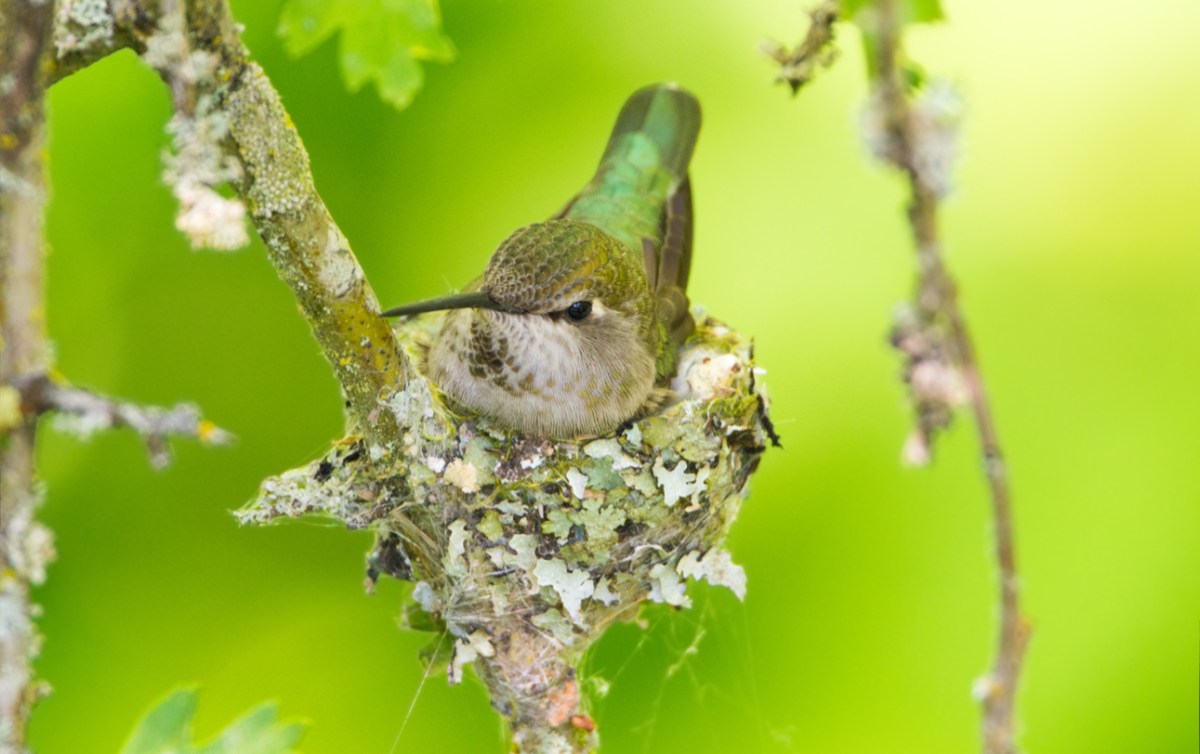
The small size of the eggs and nest also explains why hummingbird nests are so easy to miss. Even experienced bird lovers may walk under one dozens of times without noticing it. A nest can look like a small bump on a branch, a lichen-covered knot, or a bit of windblown fluff that somehow has excellent interior design skills.
2. Female Hummingbirds Do the Nesting Work Alone
In the hummingbird world, the female handles the entire nesting operation. She chooses the nest site, collects materials, builds the nest, lays the eggs, incubates them, feeds the chicks, and defends the area. The male’s role is mostly courtship and territory. In other words, he brings the sparkle; she runs the construction company, daycare, security team, and meal-delivery service.
This solo parenting is one reason hummingbird nesting behavior is so fascinating. The female must balance time on the nest with time spent feeding. Hummingbirds have high-energy lifestyles, and nesting females need nectar and small insects to maintain themselves while producing eggs and feeding young.
She builds with precision
A female hummingbird often spends several days building a nest. Ruby-throated Hummingbirds may take around 6 to 10 days to finish one. Anna’s Hummingbirds also take about a week. During that time, the female makes many trips to gather soft plant fibers, spider silk, lichens, moss, small feathers, and bits of leaves.
She shapes the cup with her body, pressing and turning inside the nest to mold the walls. Imagine a tiny bird using herself as a living measuring tool. No blueprint, no laser level, no hardware store runjust instinct, balance, and a shocking amount of patience.
3. Spider Silk Is the Secret Ingredient
If hummingbird nests had a product label, spider silk would be the premium feature. Many hummingbirds use spider webs to bind nest materials together and anchor the nest to a branch. Spider silk is strong, sticky, and flexible, which makes it perfect for a nursery that must expand as chicks grow.
The silk works like nature’s elastic glue. It helps hold plant down, moss, lichens, and other materials in place. It also allows the nest to stretch gradually instead of cracking or falling apart when the chicks get bigger. That matters because baby hummingbirds grow quickly, and a nest that starts out thimble-sized can become very crowded. Think of two kids sharing a bunk bed, except the bunk bed is the size of a walnut and both kids have beaks.
Why spiders matter to hummingbirds
Spiders help hummingbirds in two ways. Their silk becomes nesting material, and the spiders themselvesor other small insects caught nearbycan become food. Hummingbirds do not live on nectar alone. They also eat small arthropods, which provide protein, especially during nesting season.
That is why a perfectly sterile garden is not necessarily a hummingbird-friendly garden. If every spider web is swept away and every insect is treated like an emergency, nesting hummingbirds lose valuable resources. A little wildness in the yard can be a very good thing.
4. Hummingbird Nests Are Masterpieces of Camouflage
A hummingbird nest is tiny, but it is not helpless. One of its best defenses is camouflage. Females often decorate the outside with lichens, moss, bark flakes, dead leaves, and other natural materials. The result can look almost identical to the branch it rests on.
This camouflage is not just cute woodland fashion. It helps protect eggs and chicks from predators. A nest that looks like a bump on a tree is harder for jays, crows, snakes, and other nest predators to spot. The female’s muted coloring also helps her blend in when she sits on the nest.
Where hummingbirds place their nests
Nest placement varies by species and habitat. Ruby-throated Hummingbirds often build on slender, gently sloping branches, sometimes 10 to 20 feet above the ground, though nests can be lower or much higher. Anna’s Hummingbirds may choose horizontal branches in trees or shrubs, often 6 to 20 feet high, near nectar sources. Some species may nest in oak, sycamore, eucalyptus, shrubs, vines, or even unusual human-made spots when conditions feel safe.
Researchers studying hummingbird nesting ecology have noted that some birds choose sites with shade, wind protection, overhanging leaves, or nearby canopy cover. This makes sense. A nest exposed to full sun, heavy rain, and strong wind is not exactly the luxury suite of the bird world.
5. Hummingbird Nests Are Not Birdhouse Nests
One common misconception is that hummingbirds will use birdhouses. They generally will not. Hummingbirds are not cavity nesters. They do not look for a box, hole, or enclosed wooden house the way bluebirds, chickadees, or wrens might.
Instead, hummingbirds build open cup nests on branches, shrubs, vines, and occasionally other small surfaces that support the nest from below. So if you see a “hummingbird house” for sale, admire the marketing creativity, but do not expect a hummingbird to move in and start paying tiny rent.
What they really need instead
To encourage nesting hummingbirds, focus on habitat rather than houses. Plant nectar-rich flowers, maintain shrubs and small trees, allow some soft plant material to remain, and avoid heavy pesticide use. Native plants are especially helpful because they support both nectar and insects.
Good hummingbird garden plants often include tubular flowers such as bee balm, salvia, trumpet honeysuckle, columbine, penstemon, and native sages, depending on your region. The best approach is to plant a variety of flowers that bloom at different times so hummingbirds have food through the season.
6. Watching a Hummingbird Nest Requires Patience and Respect
Finding a hummingbird nest feels magical. It also comes with responsibility. These nests are fragile, well hidden, and easily disturbed. If you discover one, enjoy it from a distance. Use binoculars rather than walking close. Do not touch the nest, move branches, trim around it, or try to “help” by adding materials directly to the structure.
Mother hummingbirds can be bold around their nests. Some may dive-bomb intruders that get too close. If a bird suddenly acts agitated near you, take the hint. She is not admiring your haircut. She is asking you to back up.
Be careful with pruning
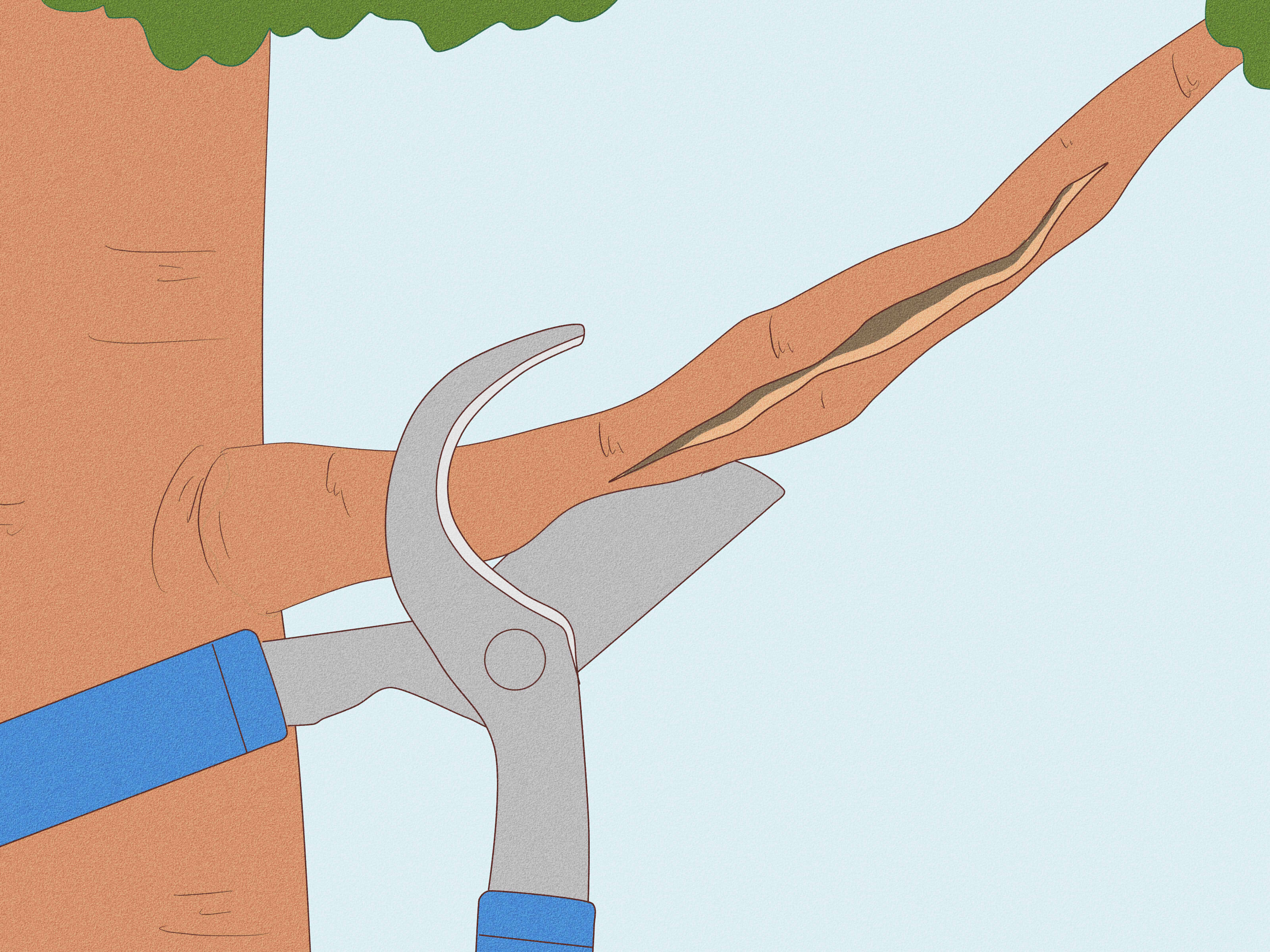
Because hummingbird nests are so small and well camouflaged, gardeners should be extra cautious during nesting season. Before pruning shrubs or trees, inspect branches carefully. A nest may look like a knot, a lichen patch, or a fuzzy bump. In warmer regions, some hummingbirds nest earlier or across a longer season, so local timing matters.
Leaving shrubs and trees undisturbed when birds are nesting is one of the simplest ways to help. A garden does not need to be messy, but it should not be so aggressively tidy that no wildlife can use it. Think “thoughtfully natural,” not “the backyard has given up.”
How to Make Your Yard More Hummingbird-Nest Friendly
If you want hummingbirds to visit or possibly nest nearby, create a habitat that meets their needs. A feeder can help, but it should not be the whole strategy. Natural nectar, insects, shelter, water, and safe nesting materials are all important.
Plant for nectar and insects
Choose native flowering plants with staggered bloom times. Hummingbirds are especially drawn to bright tubular flowers, but they also need the insects that native plants support. Avoid spraying broad-spectrum pesticides, especially during breeding season. Those tiny insects may look insignificant to us, but to a nesting hummingbird they are high-protein groceries.
Keep feeders clean
If you use a hummingbird feeder, fill it with a simple solution of one part refined white sugar to four parts water. Do not use honey, brown sugar, red dye, or artificial sweeteners. Clean feeders frequently, especially in hot weather, because spoiled nectar can harm birds.
Provide safe shelter
Shrubs, small deciduous trees, vines, and layered plantings offer perches and possible nest sites. Moving water, such as a mister or gentle fountain, can also attract hummingbirds. They often enjoy bathing in fine spray rather than splashing in deep birdbaths.
Experience Notes: What Observing Hummingbird Nests Teaches Us
Spending time around hummingbirds changes the way you see a garden. At first, you may notice only the obvious things: a flash of green, a ruby throat catching sunlight, the tiny helicopter sound near a feeder. But once you learn about hummingbird nests, your attention shifts. Suddenly every slender branch, every lichen patch, and every spider web looks more important.
One of the best experiences related to hummingbird nests is learning to slow down. These birds move fast, but finding their nests requires the opposite behavior. You have to stand quietly, watch where a female repeatedly flies, and notice patterns. Does she disappear into the same shrub? Does she return with plant fluff or spider silk? Does she perch briefly before slipping into a hidden spot? The clues are subtle, and that is part of the fun.
Gardeners often discover that helping hummingbirds does not mean buying more gadgets. It usually means doing less of the wrong things. Leave some spider webs. Let a few dandelions or thistles provide soft fibers where appropriate. Keep native plants blooming. Delay pruning. Stop treating every insect as an enemy. In a culture that loves instant fixes, hummingbirds remind us that habitat is built through patience, not panic-shopping.
Another memorable lesson is how tough these delicate birds are. A hummingbird nest may look like a craft project made by a fairy with excellent motor skills, but it is built for real weather, real predators, and real survival. The female chooses her site carefully. She anchors the structure with silk. She camouflages the exterior. She returns again and again to feed chicks that grow rapidly in a space barely big enough for two. It is charming, yes, but it is also serious engineering.
For families, observing from a respectful distance can be a wonderful nature lesson. Children quickly understand the idea of giving wildlife space when they see how small the nest is. A pair of binoculars turns the experience into a quiet adventure. Instead of touching or interfering, they learn to watch, record, sketch, and ask better questions. That habitcuriosity without disturbanceis one of the best gifts a backyard can teach.
Photographers also learn restraint. A hummingbird nest is tempting to photograph closely, but the welfare of the bird matters more than the perfect shot. Long lenses, distance, and patience are the ethical tools here. If the mother changes her behavior, scolds, hovers anxiously, or avoids the nest, the observer is too close. The best wildlife moment is one where the wildlife continues its life as if you are barely there.
Finally, hummingbird nests make a garden feel connected. Spiders, flowers, trees, insects, mosses, lichens, and birds all become part of the same story. The spider web in the corner is not clutter; it may be construction material. The native flower is not just decoration; it is fuel. The shrub is not just landscaping; it may be a nursery wall. Once you see that, a yard stops being a collection of plants and becomes a living neighborhood.
That is the real magic of hummingbird nests. They are tiny, but they make the world feel larger. They invite us to look closer, garden smarter, and respect the small dramas happening just above eye level. Somewhere out there, a female hummingbird may be pressing spider silk into a branch, shaping a cup with her body, and preparing a home no bigger than a walnut. Nature, as usual, is showing off.
Conclusion
Hummingbird nests are among the most remarkable structures in the bird world. They are tiny, flexible, camouflaged, and built almost entirely by determined female hummingbirds using plant fibers, spider silk, lichens, and instinct. Their beauty is not just in how adorable they look, but in how perfectly they solve a survival problem: keeping eggs and fast-growing chicks safe in a miniature, expandable home.
For bird lovers and gardeners, the best way to support hummingbird nesting is to create a healthy habitat. Plant native nectar flowers, protect insects, keep feeders clean, leave some natural materials, avoid unnecessary pruning, and watch from a respectful distance. Do that, and your yard may become more than a place with pretty blooms. It may become part of a hummingbird’s life story.