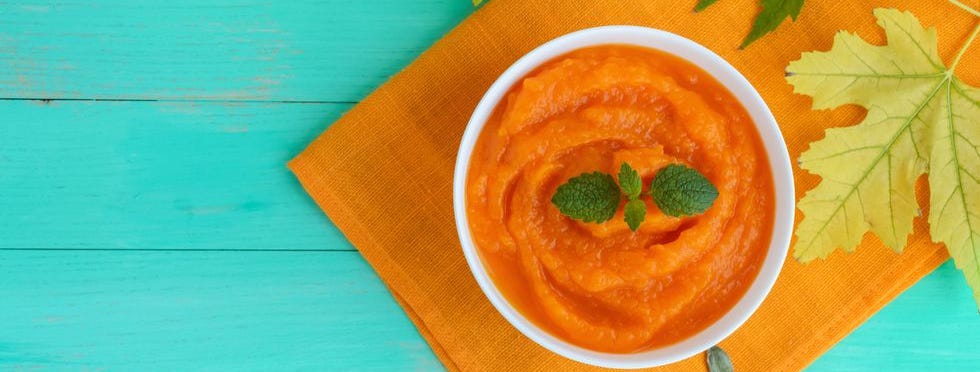
Note: This recipe uses fresh pumpkin to make plain, unsweetened pumpkin puree. It is not the same as canned pumpkin pie filling, which already contains sweeteners and spices.
There is something deeply satisfying about turning a small pumpkin into silky homemade pumpkin puree. It starts as a cheerful little squash on the counter and ends as the secret weapon behind pies, muffins, soups, pancakes, pasta sauces, and the occasional “I have pumpkin left over, now what?” kitchen adventure.
Making pumpkin puree from scratch is surprisingly simple. You do not need a fancy gadget, a culinary degree, or a pumpkin patch with background violin music. You need a good pie pumpkin, an oven, a blender or food processor, and enough patience to let the pumpkin cool before you try to scoop it. That final part is less about wisdom and more about protecting your fingertips.
This homemade pumpkin puree recipe walks through the best way to roast pumpkin, blend it until smooth, remove excess moisture for baking, store it safely, and use every last spoonful. Once you know the method, canned pumpkin will still have a place in your pantry, but fresh pumpkin puree becomes one of those seasonal projects that feels both practical and pleasantly cozy.
Why Make Homemade Pumpkin Puree?
Fresh pumpkin puree has a gentle, earthy flavor that can taste sweeter and more complex than you might expect. Roasting concentrates the pumpkin’s natural sugars and gives the flesh a deeper flavor than boiling or steaming alone. It also lets you control the texture, which matters when you are making pumpkin pie, pumpkin bread, cheesecake, or a savory soup.
Another advantage is flexibility. A homemade batch can be blended ultra-smooth for baking, left slightly rustic for soups, or cooked down further for a richer and thicker pumpkin base. You also get pumpkin seeds as a bonus. That is not merely a side benefit; it is a tiny edible victory snack while the puree cools.
Still, homemade pumpkin puree is not automatically better for every recipe. Canned pumpkin is extremely consistent, which is useful in baking recipes developed around a specific canned texture. Fresh puree can be wetter, sweeter, lighter, or more fibrous depending on the pumpkin. The fix is easy: taste it, check the thickness, and drain or reduce it when a recipe needs a denser puree.
Choose the Right Pumpkin for Puree
The best pumpkin for homemade puree is usually a small sugar pumpkin, also called a pie pumpkin or baking pumpkin. These pumpkins are bred for eating. They tend to have thicker flesh, a sweeter taste, and less watery texture than the giant carving pumpkins used for front-porch grins.
Look for a pumpkin that feels heavy for its size, has firm skin, and has no soft spots, major cracks, or moldy areas. A pumpkin weighing about 3 to 5 pounds is easy to handle and usually provides enough puree for several recipes. Larger pumpkins can work, but they may be more watery and less flavorful.
Best Pumpkin Varieties for Homemade Puree
- Sugar pumpkins or pie pumpkins
- Cheese pumpkins
- Cinderella pumpkins
- Fairytale pumpkins
- Other dense, sweet winter squash labeled for cooking
In fact, some canned “pumpkin” products contain sweet winter squash varieties because they produce a smooth, stable, golden puree. That is why roasted butternut squash can also make an excellent pumpkin-style puree when a recipe needs a rich, velvety texture.
Homemade Pumpkin Puree Ingredients and Equipment
Ingredients
- 1 small sugar pumpkin or pie pumpkin, about 3 to 5 pounds
- Water, only if needed for cleaning or thinning the puree
That is it. No sugar, cinnamon, salt, butter, maple syrup, or pumpkin spice is required at this stage. Keeping the puree plain makes it useful for both sweet and savory recipes.
Helpful Equipment
- Large baking sheet or roasting pan
- Parchment paper or aluminum foil
- Large spoon
- Food processor, blender, immersion blender, or potato masher
- Fine-mesh strainer or cheesecloth, optional
- Airtight containers or freezer bags
How to Make Pumpkin Puree in the Oven
Roasting is the easiest and most reliable way to make homemade pumpkin puree. It softens the flesh, brings out the natural sweetness, and avoids adding extra water to the pumpkin.
Step 1: Heat the Oven
Preheat the oven to 400°F. Line a large baking sheet with parchment paper or foil for easier cleanup. Pumpkin puree is delightful. Burned-on pumpkin residue is less charming.
Step 2: Wash and Cut the Pumpkin
Rinse the outside of the pumpkin and dry it well. Place it on a stable cutting surface and carefully cut it in half from the stem end to the bottom. Use standard kitchen-safety practices and work slowly, since pumpkin skin can be firm.
Scoop out the seeds and stringy fibers with a sturdy spoon. Save the seeds if you want to roast them later. Rinse them, dry them thoroughly, toss them with a little oil and salt, and roast them separately for a crunchy snack.
Step 3: Roast Until Fork-Tender
Place the pumpkin halves cut-side down on the lined baking sheet. This helps trap steam inside the pumpkin while the cut surface stays protected from drying out too quickly.
Roast for about 45 to 60 minutes, depending on the pumpkin’s size. The pumpkin is ready when the skin looks slightly collapsed and a fork slides easily into the flesh. Very large pumpkins may need a little longer, while smaller pie pumpkins may finish sooner.
Step 4: Cool and Scoop
Let the roasted pumpkin cool until it is safe to handle. Scoop the soft flesh away from the skin with a spoon. The skin should release easily when the pumpkin is fully cooked. If it clings stubbornly, the pumpkin probably needs a few more minutes in the oven.
Step 5: Blend Until Smooth
Add the cooked pumpkin flesh to a food processor or blender. Process until completely smooth, stopping once or twice to scrape down the sides. For a very silky pumpkin puree, blend for an extra minute after it looks smooth. This helps break down small fibers that can make pumpkin pie or cheesecake feel slightly grainy.
If the puree seems too thick to blend, add water one teaspoon at a time. Usually, roasted pumpkin contains enough moisture on its own. Adding too much water can turn your puree into something closer to orange soup, which is not necessarily tragic but is less useful for baking.
How to Make Pumpkin Puree Thicker for Baking
Fresh pumpkin puree often contains more water than canned pumpkin. That does not make it bad; it simply means the moisture may need managing before you use it in pumpkin pie, pumpkin cake, muffins, quick breads, or cookies.
To thicken homemade pumpkin puree, place it in a fine-mesh strainer lined with cheesecloth, a clean kitchen towel, or a coffee filter. Set the strainer over a bowl and refrigerate for 30 minutes to several hours. Excess liquid will drip into the bowl while the pumpkin becomes denser and more concentrated.
You can also cook the puree in a wide skillet over low to medium-low heat for 10 to 15 minutes, stirring regularly. This evaporates moisture and deepens the flavor. Let it cool completely before adding it to a baking recipe, especially one containing eggs.
A good rule is simple: if your puree looks like thick mashed potatoes, it is ready for most recipes. If it pours like a smoothie, strain or reduce it first.
Can You Substitute Homemade Pumpkin Puree for Canned Pumpkin?
Yes, you can usually substitute homemade pumpkin puree for canned pumpkin puree in a 1:1 ratio by volume. However, do not swap it blindly into a delicate baking recipe without checking the texture first.
For example, if a recipe calls for 1 cup of canned pumpkin, measure 1 cup of your homemade puree after blending and draining it. If your puree is especially loose, reduce it slightly on the stove or strain it before measuring. This gives you a better chance of getting a properly set pie, tender muffins, or pumpkin bread that does not turn into a delicious but suspiciously damp brick.
Do not substitute pumpkin pie filling for plain pumpkin puree. Pumpkin pie filling contains sugar and spices, so using it in place of plain puree can throw off the flavor and sweetness of a recipe.
Ways to Use Homemade Pumpkin Puree
Fresh pumpkin puree is far more versatile than its pie-centered reputation suggests. It has a mild flavor that works with warm spices, dairy, maple syrup, garlic, sage, chili, cheese, apples, pears, and even coffee.
Sweet Pumpkin Puree Ideas
- Pumpkin pie, cheesecake, or custard
- Pumpkin bread, muffins, cookies, and scones
- Pancakes, waffles, oatmeal, and smoothies
- Pumpkin spice latte base or homemade coffee creamer
- Swirled into yogurt with cinnamon and maple syrup
Savory Pumpkin Puree Ideas
- Creamy pumpkin soup
- Pumpkin pasta sauce with sage and Parmesan
- Pumpkin risotto
- Chili or curry for added body and subtle sweetness
- Mashed potatoes with a spoonful of pumpkin puree
- Ravioli filling with ricotta, nutmeg, and black pepper
How to Store Homemade Pumpkin Puree
Cool the puree promptly before storing it. Transfer it to clean airtight containers and refrigerate for up to 4 days. Labeling the container with the date is useful because pumpkin puree has a habit of hiding behind leftovers until it becomes a fridge archaeology project.
For longer storage, freeze the puree in measured portions. Half-cup and one-cup portions are especially convenient for baking. Leave a little room at the top of containers because puree expands as it freezes. You can also freeze small amounts in an ice cube tray, then transfer the frozen cubes to a freezer bag.
For best quality, use frozen pumpkin puree within about 3 to 6 months. Thaw it overnight in the refrigerator, then stir well. If liquid separates after thawing, drain the excess or whisk it back in depending on the recipe.
Common Homemade Pumpkin Puree Problems
My Pumpkin Puree Is Watery
This is common with fresh pumpkin. Drain it in a fine-mesh strainer or cook it gently in a skillet until thicker. Roasting instead of boiling helps minimize excess moisture from the beginning.
My Puree Is Stringy
Blend longer, scrape down the food processor bowl, and process again. For a bakery-style smooth texture, press the puree through a fine-mesh sieve after blending.
My Pumpkin Puree Tastes Bland
The pumpkin may have been very mild, or it may not have roasted long enough to develop flavor. For future batches, choose a smaller pie pumpkin and roast until the flesh is deeply tender. For immediate use, gently cook the puree in a skillet for a few minutes to concentrate it.
My Pumpkin Pie Did Not Set
Fresh puree may have added more moisture than canned pumpkin. Drain or reduce your puree before baking next time, and make sure you measure after thickening it. Homemade puree is wonderful, but it does require a little more attention than opening a can.
Kitchen Notes: Real-World Lessons From Making Pumpkin Puree
The first lesson of homemade pumpkin puree is that the pumpkin does not care about your schedule. A small sugar pumpkin might roast beautifully in 45 minutes, while another one of similar size may need an hour or longer. The reliable signal is not the timer. It is the fork. When the fork glides through the flesh with almost no resistance, the pumpkin is ready. When it fights back, the pumpkin has politely informed you that it needs more oven time.
The second lesson is that homemade puree changes from pumpkin to pumpkin. One batch can be thick, dark orange, and nearly buttery. Another can be pale, loose, and much wetter than expected. That is not failure. It is simply produce behaving like produce. Commercial canned pumpkin is standardized for consistency, while fresh pumpkin has personality. Sometimes that personality is charming; sometimes it is mostly water.
A useful habit is to make the puree a day before you plan to bake. Roast and blend the pumpkin, then refrigerate it overnight in a strainer set over a bowl. By the next day, the excess liquid has drained away, and you have a thicker puree that is much easier to use in pie, bread, muffins, and cheesecake. It also breaks the project into two calmer stages instead of turning Thanksgiving Eve into a squash-related emergency.
Another practical discovery is that a food processor is forgiving. It handles roasted pumpkin quickly and gives a smooth result without much effort. A blender can produce an even silkier puree, but it may need the pumpkin added in smaller batches. A potato masher works in a pinch, particularly for soup or rustic sauces, but it will not create the perfectly smooth texture many dessert recipes need.
It is also worth remembering that the seeds are part of the reward. Many people scrape them out and toss them away without a second thought, which is understandable when dinner is late and the sink is full. But roasted pumpkin seeds add crunch, salt, and a pleasantly nutty flavor. They can be sprinkled over soup, folded into a grain bowl, or eaten straight from the pan before anyone else notices they exist.
Fresh pumpkin puree is especially useful when you want to make savory dishes. A canned puree can be convenient, but homemade puree has a subtle roasted flavor that works beautifully with browned butter, sage, garlic, onion, Parmesan, smoked paprika, and chili flakes. A few spoonfuls can make a plain soup feel fuller or give a pasta sauce a cozy autumn twist without turning the entire meal into dessert.
Finally, homemade pumpkin puree is best treated as a flexible ingredient rather than a strict science experiment. Taste it. Look at it. Stir it. Decide whether it needs draining, seasoning, or a few minutes in a skillet. The goal is not to prove that fresh pumpkin is superior to canned pumpkin in every situation. The goal is to make a smooth, flavorful puree that works for the recipe in front of you and leaves your kitchen smelling like fall in the best possible way.
Conclusion
Learning how to make pumpkin puree from scratch gives you a simple seasonal ingredient that can move easily from breakfast to dessert to dinner. Start with a small pie pumpkin, roast it until soft, scoop out the flesh, blend it smooth, and manage the moisture when needed. The process is straightforward, the flavor is fresh, and the result is far more useful than a single pumpkin pie.
Whether you freeze it for later, fold it into muffins, swirl it into soup, or turn it into the smoothest pie filling of the season, homemade pumpkin puree is one of those easy kitchen skills that pays you back spoonful by spoonful.