Diamonds are marketed like tiny, glittering love receipts: proof that romance happened, a wallet survived, and someone successfully remembered the ring size. But ask a former jewelry salesperson what really happens behind the glass counter, and the sparkle gets a little more complicated. The short answer? People should think very carefully before buying diamonds, especially if they believe they are purchasing an investment, a guaranteed ethical product, or the only proper symbol of commitment.
This does not mean diamonds are evil little rocks with a public relations team. Diamonds can be beautiful. They can be meaningful. They can become family heirlooms. But the diamond business is built on emotion, tradition, marketing, scarcity psychology, confusing grading language, and retail markups that would make your grocery receipt blush.
A former jewelry salesperson’s warning is not usually, “Never buy anything shiny.” It is more like, “Please understand what you are actually buying before you spend the price of a used car on something smaller than a chickpea.” So let’s open the velvet box and look at why diamonds may not deserve the automatic yes they often get.
The Diamond Counter Is Designed to Sell Feelings, Not Just Stones
Jewelry stores are not neutral classrooms with better lighting. They are carefully designed emotional environments. The cases glow. The rings sit on velvet. The salesperson speaks softly. The words “forever,” “rare,” “timeless,” and “investment” float around like expensive perfume. By the time someone asks to see the two-carat option, logic has often stepped outside for fresh air.
Former jewelry salespeople know this rhythm well. Customers often walk in with a budget and leave with a justification. “It is only a little more.” “She deserves the best.” “I will finance it.” “It is an investment.” These phrases are common because diamond shopping is rarely about carbon crystal alone. It is about love, pride, social expectations, family pressure, Instagram, and the fear of looking cheap.
The problem is not that people want to celebrate love. The problem is that the industry has spent decades training consumers to measure love in carats. That is a very profitable idea, but not a very romantic one when you say it out loud.
The “Diamond Engagement Ring” Tradition Is More Modern Than It Feels
Many shoppers assume diamond engagement rings are ancient, sacred, and somehow endorsed by every grandmother in history. In reality, the modern diamond engagement ring boom owes a lot to advertising. The famous “A Diamond Is Forever” message helped link diamonds with eternal love in the public imagination. It was brilliant marketing because it turned a luxury product into a cultural requirement.
That slogan also had a convenient side effect: if a diamond is “forever,” you are not supposed to resell it. A healthy resale market would remind buyers that diamonds are not priceless magical objects. They are products. Products have wholesale prices, retail markups, changing demand, and used-market discounts. Nothing ruins a fairy tale faster than a pawn shop offer.
Former jewelry salespeople often understand the gap between the romance shown to customers and the business reality discussed behind the scenes. The ring may symbolize forever. The invoice, however, is very much today.
Diamonds Are Usually Terrible Investments
One of the biggest reasons people should not buy diamonds blindly is simple: most diamonds do not behave like investments. A typical engagement ring often loses a large portion of its resale value the moment it leaves the store. That is because the original price includes more than the stone. It includes retail overhead, sales commissions, branding, rent, insurance, lighting, packaging, financing costs, and the pleasant person who told you the ring “really sparkles on your hand.”
When you resell a diamond, the next buyer does not want to reimburse you for the store’s chandelier. A jeweler buying it back needs room for cleaning, resetting, risk, profit, and market changes. A private buyer wants a discount because the ring is used. Online marketplaces create competition. Suddenly, the “investment” looks less like a blue-chip asset and more like a luxury purchase with feelings attached.
Rare natural diamonds, fancy colored diamonds, historically important stones, and exceptional pieces from major houses can hold or increase value. But that is not the same as saying the average mall-store diamond ring is a smart financial asset. Most buyers are not purchasing a museum-grade pink diamond. They are purchasing a commercial-grade stone in a nice setting, sometimes with financing.
Appraisal Value Is Not the Same as Resale Value
Here is a classic jewelry-counter magic trick: a customer buys a ring for $6,000 and receives an appraisal saying the replacement value is $8,500. Cue happiness. Cue confidence. Cue the thought, “Wow, I got a deal.”
But appraisal value is typically meant for insurance replacement, not resale. It estimates what it might cost to replace the item through retail channels if it is lost, stolen, or damaged. That number can be higher than what someone would pay you tomorrow in cash. Retail replacement value and resale value are cousins, not twins. One wears a suit to an insurance meeting; the other is negotiating on Facebook Marketplace.
A former jewelry salesperson will tell you that many customers misunderstand appraisals. They think a high appraisal means the ring has already appreciated. It usually means the insurance company needs a replacement benchmark. If you plan to insure a ring, an appraisal is useful. If you plan to sell it, prepare for a very different conversation.
The 4Cs Can Help You, But They Can Also Overwhelm You
Diamond quality is commonly explained through the 4Cs: cut, color, clarity, and carat weight. This system is useful because it creates a shared language for comparing diamonds. Cut affects sparkle. Color grades describe how colorless or tinted the stone appears. Clarity measures internal inclusions and surface blemishes. Carat weight measures size.
However, the 4Cs can also become a maze. A shopper may pay extra for a higher clarity grade they cannot see with the naked eye. They may obsess over a color difference that disappears once the diamond is mounted. They may choose carat weight over cut and end up with a larger stone that looks sleepy under normal light. A diamond can look great on paper and still underperform visually.
This is where sales pressure can sneak in wearing a lab coat. Technical terms make a purchase feel scientific, but the final decision is still emotional and visual. A smart buyer asks for an independent grading report, compares stones in different lighting, and refuses to pay for invisible bragging rights unless those bragging rights truly matter to them.
Natural Diamonds Are Not Automatically Ethical
Many people buy natural diamonds because they want something rare, ancient, and meaningful. That emotional appeal is real. But “natural” does not automatically mean ethical. Diamond supply chains can be complex, passing through mining, sorting, cutting, polishing, trading, grading, manufacturing, and retail before a ring lands in a display case.
Conflict-diamond controls have improved parts of the trade, but they do not solve every problem. Human rights organizations have documented concerns related to mining abuses, worker exploitation, dangerous labor conditions, and weak supply-chain transparency in parts of the jewelry industry. A diamond can be legally traded and still raise ethical questions if the brand cannot explain where it came from or how workers were treated.
This does not mean every mined diamond is dirty. Responsible mining operations exist, and diamond revenue supports jobs and public services in some producing countries. But consumers should not accept vague claims like “conflict-free” as a full ethical biography. Ask for traceability. Ask what “responsibly sourced” means. Ask whether the seller can document origin beyond a comforting sentence on a brochure.
Lab-Grown Diamonds Are Real Diamonds, But Not Magic Either
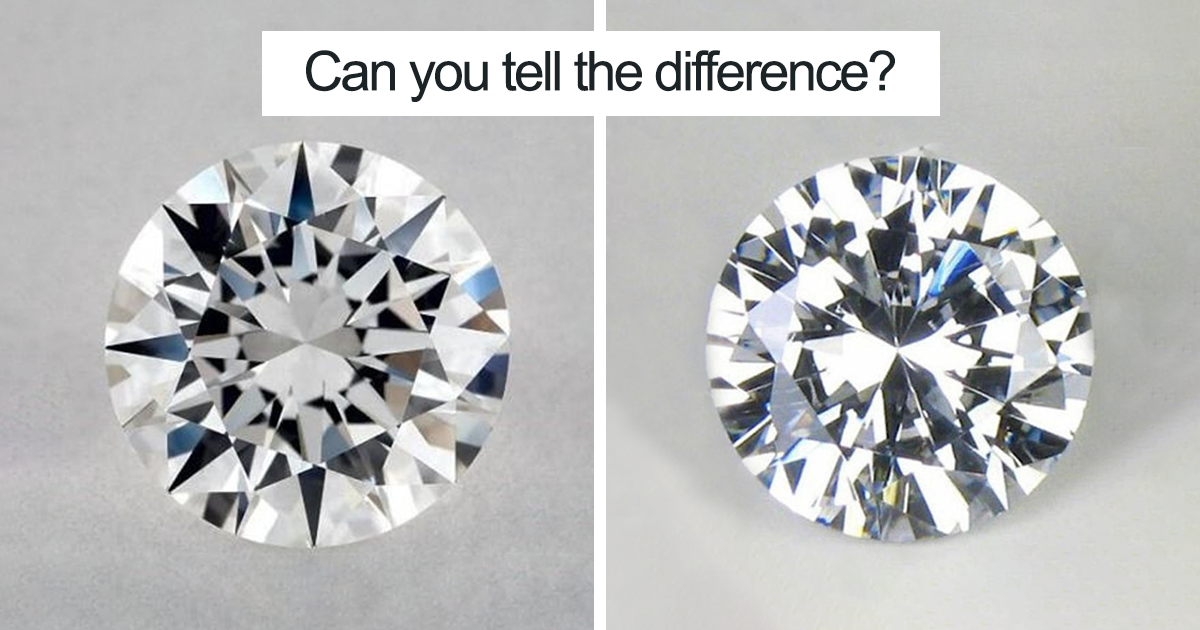
Lab-grown diamonds changed the jewelry conversation. They have essentially the same chemical, physical, and optical properties as mined diamonds, but they are created in a laboratory rather than formed underground over geologic time. To the naked eye, a well-cut lab-grown diamond can look just as dazzling as a mined one. Your aunt at Thanksgiving will not know unless she travels with gemological equipment, which would be weird but not impossible.
The big advantage is price. Lab-grown diamonds often cost far less than comparable natural diamonds, allowing buyers to choose a larger or higher-quality-looking stone without detonating their savings account. For people who want sparkle, not geological mythology, that is a strong argument.
But lab-grown diamonds also have drawbacks. Their prices have dropped sharply as production has scaled, which means resale value can be especially weak. Also, sustainability claims are not always clear. Lab-grown stones require significant electricity, and their environmental impact depends heavily on the energy source and production practices. A lab diamond made with renewable energy is not the same environmental story as one made with coal-heavy electricity. The phrase “eco-friendly” deserves follow-up questions, not applause.
The Sustainability Debate Is Not as Simple as “Mined Bad, Lab Good”
Diamond shoppers are often presented with two cartoon options: mined diamonds are destructive, lab diamonds are pure; or natural diamonds are meaningful, lab diamonds are fake. Both versions are too simple. The truth is more annoying, which is how you know it is probably closer to reality.
Mined diamonds can disturb land, require large industrial operations, and carry supply-chain risks. Lab-grown diamonds can be energy-intensive and may rely on opaque manufacturing networks. Natural diamond mining can also provide significant employment and government revenue in some countries, while lab-grown production may provide fewer local benefits to mining communities. Ethical buying is not just about the stone; it is about people, energy, land, water, wages, transparency, and accountability.
So should you choose lab-grown? Maybe. Should you choose recycled or vintage diamonds? Often, that is a smart compromise. Should you choose no diamond at all? Also valid. The most sustainable ring might be an heirloom, a secondhand stone, a colored gemstone, a simple gold band, or a design that does not require a center stone the size of a small lighthouse.
Financing a Diamond Can Turn Sparkle Into Stress
Former jewelry salespeople see another uncomfortable pattern: customers stretching their budgets to buy a ring because they feel they must. Financing can make a large purchase feel manageable, but monthly payments have a way of making romance sound like a utility bill.
If a ring requires high-interest debt, skipped emergency savings, or financial secrecy, it is worth pausing. A proposal should not come with budget nausea. Love does not become more authentic because the minimum payment is dramatic.
There is nothing wrong with buying a diamond you can comfortably afford. There is something very wrong with believing you must buy one to prove devotion. A thoughtful partner will care more about the relationship than whether the stone has a microscopic inclusion visible only to a trained grader and possibly a judgmental eagle.
Better Alternatives to Buying a New Diamond
Buy Vintage or Pre-Owned
Pre-owned diamonds already exist, which reduces demand for new mining or new manufacturing. Vintage rings can also offer better craftsmanship, unique designs, and more character than mass-produced modern settings. Bonus: nobody else has the exact same ring, unless your love story involves a time traveler.
Consider Lab-Grown With Eyes Open
If you want diamond sparkle at a lower price, lab-grown can be a practical choice. Just do not buy it as an investment. Buy it because you like it, understand its likely resale weakness, and have asked about production transparency.
Look at Moissanite, Sapphire, Ruby, Emerald, or Spinel
Diamonds are not the only stones allowed to attend the engagement party. Moissanite offers major sparkle for less money. Sapphires are durable and come in many colors. Rubies and emeralds carry rich history. Spinel is beautiful, underrated, and sounds like a dragon’s name, which is a bonus.
Choose a Simple Band
A plain gold or platinum band can be elegant, practical, and deeply meaningful. It also avoids the entire circus of diamond grading, resale confusion, and someone saying, “Actually, that fluorescence may affect value.” Peace is priceless.
When Buying a Diamond Still Makes Sense
After all this, is it ever okay to buy a diamond? Absolutely. The point is not to ban diamonds from planet Earth. The point is to buy consciously.
A diamond can make sense if you genuinely love the look, can afford it without financial strain, understand that it is not a typical investment, verify the grading report, compare prices, question ethical claims, and choose a seller with transparent policies. A diamond is a luxury item. Treat it like one. Do not let anyone convince you it is a mandatory entrance fee to adulthood, marriage, or being taken seriously by relatives named Linda.
What a Former Jewelry Salesperson Would Tell Every Buyer
If a former jewelry salesperson could sit every customer down before the sale, the advice might sound like this: slow down. Do not buy on the first visit. Do not confuse size with beauty. Do not assume a brand name means fair pricing. Do not treat an appraisal as a resale guarantee. Do not believe every “ethical” claim without documentation. Do not finance beyond your comfort zone. And please, for the love of sparkle, do not let a salesperson define your relationship’s worth in millimeters.
Also, compare. The same budget can produce wildly different results depending on whether you buy from a luxury boutique, online retailer, independent jeweler, estate dealer, or custom designer. Sometimes paying more gets you better service and craftsmanship. Sometimes paying more gets you a prettier box. Know the difference.
Conclusion: The Smartest Diamond Is the One You Understand
Diamonds are not worthless, but they are often oversold. They are beautiful, durable, symbolic, and culturally powerful. They are also expensive, emotionally marketed, difficult to resell, ethically complicated, and frequently misunderstood. That is why a former jewelry salesperson might say people should not buy diamondsat least not automatically, not under pressure, and definitely not with the fantasy that every diamond is a tiny retirement account wearing a halo setting.
The better approach is simple: buy meaning, not marketing. If a diamond fits your values, budget, and taste, enjoy it. If a lab-grown stone, vintage ring, sapphire, moissanite, or plain band fits better, choose that proudly. A ring should represent commitment, not consumer panic. Love is already rare enough. You do not need to overpay for carbon to prove it.
Extra Experiences: What Happens Behind the Jewelry Counter
Anyone who has worked in jewelry sales knows the counter has two sides. On the customer side, there is excitement, nervousness, romance, and occasionally a man sweating through his shirt because he has just realized rings have sizes. On the salesperson side, there are sales goals, product training, display rules, financing pitches, and the delicate art of explaining why two diamonds that look identical to a normal human are somehow $1,800 apart.
One common experience is watching customers arrive with a practical budget and slowly talk themselves out of it. A person might say, “I do not want to spend more than $3,000.” Then they see a bigger stone. Then they imagine the proposal photos. Then they ask about monthly payments. The salesperson may not need to pressure them much because the pressure is already in the room, wearing a tuxedo and whispering, “What will people think?”
Another familiar moment is the appraisal misunderstanding. A customer beams when the appraisal comes in higher than the purchase price. It feels like winning. But behind the counter, experienced staff know the appraisal is mainly about replacement value. It is useful for insurance, not proof that the ring can be resold for that amount. When people later discover the resale offer is much lower, they feel tricked, even if the paperwork technically explained the difference. The emotional expectation was never corrected.
Salespeople also see how often customers prioritize carat weight over everything else. A larger diamond can be impressive, but size alone does not guarantee beauty. A poorly cut stone can look dull, while a smaller well-cut diamond can flash like it has a tiny Broadway spotlight inside. Yet many buyers hear “one carat” as a magic phrase. The number becomes more important than the visual performance. In the store, that can lead to awkward conversations where the best-looking diamond is not the biggest one, and the biggest one is not the best choice.
Then there are ethical questions. Some customers ask detailed questions about sourcing, origin, and labor practices. Others ask only whether the diamond is “conflict-free,” as if that phrase closes the case forever. A good salesperson should explain what documentation is available and what it does or does not prove. A less careful salesperson may rely on vague reassurance. The customer hears comfort; the supply chain remains foggy.
Lab-grown diamonds have created their own set of counter experiences. Some customers are thrilled to get a larger stone for less money. Others whisper the phrase “lab-grown” like they are confessing to a parking ticket. The stigma is fading, but resale confusion remains. People love the lower purchase price, yet many do not understand that falling production costs can affect long-term value. A responsible salesperson explains that lab-grown diamonds are best purchased for beauty and budget, not future resale.
The most memorable customers are often the ones who ignore the script. They choose a modest ring and look genuinely happy. They pick a sapphire because it matches a partner’s eyes. They reset a grandmother’s stone. They buy a simple band and spend the savings on travel, debt repayment, or a home. These shoppers remind everyone in the store that jewelry is supposed to serve the relationship, not the other way around.
That is the real lesson from behind the counter: the best ring is not always the most expensive one. It is the one chosen with clear eyes, honest information, and no financial hangover. Diamonds can sparkle, but so can good judgmentand good judgment usually has a much better resale value.