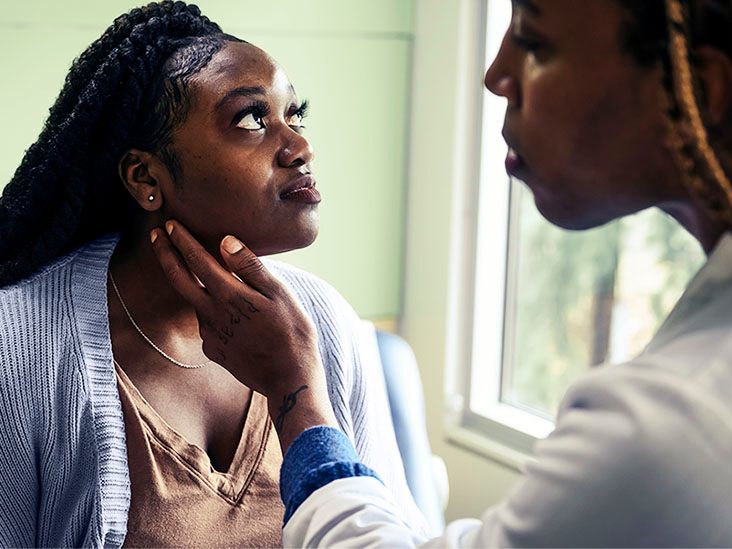
A rash is already annoying enough. Add swollen lymph nodes, and suddenly your body feels like it has opened a tiny customer-service department under your skin: “Hello, your immune system is currently experiencing high call volume.” The good news is that a rash with swollen lymph nodes is often caused by common infections or inflammation. The not-so-fun news is that it can sometimes point to a condition that needs medical care sooner rather than later.
Swollen lymph nodes, sometimes called “swollen glands,” are usually not glands at all. They are small immune-system checkpoints that filter germs, abnormal cells, and other unwanted guests. When they swell, they are often reacting to something nearby or something affecting the whole body. A rash, meanwhile, is the skin’s very visible way of saying, “Something is going on here.” Together, these symptoms can help narrow down the cause.
This guide explains the most common causes of rash and swollen lymph nodes, how doctors may diagnose them, what treatments are often used, and when it is time to stop Googling and call a healthcare professional.
What Do Swollen Lymph Nodes Mean?
Lymph nodes are part of the lymphatic system, a network that helps your body fight infections and manage fluid balance. They are found throughout the body, especially in the neck, under the jaw, behind the ears, in the armpits, and in the groin. When bacteria, viruses, or inflammation trigger an immune response, lymph nodes may become enlarged, tender, or easier to feel.
Swelling in one area often points to a local issue. For example, a rash or infected scratch on the arm may cause swollen lymph nodes in the armpit. A sore throat may cause swollen nodes in the neck. Swollen nodes in several areas at once can suggest a body-wide infection, immune reaction, or, less commonly, a more serious condition.
Why a Rash and Swollen Lymph Nodes Happen Together
The skin and immune system are close teammates. Skin is the body’s outer security fence, and lymph nodes are part of the internal patrol team. When germs enter through irritated skin, a cut, an insect bite, or a contagious infection, the nearby lymph nodes may respond. Sometimes the rash and lymph node swelling are both caused by the same illness, such as a viral infection, scarlet fever, Lyme disease, or mononucleosis.
The pattern matters. A small rash near one swollen node can mean a local skin infection. A widespread rash with fever and swollen nodes may suggest a viral or bacterial illness. A long-lasting rash with painless, firm lymph nodes should be checked because it may need further testing.
Common Causes of Rash and Swollen Lymph Nodes
1. Viral Infections
Viral infections are among the most common reasons for a rash and swollen lymph nodes. Many viruses can cause fever, tiredness, sore throat, body aches, and a rash that may be flat, bumpy, blotchy, or itchy. Lymph nodes often swell because they are helping the body fight the infection.
Examples include rubella, chickenpox, roseola in young children, and other viral rashes. Chickenpox usually causes an itchy blister-like rash with fever and tiredness. Rubella can cause a mild rash, slight fever, and swollen lymph nodes, especially behind the ears and at the back of the neck. Most viral rashes improve with time, fluids, rest, and symptom relief, but some require testing, isolation, or public health guidance.
2. Infectious Mononucleosis
Infectious mononucleosis, often called mono, is commonly linked to the Epstein-Barr virus. It can cause severe fatigue, fever, sore throat, swollen lymph nodes in the neck, armpits, or groin, and sometimes a rash. The fatigue can linger, making mono feel like your body accidentally subscribed to a two-month free trial of exhaustion.
Treatment is usually supportive: rest, fluids, pain relievers as recommended, and avoiding contact sports if the spleen is enlarged. Antibiotics do not treat mono itself because it is viral. A clinician may order blood tests if symptoms suggest mono or if symptoms are unusually severe.
3. Strep Throat and Scarlet Fever
Scarlet fever is caused by group A strep bacteria, the same type of bacteria that can cause strep throat. It often starts with fever, sore throat, headache, and swollen lymph nodes in the neck. A rough, sandpaper-like rash may appear within a day or two. The rash often begins on the neck or upper chest and spreads.
Unlike many viral rashes, scarlet fever needs antibiotics. Penicillin or amoxicillin is commonly used when appropriate. Treating strep infections helps people feel better sooner, reduces spread to others, and lowers the risk of complications. If a child or teen has a sore throat, fever, swollen neck nodes, and a rough red rash, a strep test is a smart move.
4. Bacterial Skin Infections
Bacterial skin infections such as impetigo, cellulitis, or an infected cut can cause both a rash and swollen lymph nodes near the affected area. Impetigo often causes honey-colored crusts or sores, especially around the nose, mouth, or broken skin. Cellulitis may cause skin that is red, swollen, warm, painful, and spreading.
These infections should not be ignored. A small skin infection can become more serious if bacteria spread. Treatment may include prescription antibiotics, wound care, and sometimes drainage if an abscess forms. Seek care quickly if the rash is spreading, painful, warm, draining pus, or accompanied by fever or chills.
5. Lyme Disease
Lyme disease is a bacterial infection spread through the bite of infected blacklegged ticks. A classic sign is erythema migrans, an expanding rash that may look like a bull’s-eye, but not every Lyme rash has that target shape. Some are solid red, oval, bluish, or blotchy. Fever, fatigue, headache, muscle aches, joint pain, and swollen lymph nodes can occur with or without the rash.
Lyme disease is treated with antibiotics. Early treatment usually works well and can prevent more serious problems involving the joints, heart, or nervous system. Anyone who develops an expanding rash after a tick bite, especially in an area where Lyme disease is common, should contact a healthcare professional.
6. Mpox
Mpox can cause a rash along with fever, chills, headache, body aches, sore throat, cough, and swollen lymph nodes. The rash may appear as bumps, blisters, or pustules and can be painful or itchy. Swollen lymph nodes are a notable feature and may appear in the neck, armpits, or groin.
Anyone with a new or unexplained rash after possible exposure should seek medical advice. Treatment is often supportive, but some people at higher risk of severe disease may need antiviral treatment or specific medical guidance. Avoid close skin-to-skin contact with others until a clinician gives advice, because mpox can spread through close contact.
7. Allergic Reactions and Drug Rashes
Allergic reactions can cause hives, itching, redness, swelling, and widespread rash. Some medication reactions may also cause swollen lymph nodes, fever, facial swelling, or organ inflammation. A mild rash after a new soap is one thing; a rash after starting a new medication is another and deserves attention.
Seek emergency help if a rash comes with trouble breathing, swelling of the lips or tongue, dizziness, confusion, or repeated vomiting. These can be signs of a severe allergic reaction. For medication-related rashes, do not stop essential prescriptions without medical advice unless emergency symptoms occur; instead, contact a healthcare professional promptly.
8. Autoimmune and Inflammatory Conditions
Some autoimmune conditions can cause rashes and swollen lymph nodes. Lupus, for example, may cause skin changes, joint pain, fatigue, fever, and enlarged lymph nodes. Other inflammatory conditions can also create skin symptoms and immune-system activity.
These conditions are usually diagnosed through a combination of medical history, physical exam, blood tests, and sometimes skin biopsy. Treatment depends on the condition and may include anti-inflammatory medicines, immune-modulating medications, sun protection, and long-term monitoring.
9. Rare but Serious Causes
Most swollen lymph nodes are caused by infection, but persistent or unusual swelling should be evaluated. Lymphoma and other cancers can sometimes cause swollen lymph nodes, fatigue, fever, night sweats, unexplained weight loss, and itchy skin. Some rare skin lymphomas can also look like chronic rashes.
This does not mean every rash and swollen lymph node is a five-alarm emergency. Bodies are noisy. But if lymph nodes are hard, fixed, painless, growing, or lasting longer than a few weeks, or if symptoms include night sweats, unexplained weight loss, or ongoing fever, it is time for a medical checkup.
How Doctors Diagnose the Cause
A clinician will usually start by asking practical questions: When did the rash begin? Is it itchy, painful, blistering, crusting, or spreading? Did fever come first? Any sore throat, tick bite, new medication, travel, sick contacts, or recent vaccines? Where are the swollen lymph nodes? Are they tender or painless?
The physical exam often gives major clues. A throat exam may suggest strep. A spreading warm rash may suggest cellulitis. A bull’s-eye-like expanding rash may point toward Lyme disease. A widespread viral-looking rash with fatigue may lead to testing for mono or other infections.
Tests may include a rapid strep test, throat culture, blood tests, viral testing, Lyme testing, skin swab, or biopsy. Imaging may be used if lymph nodes are unusually large or persistent. The goal is not to run every test in the universe, because nobody wants a medical scavenger hunt. The goal is to match testing to the most likely cause.
Treatments for Rash and Swollen Lymph Nodes
Supportive Care for Viral Causes
Many viral rashes improve on their own. Supportive care may include rest, fluids, cool compresses, fragrance-free moisturizers, and over-the-counter fever or pain relievers when appropriate. Antihistamines may help itching, but they should be used according to label directions or a clinician’s advice, especially for children.
Avoid scratching. Scratching can break the skin and invite bacteria to the party, and bacteria are terrible party guests. Keep nails trimmed, wear soft clothing, and use gentle cleansers.
Antibiotics for Bacterial Infections
Bacterial causes such as scarlet fever, cellulitis, impetigo, and some tick-borne infections usually require antibiotics. The specific antibiotic depends on the diagnosis, age, allergies, severity, and local resistance patterns. Finish the prescribed course unless a healthcare professional tells you otherwise.
Do not use leftover antibiotics. They may be the wrong type, wrong dose, or expired. Also, sharing antibiotics is not generosity; it is chaos wearing a helpful hat.
Skin Care and Symptom Relief
For itchy rashes, simple measures can help: cool baths, oatmeal baths, moisturizers, loose cotton clothing, and avoiding heat. For irritated skin, skip scented lotions, harsh scrubs, and new cosmetic products until the rash clears. If the rash is weeping, crusting, painful, or worsening, get medical advice before applying steroid creams or home remedies.
Treating the Underlying Condition
If the cause is autoimmune, allergic, or related to a medication, treatment focuses on the trigger or underlying disease. This may involve stopping or changing a medication under medical supervision, using prescription creams, taking anti-inflammatory medicines, or seeing a specialist such as a dermatologist, allergist, rheumatologist, or infectious disease doctor.
When to Seek Medical Care
Call a healthcare professional if a rash and swollen lymph nodes come with fever, severe sore throat, spreading redness, warmth, pain, pus, golden crusting, an expanding tick-bite rash, or symptoms that last more than a few days without improvement.
Seek urgent care right away if the rash is rapidly spreading, very painful, purple or black, blistering widely, affects the eyes or mouth, or comes with confusion, stiff neck, trouble breathing, fainting, severe headache, or signs of dehydration. Also seek prompt care for rash and swollen lymph nodes in babies, pregnant people, immunocompromised people, or anyone who appears very ill.
Prevention Tips
You cannot prevent every rash unless you plan to live in a bubble, and even then the bubble probably has dust. But you can reduce risk. Wash hands regularly, keep cuts clean and covered, avoid sharing towels during skin infections, stay up to date on recommended vaccines, use insect repellent in tick-prone areas, do tick checks after outdoor activities, and avoid close contact with people who have contagious rashes until they are cleared by a healthcare professional.
For sensitive skin, use fragrance-free products and introduce new skincare items one at a time. If you are prescribed medication, ask what side effects should be reported. Early action often prevents a small problem from becoming a dramatic skin-and-lymph-node production.
Experiences Related to Rash and Swollen Lymph Nodes
Many people first notice swollen lymph nodes in the most ordinary way: washing their face, putting on deodorant, scratching their neck, or wondering why one side of the jaw feels lumpy. Then comes the rash, or maybe the rash came first. Either way, the mind can jump from “probably nothing” to “I have accidentally become a medical mystery documentary” in about eight seconds.
A common experience is the sore-throat scenario. A person wakes up with a scratchy throat, swollen neck nodes, and fever. A day later, a rough rash appears across the chest or stomach. That combination can suggest scarlet fever, especially in children and teens, and it is a good example of why symptoms should be viewed together. A rash alone might seem like irritation. Swollen nodes alone might seem like a cold. Together, they tell a clearer story.
Another familiar experience is the mystery bite. Someone hikes, gardens, camps, or walks through tall grass and later notices a spreading round rash. Maybe it looks like a bull’s-eye, maybe it does not. A few days later, fatigue and swollen lymph nodes show up. This is the moment when “I’m sure it’s just a mosquito bite” should retire gracefully and let a clinician evaluate for Lyme disease or another tick-related illness.
Parents often describe the “rash detective” phase. They inspect the laundry detergent, lunchbox, playground, pets, school notices, and every snack eaten since Tuesday. Sometimes the cause is simple: a viral illness, contact irritation, or a minor skin infection from scratching. Other times, the child has fever, swollen glands, and a rash that needs testing or treatment. The key is not panic; it is pattern recognition. Fever, pain, spreading redness, pus, or a child who seems unusually tired deserves medical attention.
Adults may experience rash and swollen lymph nodes after starting a new medication. The rash may appear on the trunk, arms, or legs and may be itchy or widespread. Because drug reactions can range from mild to serious, this is not the time to play “wait and see” for weeks. Calling the prescribing clinician or pharmacist can help decide whether the medication should be changed, stopped, or evaluated urgently.
People with eczema or sensitive skin may also notice swollen nodes when a rash becomes infected. The skin may ooze, crust, feel warm, or become more painful. This can happen because broken skin gives bacteria an opening. Treating the infection and calming the underlying skin condition are both important. Moisturizer helps the skin barrier, but infected skin may need prescription treatment.
The most useful personal habit is keeping a simple symptom timeline. Write down when the rash started, where it appeared, whether it spread, when lymph nodes became swollen, any fever, new medications, insect bites, travel, sick contacts, or new products. Take clear photos once a day in similar lighting. This is not for social media; it is for your clinician. A good timeline can turn a confusing appointment into a much faster diagnosis.
Finally, remember that swollen lymph nodes often mean the immune system is doing its job. They can stay enlarged for a while after an infection improves. But “often harmless” does not mean “always ignore.” When symptoms are severe, persistent, unusual, or paired with warning signs, getting medical care is the wise move. Your skin may be dramatic, but sometimes it is also informative.
Conclusion
Rash and swollen lymph nodes can happen for many reasons, from common viral infections to bacterial skin infections, strep-related scarlet fever, Lyme disease, medication reactions, autoimmune conditions, and rare cancers. The most important clues are timing, location, fever, pain, spreading, exposure history, and whether the lymph nodes are tender, persistent, or growing.
Most cases improve once the underlying cause is treated or the infection passes. Still, medical care is important when symptoms are severe, worsening, long-lasting, or linked to red flags such as fever, pus, rapidly spreading redness, breathing trouble, or unexplained weight loss. Think of swollen lymph nodes as little immune-system traffic lights. Green often means “keep watching,” yellow means “call the doctor,” and red means “go now.”
Note: This article is for general educational purposes and does not replace medical diagnosis or treatment. Anyone with a concerning rash, swollen lymph nodes, fever, severe pain, or rapidly worsening symptoms should contact a qualified healthcare professional.