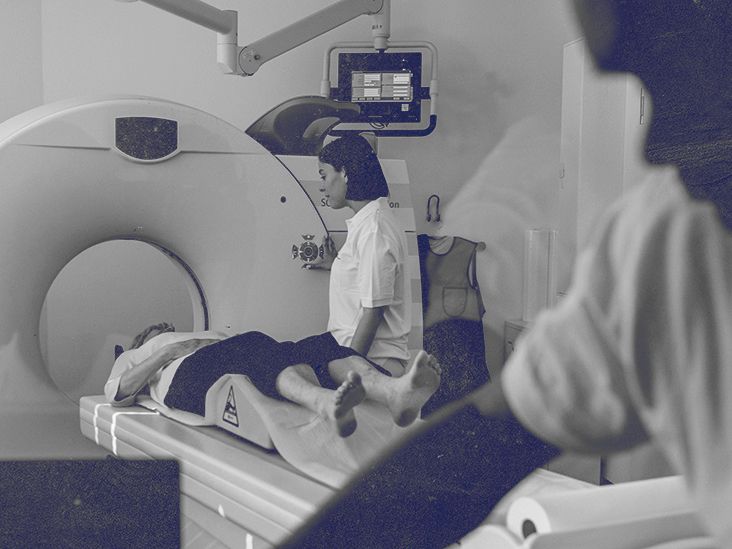
Lung cancer with brain mets sounds like the kind of phrase nobody wants to Google at 2 a.m.and yet many patients and families do exactly that. “Brain mets” is short for brain metastases, meaning lung cancer cells have traveled from the lung to the brain. It does not mean a person suddenly has “brain cancer.” It means lung cancer has spread to the brain, and the treatment plan usually needs a smart, coordinated team: medical oncology, radiation oncology, neurosurgery, palliative care, nursing, rehabilitation, and sometimes a very patient family member who remembers where the medication list went.
The important truth is this: lung cancer with brain metastases is serious, but it is not one-size-fits-all. Life expectancy can range from a few months to several years depending on the type of lung cancer, the number and size of brain lesions, whether the cancer has targetable mutations, how well the body is functioning, and whether treatments control disease inside and outside the brain. Modern treatment has changed the conversation. The goal is no longer only “treat the brain and hope.” Today, doctors may use precise radiation, surgery, targeted therapy, immunotherapy, chemotherapy, symptom control, and clinical trials to help people live longer and feel better.
What does it mean when lung cancer spreads to the brain?
Brain metastases happen when cancer cells break away from the original lung tumor, travel through the bloodstream, and form tumors in the brain. Lung cancer is one of the cancers most likely to spread to the brain. This can happen at the time of diagnosis or later during treatment.
There are two main categories of lung cancer: non-small cell lung cancer (NSCLC) and small cell lung cancer (SCLC). NSCLC is more common and includes adenocarcinoma, squamous cell carcinoma, and large cell carcinoma. SCLC tends to grow and spread faster and has a strong tendency to involve the brain. The type matters because treatment choices and prognosis can be very different.
Common symptoms of lung cancer brain mets
Brain metastases can be sneaky. Some people have no symptoms at all, and the spots are found on an MRI. Others develop symptoms that are hard to ignore. The brain is basically the body’s command center, so when swelling or tumors affect it, the messages can get scrambled.
Possible symptoms include:
- New or worsening headaches
- Nausea or vomiting, especially with headache
- Seizures
- Weakness or numbness on one side of the body
- Vision changes
- Balance problems or dizziness
- Confusion, memory issues, or personality changes
- Speech problems
- Extreme sleepiness or sudden changes in alertness
Any sudden neurological symptomespecially seizure, severe headache, one-sided weakness, or confusionneeds urgent medical attention. This is not the moment for “let’s see how it feels after a nap.”
How doctors diagnose brain metastases from lung cancer
The most common test is a brain MRI with contrast. MRI is usually better than CT for finding small brain metastases, showing swelling, and helping doctors plan surgery or radiation. A CT scan may be used in emergencies or when MRI is not possible. Doctors also look at the whole body with scans such as CT, PET/CT, or bone scans to understand whether the cancer is active elsewhere.
Biomarker testing is especially important in metastatic NSCLC. Tumor tissue or blood may be tested for changes such as EGFR, ALK, ROS1, BRAF, MET, RET, NTRK, KRAS, and PD-L1. These results can dramatically affect treatment. For example, certain targeted therapies can work in the brain, which matters because the brain has a protective “security gate” called the blood-brain barrier. Annoying? Yes. Biologically impressive? Also yes.
Lung cancer with brain mets life expectancy
Life expectancy with lung cancer brain metastases varies widely. Older statistics often showed survival measured in months, especially when treatment options were limited. Today, some people still face a short prognosis, but others live much longer because of improved radiation techniques, targeted therapies, immunotherapy, better imaging, and stronger supportive care.
In general, survival depends on several major factors:
- Lung cancer type: NSCLC and SCLC behave differently.
- Number of brain metastases: A single lesion may be treated differently from many lesions.
- Size and location: A small spot in a safer area is different from a large tumor pressing on critical brain structures.
- Symptoms: People with severe neurological symptoms may need urgent local therapy.
- Overall health: Doctors often consider performance statushow active and independent a person is.
- Cancer outside the brain: Controlled disease in the rest of the body usually improves the outlook.
- Biomarkers: EGFR, ALK, ROS1, RET, MET, and other mutations can open the door to targeted drugs.
- Treatment response: Some tumors shrink quickly; others are stubborn little villains.
For some patients with aggressive disease, multiple metastases, poor overall health, or cancer that no longer responds to treatment, life expectancy may be limited. For othersespecially those with targetable NSCLC mutations and good response to therapysurvival may extend for years. The most honest answer is not a single number. It is a personalized estimate based on the cancer’s biology and the patient’s condition.
Treatment options for lung cancer brain metastases
Treatment usually combines local therapy, which treats tumors in the brain, and systemic therapy, which treats cancer throughout the body. The plan may change over time. Cancer treatment is less like following a recipe and more like adjusting a GPS route after every traffic update.
Stereotactic radiosurgery (SRS)
Stereotactic radiosurgery is not surgery in the traditional “scalpel and stitches” sense. It uses highly focused radiation beams to target brain metastases while sparing surrounding brain tissue. It may be delivered with systems such as Gamma Knife, CyberKnife, or linear accelerator-based technology.
SRS is often used for people with a limited number of brain metastases, small to moderate-sized tumors, or tumors in locations where surgery is not ideal. It can also be used after surgery to treat the tumor cavity and reduce the risk of recurrence.
Whole-brain radiation therapy (WBRT)
Whole-brain radiation therapy treats the entire brain. It may be used when there are many brain metastases, widespread microscopic disease is suspected, or SRS is not practical. WBRT can help control symptoms, but it may affect memory and thinking. Because of that, doctors often try to protect cognition with modern approaches such as hippocampal avoidance when appropriate and medications like memantine.
Brain surgery
Surgery may be considered when there is one large brain metastasis, a tumor causing major symptoms, significant swelling, or uncertainty about diagnosis. Removing a brain metastasis can quickly reduce pressure and provide tissue for testing. Surgery is often followed by focused radiation to the surgical area.
Surgery is not right for everyone. Doctors consider tumor location, number of lesions, the patient’s general health, and whether cancer outside the brain is controlled. In the right case, surgery can be a game-changer. In the wrong case, it can be too risky, which is why the neurosurgeon’s opinion matters.
Targeted therapy
Targeted therapy is one of the biggest reasons lung cancer brain metastasis care has improved. These drugs target specific cancer mutations. Some newer targeted therapies can reach the central nervous system and shrink or control brain metastases.
Examples include EGFR inhibitors such as osimertinib, ALK inhibitors such as alectinib, brigatinib, and lorlatinib, ROS1-directed drugs, RET inhibitors, MET inhibitors, BRAF/MEK combinations, and other precision medicines depending on the tumor profile. Not every patient has a targetable mutation, but when one is present, it can strongly influence the treatment plan.
Immunotherapy
Immunotherapy helps the immune system recognize and attack cancer cells. Drugs such as PD-1 and PD-L1 inhibitors are used in many people with advanced NSCLC, sometimes alone and sometimes with chemotherapy. Immunotherapy may help control cancer in the body and, in selected cases, may have activity against brain metastases. Whether it is appropriate depends on factors such as PD-L1 status, mutation results, symptoms, steroid use, and previous treatment.
Chemotherapy
Chemotherapy remains useful for many people with metastatic lung cancer, especially when there is no targetable mutation or when the disease needs broad control. In SCLC, chemotherapy combined with immunotherapy is a common first-line approach for extensive-stage disease. Chemotherapy may not always be the star player in brain metastasis control, but it can still be an important part of the team.
Steroids and anti-seizure medicine
When brain metastases cause swelling, doctors may prescribe corticosteroids such as dexamethasone. Steroids can reduce pressure and improve symptoms quickly. They also have side effects, including insomnia, mood changes, higher blood sugar, muscle weakness, and increased infection risk. In other words, steroids can be helpful, but they are not candydespite sometimes making people want to eat everything in the refrigerator.
Anti-seizure medication may be used if a patient has had a seizure. It is not always prescribed automatically for every person with brain metastases.
How doctors choose the best treatment plan
A typical treatment discussion includes several questions: Are the brain metastases causing symptoms? How many are there? How large are they? Is there cancer elsewhere? What does biomarker testing show? Has the patient received previous radiation? Is the person strong enough for surgery? What matters most to the patient: aggressive disease control, preserving memory, avoiding hospital time, managing symptoms, or all of the above?
For example, a person with one large brain metastasis causing weakness may need surgery followed by SRS, plus systemic therapy for the lung cancer. A person with several small asymptomatic EGFR-positive brain metastases may start a CNS-active targeted therapy and be monitored closely with MRI. A person with many symptomatic brain metastases may need WBRT or another radiation approach, along with steroids and systemic treatment.
Quality of life and palliative care
Palliative care is often misunderstood. It is not the same as giving up. Palliative care focuses on symptoms, stress, decision-making, nutrition, sleep, pain, mood, and practical support. It can be added at any stage of metastatic lung cancer treatment. Many patients benefit from palliative care while still receiving radiation, immunotherapy, targeted therapy, or chemotherapy.
Supportive care may include physical therapy for weakness or balance problems, occupational therapy for daily tasks, speech therapy for communication or swallowing issues, counseling for anxiety, and social work support for insurance and caregiving. Cancer care is a medical marathon, not a heroic solo sprint.
Questions to ask the cancer care team
- How many brain metastases are there, and where are they located?
- Do I need urgent treatment for swelling or symptoms?
- Is stereotactic radiosurgery an option?
- Would surgery help in my case?
- Do I need whole-brain radiation, and how can memory side effects be reduced?
- Have we completed full biomarker testing?
- Is there a targeted therapy that can work in the brain?
- How often will I need brain MRI scans?
- What symptoms should make us call immediately or go to the emergency room?
- Are there clinical trials for my type of lung cancer?
Living with lung cancer brain mets: real-world experiences
The experience of lung cancer with brain mets is not only medical. It is emotional, practical, financial, and deeply human. One day, a person may be discussing scan results; the next, they are trying to remember whether they paid the electric bill. Families often describe the diagnosis as entering a new country where everyone speaks in acronyms: MRI, SRS, WBRT, NSCLC, SCLC, EGFR, ALK, PD-L1. At first, it can feel like the doctors are reading from a secret alphabet soup menu.
A common experience is fear of neurological symptoms. A headache is no longer “just a headache.” A moment of forgetfulness can send everyone into detective mode. Patients may wonder if they are losing independence. Caregivers may quietly watch for changes in walking, speech, mood, or alertness. This vigilance is understandable, but exhausting. Many families find it helpful to keep a symptom notebook with dates, medications, and changes. It gives the care team useful information and gives the family a place to put the worry besides directly onto their nervous system.
Treatment days can also feel surprisingly ordinary and strange at the same time. A person may have focused radiation in the morning and eat soup in the afternoon. They may take a targeted pill at home and feel like something so small should not be allowed to carry such a big job. Hair loss, fatigue, steroid appetite, sleep problems, and scan anxiety can all become part of the routine. “Scanxiety” deserves its own dictionary entry: the tense waiting period before imaging results, when every phone notification feels dramatic enough to need background music.
Many patients also experience a shift in priorities. Some want every possible treatment. Others want fewer hospital visits and more peaceful days at home. Most people want both more time and better time. That is why honest conversations matter. A good care team should explain likely benefits, side effects, backup plans, and what treatment success would look like. Success may mean shrinking tumors. It may mean walking without help. It may mean attending a wedding, sleeping through the night, or having enough energy to sit outside with coffee.
Caregivers need support too. Driving to appointments, managing medications, interpreting medical portals, and staying upbeat can be a full-time job with terrible snacks. Caregivers should ask for help early: rides, meals, paperwork support, respite time, or someone who can simply listen without trying to fix everything. No one gets bonus points for burning out quietly.
For patients, one practical strategy is to build a “brain mets folder.” Include medication lists, scan dates, emergency contacts, biomarker results, treatment history, questions for the doctor, and notes about symptoms. It does not have to be fancy. A plain folder, a phone note, or a shared document can make appointments less chaotic.
The most important experience-related lesson is this: people are not statistics. Survival numbers describe groups, not individuals. They cannot predict the next meaningful conversation, the next good day, or the next treatment response. Hope should be realistic, but it does not have to be tiny. With modern lung cancer care, many patients are living longer and better than older statistics suggest. The path is difficult, but it is not empty. It can include treatment, comfort, planning, laughter, tears, and the occasional deeply suspicious hospital pudding.
Conclusion
Lung cancer with brain mets is an advanced and serious diagnosis, but the outlook depends on many details. Life expectancy is influenced by lung cancer type, number of brain metastases, symptoms, overall health, biomarker status, and treatment response. Options may include stereotactic radiosurgery, whole-brain radiation, surgery, targeted therapy, immunotherapy, chemotherapy, steroids, seizure control, palliative care, and clinical trials.
The best care is personalized. A patient with EGFR-positive NSCLC and small brain metastases may have a very different plan from someone with extensive-stage SCLC and multiple symptomatic brain lesions. That is why full testing, expert review, and clear communication are essential. Brain mets can change the road, but they do not erase every route forward.
Note: This article is for educational purposes only and is based on current information from reputable U.S. cancer and medical organizations. It is not a substitute for diagnosis, treatment, or personalized medical advice from a licensed healthcare professional.